
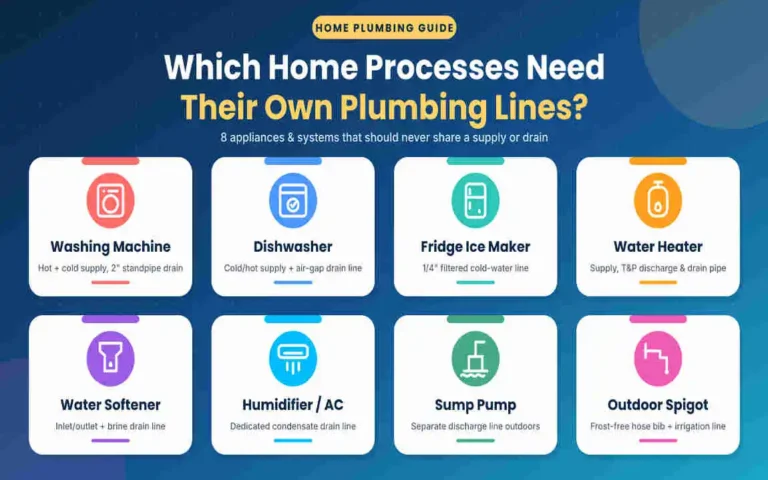
The processes that require separate plumbing are the ones that use non-drinking (non-potable) water or could contaminate your tap water. In a home, that includes standalone fire sprinkler systems, lawn irrigation, greywater and rainwater reuse, and closed-loop radiant heating. Everyday uses like sinks, showers, dishwashers and washing machines share the normal drinking-water plumbing. If you …
How Natural Timber Joinery Elevates Modern Home Design
Modern homes often feature clean lines, open spaces, and simple colour schemes. These designs look sharp, but they can sometimes feel cold. That’s where natural timber comes in. Timber joinery adds warmth, texture, and character to any room. From solid hardwood shelves to bespoke architraves around a doorway, wood brings a sense of craft that …
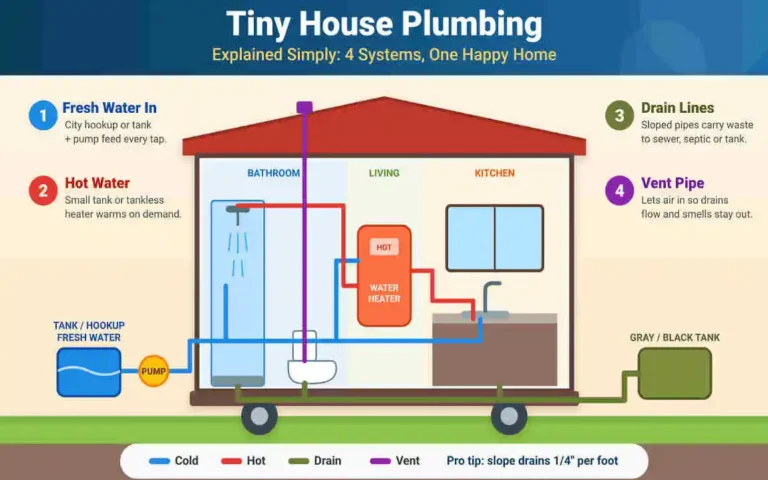
Tiny House Plumbing, Explained Simply
Plumbing in a tiny house works like plumbing in any home, only smaller. Fresh water arrives from a hookup, a tank with a pump, or a well. A compact heater warms it, fixtures use it, and gravity carries the used water through vented drain pipes to a sewer, septic system, holding tank, or a composting …
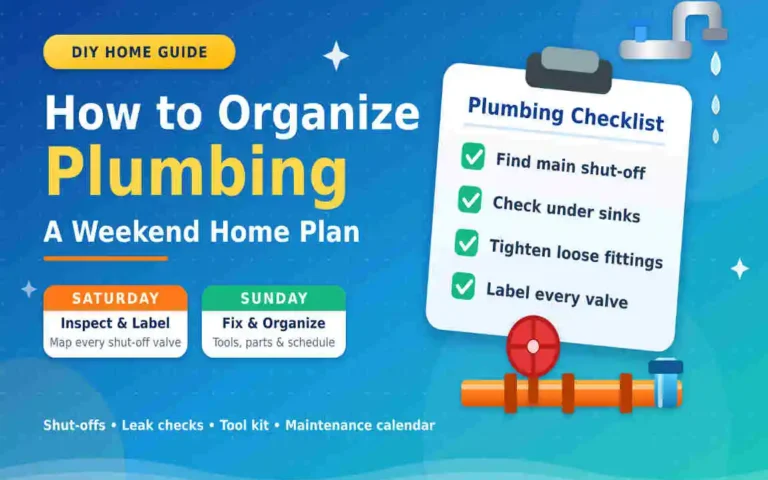
How to Organize Plumbing: A Weekend Home Plan
To organize plumbing at home, find and tag your main water shutoff, map the valves for each fixture and appliance, keep a small repair kit beside it, clear and tidy the cabinets under sinks, service your water heater, and follow a simple seasonal check for leaks and freezing. Finish with a one-page record of valve …
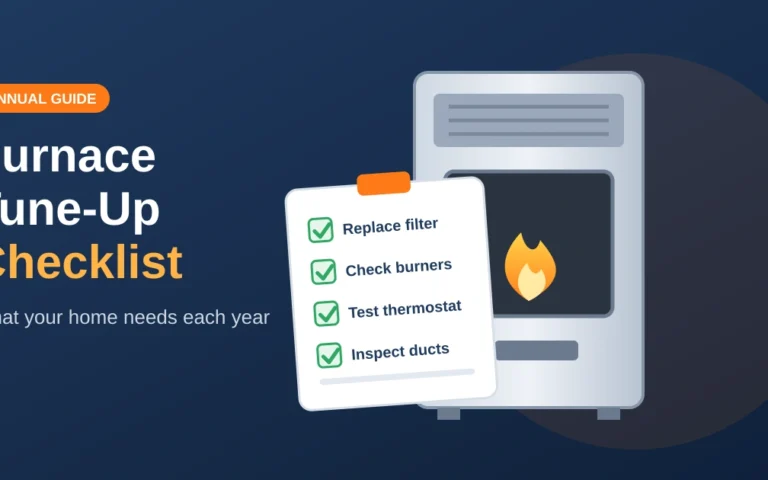
Furnace Tune-Up Checklist: What Your Home Needs Each Year
Annual Furnace Maintenance Checklist: What a Tune-Up Should Include Quick Answer A proper yearly service visit covers far more than a filter swap. A licensed technician inspects the heat exchanger, cleans and tests the burners, checks the blower and electrical connections, measures gas pressure, confirms safe venting, calibrates the thermostat, and tests every safety control. …
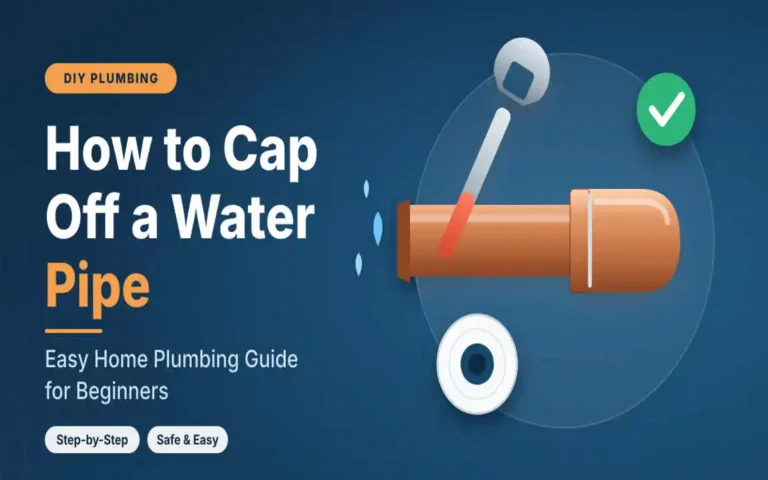
How to Cap Off a Water Pipe: Easy Home Plumbing Guide for Beginners
To permanently cap off a water pipe, shut off the water and drain the line, cut the pipe square, deburr and clean the end, then fit a cap that suits your pipe: a push-fit cap (fastest), a compression cap (reliable, reusable parts) or a soldered copper cap (the traditional permanent seal). Restore the water slowly …
Landlord Home Plumbing Duties: Who Pays When Pipes Fail?
Yes, in most cases. Landlords are generally responsible for keeping the plumbing in a rented home safe and working, including water supply, pipes, drains, toilets, sinks and baths. The main exception is damage the tenant causes through misuse or neglect, such as a blockage from flushing the wrong items. In that case, the tenant usually …
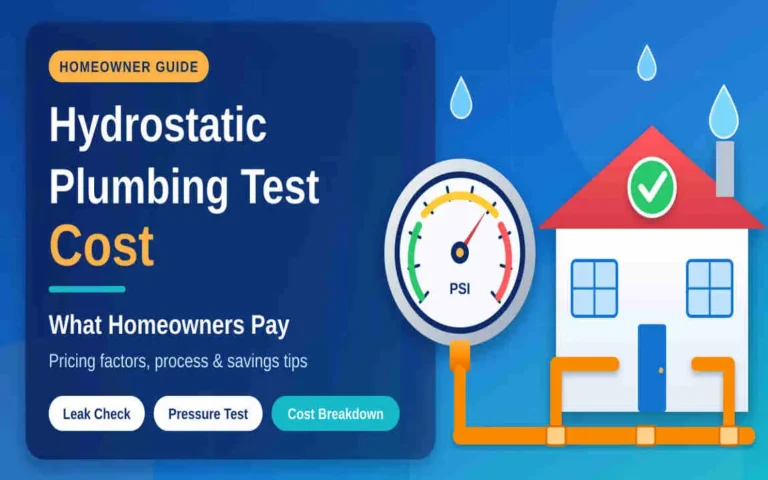
Hydrostatic Plumbing Test Cost: What Homeowners Pay
A hydrostatic plumbing test usually costs about $250 to $500 for a typical home, according to HomeServe. The price goes up when the plumber has to reach several cleanouts or test pipe sections one at a time. The test itself takes roughly 15 to 30 minutes of water-level monitoring. What Is a Hydrostatic Plumbing Test? …
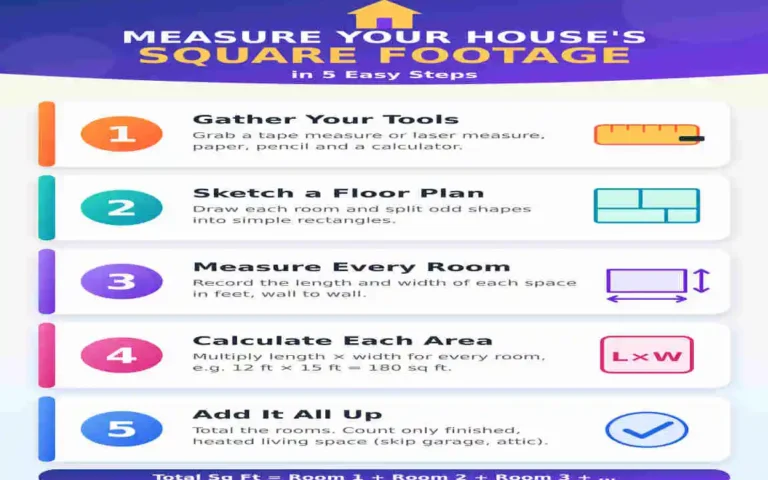
Measure Your House’s Square Footage in 5 Steps
To calculate the square feet of a house, split each floor into rectangles, multiply length × width for each one, then add all the areas together. Count only finished, heated, above-ground living space. Leave out garages, porches, unfinished areas and basements. What does “square footage of a house” actually mean? Square footage is the amount …
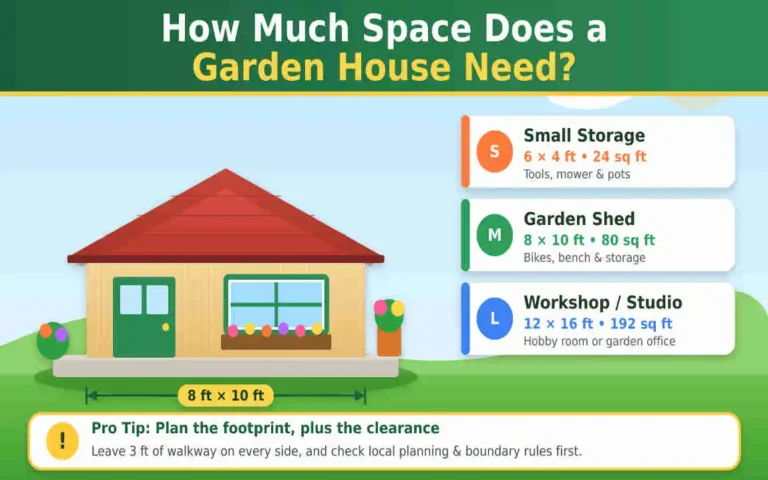
How Much Space Does a Garden House Need?
Most garden houses need 6 to 15 square metres (about 65 to 160 sq ft) of floor area, plus roughly 1 metre of clear space around the walls for access and maintenance. A storage or reading garden house can be as small as 3 m². A family room or guest space usually needs 15 to …