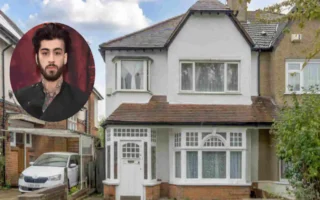
Have you ever wondered what the mastermind behind IKEA, Ingvar Kamprad, surrounded himself with at home? Today, we’re stepping into the Ingvar Kamprad house to uncover the design secrets that shaped a global empire. This isn’t just about a house; it’s about a legacy that continues to influence how we live and design our spaces.
| Category | Details |
|---|---|
| Full Name | Feodor Ingvar Kamprad |
| Date of Birth | March 30, 1926 |
| Place of Birth | Pjätteryd, Sweden (a small village in Småland) |
| Parents | Frans Feodor Kamprad (German-born father), Berta Linnéa Matilda Nilsson (Swedish mother) |
| Founder of | IKEA (founded in 1943) |
| Net Worth | Varied over time: estimated as high as $28 billion (2005-2010), around $3.4 billion (2016), and personal assets about $130 million at his death. Some sources mention $43.2 billion, but this likely refers to peak valuation rather than at death |
| Residence | Moved to Switzerland in 1976 with his Swiss wife; returned to Småland, Sweden in 2014 after her death in 2011 |
| Date of Death | January 27, 2018 |
Ingvar Kamprad’s impact on design is undeniable. From affordable furniture to sustainable living, his vision transformed the way we think about our luxury homes.
Background on Ingvar Kamprad and IKEA’s Design Philosophy

Who Was Ingvar Kamprad?
Ingvar Kamprad was more than just the founder of IKEA; he was a visionary who revolutionized the furniture industry. Born in Småland, Sweden, Kamprad started his business journey at the age of 17, selling pens, wallets, and picture frames. But it was his passion for furniture design that truly set him apart.
IKEA’s Core Design Principles
At the heart of IKEA’s success lies a set of core design principles that Kamprad championed:
- Affordability: Making stylish furniture accessible to everyone.
- Functionality: Creating pieces that serve a purpose and enhance daily life.
- Simplicity: Embracing clean lines and minimalistic aesthetics.
- Sustainability: Prioritizing eco-friendly materials and practices.
These principles not only shaped IKEA’s products but also influenced Kamprad’s personal lifestyle and the design of his own home.
Kamprad’s Vision and the Global Market
Kamprad’s vision for IKEA went beyond just selling furniture. He aimed to democratize design, making it accessible to people from all walks of life. This vision transformed the global furniture market, challenging traditional notions of luxury and exclusivity.
Overview of the Ingvar Kamprad House: Location, Style, and History
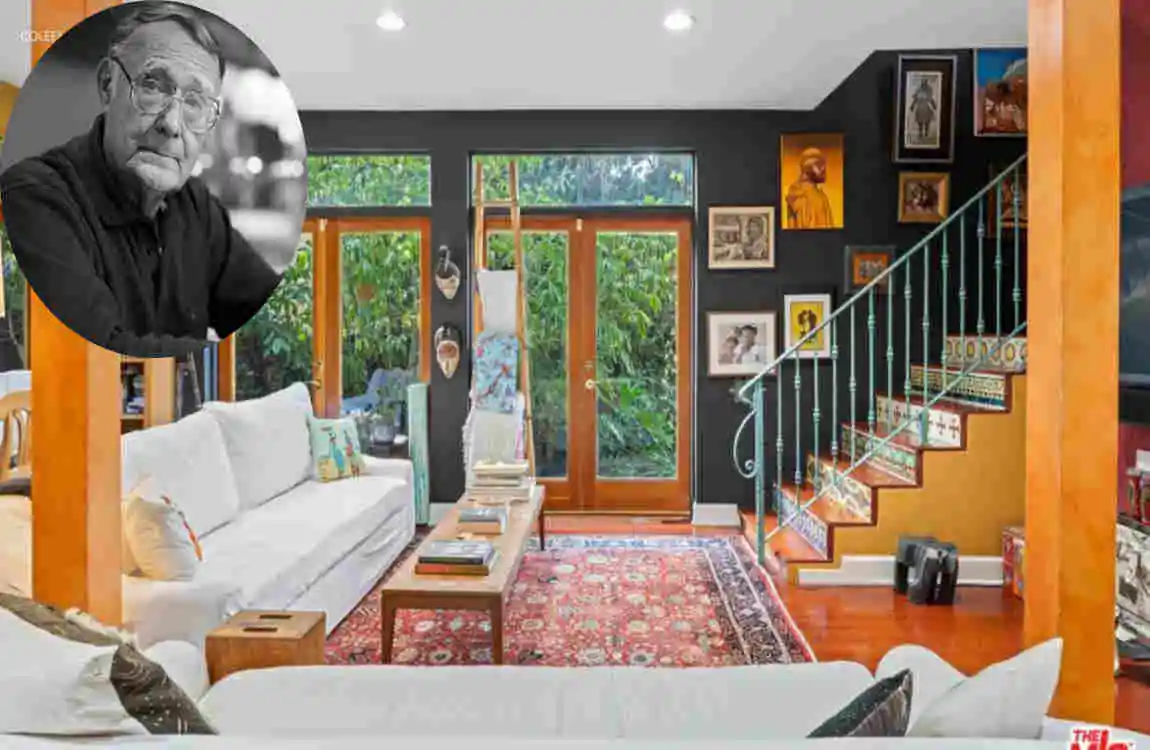
Location and Setting
| Category | Details |
|---|---|
| Location | Kamprad lived in multiple homes during his life. His later years were spent in Epalinges, Switzerland, and he returned to Älmhult, Sweden, his hometown, in 2014 |
| Architecture Style | Scandinavian architecture characterized by clean lines, simple forms, and functionality. His homes often used natural materials like wood and stone, reflecting his love for nature |
| Design Features | – Modesty: Kamprad’s homes were simple and functional, avoiding extravagance. –Sustainability: Eco-friendly elements were incorporated into the design |
| Exterior | – Swedish Villa Style: White walls, red roof, and a simple layout designed to withstand Småland’s weather |
| Gardens | Landscaped gardens surrounded his homes, blending with the natural environment |
| Historical Significance | • Kamprad’s childhood home, Elmtaryd, in Småland, Sweden, inspired the name IKEA (Ingvar Kamprad from Elmtaryd, Agunnaryd) |
| Lifestyle Reflected | Despite his wealth, Kamprad lived modestly, drove old cars, shopped at local markets, and even ate at IKEA cafes |
| Worth of the House | Kamprad’s homes were not extravagant, and his house in Switzerland was reportedly considered worthless by media reports due to its simplicity |
| Address | – Epalinges, Switzerland (later years)
–Älmhult, Sweden (final residence)
|
Nestled in the heart of Småland, Sweden, the Ingvar Kamprad house is a testament to his roots and values. This region, known for its lush forests and rolling hills, provided the perfect backdrop for Kamprad’s minimalist design philosophy.
Architectural Style and Era
Built in the mid-20th century, the Ingvar Kamprad house reflects the architectural trends of its time. With its simple lines and functional design, it embodies the essence of Scandinavian modernism.
Comparing Swedish Homes and IKEA’s Design Ethos
While the Ingvar Kamprad house shares some similarities with traditional Swedish homes, it also showcases the distinct influence of IKEA’s design ethos. The house’s modest size and emphasis on practicality align with IKEA’s core principles, setting it apart from more ornate or extravagant designs.
Modesty and Simplicity in Design
One of the most striking aspects of the Ingvar Kamprad house is its modesty and simplicity. From the outside, it may appear unassuming, but inside, every detail reflects Kamprad’s commitment to a clutter-free, functional living space. This approach to house design not only mirrors his personal values but also serves as a blueprint for how we can create more meaningful and efficient homes.
Key Features of the Ingvar Kamprad House Design

Minimalism and Functionality
The Ingvar Kamprad house is a masterclass in minimalism and functionality. Every piece of furniture, every decorative element, serves a purpose. There’s no room for excess or frivolity; instead, the focus is on creating a space that enhances daily life.
Furniture and Interior Decoration
Kamprad’s home is filled with IKEA pieces, showcasing his belief in the brand’s ability to provide stylish and functional solutions. From the iconic house POÄNG armchair to the versatile KALLAX shelving unit, these pieces are carefully chosen to maximize space and utility.
Sustainability and Materials
Sustainability was at the core of Kamprad’s design philosophy, and it’s evident in every aspect of his home. From the use of eco-friendly materials like bamboo and recycled plastics to the incorporation of energy-efficient systems, the Ingvar Kamprad house is a testament to his commitment to a greener future.
Use of Space
In a world where space is often at a premium, Kamprad’s approach to utilizing space efficiently is genuinely inspiring. Every nook and cranny of his home is thoughtfully designed to serve a purpose, whether it’s a built-in storage solution or a multi-functional piece of furniture.
Color Palette
The color palette of the Ingvar Kamprad house is a study in subtlety and harmony. Neutral, earthy tones dominate, creating a calming and inviting atmosphere. These colors not only reflect Kamprad’s minimalist aesthetic but also have a psychological effect, promoting a sense of tranquility and focus.
The Legacy of Ingvar Kamprad’s Design in Today’s Interiors

Influence on Modern Design Trends
The design principles evident in the Ingvar Kamprad house continue to shape modern interior design trends. From the rise of minimalism to the emphasis on multi-functional furniture, Kamprad’s influence can be seen in homes around the world.
IKEA’s Global Impact
Thanks to Kamprad’s vision, IKEA has become a global force in making affordable and stylish design accessible to everyone. The brand’s impact goes beyond just furniture; it has inspired a generation of designers and homeowners to rethink how they live and decorate their spaces.
Real-Life Examples
Countless individuals and businesses have taken inspiration from Kamprad’s living space philosophy. From small apartments in urban centers to sprawling family homes, people are embracing the idea of creating functional, clutter-free environments that enhance their daily lives.
Lessons from the Ingvar Kamprad House for Business and Design Entrepreneurs
Simplicity, Efficiency, and Innovation
As a business owner or home design entrepreneur, there’s much to learn from Kamprad’s approach to simplicity, efficiency, and innovation. By focusing on what truly matters and eliminating the unnecessary, you can create products and spaces that resonate with your audience.
The Interplay Between Personal Values and Business Success
The Ingvar Kamprad house is a powerful reminder of how personal values can drive business success. Kamprad’s commitment to affordability, sustainability, and functionality not only shaped his home but also became the cornerstone of IKEA’s global empire.
Applying These Ideas to Your Own Ventures
How can you apply these lessons to your own ventures or living spaces? Start by identifying your core values and letting them guide your decisions. Embrace simplicity and functionality, and don’t be afraid to challenge the status quo. By doing so, you can create a lasting impact, just like Kamprad did.
Visual and Tour Highlights

Exploring the Ingvar Kamprad House
While the Ingvar Kamprad house may not be open to the public, there are still ways to explore its home design principles. Through photographs, video tours, and exhibitions, you can gain a deeper appreciation for Kamprad’s vision and how it manifested in his personal space.
Unique Perspectives and Insights
These visual and tour highlights offer a unique perspective on Kamprad’s design philosophy in practice. From the way he utilized space to the careful selection of furniture and decor, every detail tells a story about his approach to living and designing.
Inspired by Kamprad’s Style
If you’re looking to bring some of Kamprad’s house design magic into your own home, consider visiting an IKEA showroom. These spaces are designed to showcase the brand’s latest offerings and provide inspiration for how you can create a functional and stylish living environment.
Ingvar Kamprad House FAQ
Where did Ingvar Kamprad live?
Ingvar Kamprad, the billionaire founder of IKEA, lived in a modest waterfront home in his hometown of Älmhult, Sweden, after returning from nearly 40 years of living in Denmark and Switzerland . He also had a home in Epalinges, Switzerland, where he resided with his family since 1976 .
What was the style of Ingvar Kamprad’s house in Älmhult?
Kamprad’s house in Älmhult was described as modest, reflecting his preference for a simple lifestyle despite his wealth .
Did Ingvar Kamprad own any other properties?
Yes, in addition to his homes in Älmhult and Epalinges, Kamprad owned a large country estate in Sweden and a vineyard in Provence, France .
What was the condition of Ingvar Kamprad’s former Swiss home?
Kamprad’s former home in Switzerland was put up for sale, but the house itself was reportedly considered worthless according to media reports .
How did Ingvar Kamprad’s lifestyle reflect in his choice of residence?
Despite being one of the richest businessmen in the world, Kamprad chose to live in modest homes, drive old Volvos, and maintain a frugal lifestyle. He was known for eating at IKEA’s cafe, shopping at local markets, and flying coach .
What was the significance of Ingvar Kamprad’s home in Elmtaryd?
Elmtaryd was where Kamprad grew up, and it was significant as it was part of the name IKEA, which stands for Ingvar Kamprad from Elmtaryd, Agunnaryd .
Did Ingvar Kamprad’s family live with him in Switzerland?
Yes, Kamprad’s family, including his wife Margaretha and their three sons, lived with him in Epalinges, Switzerland, where the sons learned French .
What was the estimated net worth of Ingvar Kamprad at the time of his death?
At the time of his death in 2018, Ingvar Kamprad’s estimated net worth was nearly $60 billion .
Where Does Ingvar Kamprad Currently Live?
Ingvar Kamprad, the founder of IKEA, passed away on 27 January 2018. Before his death, he lived in Småland, Sweden, where he returned in 2014 after spending nearly 40 years living in Switzerland. He died peacefully at his home in Små land surrounded by his family. Thus, as of now, Ingvar Kamprad does not currently live anywhere since he passed away in 2018.
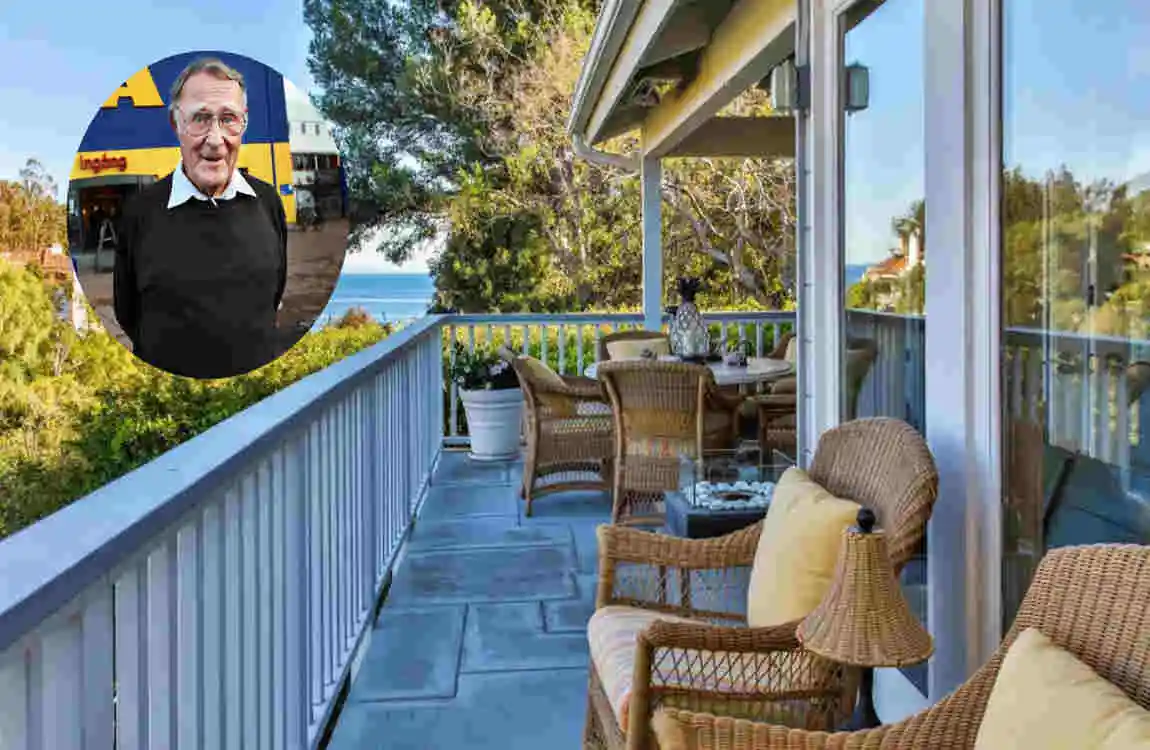
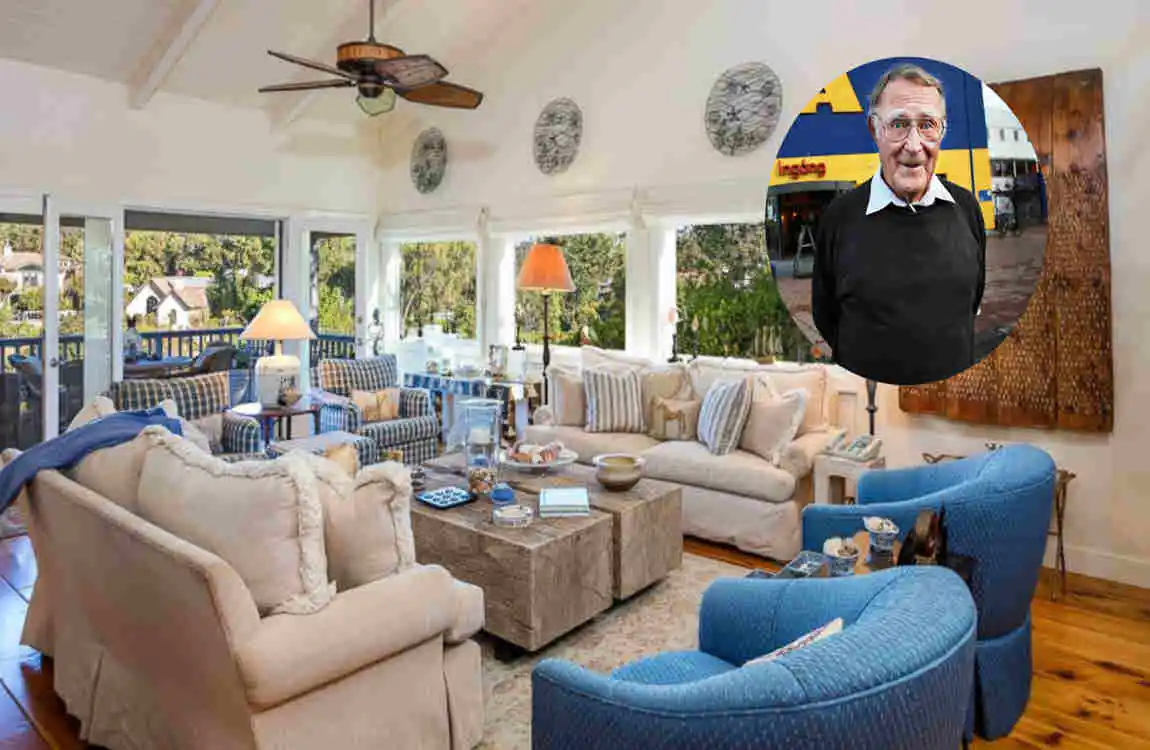
Ingvar Kamprad House Photos