
Is drinking coffee on an empty stomach harmful—and what’s the safest way to enjoy your at-home morning cup without side effects?
A growing number of them are also pairing that morning brew with a few drops of a CBD tincture from wellness brands like Neurogan, hoping to take the edge off the early caffeine surge and start the day feeling a little more balanced. But there’s often a nagging thought in the background: “Am I harming my stomach by drinking coffee before breakfast?”
The internet is full of conflicting advice. Some sources claim it wrecks gut health and spikes cortisol. Others say it’s totally fine. Here’s what science actually suggests is happening when you drink coffee first thing—plus simple at-home tweaks that can make your morning coffee feel smoother and more predictable.
Why People Think Coffee on an Empty Stomach Is Dangerous
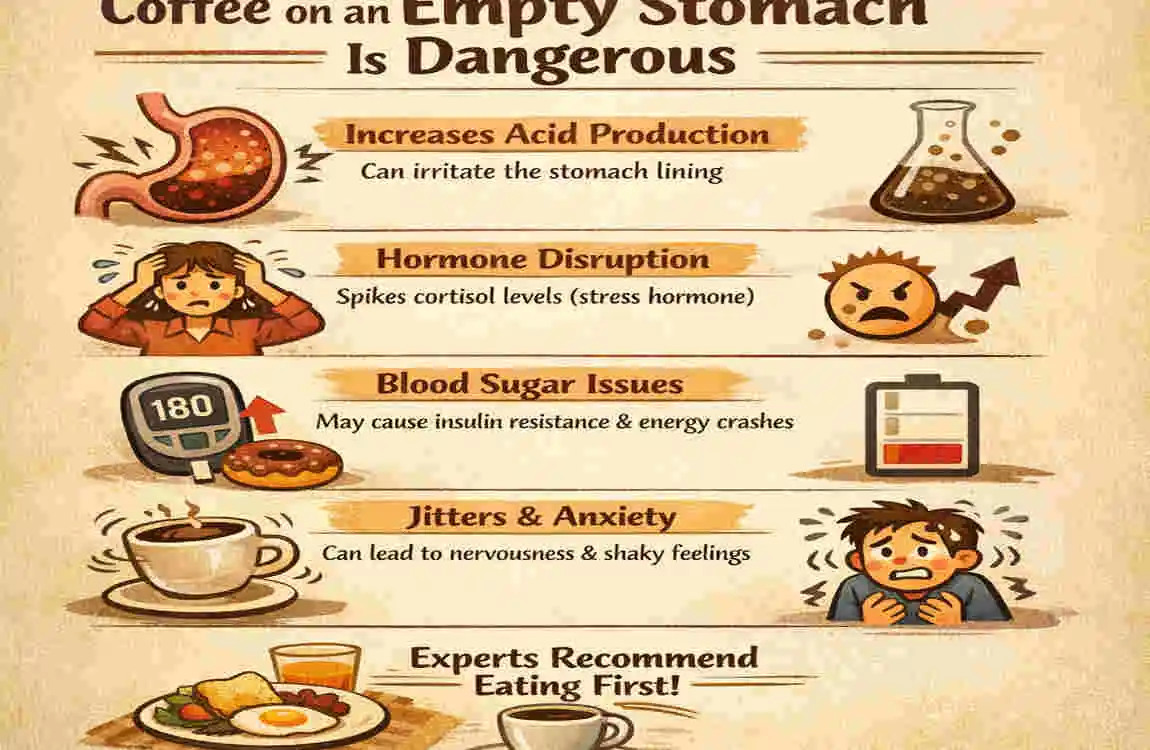
The concern isn’t imaginary—coffee on an empty stomach can trigger real symptoms for some people.
- More stomach acid, less “buffer”: Coffee can increase gastric acid production. Without food, that acid may feel harsher and can contribute to heartburn, reflux, bloating, or stomach discomfort in sensitive people.
- The cortisol “double-whammy”: Cortisol (your natural “get up and go” hormone) is typically higher in the morning. Adding caffeine during that peak can feel overstimulating—leading to jitters, anxiety, or a wired-but-tired feeling.
Some research links chronically elevated cortisol with health issues (like blood pressure and metabolic effects), but the practical takeaway for most people is simpler: timing + empty stomach can amplify caffeine’s edge.
What Actually Happens When You Drink Coffee First Thing (Especially at Home)
Here’s the typical timeline when you drink coffee immediately after waking—particularly if you drink it quickly while rushing around the clean house:
- First 15 minutes: Caffeine absorption begins. Empty stomach = faster, stronger hit.
- 30–45 minutes: Peak effects. You may feel a sharp lift in alertness (or jitters).
- 2–3 hours later: A “crash” can show up—sometimes tied to blood sugar swings, dehydration, or overdoing caffeine too early.
Often, it’s not that coffee is “bad”—it’s that your body wasn’t prepared (no hydration, no buffer, cortisol already high).
The At-Home Pre-Coffee Routine That Changes Everything

Instead of drinking coffee the moment you walk into the kitchen, try this simple at-home sequence:
- Wait 60–90 minutes after waking (if you can)
In that first window, cortisol is often naturally higher. Delaying coffee can reduce jitters for many people. - Do 2–5 minutes of light movement
Stretch, walk around the house, take the stairs—anything gentle. This helps circulation and can reduce that “slam caffeine to wake up” feeling. - Hydrate before coffee (keep it simple at home)
Drink a glass of water first. If you want the “upgrade,” try water with a tiny pinch of sea salt. Lemon water also works if you prefer the taste. - Optional small bite (easy pantry/fridge options)
If your stomach is sensitive, a small buffer can help: banana, yogurt, toast, a few nuts, or even a couple bites of oatmeal. - Coffee window: often best around 9–11 AM
Many people feel better when coffee comes after hydration + a little time awake.
Result: coffee feels more like steady fuel—and less like a stress test.
Why Salt Water Helps (A Practical At-Home Explanation)
A pinch of salt in water can help support electrolyte balance, which may improve how you feel when you introduce caffeine—especially if you wake up slightly dehydrated (common overnight).
At home, keep it realistic:
- Use a small pinch, not a “salty drink.”
- If that’s unpleasant, plain water is still a win.
Many “coffee sensitivity” complaints improve simply by hydrating before the first cup.
Coffee Quality Matters More Than You Think (Even at Home)
Not all coffee affects your stomach the same way. Lower-quality beans often contain mycotoxins, mould, and higher acid levels that can irritate an empty stomach.
Higher-quality, properly processed beans, especially organic coffee that’s free from contaminants, tend to be less acidic and easier on your digestive system. Choosing reputable coffee brands that focus on clean processing, like Balance Coffee, makes a significant difference.
Dark roasts are also gentler on an empty stomach than light roasts because the roasting process reduces acidity levels.
Signs you’re drinking quality coffee:
-
- Clear origin information and roast date
- Less stomach irritation
- Smoother energy without crashes
- No bitter aftertaste or burning sensation
What to Add (and Avoid) in Your At-Home Morning Coffee
If you want steadier energy, skip sugar-heavy add-ins that can create a spike → crash.
Better additions for a more balanced cup at home:
| Add This | Why It Helps |
|---|---|
| Collagen powder | Adds protein support; some find it gentler on the stomach |
| Unsweetened milk/plant milk | Adds a buffer without a sugar spike |
| MCT oil (start with 1 tsp) | Can feel like steadier energy for some (too much may upset stomach) |
| Cinnamon | Adds flavor and sweetness without sugar |
Individual Tolerance: Your Body Is the Best “At-Home” Test
Studies can’t capture how different people are. Some can drink black coffee immediately and feel great. Others feel nauseous after a few sips.
Signs coffee on an empty stomach isn’t working for you:
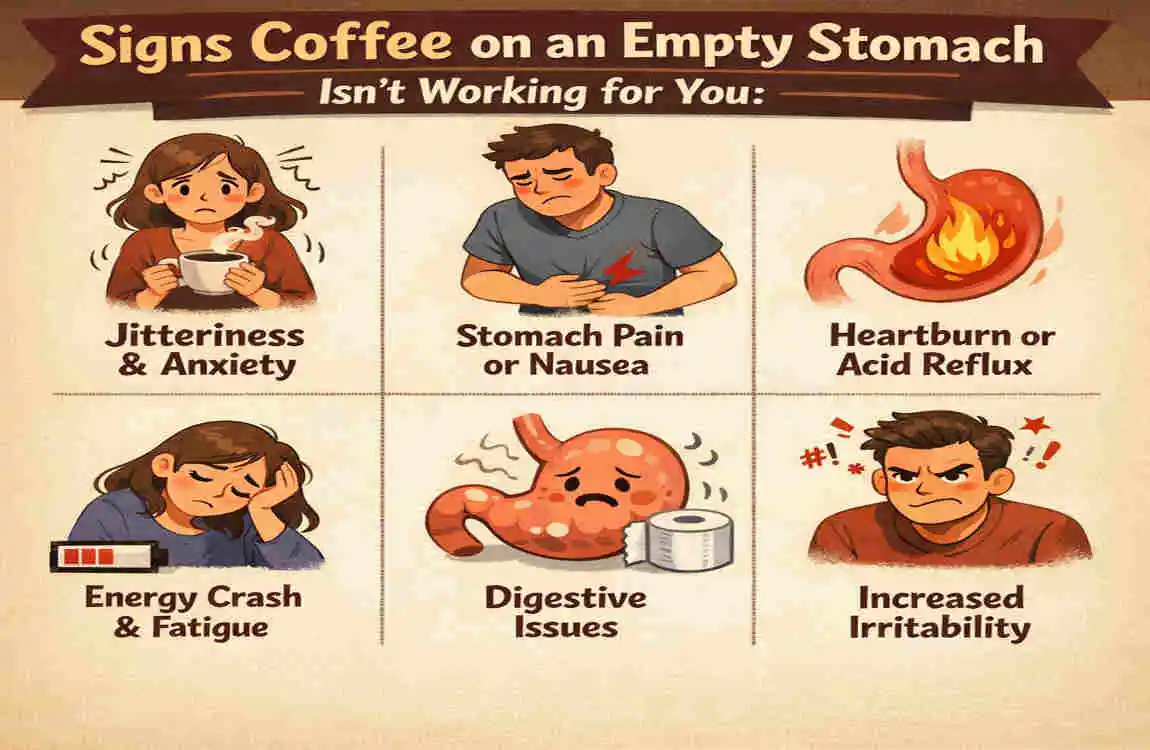
- Jitters or anxiety
- Nausea, stomach pain, reflux
- Energy crash within 2–3 hours
- Irritability or feeling “wired but tired”
If these happen consistently, the timing + hydration + small snack approach is worth trying for a week.
Best Times to Drink Coffee (Based on Daily Rhythm)
Many people do best when they avoid coffee during typical cortisol peaks and aim for calmer windows.
- Common “avoid” windows: ~8–9 AM, ~12–1 PM, ~5:30–6:30 PM
- Often better windows: 9:30–11:30 AM, and 2–4 PM (if you tolerate afternoon caffeine)
If coffee affects your sleep, keep your last cup earlier (many people aim for 8–10 hours before bedtime).
Common At-Home Mistakes That Make Morning Coffee Worse
- Drinking coffee immediately upon waking (stronger hit + more jitters for some)
- Skipping water (dehydration can amplify side effects)
- Using harsh, low-quality beans (more irritation for sensitive stomachs)
- Adding lots of sugar or sweet creamers (blood sugar swings)
- Drinking it too fast (a slower sip can feel noticeably smoother)
When Coffee on an Empty Stomach Might Not Work for You
You may need extra caution (or a different timing strategy) if you have:
- GERD/reflux, ulcers, IBS
- High anxiety or panic symptoms
- Chronic stress and poor sleep
- A history house of feeling unwell with caffeine
In those cases, try: water first, food buffer, smaller dose, later timing, or consider switching the first drink to tea.
FAQs (Home-Morning Edition)
Is it really bad to drink coffee first thing at home without eating?
Not necessarily. For many people it’s fine, but empty stomach + fast caffeine absorption can cause jitters or stomach upset. Hydrating first (even just water) and/or having a small bite can reduce issues.
Should I worry about coffee on an empty stomach?
For most people, no. If you get symptoms (reflux, nausea, jitters, crashes), adjust timing, hydration, and coffee strength at home before assuming coffee is the problem.
Why does coffee on an empty stomach make me feel jittery or weird?
Caffeine blocks adenosine (a “sleepy” signal). On an empty stomach it hits faster, and if cortisol is already high in the morning, the combined stimulation can feel like overdrive.
Quick check: what do you mean by “home relevant”?
If you tell me where this will be published (home décor site, home remedies blog, “home lifestyle” category, or a local home page), I can tailor the tone and add/remove sections (e.g., home brewing methods, pantry snack ideas, kitchen routine checklist) to match your exact audience.