Is a 5/12 Roof Pitch Common
Roofing

Is a 5/12 Roof Pitch Common? Discover Its Popularity, Pros & Everyday Uses in Modern Homes

If you want the quick and straightforward answer, it is a resounding yes! A 5/12 roof pitch is incredibly common in modern homes. In fact, it is widely valued by homeowners, architects, and roofing contractors alike for its perfect balance of functionality, cost savings, and undeniable aesthetic appeal.

When you dive into roofing, the terminology can sometimes feel overwhelming. Just as a professional content writer must carefully plan their approach to ensure their final product is both engaging and structurally sound , you must plan your home’s roof structure with the same level of care. You need a design that not only looks fantastic but also stands up to the elements. That is exactly where the moderate roof slope of a 5/12 pitch shines.

What Is a 5/12 Roof Pitch?

Is a 5/12 Roof Pitch Common

Before we can fully answer the question, “is a 5 12 roof pitch common,” we first need to define exactly what those numbers mean.

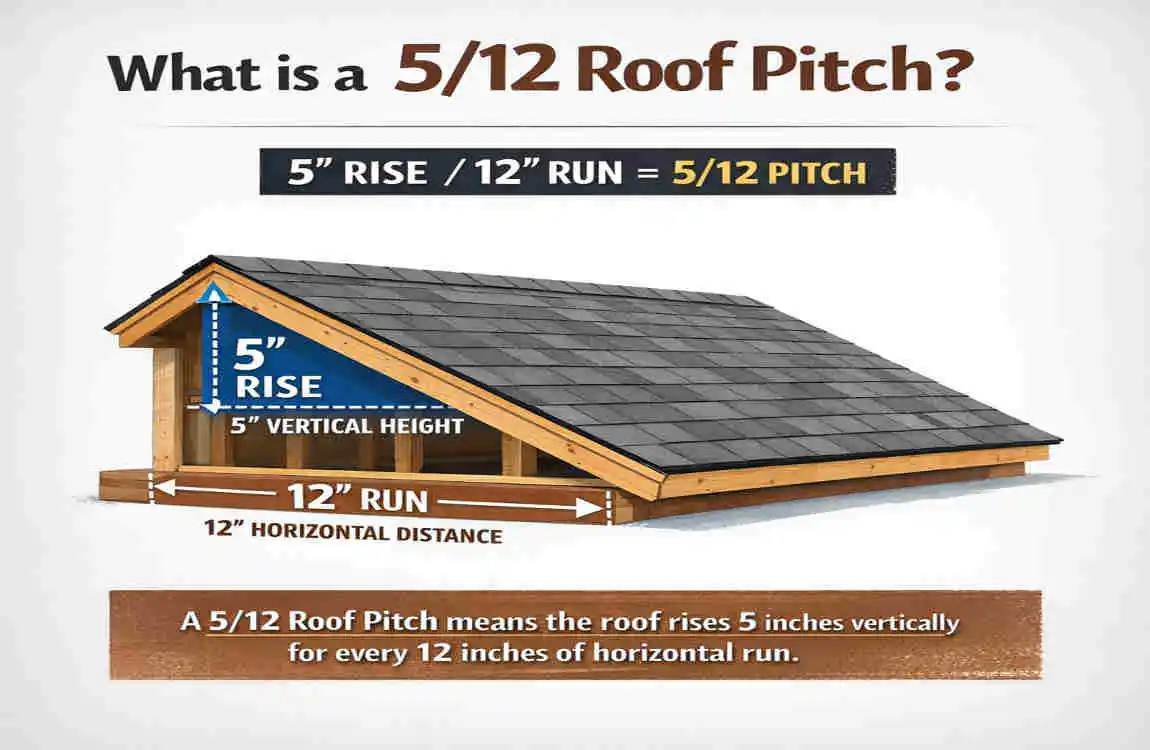
In the roofing world, “pitch” refers to the steepness or slope of your roof. It is calculated using a classic mathematical ratio: rise over run. The “run” is always a standard 12 inches (one foot) of horizontal distance. The “rise” is how many inches the roof goes up vertically within that 12-inch horizontal span.

Therefore, a 5/12 roof pitch means that for every 12 inches your roof extends horizontally, it rises 5 inches vertically.

Breaking Down the Math

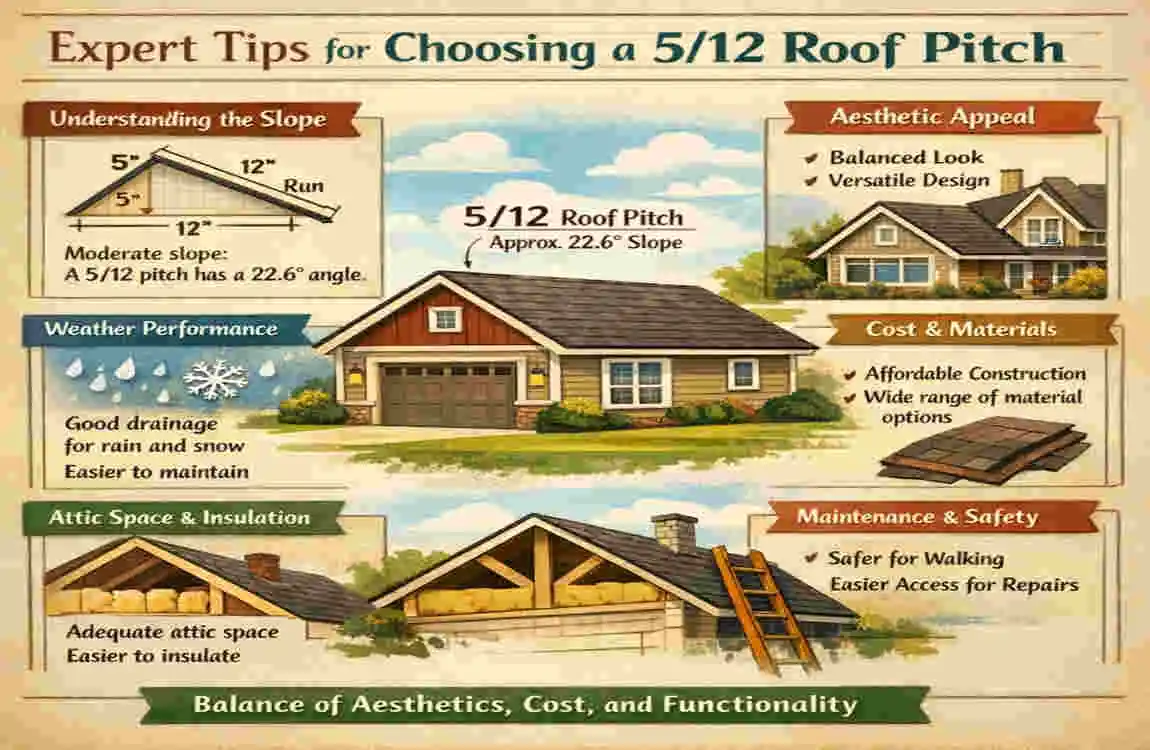
To put this into a perspective that is easy to visualize, let’s look at the conversions. When you convert that 5/12 ratio into an angle, it equates to approximately 22.6 degrees.

If you prefer to think in percentages, a 5/12 slope translates to a 41% grade.

These numbers represent a moderate roof slope. It is steep enough to look like a traditional sloped roof, but gentle enough that it doesn’t form the sharp, towering peaks you might see on a Gothic-style Victorian home.

How to Measure Your Roof Pitch

You don’t need to be a seasoned contractor to figure out your roof’s pitch. If you are comfortable climbing a ladder, you can measure it yourself using a few basic tools.

Here is a simple, step-by-step method:

  1. Gather your tools: a 12-inch level, a tape measure, and a pencil.
  2. Get into position: Carefully position yourself safely on a ladder at the edge of your roof, or work from inside your unfinished attic space beneath a rafter.
  3. Place the level: Hold the 12-inch level perfectly horizontally (make sure the bubble is centered). Place one end of the level against the roof surface.
  4. Measure the gap: Using your tape measure, measure the vertical distance from the free-floating end of the 12-inch level straight down to the roof surface.
  5. Calculate: If that vertical measurement is 5 inches, congratulations! You have a 5/12 pitch.

Alternatively, if heights aren’t your thing, several smartphone apps today let you estimate your roof pitch from the ground using your phone’s camera!

Visualizing the Slope: Flat vs. Steep

To truly understand why the 5/12 is so beloved, it helps to compare it to the extremes.

Imagine a nearly flat roof with a 2/12 pitch. This roof is practically horizontal, often found on commercial buildings or ultra-modern minimalist homes. It requires special waterproof membranes because water drains very slowly.

On the other end of the spectrum, picture a steep 12/12 pitch. This roof rises 12 inches for every 12 inches across, creating a sharp 45-degree angle. It dominates the visual profile of the house, like a classic A-frame cabin.

The 5/12 sits comfortably in the middle. It provides the cozy, traditional house shape we all recognize, but without dominating the architectural profile or making the roof perilous to walk on.

Understanding the Pitch Factor (1.08 Multiplier)

When you are buying materials or calculating home roofing materials costs, contractors use something called a “pitch factor” or “pitch multiplier.” Because a sloped roof has more surface area than a flat footprint, you have to account for that extra space.

For a 5/12 roof, the pitch multiplier is roughly 1.08. If the flat square footage of your home is 1,000 square feet, you multiply 1,000 by 1.08 to find the actual square footage of the roof surface (1,080 square feet). This helps you accurately estimate how many shingles or metal panels you will need to purchase.

Is a 5/12 Roof Pitch Common in Modern Construction?

So, we return to our focus keyword question: is a 5 12 roof pitch common?

Yes, it is remarkably common! If you take a drive through any modern American suburb, you will be surrounded by 5/12 roofs.

The standard range for conventional residential roofing is between 3/12 and 9/12 pitch. Within this range, pitches of 4/12, 5/12, and 6/12 are widely considered the reigning champions for homes outfitted with asphalt shingles.

Just as a successful content writer knows that a conversational, informal tone engages the widest audience , builders know that a 5/12 pitch appeals to the vast majority of homebuyers. It is approachable, practical, and highly versatile.

Why is it So Popular?

The popularity of the 5/12 roof comes down to its incredible balance. It is a staple in both residential and light commercial construction because it hits the “sweet spot” of affordability and performance.

When a roof gets steeper than a 6/12, it becomes much more dangerous for roofers to walk on. They require specialized safety harnesses and equipment, which slows work and significantly increases labor costs. Because a 5/12 roof is generally considered walkable, labor is faster, easier, and cheaper.

Furthermore, because it is not overly steep, it requires less framing lumber and less roofing material.

Regional Trends: Where Do You See It Most?

While the 5/12 roof pitch is found everywhere, it is especially common in moderate climates. You will see millions of these roofs spanning across the Sunbelt, the Pacific Northwest, and middle America.

It provides excellent water runoff for rainy spring seasons and can handle moderate, occasional snowfall with ease. However, in regions known for extreme, heavy blizzards (like the deep mountains of Colorado or the harsh winters of upstate New York), you might see steeper pitches (like 7/12 or 8/12) designed specifically to dump heavy snow loads as quickly as possible.

Roof Pitch Popularity Comparison

To give you a better idea of how the 5/12 stacks up against the competition, take a look at this helpful comparison table:

Pitch Ratio Common Everyday Use Popularity Level

3/12 Low-slope commercial buildings, mid-century modern homes, patios. Medium

5/12 Standard residential homes, garages, home additions. High

7/12 Homes in heavy snow-prone areas, classic colonial designs. Medium-High

12/12 Steep traditional styles, A-frame cabins, Victorian homes. Low

As you can see, when it comes to everyday residential living, the 5/12 takes the crown for high popularity.

The Undeniable Pros of a 5/12 Roof Pitch


Why do builders and homeowners continually gravitate toward this specific moderate roof slope? The benefits are numerous. Professional writers craft content that is readable, engaging, and informative, providing value to their readers. In the same way, builders choose a 5/12 pitch to provide homeowners with maximum value, safety, and longevity.

Here is a deep dive into the 5/12 roof pros.

Incredibly Cost-Effective to Build and Replace

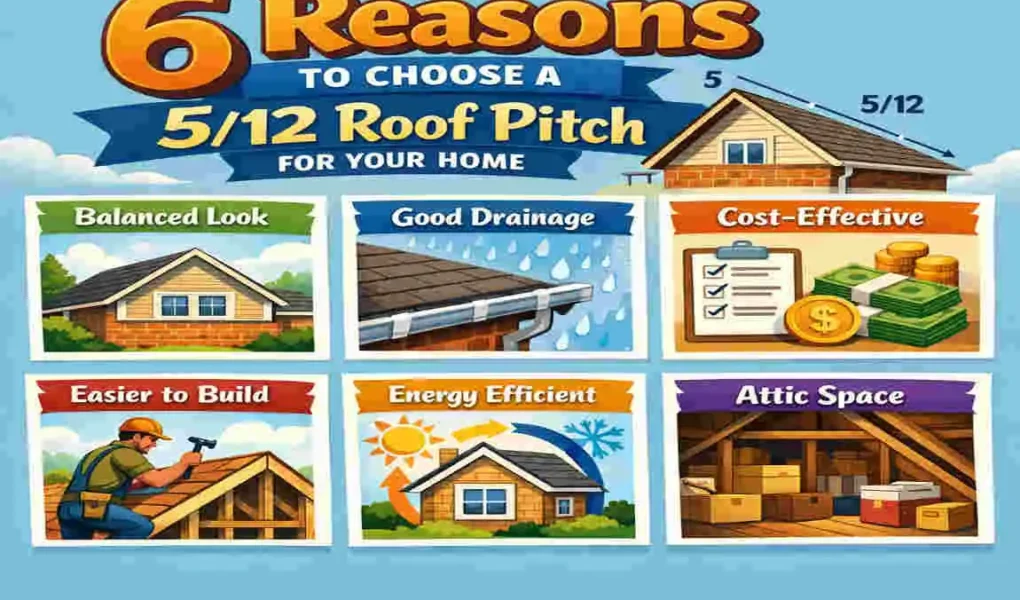
If you are building a new home or replacing an old roof, your budget is likely top of mind. A 5/12 pitch is one of the most cost-effective roof designs you can choose.

Because the slope is moderate, it requires significantly less structural lumber (rafters and trusses) than a steep 10/12 or 12/12 roof. Less wood means less money spent at the lumber yard.

Furthermore, as we mentioned earlier, the surface area is smaller. A steeper roof covers the same floor plan but requires far more shingles to complete the steep vertical climb. By choosing a 5/12, you can expect to pay 20% to 30% less for building materials and labor than with a highly steep alternative like a 12/12.

Efficient Water Drainage

Water is the natural enemy of any home. If water pools on a roof, it will eventually seep inside, leading to mold, rot, and catastrophic structural damage.

Flat roofs (or very low-slope roofs like 1/12 or 2/12) are notorious for water pooling issues when their drainage systems aren’t properly maintained. A 5/12 roof pitch naturally utilizes gravity to its advantage. The 22.6-degree angle is more than steep enough to ensure that rainwater swiftly cascades down into your gutters, keeping your shingles and underlayment perfectly dry and secure.

Highly Walkable for Easy Maintenance

Eventually, someone will have to get up on your roof. Whether it is a contractor inspecting for hail damage, a professional cleaning out your gutters, or you putting up holiday lights, walkability matters.

The roofing industry generally considers pitches between 3/12 and 6/12 to be “walkable.” While safety precautions (like proper footwear and care) are always necessary, a person can generally stand and walk comfortably on a 5/12 pitch without feeling like they will slide right off.

This ease of access translates to cheaper maintenance calls. Roofers don’t have to charge you extra for specialized steep-slope safety rigging.

Versatility in Roofing Materials

Some roof pitches limit your material choices. For example, standard asphalt shingles cannot be installed on a flat roof, as water would seep right under them.

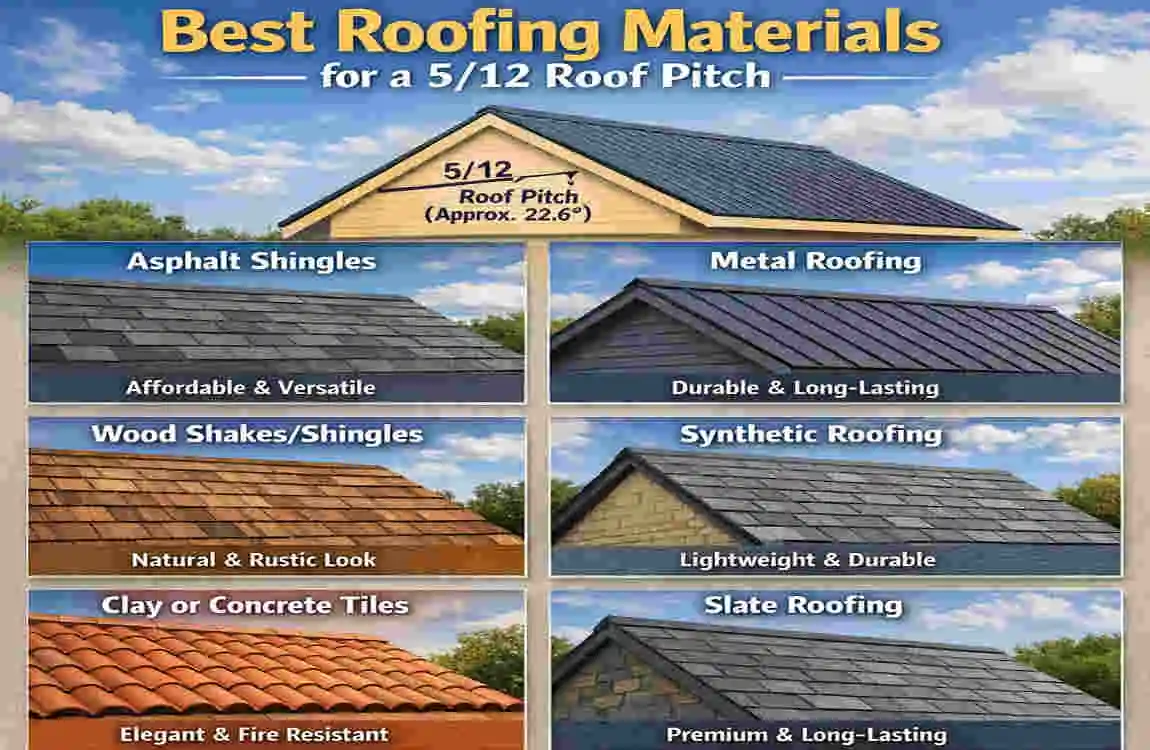
A 5/12 pitch is incredibly versatile. It comfortably accommodates almost every mainstream roofing material on the market today. You can freely choose between:

  • Traditional 3-tab asphalt shingles
  • Premium architectural shingles
  • Standing seam metal roofing
  • Corrugated metal panels
  • Composite and synthetic slate tiles
  • Wood shakes

Summary List of 5/12 Roof Pros

To recap, here is why a 5/12 pitch is a massive win for homeowners:

  • Affordable build: Saves you 20-30% on labor and materials compared to steeper 12/12 options.
  • Aesthetic balance: Provides beautiful, traditional curb appeal without overpowering the home’s facade.
  • Longer lifespan: The moderate angle reduces extreme wind resistance and weathering, extending the life of your materials.

Cons and Limitations to Keep in Mind

We’ve established the answer to “is a 5 12 roof pitch common,” and we’ve praised its benefits, but no architectural design is entirely flawless. To give you the full picture, we must also discuss the limitations of a moderate roof slope.

Moderate Snow Shedding Capabilities

If you live in a climate that receives feet of snow at a time, a 5/12 pitch might require some extra attention.

Steep roofs are designed so that heavy snow automatically slides off under its own weight. A 5/12 pitch is gentle enough that heavy, wet snow will likely sit on top of the roof.

While modern roof trusses are engineered to easily support this weight, the danger comes from ice dams. As snow melts and refreezes at the edge of the roof, it can force water backward under your shingles.

Mitigation Tip: If you live in a snowy region with a 5/12 roof, ensure your roofer installs a high-quality “ice and water shield” underlayment along the eaves and valleys to prevent moisture intrusion.

Vulnerability in High Winds

In hurricane-prone areas, roof pitch plays a major role in aerodynamics. Extremely steep roofs act like sails, taking the full brunt of horizontal winds. Extremely flat roofs experience severe “uplift,” where the wind acts like an airplane wing, trying to suck the roof right off the house.

A 5/12 sits in the middle, but it can still be vulnerable to strong wind uplift if not properly secured.

Mitigation Tip: Ensure your contractor uses robust hurricane ties, high-wind-rated shingles, and proper nailing techniques to securely anchor the roof to the walls.

Limitations with Heavy Tiles

While a 5/12 is incredibly versatile for most materials, some heavy clay tiles, concrete tiles, or genuine slate materials have strict minimum pitch requirements. Some heavy tiles require at least a 6/12 pitch to ensure proper water shedding and to handle the immense weight distribution. Always check the manufacturer’s guidelines before falling in love with a specific heavy tile for a 5/12 roof.

Everyday Uses in Modern Home Designs

Is a 5/12 Roof Pitch Common

When you understand the versatility of this pitch, it becomes easy to see why it dominates modern housing developments. Let’s look at how this slope is utilized in everyday architecture.

The Perfect Choice for Home Additions and Garages

If you are adding a new room to your existing home, or building a detached garage, a 5/12 pitch is often the go-to choice for architects.

Why? Because it easily ties into the existing roofline. It is low-profile enough not to block second-story windows, yet steep enough to match the main house’s aesthetic. For detached garages, a 5/12 pitch provides a clean, unobtrusive look that blends seamlessly into the backyard environment while providing enough interior headroom to hang bikes or store holiday decorations above the rafters.

A Staple of Ranch-Style and Minimalist Houses

The classic American Ranch-style house is famous for its long, low, horizontal footprint. A steep roof would look completely out of place on a Ranch home, making it look top-heavy. The 5/12 is the quintessential pitch for these sprawling, single-story homes, complementing their wide profiles perfectly.

Furthermore, contemporary and minimalist architectural designs heavily favor the 5/12. It offers clean, sharp lines without drawing too much attention to itself. It keeps the focus on the home’s siding, windows, and landscaping.

Ideal for Eco-Homes and Solar Panel Integration

Here is a modern benefit you might not have considered: a 5/12 roof pitch is absolutely brilliant for solar panels!

To capture the maximum amount of sunlight throughout the day, solar panels generally need to be angled between 20 and 30 degrees (depending on your latitude). Remember the math from earlier? A 5/12 pitch is 22.6 degrees.

This means that on many homes, solar panels can be mounted flush directly against a 5/12 roof. They don’t require ugly, expensive, tilted racking systems to catch the sun. They look sleek, integrated, and highly modern.

A Quick Cost Breakdown

When planning your budget, the moderate slope of a 5/12 keeps things highly manageable. On average, standard asphalt shingles and labor for a 5/12 pitch will run you between $5.00 and $8.00 per square foot (though this varies widely by local market, inflation, and the specific materials chosen). Because it is highly walkable and easy to install, labor costs stay on the lower end of the roofing spectrum.

5/12 vs. Other Pitches: Making the Right Choice

Is a 5/12 Roof Pitch Common

To ensure you are making the best decision for your home, it helps to see how the 5/12 stacks up directly against its closest neighbors.

Content writers often use a blended approach to achieve the best results, relying on AI for initial frameworks and human intuition for fine-tuning. Similarly, choosing a roof pitch is a blend of practical engineering needs and personal aesthetic preferences.

Head-to-Head Comparison

AspectThe 5/12 PitchThe 6/12 PitchThe 12/12 Pitch

Overall Cost Low (Very budget-friendly) Medium (Slightly more materials/labor) High (Requires special safety gear)

Water Drainage Good Better Excellent

Usable Attic Space Ample for basic storage Good for moving around Limited (tall but very narrow)

Build Ease High (Highly walkable) Medium (Borderline for safe walking) Low (Dangerous, requires staging)

When to Choose Each Pitch

  • Choose the 5/12 if: You want the most cost-effective, versatile, and easily maintainable roof possible. It is perfect for standard climates, classic suburban aesthetics, and future solar panel installations.
  • Choose the 6/12 if: you live in an area with slightly higher snowfall and want just a bit more gravity-assisted drainage, or if you prefer a slightly more prominent roofline from the street.
  • Choose the 12/12 if: You are building a specific architectural style (like a Victorian or a Chalet), you live in an area with massive, heavy snowstorms, or you want to build a vaulted loft space on the top floor of your home.

Frequently Asked Questions (FAQs)

Still have lingering questions? Here are some of the most common inquiries we get from homeowners.

Is a 5 12 roof pitch common in my neighborhood? Yes! As detailed throughout this guide, it is one of the most popular and common slopes used in residential construction across the country. Unless you live in a neighborhood strictly zoned for historic Victorian homes or flat-roofed modern art builds, you are likely surrounded by 5/12 roofs.

What are the best materials for a 5/12 pitch? Because it is a moderate slope, almost everything works. However, the most popular and cost-effective choice remains architectural asphalt shingles. They offer incredible durability, wind resistance, and visual depth. Standing seam metal is also a phenomenal, Premium choice that looks exceptionally sleek on a 22.6-degree angle.

How much does it cost to install a new roof on a 5/12 pitch? Because the roof is easily walkable and requires no specialized steep-slope safety equipment, you will save on labor. Expect to pay between $5.00 and $8.00 per square foot for standard asphalt replacement, making it one of the most budget-friendly pitches to maintain.

Is a 5/12 pitch suitable for my climate? For the vast majority of climates, yes. It sheds water efficiently during heavy rainstorms and can handle moderate snow. If you live in an area with heavy, extreme snowfall, consult a local contractor to determine whether upgrading to a 7/12 or adding heavy-duty ice and water shields is necessary.

You may also like...

Leave a Reply

Your email address will not be published. Required fields are marked *