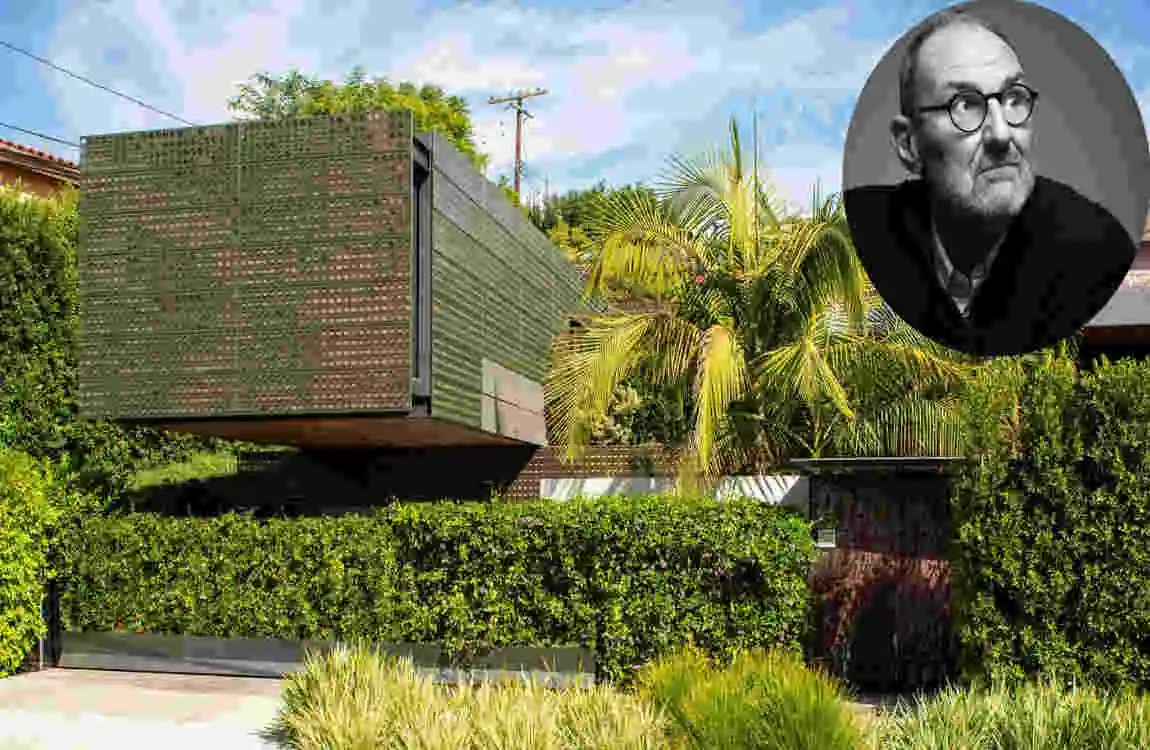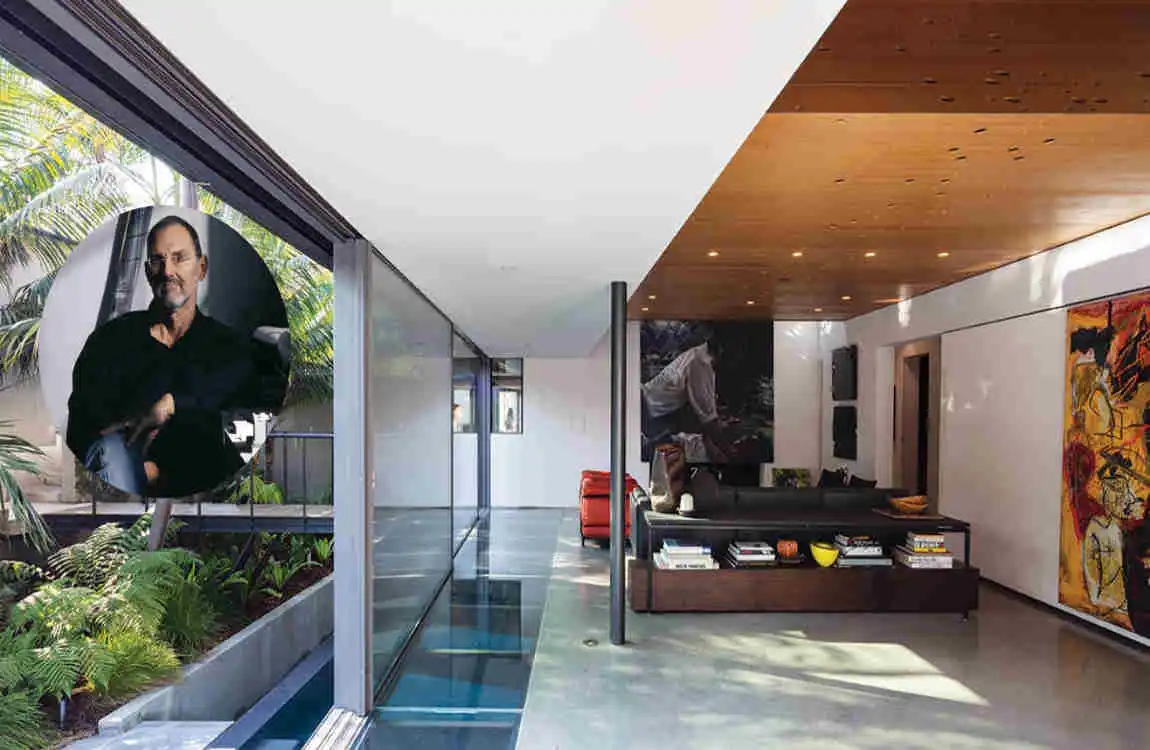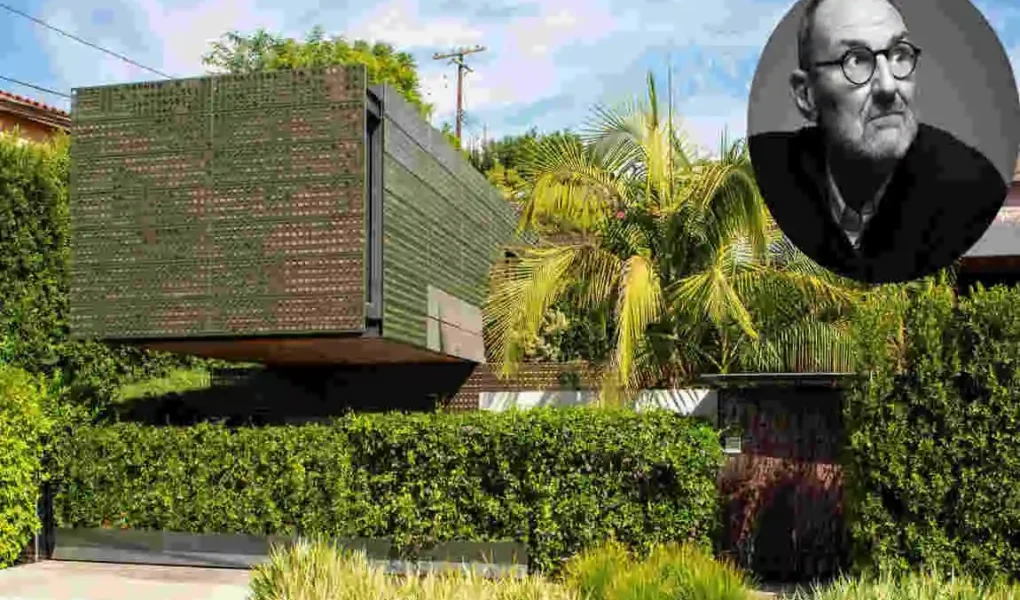
Thom Mayne is known for pushing architecture beyond the usual limits, and that is exactly why Thom Mayne’s House draws so much attention. It is not just a place to live. It is a clear example of how a home can become an idea, a statement, and a personal reflection of a designer’s mind.
| Category | Details |
|---|---|
| Full Name | Thom Mayne |
| Date of Birth | January 19, 1944 |
| Age | 82 (as of 2026) |
| Birthplace | Waterbury, Connecticut, United States |
| Nationality | American |
| Profession | Architect, Educator |
| Education | Bachelor of Architecture, University of Southern California; Master of Architecture, Harvard Graduate School of Design |
| Architectural Firm | Morphosis Architects (Founder and Design Director) |
| Known For | Experimental contemporary architecture, civic buildings, urban design |
| Major Awards | Pritzker Architecture Prize (2005), AIA Gold Medal (2013) |
| Marital Status | Married |
| Spouse | Blythe Alison-Mayne |
| Current Roles | Founder of Morphosis, educator, architectural researcher |
When people talk about modern architecture, they often mention clean lines, smart materials, and open spaces. But Thom Mayne takes those ideas further. His work often feels bold, experimental, and deeply connected to the way people actually use space. Thom Mayne’s House captures that spirit in a more personal form.
The Vision Behind Thom Mayne’s House
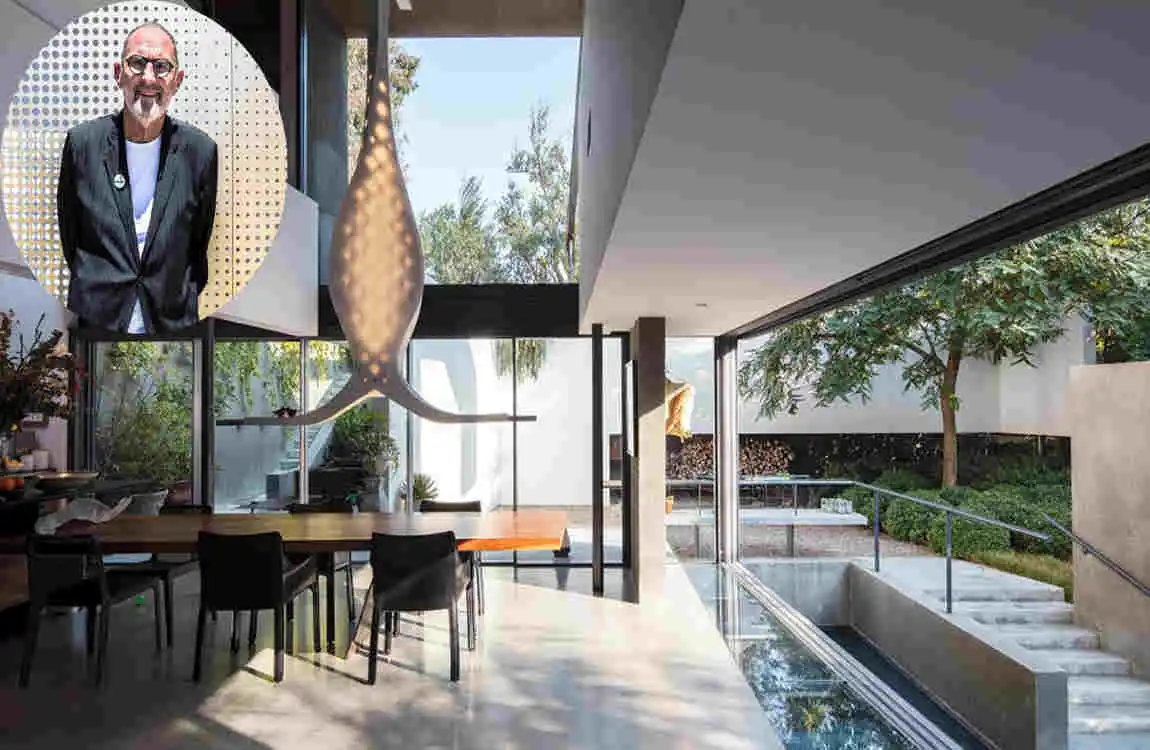
A home with a clear idea
The vision behind Thom Mayne’s House is not about simple comfort alone. It is about building a home that reflects curiosity, creativity, and freedom. The design seems to ask an important question: what can a house be when it is not limited by tradition?
Instead of following a predictable residential model, the modern house explores space more openly and expressively. It feels shaped by thought, not just by routine needs.
| Category | Details |
|---|---|
| House Name | Alison-Mayne House |
| Owner | Thom Mayne and Blythe Alison-Mayne |
| Location | Cheviot Hills, Los Angeles, California, USA |
| Exact Address | Not publicly disclosed for privacy reasons |
| Architect | Morphosis Architects, led by Thom Mayne |
| Architectural Style | Contemporary Modern / Experimental Modernist / Deconstructivist influences |
| Construction Completion | Structure completed in 2017; landscaping completed in 2021 |
| Site Size | Approximately 9,570 sq ft lot |
| Main House Size | Approximately 1,800 sq ft interior space |
| Total Built Area | Approximately 3,800 sq ft including guest wing and related structures |
| Guest Wing | Detached two-bedroom guest wing connected by bridge |
| Bedrooms | Primary sleeping loft plus guest accommodations |
| Special Features | Private canyon, lap pool, bridges, terraces, outdoor shower, rooftop solar panels, rainwater collection, radiant heating/cooling |
| Sustainability Features | Passive cooling, photovoltaic panels, cross-ventilation, water recycling systems, reduced footprint design |
| Estimated Property Value (2026) | Estimated $6–10+ million based on comparable luxury Cheviot Hills properties; no verified public valuation available |
Sustainability and innovation
A modern home today must do more than look good. It should also work efficiently. In that sense, Thom Mayne’s House fits into the broader movement toward smarter, more responsible design.
This can include ideas such as:
- better use of natural light
- energy-conscious systems
- durable building materials
- flexible spaces that reduce waste over time
The house reflects a careful balance between beauty and function. It does not treat sustainability as an afterthought. Instead, it becomes part of the design logic.
A personal expression
What makes the home especially interesting is how much it feels tied to Thom Mayne’s personality. It has the feel of someone who values independence, experimentation, and strong ideas.
Thom Mayne’s House is not meant to blend quietly into the background. It shows confidence. It also shows that a home can be both practical and deeply expressive at the same time.
Innovative Architectural Features of Thom Mayne’s House
Exterior design
The outside of Thom Mayne’s House is where its personality first becomes visible. Rather than relying on traditional shapes and decorative details, the home design often feels sharp, clean, and intentional. The structure may use strong geometric forms, layered surfaces, or unexpected angles to create visual tension.
Materials also matter a great deal. Thom Mayne’s architectural style often favors modern materials that feel honest and direct. That can include glass, metal, concrete, or a mix of textured surfaces. These choices help the house appear both modern and grounded.
The house may also engage thoughtfully with its setting. Some elements might stand out boldly, while others may respond carefully to light, views, or the surrounding environment. This mix of contrast and connection gives the design depth.
Interior design
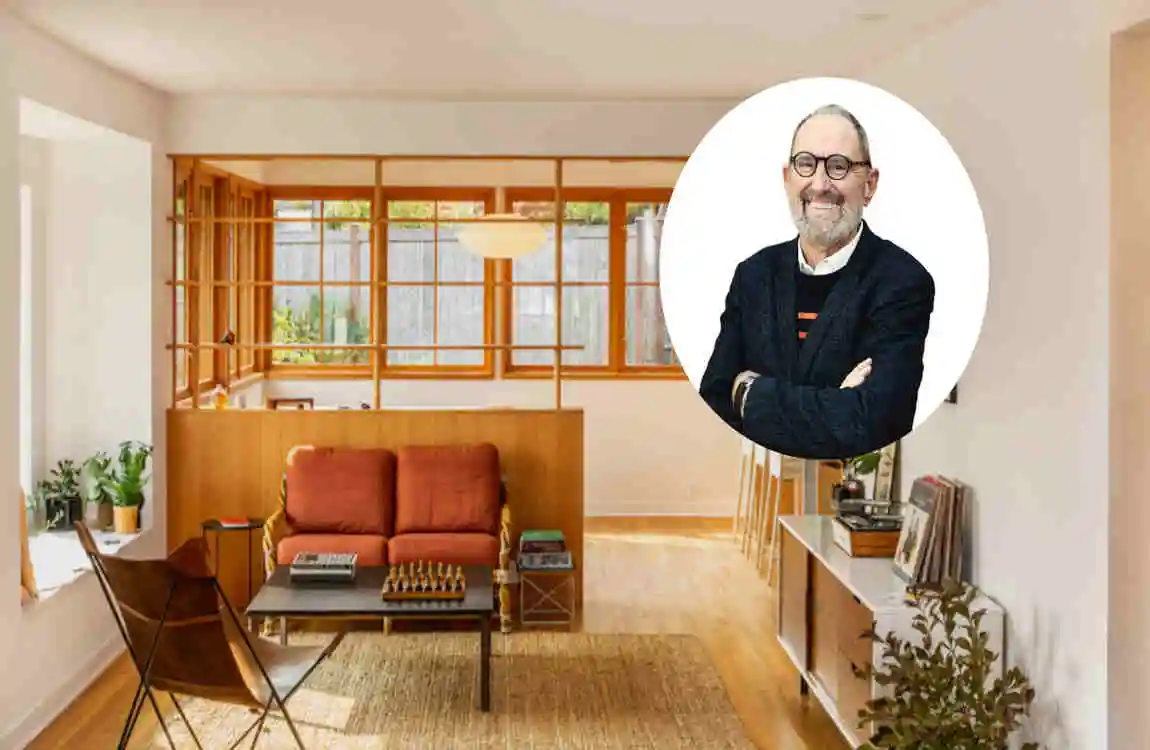
Inside Thom Mayne’s House, the layout usually aims for flexibility and flow. Rooms may feel open, connected, and shaped around daily movement. Rather than forcing a rigid plan, the interior may support different ways of living.
Light is often a major part of the experience. Large openings, carefully placed windows, and reflective surfaces can make the inside feel alive during the day. The result is a space that changes over time and with the weather.
Texture also plays an important role. Smooth surfaces may sit beside rougher ones, creating a rich visual balance. Even when the design is minimal, it often feels layered and thoughtful.
Technology integration
Modern architecture often depends on smart systems, and Thom Mayne’s House fits this direction well. A home like this may include:
- advanced climate control
- energy-saving systems
- smart lighting
- efficient ventilation
- automated controls for comfort and safety
These features are not only about convenience. They also help the home perform better and use resources more wisely. That is one reason the house feels so current. It combines architectural vision with practical intelligence.
Quick look at key features
Feature: What it adds. Why it matters
Bold exterior forms , strong visual identity , makes the house memorable
Open interior layout , flexible living space , supports comfort and flow
Natural light planning , Brighter rooms, Improves mood and efficiency
Smart systems , better control , support modern living
Material contrast , Rich visual texture , adds depth and character
How Thom Mayne’s House Represents a New Era in Architecture
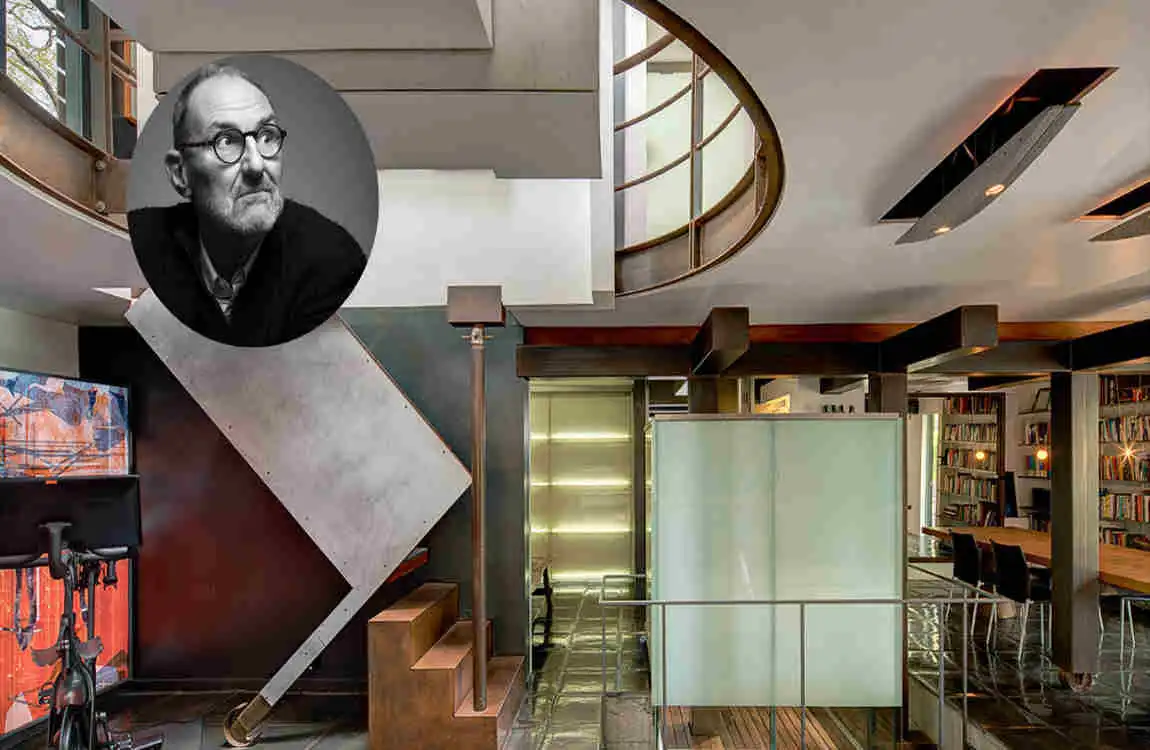
Breaking traditional norms
Many homes follow familiar rules: centered rooms, clear symmetry, and safe design choices. Thom Mayne’s House steps away from that comfort zone. It suggests that residential design can be more expressive and more experimental without losing function.
This is one reason the house stands out. It treats the home as a place for creative thinking, not just a private shelter.
Blurring boundaries
The house also blurs the line between art, architecture, and technology. It does not feel like a basic structure with decorative touches added later. Instead, the entire design seems to work as one complete idea.
That approach matters because it shows how modern homes can be more than useful buildings. They can become visual statements, emotional spaces, and technical achievements all at once.
Influence on future design
Even if not every home can follow this exact model, Thom Mayne’s House still offers an important lesson; it encourages future architects to be more open, more creative, and more willing to rethink familiar patterns.
The house suggests that modern residential design should not just copy the past. It should respond to present needs and future challenges. That is a powerful idea for the next generation of designers.
Thom Mayne’s House
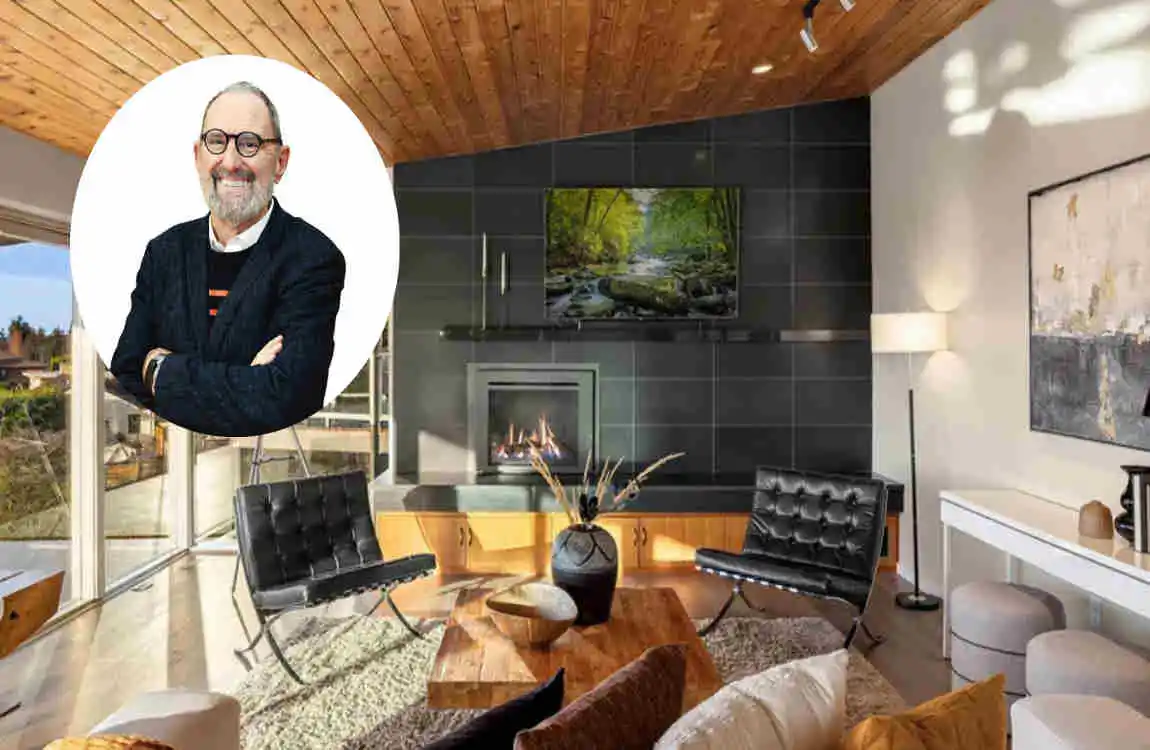
Compared with other iconic homes
When people think about famous houses, they often remember homes like Fallingwater by Frank Lloyd Wright. That house is known for its deep connection to nature. Similarly, Thom Mayne’s House stands out for its strong identity, but in a more modern, experimental direction.
Where Fallingwater celebrates harmony with the landscape, Thom Mayne’s work often emphasizes tension, movement, and new forms. Both are important in architectural history, but they represent different ways of thinking.
Historical meaning
In the broader history of residential architecture, Thom Mayne’s House belongs to a period where smart homes became more open to innovation. People began asking for buildings that could do more, adapt more, and express more.
This house fits into that shift. It shows that a residence can be a testing ground for ideas that later influence larger projects, public spaces, and even urban design.
The Public Reception of Thom Mayne’s House
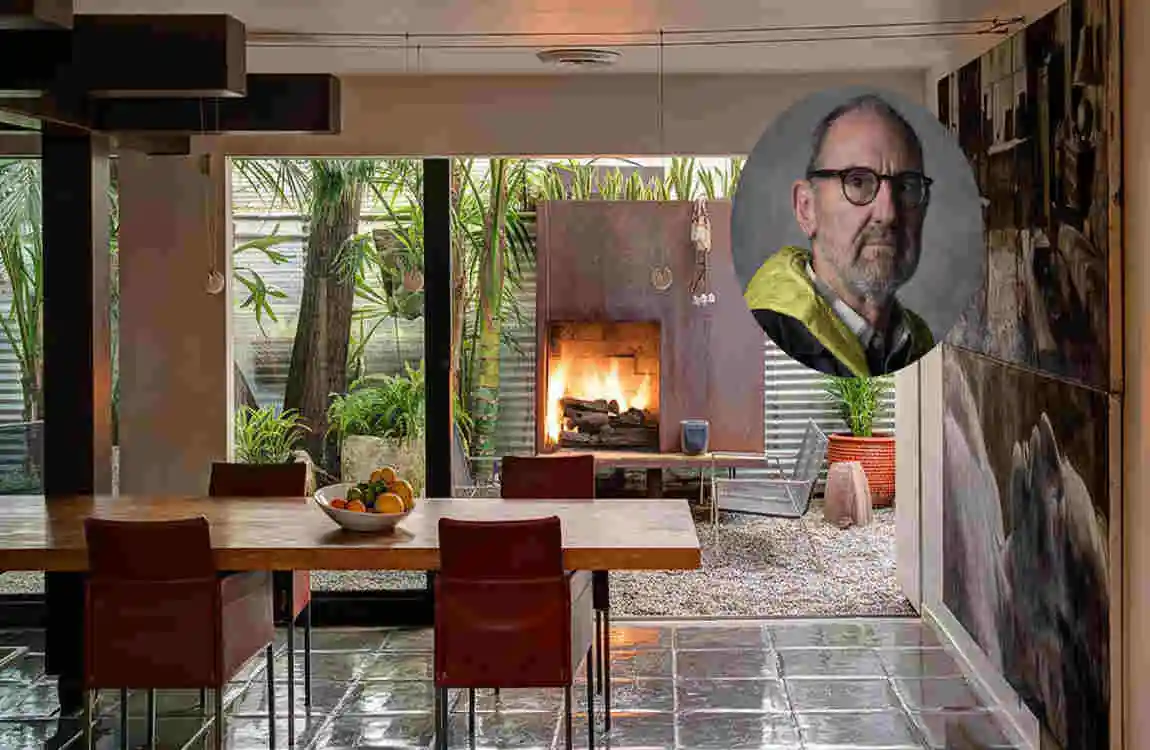
How architects and critics view it
Within the architectural community, Thom Mayne’s House is often seen as a strong example of design confidence. Critics tend to appreciate its originality and its challenge to routine thinking.
Some may find it bold or demanding, while others admire its clarity of purpose. That range of reaction is actually part of what makes it interesting.
Public reaction
The general public often responds to this kind of house in two ways. Some people are drawn to its modern look right away. Others need time to understand it. That is normal for architecture that breaks away from familiar styles.
Still, Thom Mayne’s House tends to leave an impression. It is the kind of home people remember because it feels different from the usual idea of domestic space.
Why Thom Mayne’s House Matters Today
More than a residence
Thom Mayne’s House matters because it shows that a home can carry meaning beyond daily use. It can speak about values, identity, innovation, and the future of home design.
In a time when many people want homes that feel personal yet efficient, this house offers useful inspiration. It reminds us that good design should be thoughtful, not just pretty.
What homeowners and designers can learn
There are a few simple lessons here:
- Be intentional with space.
- Use materials honestly.
- Let light and flow shape the home.
- Think about long-term value, not just first impressions.
- Allow home design to reflect personality.
These ideas are useful whether you are designing a building or simply trying to improve the space you live in. Thom Mayne’s House shows that strong design starts with a strong point of view.
FAQ: Thom Mayne’s House
Q Who is Thom Mayne?
A: Thom Mayne is a renowned American architect known for his innovative, contemporary designs and as the founder of the architectural firm Morphosis.
Q What is unique about Thom Mayne’s House?
A: Thom Mayne’s House showcases cutting-edge architectural innovation, blending technology, sustainability, and bold design elements that reflect his personal architectural philosophy.
Q Where is Thom Mayne’s House located?
A: Thom Mayne’s House is located in Los Angeles, California, embodying a modern aesthetic that integrates with its urban environment.
Q What architectural style does Thom Mayne’s House represent?
A: The house exemplifies deconstructivism and contemporary architecture, characterized by unconventional forms and dynamic structural elements.
Q Has Thom Mayne’s House received any awards or recognition?
A: While primarily known through Thom Mayne’s reputation, the house is often cited as a significant example of innovative residential architecture in design circles.
Q Can the public visit Thom Mayne’s House?
A: Thom Mayne’s House is a private residence and is generally not open to public tours.
Q How does Thom Mayne’s House incorporate sustainability?
A: The house uses energy-efficient systems, sustainable materials, and smart technology to minimize its environmental impact.
Where Does Thom Mayne’s Currently Live?
Thom Mayne, the American architect, is based in Los Angeles. More specifically, he and his wife recently relocated to Cheviot Hills, a neighborhood in Los Angeles. They are building a new home there on the site of the old house that belonged to science-fiction author Ray Bradbury, which they have been rebuilding for the past two years.
Thom Mayne’s House Photos