Building a small home sounds simple at first, but the numbers can change fast. If you are planning a 1000 sq ft house, the biggest question is usually the same: What is the material cost for a 1000 sq ft house?
The short answer is that it depends on location, design, material quality, and foundation needs. A basic home may use lower-cost materials, while a stronger or more finished home needs a bigger budget.
Average Material Cost for a 1000 Sq Ft House
Estimated Construction Material Cost Range
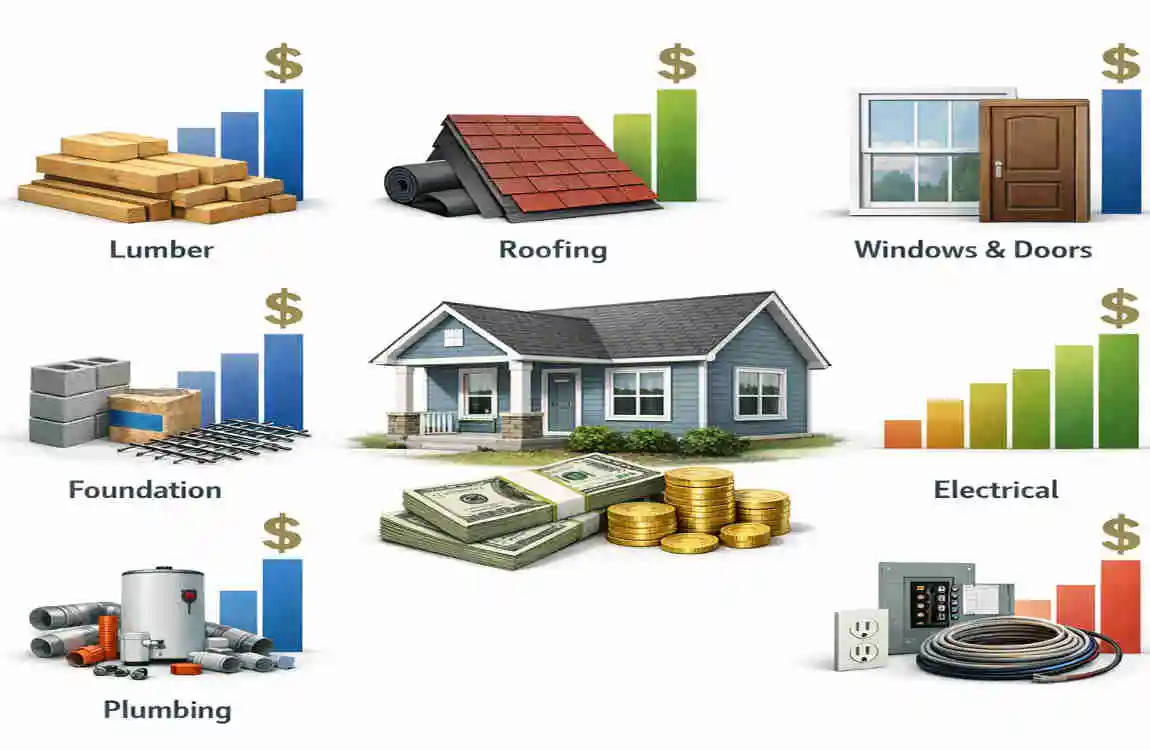
The cost of constructing a 1000 sq ft house varies based on the quality of materials you choose.
Here is a simple way to think about it:
- Basic materials: lower cost, simple finish, practical for tight budgets
- Standard materials: balanced quality and durability
- Premium materials: higher cost, better looks, longer life
A basic home may cost much less than a premium one because the materials are cheaper and the design is simpler. If you use better flooring, stronger steel, or high-end finishes, the budget rises quickly.
Location also matters. Prices in one city may be very different from prices in another. So, a good house material cost estimate always starts with local market rates.
Approximate Material Cost Breakdown Table
Material Category Estimated Cost Share
Cement 10–15%
Steel 15–20%
Bricks/Blocks 8–12%
Sand & Gravel 10–15%
Flooring & Tiles 8–12%
Doors & Windows 8–10%
Plumbing & Electrical Materials 10–15%
Paint & Finishing Materials 5–10%
This table gives you a simple idea of how the budget is usually split. Steel and cement often account for the largest share because they are key to the structure.
Factors That Affect Material Cost for a 1000 Sq Ft House
Location and Local Material Prices
Where you build matters a lot.
Material prices can change from city to city and from one region to another. If the place is far from suppliers, transport costs may raise the total price. Even basic items like sand, bricks, and cement can become expensive when delivery is added.
If you want a more accurate construction material price guide, always check local rates before you buy.
House Design and Layout
A simple design usually costs less. A single-floor home with a basic layout needs fewer materials and less labour.
But if you add balconies, terraces, extra wall lines, or fancy roof shapes, the budget goes up. More design detail means more steel, more concrete, and more finishing work.
Quality of Construction Materials
Material quality makes a big difference.
- Economy materials help reduce the first cost
- Standard materials offer balance
- Premium materials cost more but often last longer
If you choose low-quality materials to save money, you may end up spending more on repairs later. A smart choice is to focus on strength first and luxury later.
Type of Foundation Required
The foundation depends on the soil.
If the ground is soft or uneven, the modern house may need deeper footing, more concrete, and extra steel. That adds cost. A solid foundation is not the place to cut corners because it supports the whole house.
Major Materials Required for Building a 1000 Sq Ft House
Cement Requirement and Cost
Cement is used in many parts of the home.
It is needed for:
- Foundation
- Walls
- Roofing
- Plastering
The amount of cement depends on the structure and design. A simple home uses less cement than a home with stronger slabs, thicker walls, or more decorative work.
Steel Requirement and Cost
Steel gives strength to the house.
It is used in:
- Columns
- Beams
- Slabs
Since steel supports the structure, its quality matters a lot. Good steel may cost more, but it also improves safety and durability.
Bricks or Concrete Blocks
You usually have two main choices: traditional bricks or concrete blocks.
Bricks are widely used and often familiar to builders. Blocks can cover walls more quickly and sometimes reduce labour. The best choice depends on local price, design, and availability.
Sand and Gravel
These are small materials, but they play a big role.
They are used in:
- Concrete mixing
- Plaster work
- Flooring preparation
If the sand is of poor quality or the gravel is unclean, the house’s final strength may be compromised. So, even these simple materials should be chosen carefully.
Roofing Materials
Roofing can significantly affect the total budget.
An RCC roof needs more concrete and steel. A metal roof may cost less in some cases and install faster. The right choice depends on your climate, design, and budget.
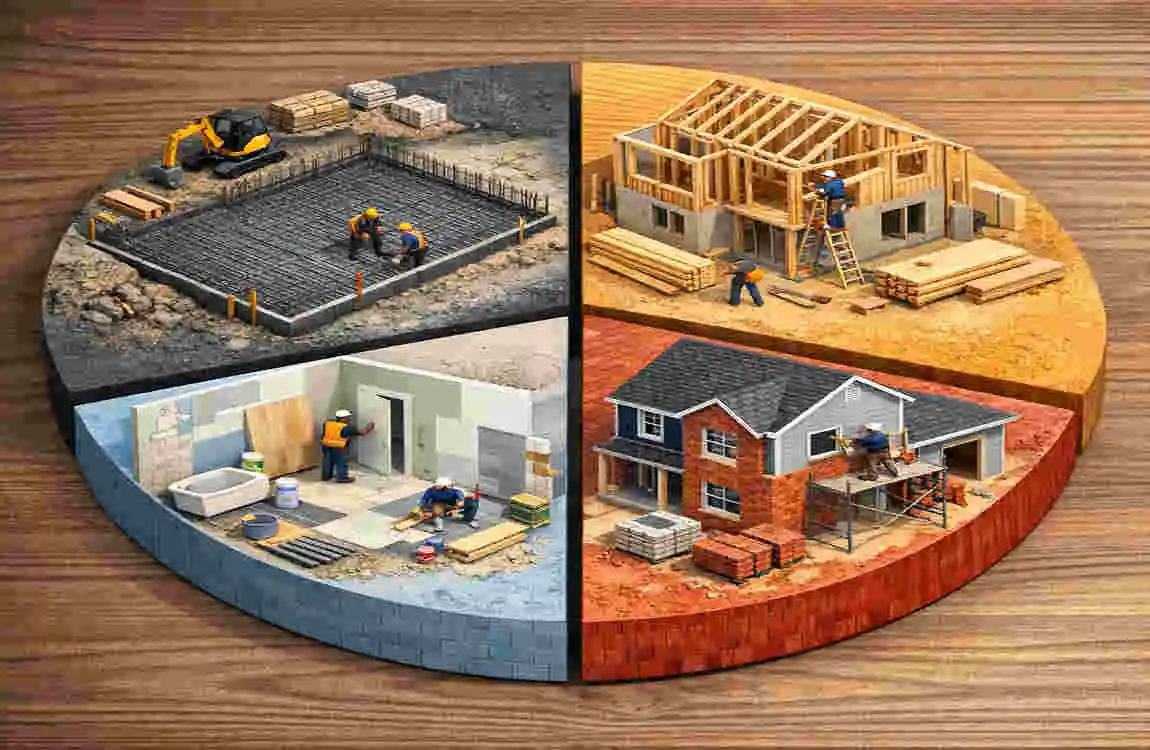
Material Cost Breakdown for Different Construction Stages
Foundation Material Cost
The foundation is one of the most important parts of the home.
Common materials include:
- Cement
- Steel reinforcement
- Sand
- Gravel
- Concrete
A strong foundation may seem expensive at first, but it protects the entire house.
Wall Construction Material Cost
Walls use the bulk of bricks or blocks.
You will also need mortar and cement plaster. Wall cost depends on wall thickness, wall height, and the type of block or brick you choose.
Roof Slab Material Cost
The roof slab needs strong support.
You need:
- Reinforcement steel
- Concrete
- Waterproofing materials
If you want a stronger, longer-lasting roof, this stage requires careful planning.
Electrical and Plumbing Materials
These are often forgotten in early budgeting, but they are essential.
You may need:
- Pipes
- Wiring
- Switches
- Fixtures
- Drainage materials
These items may not look as costly as steel or cement, but they add up quickly.
Interior and Exterior Finishing Materials
Finishing is where the home starts to look complete.
This includes:
- Tiles
- Paint
- Doors
- Windows
- Ceiling materials
If you choose premium finishes, the budget rises fast. If you want to save money, keep the finishing simple and practical.
How to Calculate Material Cost for a 1000 Sq Ft House
Step-by-Step Calculation Method
Here is a simple way to estimate your budget:
- Determine built-up area
- Select the construction quality level
- Estimate required materials
- Check current market prices
- Add transportation and wastage costs
This method gives you a basic estimate before you start buying.
Basic Construction Cost Formula
Total Material Cost = Built-up Area × Material Cost Per Sq Ft
For example, if your material cost is ₹1,000 per sq ft, then a 1000 sq ft home may cost around ₹10,00,000 in materials alone.
This formula is useful for early planning, but you should still confirm with local prices.
Ways to Reduce Material Costs When Building a 1000 Sq Ft House
Choose an Efficient House Design
A simple design is often the cheapest.
Avoid extra corners, heavy decorative shapes, and complex roof structures. A practical layout saves materials and labour.
Buy Materials in Bulk
Buying in larger quantities can reduce the per-unit rate.
This works well for items like cement, steel, tiles, and blocks. Bulk buying also helps avoid repeated transport charges.
Compare Local Suppliers
Do not buy from the first supplier you find.
Get a few price quotes and compare them. Small price differences can create big savings across the full project.
Avoid Material Wastage
Poor storage and poor planning cause waste.
Keep materials dry, count items before purchase, and use a proper schedule. Less waste means more savings.
Hire Experienced Professionals
Skilled workers can save money by reducing mistakes.
They know how to use materials properly, which lowers repair costs and rework.
Common Mistakes That Increase House Material Costs
Poor Planning Before Construction
If you keep changing the design during construction, the budget will rise.
Every change affects material quantity, labour, and time.
Choosing Low-Quality Materials
Cheap materials may seem like a smart way to save money. But if they break down early, you pay twice.
A better choice is to balance price with durability.
Ignoring Market Price Changes
Material prices can rise quickly.
If you wait too long to buy, your budget may no longer be enough.
Not Creating a Construction Budget
A budget is not optional.
Without one, it becomes hard to track spending or control the final cost.
Tips for Planning a 1000 Sq Ft House Construction Budget
Create a Detailed Material List
List every major item before you start buying.
This helps you avoid missing key materials and makes your budget more accurate.
Keep Extra Budget for Unexpected Expenses
Always set aside some money for unexpected costs.
That may include transport delays, price changes, or small design changes.
Focus on Essential Features First
Put money into structure, safety, and durability first.
You can always upgrade finishes later when needed.
Is Building a 1,000-Sq-Ft House Affordable?
Advantages of a 1000 Sq Ft Home
A 1000 sq ft house is often a smart choice because it is:
- Lower in construction cost
- Easier to maintain
- Suitable for small and medium families
It is also easier to clean, heat, and manage.
Long-Term Benefits
A smaller home often brings long-term savings too.
You may spend less on utilities, repairs, and maintenance. If the layout is smart, the space can still feel comfortable and useful.
FAQ
What is the material cost for a 1000 sq ft house?
It depends on location, design, and material quality. The total can vary widely based on local market prices and your chosen finish level.
How much cement is required for a 1000 sq ft house?
The amount of cement depends on the foundation, structure, and design. A builder can give a more exact estimate after reviewing the plan.
Which material costs the most when building a house?
Usually, steel, cement, and finishing materials account for the largest share of the budget.
Can I reduce material costs while building a 1000 sq ft house?
Yes. Simple design, bulk buying, local suppliers, and less waste can all help reduce costs.
Does a single-floor 1000 sq ft house cost less to build?
Generally, yes. A single-floor home usually needs less structural material than a multi-story home.
What factors increase the cost of a 1000 sq ft house?
Luxury finishes, complex layouts, high-end materials, and challenging site conditions can increase costs.
How can I estimate my house construction budget?
Calculate the built-up area, estimate your material needs, check current prices, and add transport, labour, and extra costs.
| Item | Estimated Material Cost (USD) | Details |
|---|---|---|
| Foundation Materials | $4,000 – $8,000 | Cement, steel bars, sand, gravel, and concrete work |
| Wall Construction | $8,000 – $15,000 | Bricks/blocks, cement, sand, and plaster materials |
| Roofing Materials | $6,000 – $12,000 | Roof structure, sheets/tiles, insulation, and waterproofing |
| Doors & Windows | $3,000 – $7,000 | Main doors, interior doors, frames, and glass windows |
| Electrical Materials | $2,000 – $5,000 | Wiring, switches, sockets, lights, and electrical panels |
| Plumbing Materials | $2,500 – $6,000 | Pipes, fittings, bathroom fixtures, and water connections |
| Flooring Materials | $3,000 – $8,000 | Tiles, cement flooring, adhesive, and installation materials |
| Kitchen Materials | $3,000 – $8,000 | Cabinets, countertops, sink, and fittings |
| Painting Materials | $1,500 – $4,000 | Primer, paint, and finishing supplies |
| Total Estimated Material Cost | $35,000 – $73,000 | Average cost depends on location, material quality, and design |