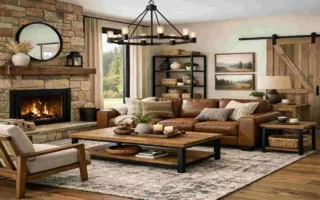
If you are wondering which houseplant decor for living room spaces is best, you are in the right place. Indoor plants do more than fill empty corners. They bring life, softness, color, and calm into your home. A well-chosen plant can make your living room feel warmer, fresher, and more inviting in just a few minutes.
| Factor to Consider | What to Check | Good Plant Examples |
|---|---|---|
| Light levels | Measure how many hours of direct/indirect sunlight your living room gets | Low light: Snake Plant, ZZ Plant; Bright light: Monstera, Fiddle Leaf Fig |
| maintenance level | Match plant care to your schedule (busy → low-maintenance) | Low care: Pothos, ZZ Plant; High care: Calathea, Ferns |
| design style | Choose plants that complement your interior (modern, boho, classic) | Modern: Snake Plant; Boho: Areca Palm, Ferns; Classic: Rubber Plant |
| air purification | Prioritize if you want cleaner air | Spider Plant, Peace Lily, Areca Palm, Snake Plant |
| pet/child safety | Confirm non-toxic if you have pets or small children | Safe: Areca Palm, Calathea, Spider Plant; Avoid: Pothos, Peace Lily |
| size & placement | Match plant height to room size; ensure drainage & safe spot | Small rooms: tabletop plants; Large rooms: floor plants on stands |
The best part is that house plants work with almost any style. Whether your living room is modern, cozy, simple, or bold, there is always a plant that fits. Some plants look elegant and sculptural, while others feel soft and relaxed. Some need very little care, while others need a little more attention.
Why House Plants Are Essential for Living Room Decor
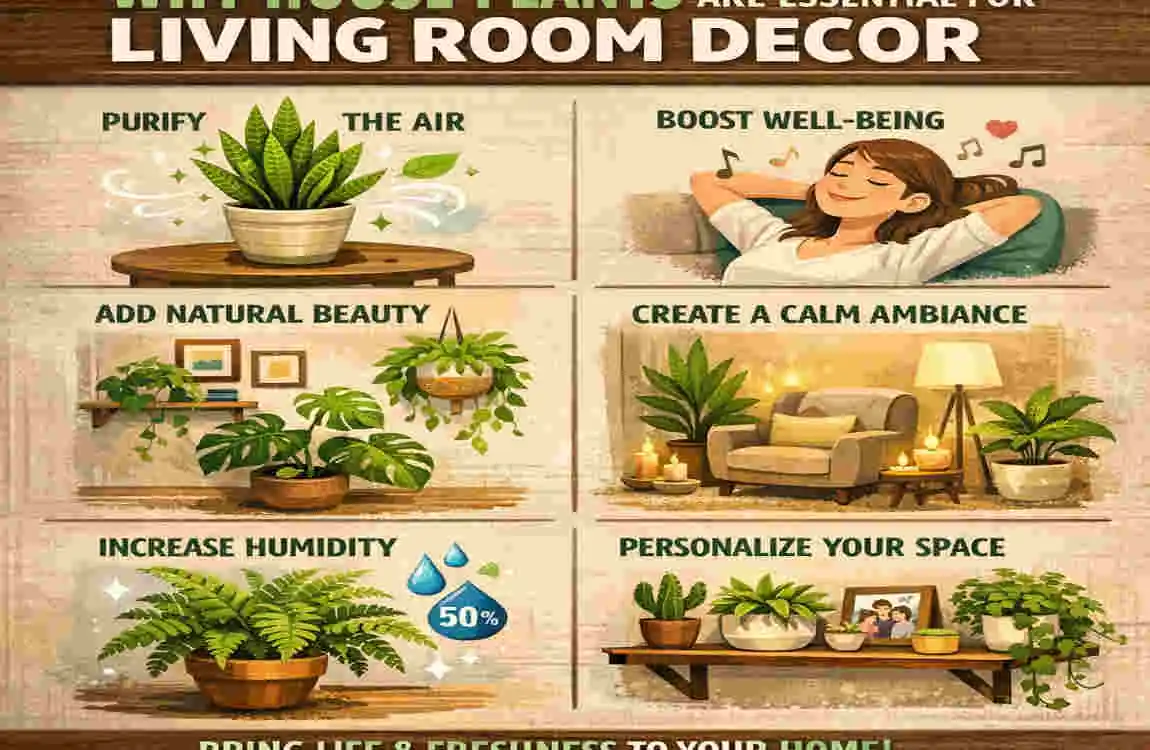
Visual Benefits of Indoor Plants
House plants instantly make a room feel more alive. They add texture, color, and movement in a way that furniture and decor alone cannot. A soft green leaf can break up hard lines, while a tall plant can fill an empty corner and balance the room.
Plants also create a cozy and finished look. Even one plant in the right spot can make your living room feel more thoughtful and polished. If your space feels a little plain, a plant can be the easiest way to improve it.
Health and Wellness Benefits
Indoor plants do more than look nice. They can also help create a more pleasant home environment. Many people feel calmer around plants, and that small sense of comfort can make your living room feel like a true rest area.
Plants may also help improve indoor humidity and make the room feel fresher. While they are not a replacement for proper cleaning or ventilation, they can help create a healthier, more comfortable space overall.
How Plants Complement Different Interior Styles
Plants are flexible, which is why they work in so many homes.
- Modern interiors look great with bold, structured plants like fiddle leaf figs or rubber plants.
- Minimalist spaces often suit simple plants with clean shapes.
- Boho living rooms pair well with hanging plants, vines, and layered greenery.
- Scandinavian decor often works best with light, airy plants in neutral pots.
- Rustic and farmhouse themes feel warm with woven baskets and natural-looking plants.
Which House Plants Decor for Living Room Best? Key Factors to Consider
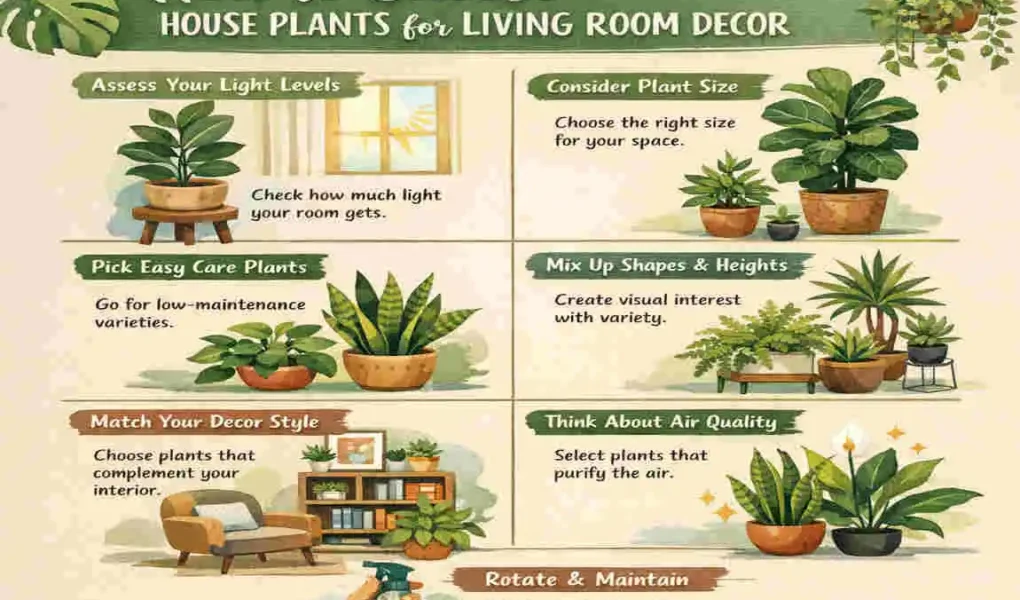
Assess Your Living Room Lighting
Light is one of the most important things to check before buying a plant. Some plants love bright indirect light, while others can survive in low-light rooms. If your living room gets soft, indirect light from a window, you have many choices. If it stays darker, choose plants that handle shade well.
Direct sunlight can also matter. Some plants enjoy it, but many indoor plants can burn if the light is too strong. So, before deciding which houseplant decor for the living room to use, look at where the sun falls during the day.
Consider Available Space
Not every living room has room for a large floor plant. That is why size matters. Big rooms can handle statement plants, but small rooms often need compact or hanging options.
Think about these space types:
- Large floor plants for open corners
- Small tabletop plants for shelves and side tables
- Hanging plants for vertical interest
- Corner fillers for empty spots that need shape
Choosing the right size helps the room feel balanced instead of crowded.
Evaluate Maintenance Requirements
Some plants need regular watering, pruning, and light care. Others are much easier. If you are busy or new to plant care, start with low-maintenance house plants. These are often the safest choice because they forgive small mistakes.
If you enjoy caring for plants, you can choose more demanding types. But for most people, the best option is a plant that looks beautiful and causes no stress.
Think About Pets and Children
This step is very important. Some indoor plants are safe, while others can be toxic if eaten. If you have cats, dogs, or small children at home, always check whether the plant is pet-safe.
Pet-friendly indoor plants are a smart choice for family homes. They let you enjoy greenery without worrying as much about accidents.
Match Plants With Your Decor Theme
Plants should feel like part of the room, not an afterthought. A luxury living room may need elegant plants with large, glossy leaves. A tropical-style room may look better with bold, dramatic greenery. A clean, minimal room may need only one or two simple plants.
The best plant is the one that supports the feeling you want in the room.
Best Large House Plants for Living Room Decor
Fiddle Leaf Fig
The fiddle leaf fig is one of the most popular modern living room plants. It has big, dramatic leaves that look stylish and bold. It works well when you want a plant that acts like a living design piece.
It does best in bright indirect light and usually looks strongest near a sunny window. If you give it the right spot, it can become a true focal point in your room.
Rubber Plant
The rubber plant has shiny, deep green leaves and a clean shape. It brings a strong but simple look to the room. That makes it great for modern and contemporary homes.
It is also fairly easy to care for, which makes it a smart choice if you want beauty without too much effort.
Bird of Paradise
This plant has a tropical feel and a tall, striking shape. It works well in larger living rooms because it adds height and drama. If you want a plant that feels bold and energetic, this is a strong option.
Place it where it can get plenty of light so it grows well and maintains its fresh appearance.
Areca Palm
The areca palm gives a soft, airy look. It feels light and relaxed, so it is great for rooms that need a gentle touch. It also works well in open spaces because its feathery leaves do not look heavy.
Monstera Deliciosa
Monstera is trendy for a reason. Its split leaves make it one of the most recognizable indoor plants. It gives a room a fresh, stylish, and slightly tropical look.
It fits especially well in contemporary homes where you want one large plant to stand out.
Quick Comparison Table
PlantBest ForLight NeedCare LevelStyle Vibe
Fiddle Leaf Fig Large corners Bright indirect Medium Bold, modern
Rubber Plant Sleek spaces Medium to bright Easy Clean, elegant
Bird of Paradise Statement decor Bright light Medium Tropical, dramatic
Areca Palm Soft greenery Bright indirect Easy Airy, relaxed
Monstera Deliciosa Trendy rooms Bright indirect Easy to medium Stylish, modern
Best Small House Plants for Living Room Decoration
Snake Plant
The snake plant is one of the best choices for beginners. It requires very little care and can handle a range of light levels. Its tall, upright leaves also give a neat, structured look.
If you want a simple plant that looks good on a shelf or floor, this is a safe and stylish option.
Pothos
Pothos is loved for its trailing vines and easy growth. It works well on shelves, cabinets, and plant stands. It adds softness to a room and fills space naturally.
Peace Lily
Peace lilies are elegant and calm-looking. Their white blooms make them feel special without being too flashy. They are also a good choice for lower-light rooms.
ZZ Plant
The ZZ plant has glossy leaves and a neat shape. It is one of the most drought-tolerant indoor plants, which makes it great for busy people.
Spider Plant
Spider plants are light, lively, and easy to place in hanging baskets or small pots. They are also often considered pet-friendly indoor plants, making them a favourite in many homes.
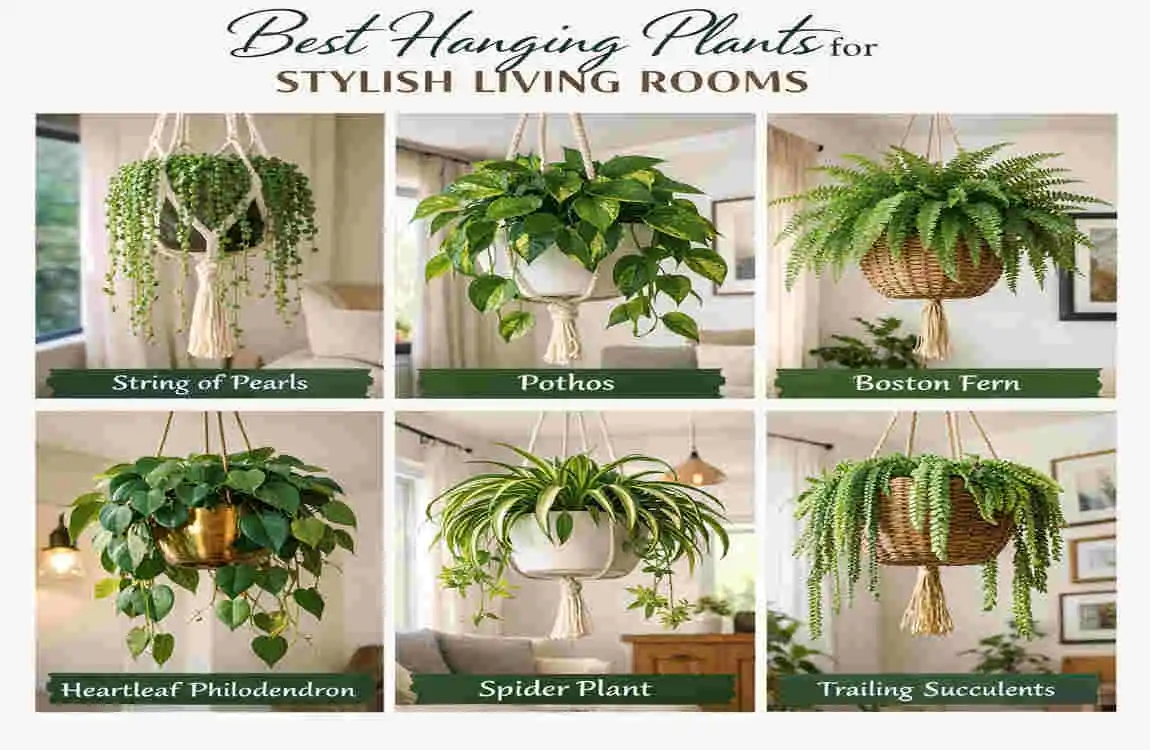
Best Hanging Plants for Stylish Living Rooms
English Ivy
English ivy creates a graceful trailing effect. It works nicely in hanging pots where its vines can fall naturally and soften the room.
String of Pearls
This plant has a very unique look. Its bead-like leaves make it a decorative choice that stands out right away. It is perfect if you want something unusual.
Boston Fern
Boston ferns have full, soft greenery that makes a room feel cozy and classic. They work well in spaces that need a gentle, natural touch.
Heartleaf Philodendron
This is a popular hanging plant because it is easy to care for and looks beautiful in many rooms. Its heart-shaped leaves bring a friendly, relaxed feeling.
How to Match House Plants With Living Room Styles
Modern Living Room Decor
Modern rooms usually look best with minimal greenery and strong plant shapes. Choose plants like the rubber plant, monstera, or snake plant. Keep pots simple and clean.
Bohemian Living Rooms
Boho rooms love layers, texture, and a relaxed feel. Use hanging plants, vines, and mixed pots. More variety works well here, especially when plants spill naturally over shelves and baskets.
Luxury Interior Design
For a luxury look, choose large glossy plants in decorative ceramic or metallic pots. Less can be more here. One striking plant can look more elegant than many small ones.
Small Apartment Living Rooms
In small rooms, vertical space matters most. Use wall shelves, corner stands, and compact planters. This keeps the floor open while still adding greenery.
Best Plant Pots and Containers for Living Room Decor
The pot is just as important as the plant. A good container helps the plant fit better in the room.
Ceramic Pots
Ceramic pots look polished and timeless. They work in almost any room and are a good choice for a clean, modern look.
Woven Baskets
Woven baskets add warmth and texture. They are perfect for cozy, natural, or farmhouse-inspired spaces.
Metallic Planters
Metallic planters feel bolder and more contemporary. They are useful when you want the plant to feel like part of a luxury design.
Matching Pot Colors With Furniture
Try to match the pot colours to your sofa, rug, or curtains. Neutral tones blend easily, while bold colors can create a nice accent.
Common Mistakes When Choosing Living Room House Plants
Choosing Plants Without Considering Light
This is one of the biggest mistakes. A plant may look perfect in the store but fail at home if the light is wrong. Always check your room first.
Overwatering Indoor Plants
More plants die from too much water than too little. Make sure the soil drains well, and water only when needed.
Ignoring Plant Size at Full Growth
Some plants look small at first but grow much bigger later. Always think about how large the plant will become.
Buying High-Maintenance Plants as Beginners
If you are new to plant care, start simple. A hard-to-manage plant can become frustrating very quickly.
Using the Wrong Pot Size
A pot that is too big or too small can affect growth. The pot should support the roots without holding excess water.
Easy House Plant Care Tips for Beginners
Proper Watering Schedule
Water based on the plant’s needs, not on a strict calendar. Check the soil first. If it feels dry enough, then water.
Importance of Drainage
Drainage holes help stop root rot. Without them, water can become trapped in the pot, harming the plant.
Cleaning Plant Leaves
Dust can collect on leaves, making plants look dull. Wipe them gently now and then to keep them fresh and bright.
Rotating Plants for Even Growth
Turn your plants every week or two. This helps them grow evenly toward the light.
Fertilizing Indoor Plants
A little fertiliser during the growing season can help keep plants healthy. Do not overdo it, though. Less is often better.
Seasonal Tips for Living Room Plant Decor
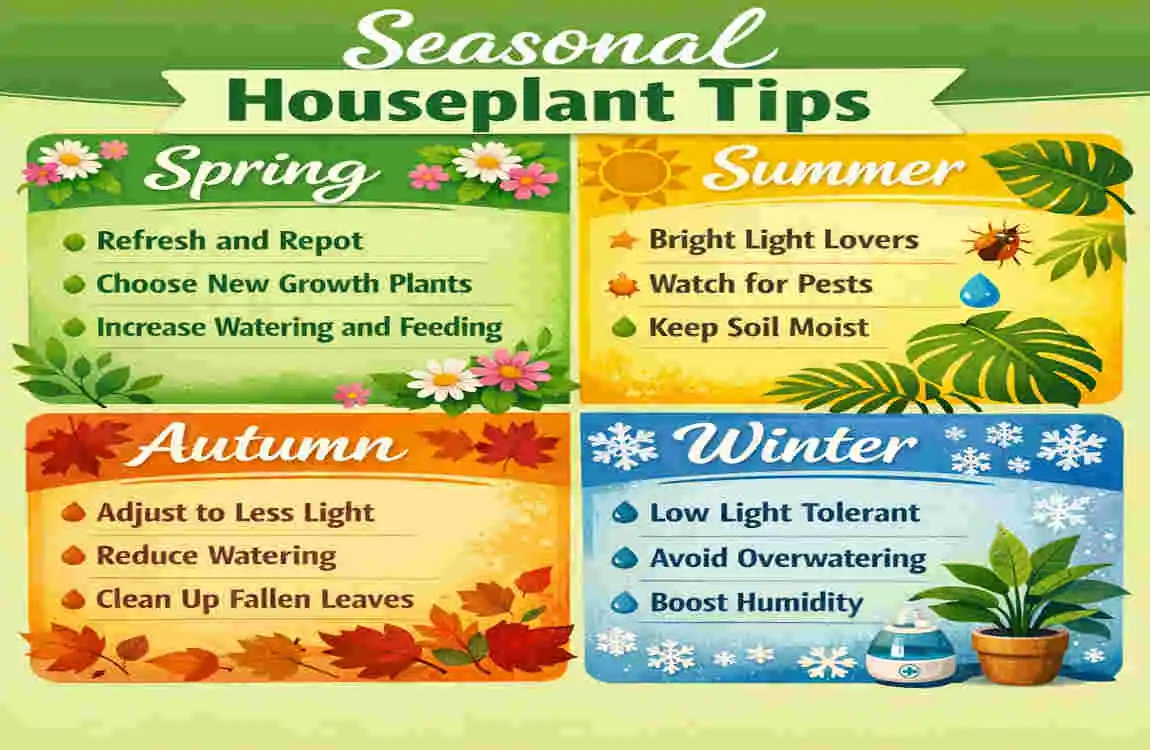
Summer Plant Care
In warmer months, plants may dry out faster. Check the soil more often and keep them out of direct sunlight.
Winter Indoor Plant Protection
During winter, indoor air can become dry. Keep plants away from heaters and avoid overwatering when growth slows.
Seasonal Plant Styling Ideas
You can also change pots and plant accents with the seasons. Soft greens work well year-round, while holiday styling can include warm-toned pots or simple festive decor.
Frequently Asked Questions About Which House Plants Decor for Living Room
Which house plants are best for low-light living rooms?
The best choices are usually snake plants, ZZ plants, peace lilies, and pothos. These plants can handle less light better than many others.
What are the easiest indoor plants to maintain?
Snake plants, ZZ plants, pothos, and rubber plants are among the easiest. They are great if you want low maintenance house plants.
Which indoor plants improve air quality?
Many people choose peace lilies, spider plants, snake plants, and areca palms for this reason. They also make the room feel fresher and more natural.
Are indoor plants good for small living rooms?
Yes, absolutely. Small living rooms benefit from compact, hanging, and corner plants. The key is to avoid overcrowding.
How many plants should I keep in a living room?
There is no fixed rule. Start with one or two and see how the room feels. You can always add more if the space still feels balanced.
What plant suits modern living room decor best?
The monstera, rubber plant, fiddle leaf fig, and snake plant are all excellent choices for a modern look.