Electrical wiring is the unseen backbone of every home. It powers your lights, appliances, and devices, yet most homeowners rarely think about its condition—until something goes wrong. Did you know that 1 in 10 home fires start because of electrical issues? That’s a startling statistic that highlights why understanding your home’s wiring lifespan is crucial .
Wiring Types and Lifespans: What’s Inside Your Walls?
Not all wiring is created equal. Different materials and installation methods affect how long your home’s electrical system will last. Here’s a breakdown of the most common wiring types you might find in homes, along with their average lifespans and key characteristics.
Wiring Types Comparison Table
Wiring TypeAverage LifespanKey Notes
Copper Wiring 50-100 years Most durable; modern standard; resists corrosion and wear.
Aluminum Wiring 30-40 years Used in 1960s-70s homes; prone to overheating and oxidation risks.
Knob-and-Tube 25-50+ years Common pre-1940s; outdated and unsafe for modern electrical loads.
PVC-Sheathed 30-40 years. Introduced post-1960s; fire-resistant but can degrade in heat/moisture.
TPS/VIR Wiring 25-70 years Lifespan varies by insulation quality; check for brittleness over time.
This table gives you a quick snapshot, but let’s unpack these a bit more.
Copper Wiring: The Gold Standard
Copper wiring is the most common and reliable wiring material used in modern homes. Its excellent conductivity means electricity flows efficiently, reducing energy loss and heat buildup. Copper also resists corrosion, which helps it last up to 100 years when installed correctly .
Because of these qualities, copper wiring is the preferred choice for new installations and upgrades. If your home has copper wiring, you’re likely in good shape—provided it was installed properly and hasn’t been damaged.
Aluminum Wiring: A Risky Shortcut
Aluminum wiring was popular in the 1960s and 1970s as a cheaper alternative to copper. However, it has a shorter lifespan—typically 30 to 40 years—and comes with safety concerns. Aluminum expands and contracts more than copper, which can loosen connections and cause overheating or even fires. It also oxidizes easily, further increasing the risk .
If your home has aluminum wiring, it’s important to have it inspected regularly and to consider replacing it or using special connectors designed to reduce hazards.
Knob-and-Tube Wiring: Vintage but Vulnerable
Knob-and-tube wiring dates back to the early 1900s and was common until the 1940s. While some installations have lasted 50 years or more, this wiring type is considered unsafe for today’s electrical demands. It lacks grounding, and its insulation can degrade, increasing fire risk .
An electrician should evaluate homes with knob-and-tube wiring and, if necessary, rewire them to meet modern safety standards.
PVC-Sheathed Wiring: Modern but Not Indestructible
PVC-sheathed wiring became popular after the 1960s. It offers fire resistance and moisture protection, but the plastic insulation can become brittle over time, especially in hot or humid environments. Its lifespan is generally 30 to 40 years .
TPS/VIR Wiring: Variable Lifespan
Thermoplastic-sheathed (TPS) and Vulcanized India Rubber (VIR) wiring have lifespans ranging from 25 to 70 years, depending on insulation quality and environmental factors. Regular checks for brittleness and cracks are essential to avoid hazards .
Modern vs. Vintage Wiring: An Evolution
Electrical wiring has come a long way. Early systems like knob-and-tube were designed for minimal electrical loads—think just a few lights and a radio. Today’s homes run multiple high-powered appliances, smart devices, and HVAC systems, demanding wiring that can safely handle heavier loads.
Modern wiring materials and installation techniques focus on durability, safety, and energy efficiency. If your home still has vintage wiring, it’s worth considering an upgrade to protect your family and property.
Factors Affecting Wiring Lifespan: What Makes Wiring Wear Out?
Even the best wiring won’t last forever. Several factors influence how long your home’s electrical system stays safe and functional. Understanding these can help you take steps to extend the life of the wiring.
Key Influencers on Wiring Lifespan
- Installation Quality
- Poor installation is a major contributor to wiring failures. Loose connections, improper splices, or using the wrong wire gauge can reduce wiring life by 20-30%. Hiring a licensed electrician ensures your wiring is installed to code and lasts decades longer .
- Environmental Conditions
- Heat, humidity, and pests can degrade insulation in wiring. For example, coastal homes are exposed to salty air and moisture, which accelerates corrosion. Rodents can chew through wires, exposing live conductors. Homes in such environments should have wiring inspected every 5-10 years.
- Usage and Electrical Load
- Modern homes use more electricity than ever. High-demand appliances like air conditioners, electric ovens, and EV chargers can overload old wiring. You can estimate electrical load with this simple formula:
- Amps = Watts / Volts
- If your wiring isn’t rated for your load, it risks overheating and failure.
- Maintenance Habits
- Regular inspections and timely repairs can add 10-20 years to your wiring’s life. Ignoring small issues like flickering lights or warm outlets can lead to bigger problems .
Ways to Maximize Your Wiring’s Life
- Schedule professional electrical inspections every 5-10 years.
- Keep wiring dry and protected from pests.
- Avoid DIY electrical work—always hire licensed electricians.
- Upgrade circuit breakers to modern Arc-fault types for added safety.
- Limit the use of high-wattage appliances on old wiring circuits.
Regional Note: Wiring in Humid Climates Like Pakistan
Homes in humid regions, such as Lahore, Pakistan, face unique challenges. High moisture levels can accelerate insulation degradation, and power fluctuations may stress wiring. Regular inspections and the use of corrosion-resistant wiring materials are essential to maintaining safety and performance.
Signs Your Wiring Needs Replacement: Don’t Ignore These Red Flags
Your home’s wiring won’t always give a clear warning before it fails, but some signs are hard to miss. If you notice any of these, it’s time to call an electrician.
Top 5 Warning Signs
- Frequent breaker trips or flickering lights
- These indicate overloaded or faulty circuits .
- Burning smells, warm outlets, or scorch marks
- These are serious fire hazards and require immediate attention.
- Cracked or brittle insulation
- Visible damage during inspections indicates that the wiring is deteriorating.
- Shocks from appliances or outdated panels
- Electrical shocks or tingling sensations are signs of grounding issues.
- Home age over 40 years without wiring upgrades
- Older homes often have outdated wiring that can’t safely handle modern home loads.
Infographic Idea: Wiring Warning Signs at a Glance
(Visual showing the 5 signs with icons for quick recognition.)
If you spot any of these, don’t wait—contact an emergency electrician to assess and fix the problem.
Inspection and Replacement Guide: What to Expect
Replacing your home’s wiring is a big job, but it’s essential for safety and efficiency. Here’s a step-by-step guide to help you understand the process.
Step 1: Hire a Licensed Electrician for Inspection
A professional will use tools like thermal imaging cameras to detect hot spots and hidden faults. This thorough check helps pinpoint wiring issues before they cause damage.
Step 2: Understand the Cost
A full home rewire can cost between $8,000 and $20,000, depending on your home’s size and complexity .
Home Size (sq ft)Estimated Cost
<1,500 $4,000 – $10,000
1,500 – 3,000 $10,000 – $18,000
>3,000 $18,000+
Step 3: Timeline and Priorities
Rewiring usually takes 1-2 weeks. Electricians prioritize critical areas like kitchens and bathrooms first because they have the highest electrical demands.
Step 4: Ensure Code Compliance
Your electrician will follow the latest electrical codes (like NEC 2023 updates) to ensure your wiring is safe and up to date.
Benefits of Rewiring
- Improved energy efficiency and lower utility bills.
- Compatibility with smart home devices and modern appliances.
- Enhanced fire safety and peace of mind.
Maintenance Tips for Longevity: Keep Your Wiring Healthy
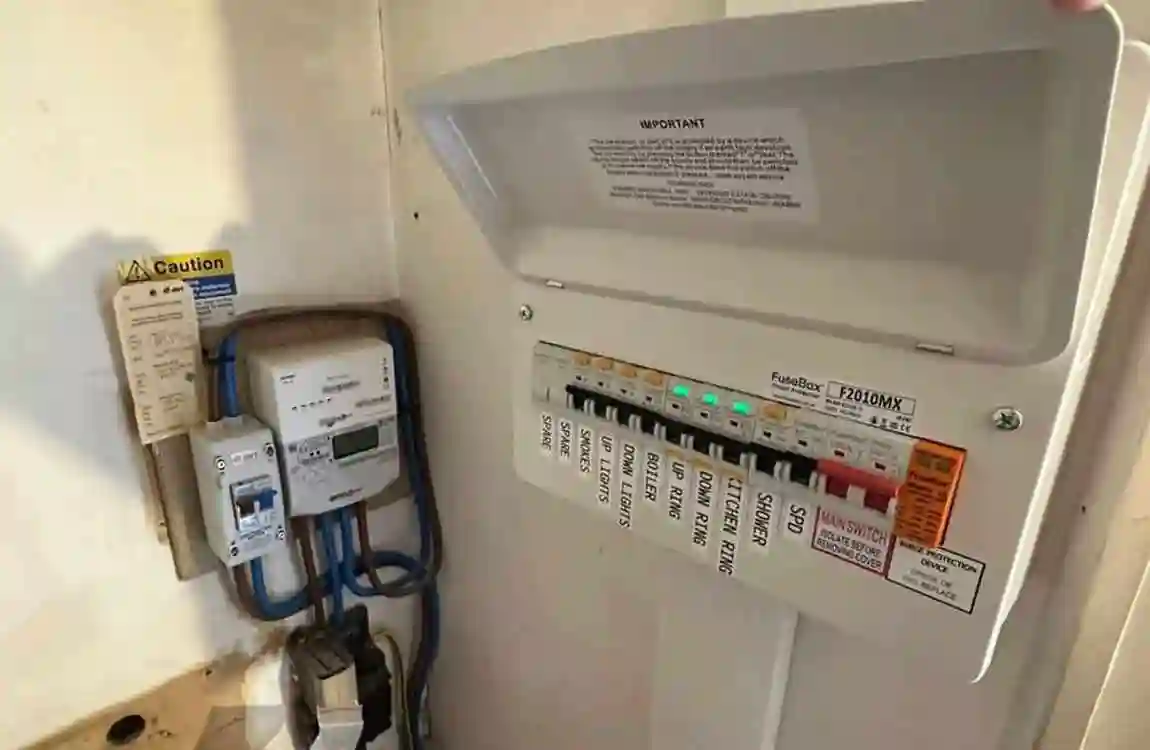
- Schedule electrical inspections every 5-10 years to catch issues early.
- Avoid DIY electrical repairs—always hire licensed professionals.
- Upgrade to Arc-fault circuit breakers to prevent electrical fires.
- Keep wiring protected from pests and moisture.
Simple habits like these can add decades to your wiring’s life and keep your home safe.
FAQ: Quick Answers About House Electrical Wiring Lifespan
How long does house electrical wiring last?
Copper wiring typically lasts 50+ years, while aluminum and older types last less .
When should I rewire my house?
Consider rewiring if your home is over 40 years old or if you notice warning signs, such as flickering lights or burning smells .
Is knob-and-tube wiring safe?
Generally no. It’s outdated and unsafe for modern electrical loads. Replacement is recommended .
Feel free to reach out if you want personalized advice or need a trusted electrician to inspect your home’s wiring. Your safety is worth it!