When a landlord decides to sell a rental home, tenants often feel stressed and unsure about what comes next. You may worry about moving out quickly, strangers walking through your home, or what will happen to your lease and deposit.
| Thing Tenants Should Know | Why It Matters | |
|---|---|---|
| Your Lease Still Applies | A property sale usually does not cancel an existing lease. The new owner must often honor its terms. | |
| You Must Receive Proper Notice | Landlords typically need to provide advance notice before showings, entry, or lease termination. | |
| The Home May Be Shown to Buyers | Tenants generally must allow reasonable access for inspections and showings, with proper notice. | |
| Eviction Rules Still Protect You | A landlord cannot usually evict a tenant solely because the property is being sold without following local laws. | |
| Your Security Deposit Is Protected | The security deposit should be transferred to the new owner or returned according to applicable regulations. |
The good news is that selling a rental property does not automatically remove your rights. In many cases, your lease still stands, your privacy still matters, and the new owner must follow the law.
What Happens When a Landlord Decides to Sell a Rental Property?
Can a Landlord Sell a Property with Tenants Living in It?
Yes, a landlord can usually sell a property even if tenants still live there. This is common, especially when the home is a good investment property. However, the sale does not mean tenants lose their rights right away.
For landlords, selling a tenant-occupied home can be easier if the buyer wants rental income. For tenants, it can feel disruptive, but the law often gives you notice and privacy protections.
Does the Sale Automatically End the Lease?
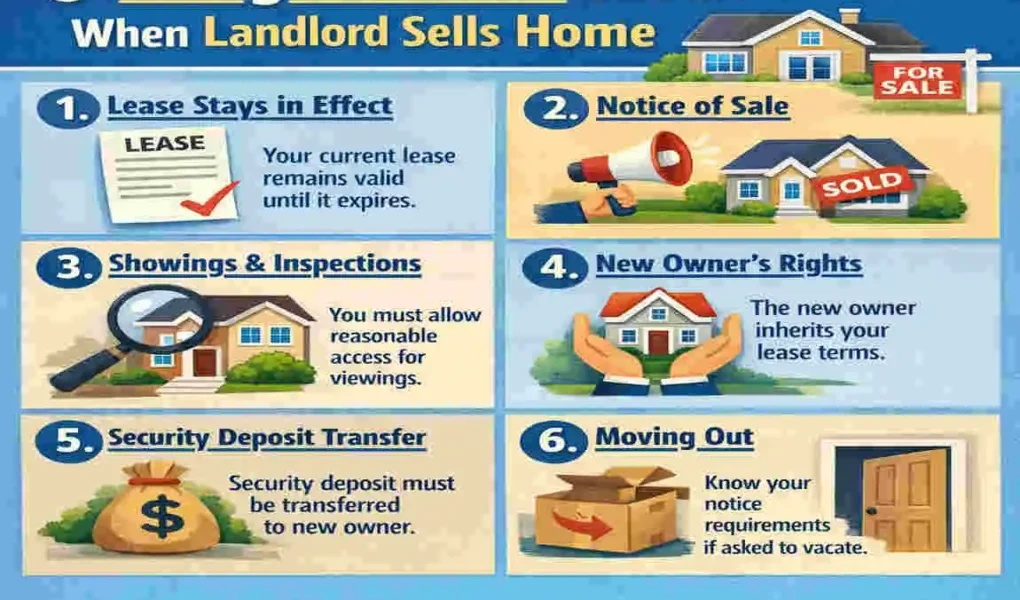
No, not usually. A fixed-term lease often remains in effect until it ends, even if the home is sold. A month-to-month agreement may be easier to end, but the landlord still has to follow proper notice rules.
This is one of the most important parts of tenant rights during a home sale. The sale itself does not erase your agreement.
Understanding the New Owner’s Responsibilities
In many cases, the new owner takes over the landlord’s duties. That means they may have to honour your lease, collect rent, and handle repairs.
If your lease is still active, the new owner often steps into the old landlord’s place. The terms of the lease usually do not disappear just because the property changes hands.
Your Lease Agreement Still Matters
Fixed-Term Lease Protections
If you have a fixed-term lease, such as a one-year lease, you are often protected until that lease ends. The landlord cannot simply sell the house and force you out just because a buyer wants to move in.
Your lease is a legal contract. That means both sides must follow it unless there is a valid legal reason to end it early.
Month-to-Month Rental Agreements
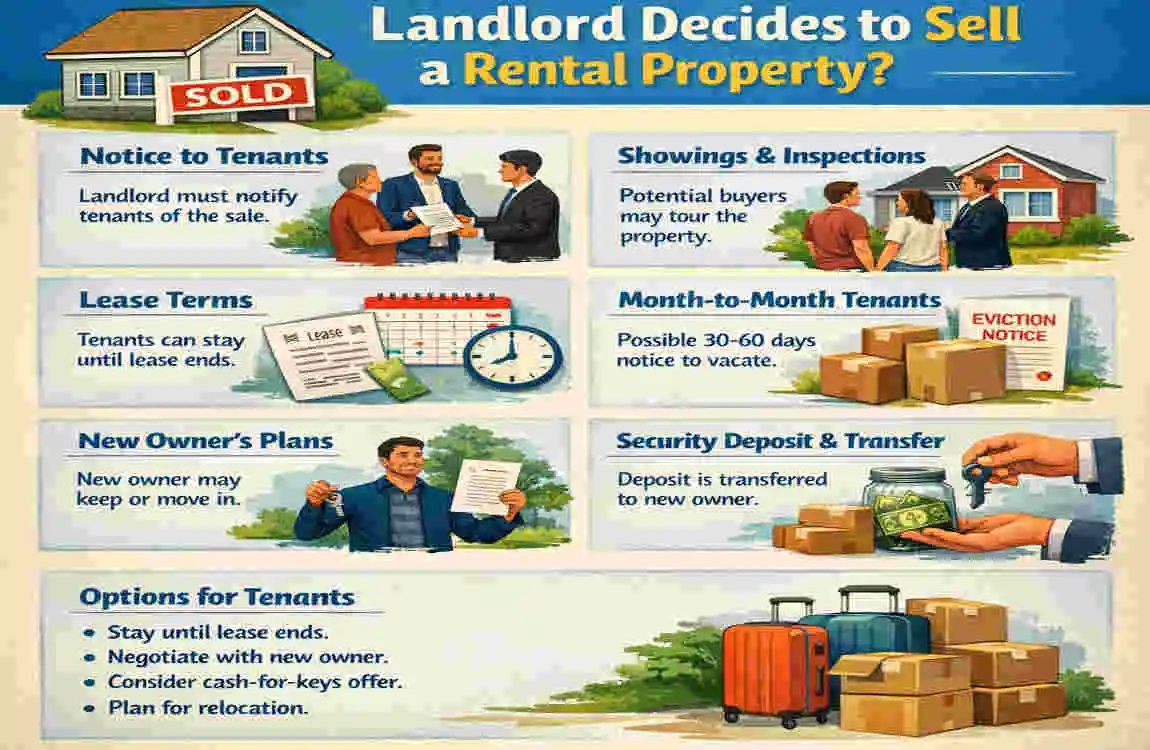
Month-to-month rentals are more flexible, but they still come with notice rules. The landlord or new owner usually must give written notice before ending the tenancy.
The exact notice period depends on local laws, so tenant rights when a property is sold can vary from place to place.
Lease Clauses Related to Property Sales
Some leases include clauses about what happens if the landlord wants to sell. These clauses may explain whether showings are allowed, how much notice is needed, or whether early termination is possible.
Always read your lease carefully. If you are unsure, look for sections about sale, termination, entry, and notice.
Have the Right to Proper Notice
Notice Before Property Showings
If the home is being shown to buyers, the landlord usually must give reasonable notice before entering. They cannot just walk in whenever they want.
You have the right to some privacy in your home, even when the property is for sale. In many places, landlords must give advance notice unless there is an emergency.
Notice Before Entry
There is a big difference between emergency entry and routine entry. For example, a burst pipe may allow immediate entry, but a home showing usually does not.
This is a key part of the landlord selling a rental property and tenant rights. The landlord must respect your home and follow entry rules.
Notice Before Lease Termination
If the landlord or buyer wants you to move, they must follow legal notice timelines. These timelines are often set by state or local law.
Do not assume a verbal request is enough. Written notice is usually what matters most.
Common Tenant Mistakes to Avoid
- Ignoring written notices
- Not saving texts, emails, or letters
- Failing to record dates of landlord entry or showings
Your Home May Be Shown to Potential Buyers
Can You Refuse Showings?
You may not be able to refuse all showings, but you can usually expect reasonable notice and reasonable timing. The landlord should not treat your home like an open house every day.
A fair approach balances the seller’s need to market the home with your right to quiet enjoyment.
Balancing Tenant Privacy and Seller Needs
Good communication helps here. Many landlords try to schedule showings at convenient times and limit disruptions.
You should not have to live in chaos. While the home is on the market, the landlord should still respect your routine as much as possible.
What If Showings Become Excessive?
If showings happen too often, with too little notice, or in a way that feels harassing, it may cross the line. Repeated disruption can become a serious problem.
Keep a simple log of each visit, including the date, time, and what happened. This can help show a pattern if you need to complain.
Practical Tips for Tenants During Showings
- Store valuables safely
- Keep personal documents private
- Write down every notice and visit
- Ask for a clear schedule when possible
Eviction Rules Still Apply During a Sale
Can a Landlord Evict You Just Because They Are Selling?
Usually, no. A landlord cannot evict you simply because they want to sell the property. They still need a legal reason and must follow the proper process.
This is one of the most important tenant rights when property is sold. The sale does not give the landlord a free pass to remove you.
Understanding “Just Cause” Eviction Laws
Some cities and states have cause rules. That means the landlord can only evict for specific reasons, such as nonpayment of rent, lease violations, or the landlord’s lawful personal use of the property.
If your area has these protections, the landlord cannot use a sale as an excuse to unfairly force you out.
Illegal Eviction Warning Signs
Watch for these red flags:
- Changing the locks
- Shutting off utilities
- Threatening messages
- Blocking your access
- Forcing you to leave without court approval
These actions may be illegal in many places.
Tenant Actions if Facing Unlawful Eviction
If something feels wrong, keep proof. Save texts, photos, letters, and witness names. Then contact local housing help or legal support if needed.
Security Deposits Must Be Handled Properly
What Happens to Your Security Deposit?
Your security deposit should not disappear just because the property is sold. In many cases, the landlord must transfer it to the new owner or handle it in accordance with local law.
At the end of the tenancy, you must return the deposit if you meet the lease terms and leave the unit in good condition.
Documentation Tenants Should Keep
Keep these items in a safe place:
- Lease agreement
- Receipts for rent payments
- Move-in inspection notes
- Photos of the unit when you moved in
These records can protect you if there is a dispute later.
End-of-Lease Deposit Disputes
Deposit problems often happen when the owner claims damage or missing rent. Good records make it easier to challenge unfair deductions.
If the home changes hands, make sure you know who is responsible for your deposit at the end of the lease.
The New Owner May Become Your New Landlord
Lease Continuation After Sale
In many cases, the new buyer becomes your new landlord. If your lease is still active, the lease terms usually stay the same.
That means your rent, due date, and basic rules should remain in place unless the lease allows changes or local law permits them.
Communication with the New Owner
Once the sale is complete, ask for updated contact details and payment instructions. This helps avoid confusion about where to send rent or repair requests.
A smooth handoff is easier when you stay organised and keep written proof of all communication.
What Rights Remain Unchanged?
Even after a sale, you still have core tenant rights, including:
- Habitability
- Privacy
- Repair requests
- Proper notice
- Fair treatment under the law
The new owner must usually respect these rights just like the old one did.
Special Situations Tenants Should Know About
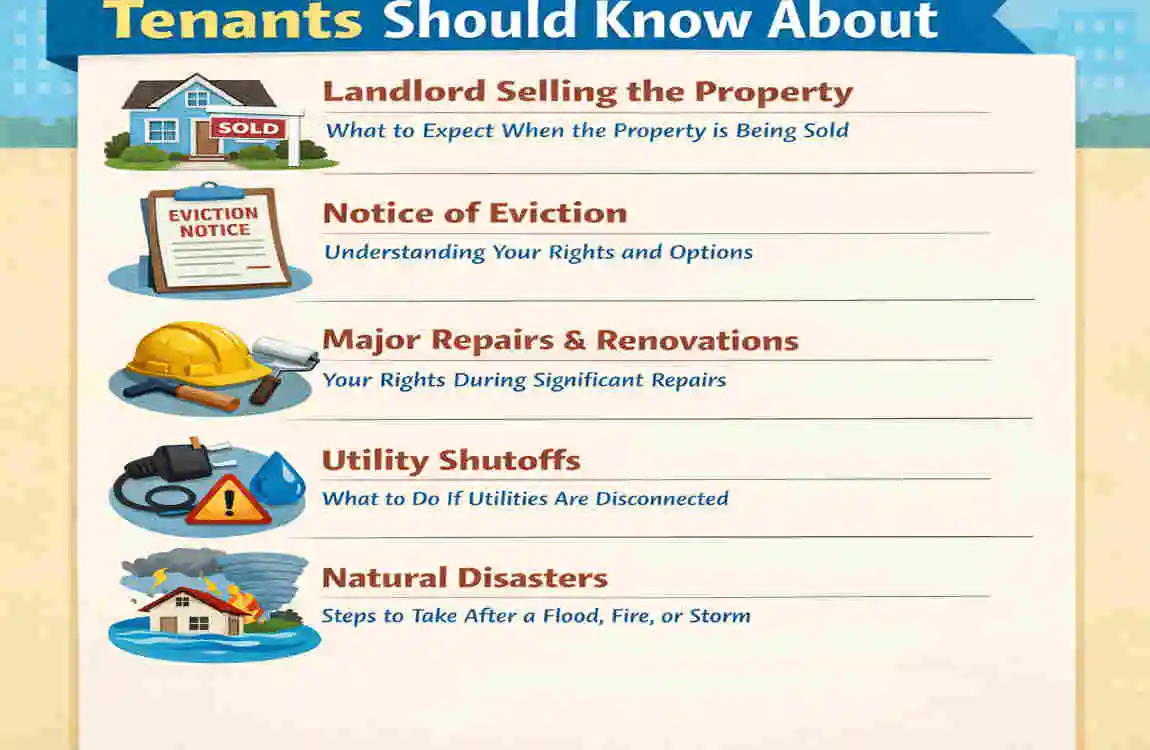
Foreclosure vs. Traditional Sale
A foreclosure is different from a normal sale. In some cases, tenants in foreclosed homes may get extra protections, including more notice before moving out.
If you are in this situation, the rules may differ, so it is smart to check local laws carefully.
Cash-for-Keys Agreements
Sometimes a landlord or buyer offers money for the tenant to move out early. This is called cash-for-keys.
It can help some tenants, but only if the offer makes sense for your situation. Always get the agreement in writing.
Multi-Family Property Sales
If you live in an apartment building, the sale may affect many tenants at once. Management may change, rent payment methods may change, and showings may become more frequent.
Still, your lease and tenant rights usually remain important.
How Tenants Can Protect Themselves During the Selling Process
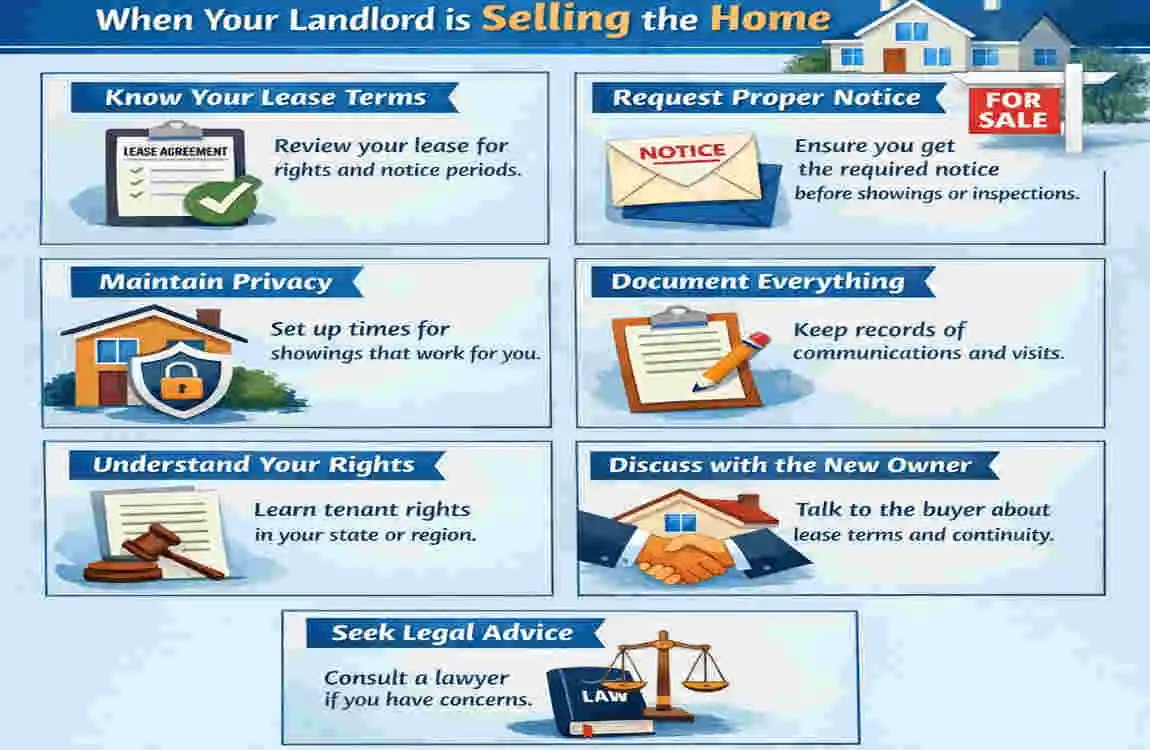
Keep Everything in Writing
Written records are your best protection. Save emails, texts, notices, and receipts.
Review Your Lease Carefully
Check for clauses about sale, entry, lease termination, and notice periods.
Know Local Tenant Laws
Tenant protection rules are not the same everywhere. If you are unsure, learn your local rules before agreeing to anything.
Quick Comparison Table
Situation What Usually Happens What You Should Check
Fixed-term lease Often continues after sale Lease end date
Month-to-month rental Can usually end with notice Local notice period
Home showings Allowed with proper notice Entry rules in your area
Security deposit Must be handled properly Who holds it after the sale
New owner takes over May become your landlord New contact and payment info
Frequently Asked Questions
What are my rights as a tenant when the landlord is selling the house?
You usually have the right to proper notice, privacy, and lease protection. In many cases, the landlord must continue to follow the lease even while the home is being sold.
Can a new owner force me to move immediately?
Usually no. If you have a lease, the new owner often has to honour it. If you are month-to-month, they still need to give proper notice.
How much notice is required before showings?
That depends on local law, but the landlord usually must give reasonable advance notice before entering for showings.
Will my rent increase after the property is sold?
Not automatically. Rent changes usually depend on your lease and local rules.
What happens to my security deposit?
It should be transferred or handled in accordance with the law. You should still be able to get it back if you meet the lease terms.
Can I break my lease if the landlord sells the property?
Not always. You may need legal grounds or a special agreement. Check your lease and local rules before making that choice.