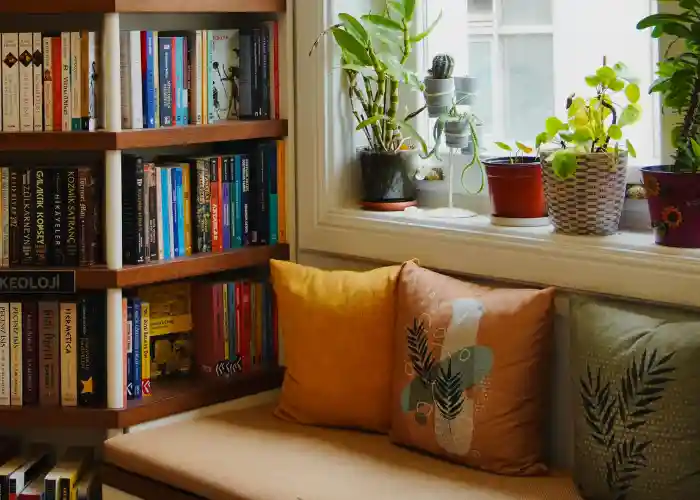
Creating a home that supports learning doesn’t require a dedicated classroom, expensive furniture, or shelves filled with educational supplies. Sometimes, a small, comfortable reading corner can have a surprisingly meaningful impact on how a child approaches books, independent learning, and quiet time.
A reading corner gives children a space that feels like their own while gently encouraging them to spend more time with books. Whether tucked into a bedroom, positioned beside a living room window, or created in an unused corner of a family room, the right setup can make reading an enjoyable part of everyday life.
A Dedicated Space Makes Reading Feel Special
Children often respond well to spaces that have a clear purpose. Just as a kitchen table signals mealtime and a bed signals sleep, a comfortable reading area can gradually become associated with books, stories, and focused learning.
The space does not need to be large to create this effect. A comfortable chair, a small bookshelf, and good lighting may be enough to turn an overlooked corner into a place a child actively wants to spend time.
Giving the area a distinct identity can also make reading feel more like an enjoyable activity than an obligation. Instead of being told to sit at a desk and complete a reading assignment, children can settle into a familiar space where they feel comfortable exploring a story at their own pace.
Comfort Can Help Children Stay Focused
Physical comfort plays an important role in creating an inviting learning environment. A child who is uncomfortable, distracted, too hot, or struggling to see the page clearly may quickly lose interest, even when the book itself is engaging.
Choose seating that suits your child’s age and the amount of available space. A small armchair, floor cushion, beanbag, or padded bench can work well, while a soft throw or a few cushions can make the area feel warmer without creating unnecessary clutter.
Lighting deserves special attention because children need to read comfortably without straining their eyes. Natural daylight is useful during the day, while a well-positioned lamp can keep the corner functional during darker afternoons and evening reading sessions.
Easy Access To Books Encourages Independence
Books are more likely to be used when children can easily see and reach them. Rather than storing every book on a tall family bookshelf, keep a smaller rotating selection in the child’s reading corner.
Low shelving, baskets, or wall-mounted book displays can all make books more accessible. Displaying some books with their covers facing outward can be especially useful for younger children who may respond more readily to illustrations than to titles printed along a spine.
The selection can include fiction, nonfiction, comics, activity books, and educational stories based on your child’s interests. Families looking for materials that combine storytelling with topics such as economics, history, personal responsibility, and critical thinking might also consider Tuttle Twins books as one option for the reading shelf.
Reading Corners Can Support Different Learning Styles
Not every child learns best while sitting upright at a traditional desk. Some children concentrate more effectively when they can get comfortable, move between positions, or spend a little time away from the more structured parts of their learning environment.
A reading corner provides this flexibility without removing the educational purpose of the activity. Children can read independently, listen while a parent reads aloud, look through illustrated reference books, or discuss a story after finishing it.
This flexibility can be particularly useful for homeschooling families, but it is equally valuable for children who attend school outside the home. The corner becomes a low-pressure place where learning can continue without feeling like an extension of the classroom.
A Calm Environment Can Reduce Distractions
Modern homes contain plenty of potential distractions, from televisions and game consoles to tablets and phones. Creating a designated reading area gives you a quieter part of the home where screens aren’t the main source of entertainment.
Position the corner away from the busiest household traffic, if possible. A space beside a window, at the end of a hallway, or in a quiet section of a bedroom may provide enough separation without leaving a younger child feeling isolated from the rest of the family.
Keeping the design relatively simple can also help. Too many toys, decorations, or brightly colored accessories may compete for attention, so focus on comfort, books, lighting, and a few personal touches instead.
Personalization Creates A Sense Of Ownership
Children are often more enthusiastic about spaces they have helped create. Allowing your child to make some decisions about their reading corner can give them a sense of ownership and make them more likely to use it.
They might choose a cushion, select artwork for the wall, arrange their favorite books, or add a small basket for notebooks and pencils. Even something as simple as creating a handmade sign for the corner can help establish it as a special part of the home.
Personalization also means that the area can reflect changing interests. As children grow, picture books can gradually make way for chapter books, reference materials, magazines, or novels without requiring a complete redesign of the space.
Reading Together Builds Positive Associations
A reading corner does not have to be exclusively for independent reading. If space allows, create enough room for a parent, sibling, or caregiver to sit nearby so the area can also support shared reading.
Reading aloud gives families an opportunity to talk about characters, unfamiliar words, interesting facts, and the choices made throughout a story. These conversations can encourage children to think beyond the page rather than simply concentrating on reaching the end of a book.
Shared reading can also help establish positive associations with books from an early age. When children connect reading with comfortable surroundings and enjoyable family time, picking up a book can become something they choose to do rather than something they feel required to complete.
The Space Can Grow With Your Child
One advantage of a simple reading corner is that it can evolve as your child’s needs change. A preschooler’s space might include board books, cushions, and stuffed animals, while an older child’s version could include novels, educational resources, a reading lamp, and a place to take notes.
You don’t need to redesign the area every year. Adaptable storage and neutral furniture let smaller details change as your child’s interests and reading abilities develop.
Older children may eventually use the same space for research, journaling, or independent study. What begins as a cozy corner for picture books can therefore become a familiar learning environment that remains useful for many years.
Small Changes Can Encourage Lifelong Learning
Supporting a child’s education at home does not always require major changes to the house or a complicated learning schedule. Creating an inviting place where books are visible, accessible, and associated with comfort can encourage more frequent reading.
The most effective reading corner is ultimately one that suits your child and your home. By combining comfortable seating, suitable lighting, accessible books, and a little personalization, you can create a space that encourages curiosity and gives your child another reason to enjoy learning.