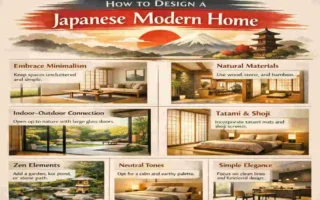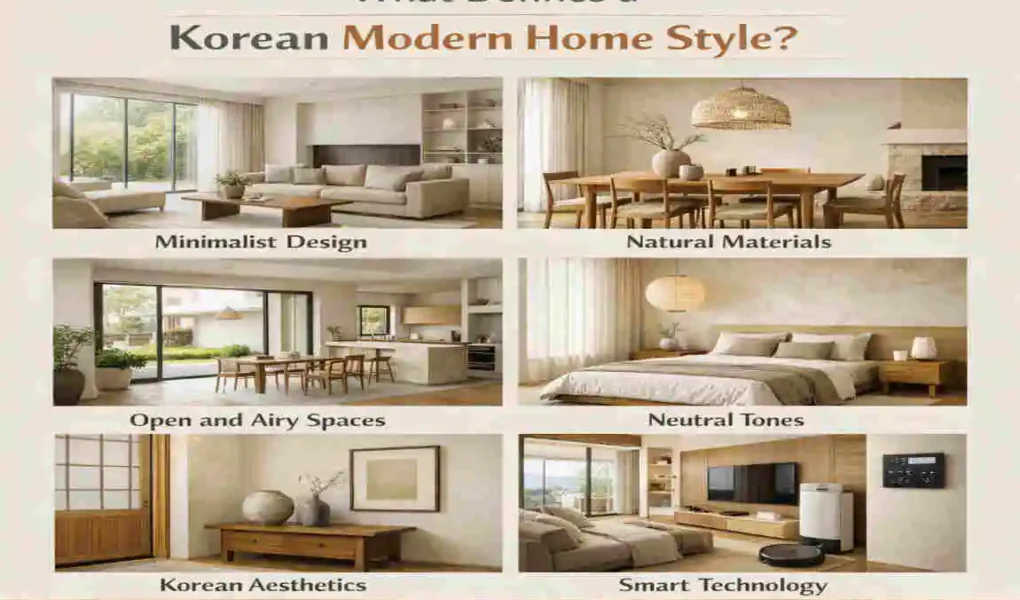
A Korean modern home is all about balance. It mixes clean, simple design with warm, natural touches and a strong sense of comfort. If you have ever noticed a home that feels calm, uncluttered, and deeply inviting at the same time, that is often the feeling this style creates.
What makes it special is how it blends tradition and modern living. You can see the influence of classic Korean design, like natural materials and peaceful layouts. Still, it also fits today’s lifestyle with open rooms, smart features, and practical furniture. In simple words, a Korean modern home looks beautiful without trying too hard.
The Foundations of Korean Modern Home Design
A Korean modern home usually starts with one main idea: simplicity with purpose. Every item in the home should have a reason to be there. Nothing feels heavy, crowded, or overly decorated.
A Blend of Old and New
Korean design often takes inspiration from Hanok, the traditional Korean house. Hanok homes are known for their natural materials, thoughtful layouts, and close connection to nature. Modern Korean homes keep that spirit but update it for modern living.
Key Design Principles
The main principles include:
- Clean lines and simple shapes
- Natural materials like wood, stone, and paper
- Functional spaces that still feel stylish
- A calm and balanced atmosphere
This is why a Korean modern home often feels quiet and welcoming. It avoids visual clutter and focuses on harmony instead.
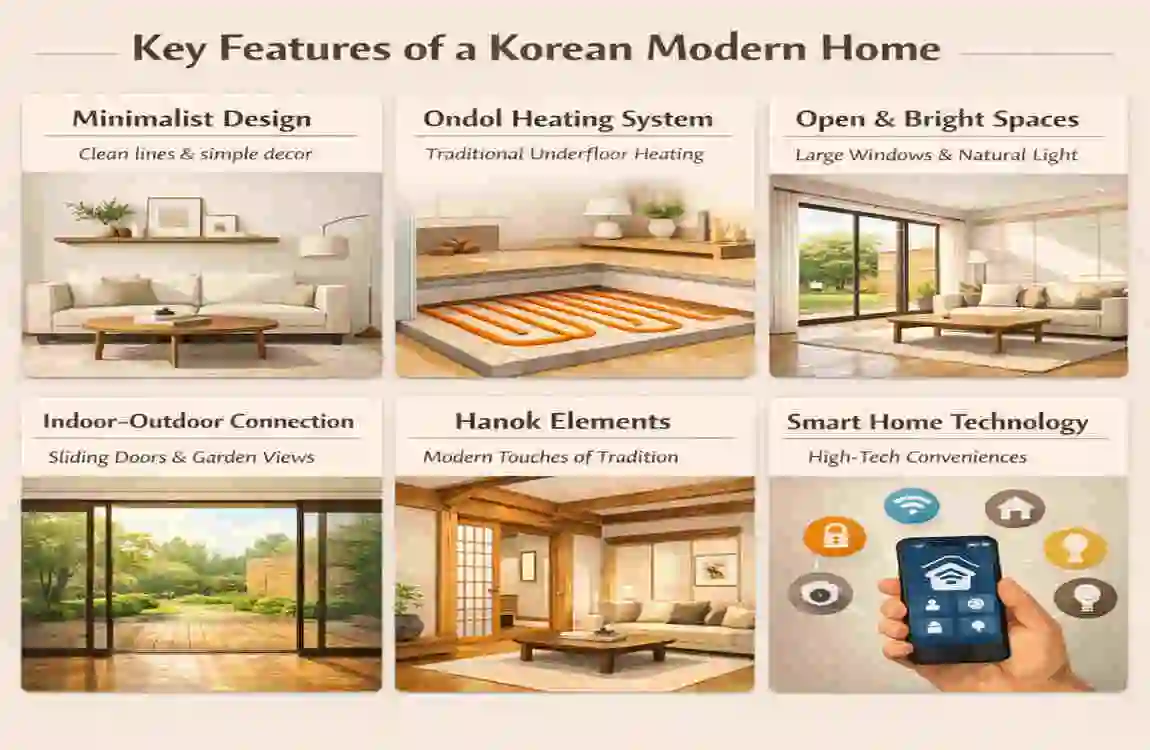
Key Features of a Korean Modern Home
Open and Flexible Layouts
One of the strongest features of this style is the use of open spaces. Rooms are designed to feel connected, creating a smooth flow throughout the home. This makes daily life easier and gives the space a more relaxed feel.
Many Korean homes also use sliding doors or movable partitions. These help separate spaces when needed, but they can also open up a room when you want more air and light. That flexibility is a big part of modern Korean living.
Minimalist Aesthetic
A Korean modern home usually avoids too much decoration. The goal is not to fill every corner. Instead, it uses negative space to let the room breathe.
Common colors include:
- White
- Beige
- Soft gray
- Warm earth tones
These colors help create a calm mood. Furniture is often low, simple, and practical. The result is a home that feels neat, open, and easy to live in.
Natural Materials and Sustainability
Natural materials are a major part of the style. Wood is often used for floors, tables, chairs, and shelves. Stone adds texture and strength. Hanji paper, a traditional Korean paper, may appear in doors, screens, or decor pieces.
This approach is not only beautiful. It is also more eco-friendly. Many Korean modern homes aim to reduce waste and use materials that last longer. That makes the style feel both thoughtful and responsible.
Integration of Technology
A Korean modern home is not stuck in the past. It often includes smart technology that makes life easier. This may include smart lighting, automatic curtains, energy-saving appliances, or home control systems.
The important thing is that technology does not overpower the space. It supports the design instead of distracting from it. In other words, the home stays calm while remaining efficient.
Connection to Nature
Nature is another big part of the style. Many Korean modern homes use large windows, indoor plants, and garden views to bring the outside in. Natural light plays a major role.
This connection helps the home feel more alive. It also adds warmth and freshness, which balances the simple design. If you want this look, focus on letting sunlight in and keeping a few natural elements around the room.
How Korean Modern Homes Differ from Other Modern Styles
Korean modern style may look similar to other minimal designs at first, but it has its own identity. The biggest difference is the warmth and cultural depth behind it.
Style Main Features What Makes It Different
Korean Modern Minimal, warm, natural, cultural Blends tradition, comfort, and technology
Japanese Minimalism: Simple, calm, clean. Often feels more restrained and spare.
Scandinavian Design: Bright, cozy, functional. Focuses more on light and comfort than tradition.
Korean modern homes also often include Ondol, the traditional underfloor heating system. Even in updated homes, this idea of warmth remains important. Many designs also feature custom furniture inspired by Korean heritage, adding character without making the room feel busy.
Tips for Bringing Korean Modern Style Into Your Home
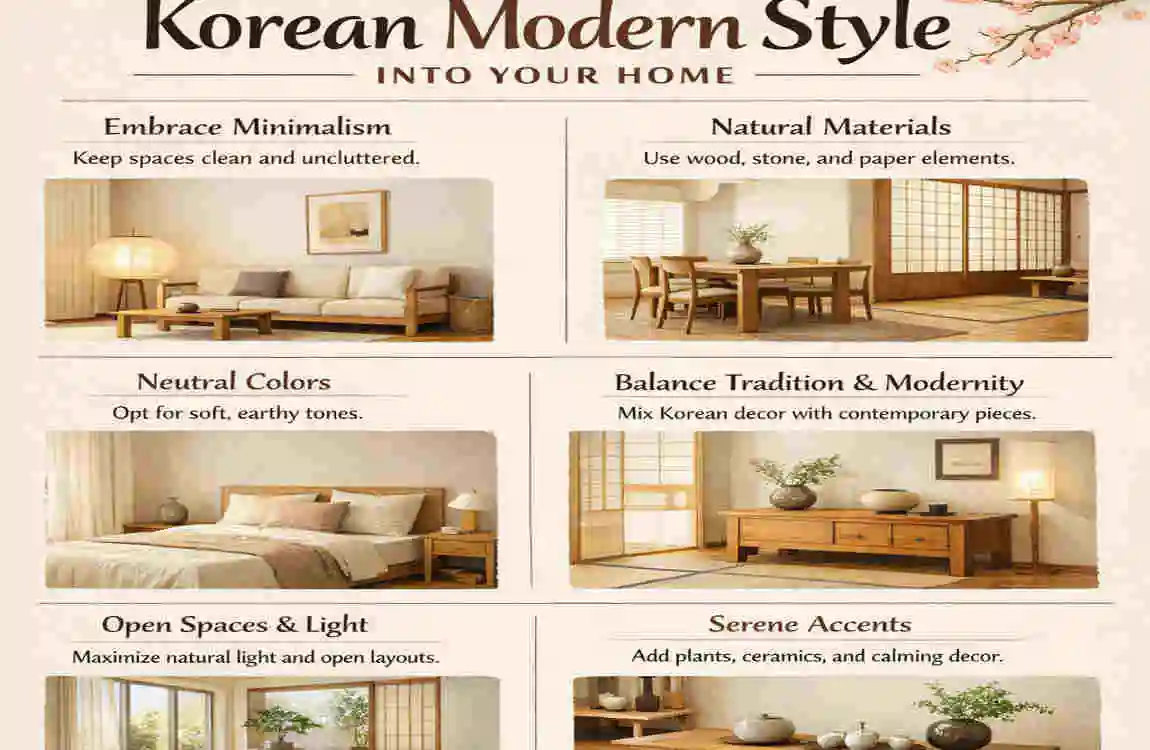
You do not need to rebuild your house to enjoy this style. You can start small and still get a strong effect.
Easy Ways to Begin
- Use neutral colors for walls, curtains, and furniture.
- Choose wood, stone, or linen instead of shiny or overly decorative materials.
- Keep furniture simple and avoid crowding the room.
- Add one or two traditional Korean-inspired pieces, like pottery or a paper lamp.
- Use smart home tools for a modern touch.
Focus on Space and Calm
Try to leave some areas open. A Korean modern home does not need to fill every corner. When you remove extra clutter, the space feels larger and more peaceful.
You can also use soft lighting, low furniture, and simple wall art to build the mood. The goal is not perfection. The goal is comfort with clarity.
Frequently Asked Questions
What is the main idea behind a Korean modern home?
The main idea is balance. It brings together simplicity, function, and beauty in a way that feels calm and practical.
Can I create this style on a budget?
Yes, absolutely. Start with neutral paint, simple furniture, and natural materials. You can also repurpose older items and keep decor minimal.
What colors work best?
The best colors are usually white, beige, gray, soft brown, and other earthy shades. These tones help the space feel peaceful and open.
Is this style good for small homes?
Yes. In fact, it works very well in small spaces because it uses clean layouts, light colors, and flexible furniture.
Can I mix this style with others?
Definitely, a Korean modern home blends well with Scandinavian, contemporary, or Japanese-inspired design as long as you keep the space simple and balanced.
| Feature | What It Means |
|---|---|
| Simplicity | Clean, uncluttered spaces with a calm look. |
| Natural Materials | Use of wood, stone, paper, and other earthy textures. |
| Open Layouts | Flexible rooms that feel airy and easy to move through. |
| Neutral Colors | Soft shades like white, beige, gray, and brown. |
| Connection to Nature | Large windows, indoor plants, and natural light. |
| Modern Comfort | Smart technology and practical furniture for daily living. |
| Korean Tradition | Inspired by Hanok, Ondol, and traditional design values. |