Have you ever wondered why some wooden beams are stronger or look better than others? Choosing the right timber can make a big difference in any building project.
Timber comes in many types, and not all of it is the same quality. Builders and carpenters must know which wood suits their needs. That is why timber grading is so important in construction.
Grading helps people tell high-quality wood from lower grades. By reading this guide, you will learn how timber grades work and why they matter for every project.
What Is Timber Grading?
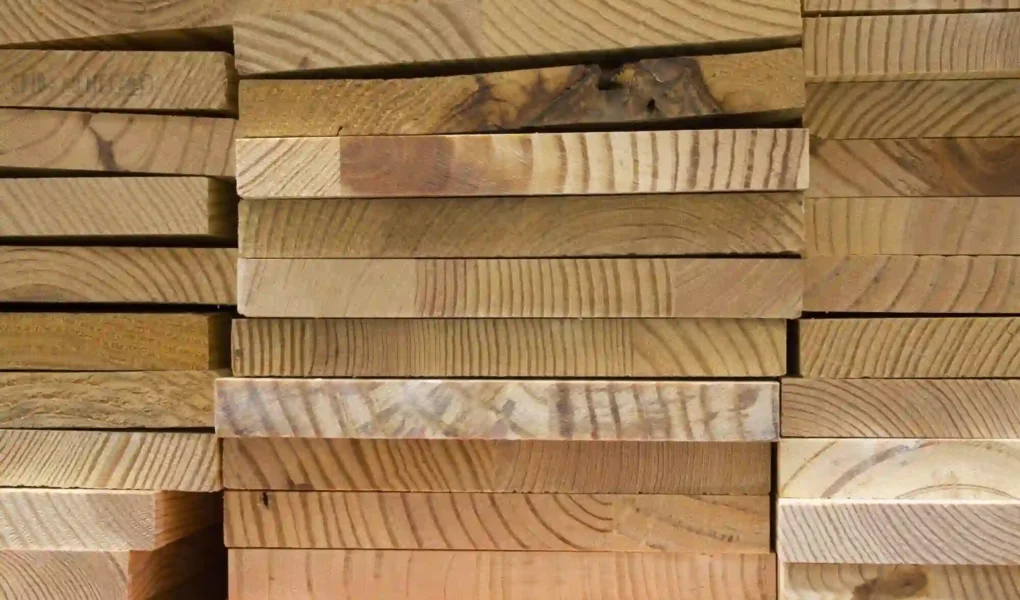
Timber grading is a way to sort wood based on its strength and appearance. The grading process checks for knots, splits, and defects in the wood.
Graded timber gives builders confidence that the wood will perform as expected. Some grades are best for visible surfaces, while others suit hidden or structural parts. Using graded timber helps avoid problems during and after building.
Why Does Timber Grading Matter?
Picking the correct grade guarantees safety and long-lasting use. When pressure is put on low-quality wood, it might bend, crack, or break.
Premium wood can hold a lot of weight and lasts longer. Also, grading affects how wood looks, which is why it’s important for visible building parts. Developers and clients can both relax when the grading is done right.
Common Timber Grades Explained
There are different grading systems around the world. In the UK, softwood is often graded as C16 or C24, with C24 being stronger and better for load-bearing.
Hardwood grades focus on appearance and strength, such as Prime or Select. Each grade has its own standards for defects and quality. Knowing the grade helps match timber to the right job.
How Are Timber Grades Decided?
Timber graders use special rules to check each piece of wood. They look for knots, warping, and other marks that affect performance.
Machines and trained professionals both help in grading timber. The process ensures each batch meets strict quality standards. This means builders can trust the timber they buy.
Timber Grades and Project Needs
Different projects need different timber grades. A garden shed may use lower-grade wood, while a house frame needs strong, high-grade timber.
Furniture makers often choose wood with the best appearance. Builders save money by matching grade to need, not overpaying for features they do not require. For the best results, always check the grade before buying.
Where to Buy Graded Timber
Many reliable suppliers offer graded timber for every project. Good merchants provide clear labels and advice on grades.
When choosing materials, many professionals trust S&D Timber & Builders Merchants for quality and selection. Always ask questions if unsure about the grade. Reputable sellers help customers make smart choices.
Making Better Timber Choices
Understanding timber grades makes construction planning clearer and safer. Each grade gives useful clues about strength, appearance, and suitable use.
Choosing the right timber can support stronger structures and reduce unnecessary waste. Careful checks can also prevent problems caused by poor quality or unsuitable wood.
Project plans, grade marks, and trusted suppliers all help guide better decisions for projects. With these basics understood, timber selection becomes simpler and more practical for everyday construction needs.
Did you like this guide? Great! Please browse our website for more!