In recent years, a fascinating trend has emerged in modern architecture—A-frame house designs. These uniquely shaped homes have captured the imagination of homeowners, designers, and architecture enthusiasts alike. With their distinctive triangular structure and blend of simplicity and functionality, A-frame houses stand out as a timeless architectural choice that suits a variety of lifestyles.
But what exactly is an A-frame house? At its core, it’s a structure with a steeply sloped roof that forms the shape of the letter “A.” This design is not just visually appealing but also practical, offering durability, efficient space usage, and a cozy aesthetic that resonates with many.
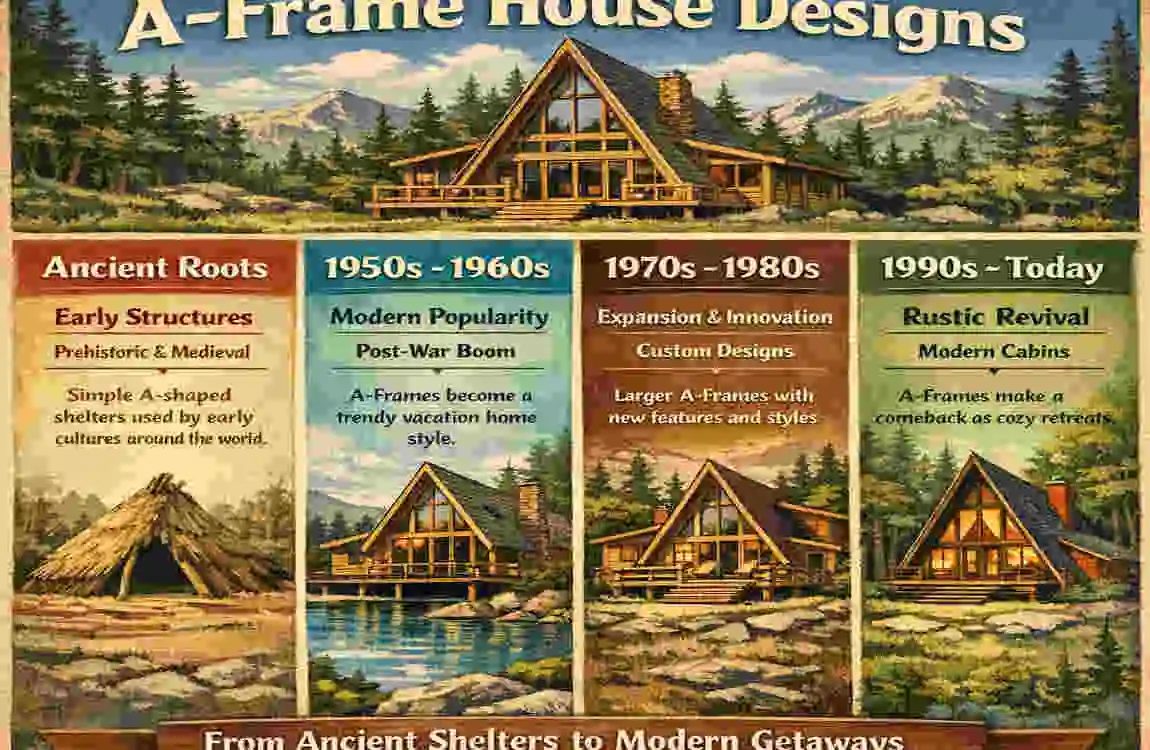
The History of A-Frame House Designs
What is an A-Frame House?
An A-frame house is instantly recognizable due to its triangular silhouette and steep roofline. The roof starts at or near the foundation and extends upward to form a peak, creating the iconic “A” shape. Inside, the design is often minimalistic, with an emphasis on open spaces and natural light.
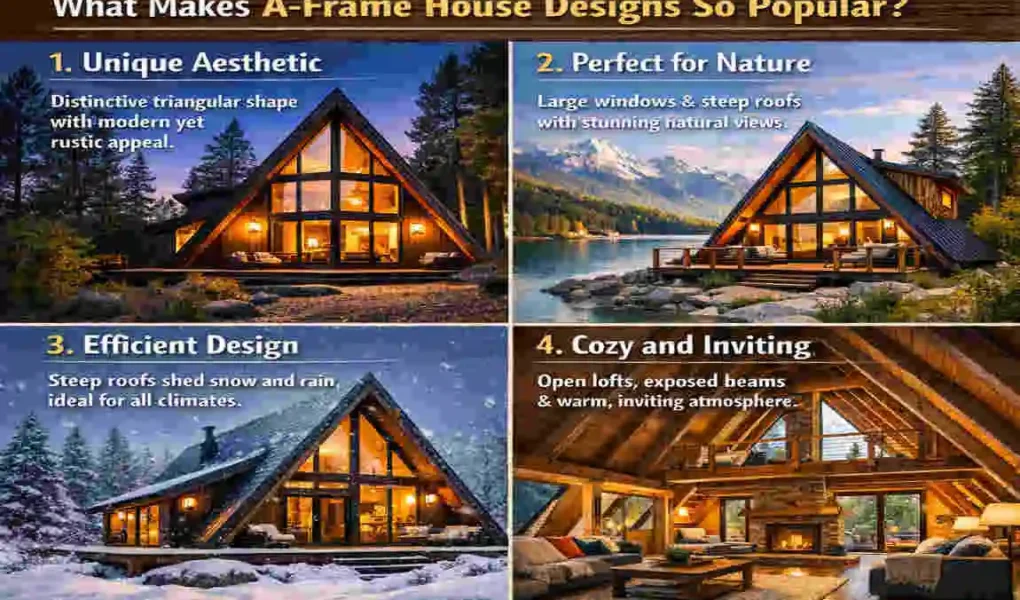
This type of home is relatively small compared to traditional houses, but it makes efficient use of space. The steep roof also serves a practical purpose—it naturally sheds rain, snow, and debris, making it ideal for varying climates.
Origins and Early Popularity
The origins of A-frame houses can be traced back to ancient architecture. Early examples appeared in Scandinavian and Asian cultures, where the steep roofs helped manage heavy snowfall and provided structural durability.
Fast forward to the mid-20th century, and A-frame houses exploded in popularity in the United States, especially during the 1950s and 60s. After World War II, there was a demand for affordable, easy-to-build vacation homes. Architects like Rudolph Schindler and Andrew Geller introduced the A-frame as a stylish yet inexpensive solution, making it a hit among middle-class families.
Resurgence in Modern Times
In the 21st century, A-frame houses have made a major comeback. Their eco-friendly design, cost-effective construction, and charming aesthetic have captured the attention of a new generation of homebuyers. Additionally, the rise of the tiny home movement and a growing interest in sustainable living have further fueled their popularity.
Key Features of A-Frame House Designs
Iconic Design
The first thing that catches your eye about an A-frame house is its triangular shape and sloped roof. The design is both timeless and modern, blending rustic charm with contemporary appeal.
Efficient Use of Space
Despite their compact size, A-frame houses make clever use of space. The steeply angled roof often allows for lofts or mezzanine levels, maximizing vertical space. Additionally, the open floor plan creates a sense of spaciousness, even in smaller footprints.
Durability and Weather Resistance
One of the most practical features of A-frame homes is their durability. The steep roof doesn’t just look good—it’s highly functional. It prevents the accumulation of snow and rain, making these homes ideal for regions with harsh weather conditions.
Simplicity and Minimalism
In an era of minimalism, A-frame houses fit perfectly with the concept of clutter-free living. Their straightforward design emphasizes functionality over extravagance, making them a favorite for those who value simplicity.
Versatility
A-frame houses can adapt to various purposes. They’re perfect as vacation homes, primary residences, or even rental properties. Their unique look also makes them a popular choice for Airbnb listings.
Why Are A-Frame House Designs So Popular Today?
Affordable Construction
Building an A-frame house is typically more affordable than constructing a traditional home. The simple design requires fewer materials and less labor, reducing overall costs.
Eco-Friendly and Sustainable Living
The compact structure of an A-frame house makes it energy-efficient, requiring less heating and cooling compared to larger homes. Many homeowners also incorporate sustainable features, such as solar panels and reclaimed materials, into their builds.
Aesthetic and Instagram Appeal
Let’s face it—A-frame houses are photogenic. Their unique shape, cozy interiors, and picturesque settings make them a favorite among millennials and Gen Z looking for “Instagrammable” homes.
Cabin-Inspired Lifestyle
For city dwellers yearning for a connection to nature, A-frame houses offer the perfect escape. These homes evoke a cozy, cabin-like vibe, ideal for relaxation and disconnecting from the hustle and bustle of urban life.
Tiny Home Movement
The growing popularity of the tiny house movement has also contributed to the rise of A-frame houses. Their compact size and efficient design align perfectly with the ethos of downsizing and living simply.
Advantages and Disadvantages of A-Frame House Designs
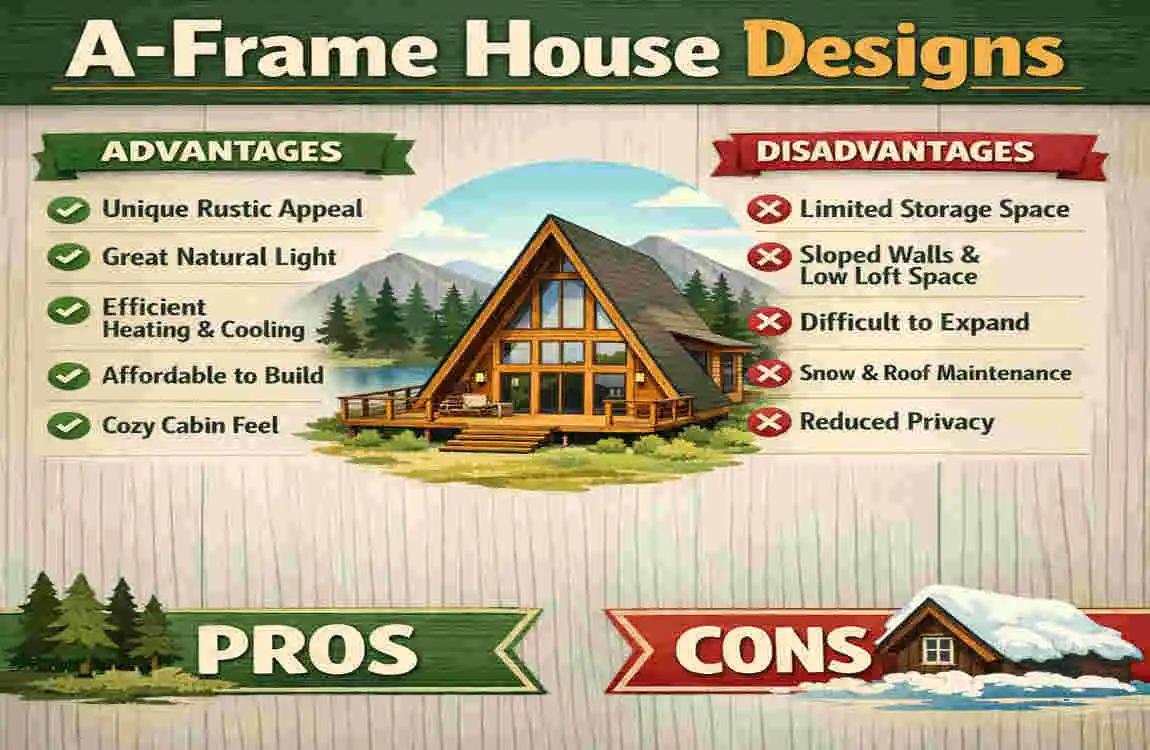
Advantages Disadvantages
Affordable construction and maintenance. Limited vertical space due to sloped ceilings
Energy-efficient design: Potential challenges with interior layouts
Unique, timeless aesthetic appeal. Not ideal for large families or big groups
Advantages
- Cost-Effective: A-frame houses are budget-friendly to build and maintain.
- Energy Efficiency: Their natural insulation reduces energy costs.
- Timeless Design: The iconic shape never goes out of style.
Disadvantages
- Limited Space: Sloped ceilings can limit vertical space.
- Interior Layout Challenges: Designing storage and furniture placement inside can be tricky.
- Not for Large Families: These homes are better suited for individuals, couples, or small families.
Customization Options for A-Frame House Designs
Interior Layout Customizations
Maximize interior space with lofts, multi-functional furniture, and open floor plans. For instance, a lofted bedroom can free up space on the main floor for living and dining areas.
Exterior Design Variations
Choose materials like wood, metal, or glass to customize the exterior. Each material offers a unique aesthetic—wood for a rustic look, metal for modern vibes, and glass for a contemporary, open feel.
Modern Features
Incorporate smart home technologies, energy-efficient appliances, and renewable energy sources like solar panels to make your A-frame house both stylish and sustainable.
Landscaping
Create a seamless connection between your A-frame house and nature with thoughtful landscaping. Add a wraparound deck, fire pit, or garden to enhance the overall appeal.
How to Build or Buy an A-Frame House
Building an A-Frame House
Building an A-frame house involves creating a basic triangular framework and filling it with the features you want. Costs can vary, but on average, expect to spend between $125 to $200 per square foot, depending on materials and finishes.
Prefabricated A-Frame Kits
Prefabricated kits are a popular choice for those who want to build quickly and affordably. These kits come with pre-cut materials and instructions, making DIY construction easier than ever.
Buying an A-Frame House
If building isn’t for you, buying an existing A-frame house is a great alternative. Look for properties in scenic areas, as these homes are often located in desirable locations like forests, mountains, or near lakes.
Examples of Stunning A-Frame House Designs
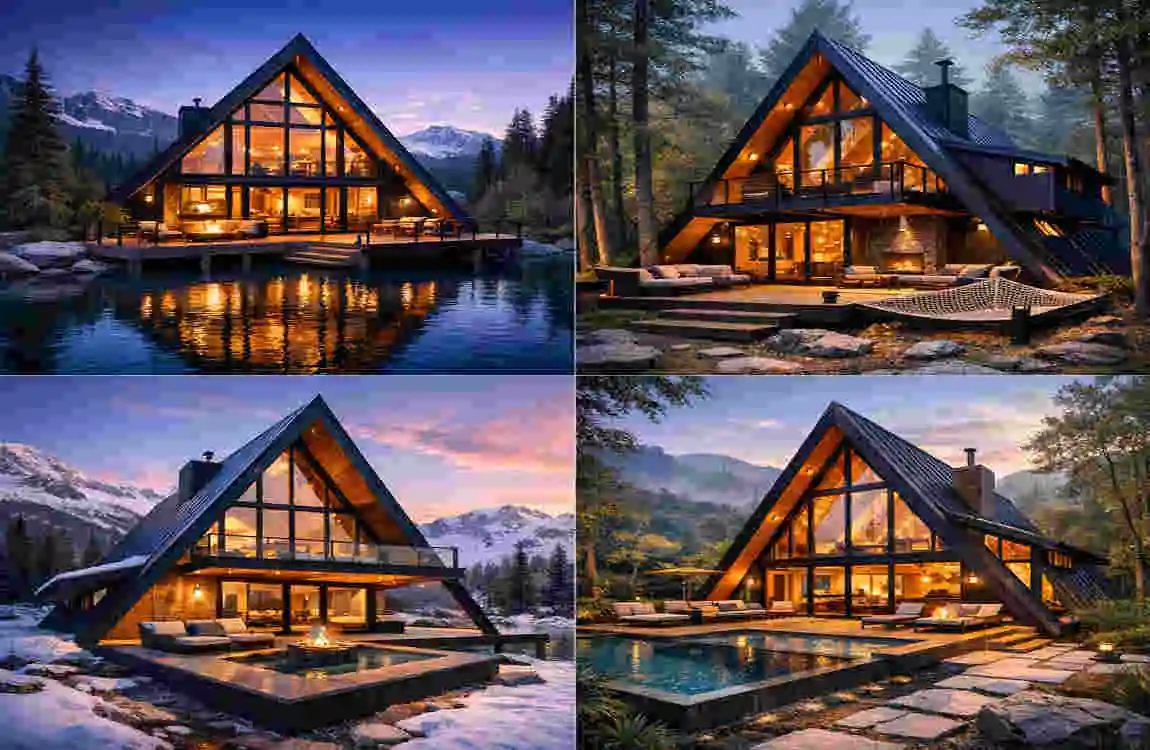
- Modern A-Frame Homes: Often incorporate sleek materials like steel and glass for a contemporary look.
- Rustic Cabin-Style A-Frames: Feature wood paneling and cozy interiors, perfect for nature lovers.
- Tiny A-Frame Houses: Compact yet functional, these homes prove that less can be more.
Frequently Asked Questions About A-Frame House Designs
Are A-frame houses energy-efficient?
Yes, their compact design and steep roofs make them naturally energy-efficient, especially when paired with insulation and sustainable materials.
How much does it cost to build an A-frame house?
On average, costs range from $125 to $200 per square foot, depending on customization and materials.
Can A-frame houses be built in any climate?
Yes! Their sloped roof is ideal for shedding snow and rain, making them suitable for most climates.
Are A-frame houses suitable for families?
While they’re perfect for individuals or small families, larger families might find the space limiting.
| Reason | Why It Appeals to People |
|---|---|
| Iconic Look | The triangular shape creates a unique, instantly recognizable design. |
| Affordable to Build | Simple structure can often reduce construction costs and time. |
| Energy Efficient | Steep roofs and compact layouts can help with heating and insulation. |
| Great for Nature Settings | A-frame house designs fit beautifully in mountains, forests, and lakeside areas. |
| Cozy Interior Feel | The cabin-like style creates a warm, inviting atmosphere. |
| Social Media Appeal | Their photogenic design makes them popular on Instagram and Pinterest. |
| Flexible Use | They work well as vacation homes, tiny homes, or full-time residences. |