If you are replacing windows in a 100-year-old house, you already know this is not a simple home update. Old homes have charm, history, and character, but they also come with uneven frames, worn materials, and hidden damage. Windows are often among the first places where age shows clearly.
| Tip | Why It Matters | Best Approach |
|---|---|---|
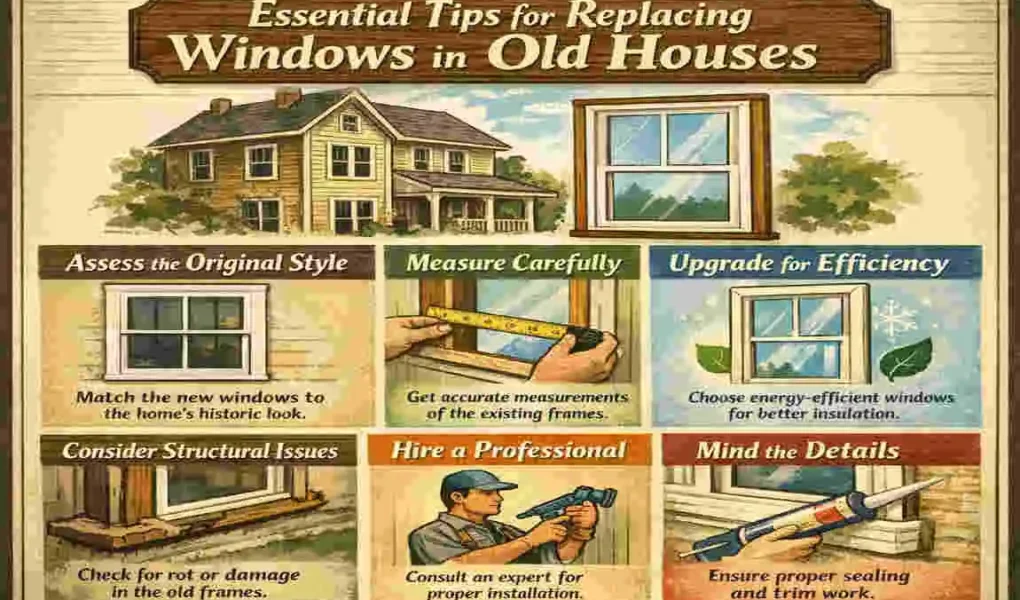
| Assess frame condition first | Hidden rot or water damage can ruin a new installation | Inspect thoroughly; choose full-frame replacement if frames are damaged |
| Choose insert vs. full-frame | Inserts preserve sound frames; full-frame fixes damaged ones | Use inserts when frames are solid; full-frame when damaged |
| Match architectural style | Old houses lose character with mismatched windows | Pick double-hung or custom-fit designs that match the home’s era |
| Prioritize energy efficiency | Older windows lose significant heat/cooling | Select ENERGY STAR-rated windows with low-e coatings and gas fills |
| Hire professionals | DIY often causes gaps, drafts, and structural damage | Professional installation ensures proper fit, sealing, and long-term performance |
Good windows do more than improve your home’s look. They help control drafts, reduce energy loss, and make your house more comfortable year-round. At the same time, you do not want to ruin the historic style that makes your home special. That is why the best window project balances preservation and performance.
Understanding Old House Window Structures
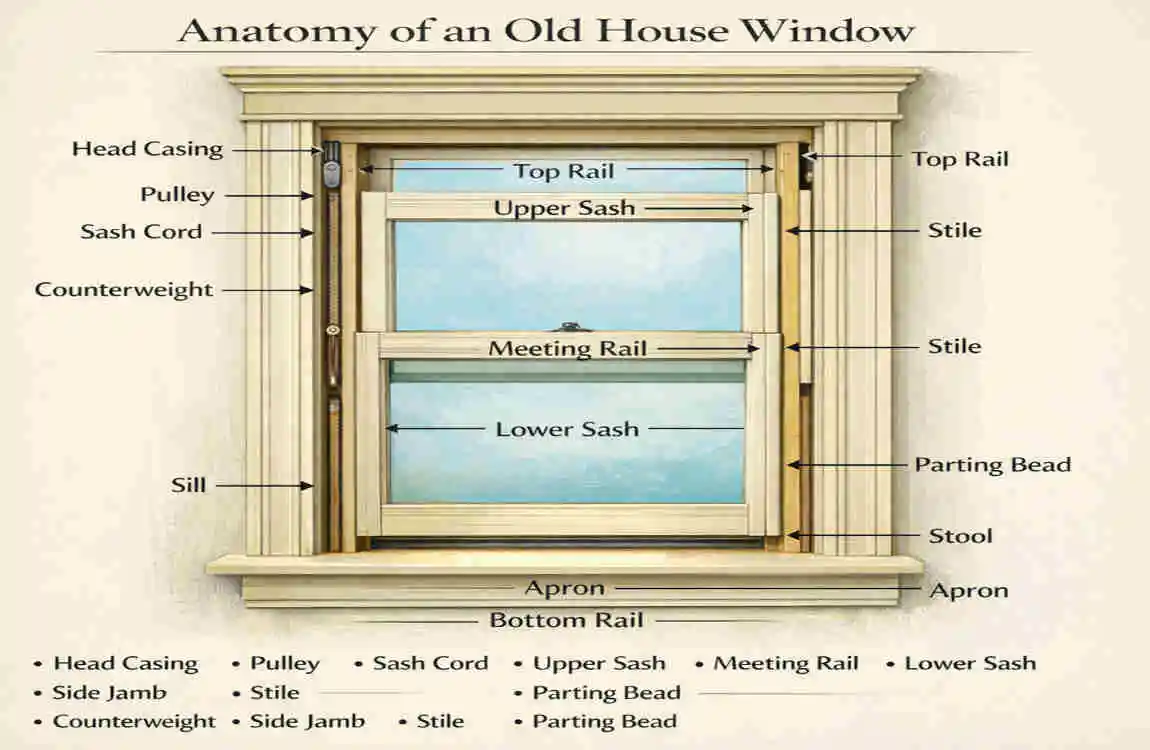
Common Window Types in 100-Year-Old Homes
Most homes built around 100 years ago used wood-framed windows. Many had single-hung or double-hung sash windows, which were common because they were simple, practical, and easy to repair. Some homes also used casement or fixed-pane windows, depending on the house’s design style.
These windows were usually crafted by hand, not mass-produced. That means sizes may vary from one opening to the next, even in the same house.
Materials Found in Historic Windows
Old windows were often made from wood, though some later homes used steel or early aluminum. Wood was the most common choice because it looked good and was easy to shape. The problem is that wood can rot over time if moisture gets in.
Historic windows also used glazing putty, which holds the glass in place. Over time, that putty cracks, dries out, and falls away. Once that happens, drafts and water can get in more easily.
Why Old Windows Are Different from Modern Ones
Modern windows are built for energy efficiency and fast installation. Old windows were built differently, often with thicker walls, deeper trim, and less standard sizing. That means replacing them is not always as simple as removing one and sliding in another.
Signs You Need Window Replacement
Drafts and Energy Loss
If you feel cold air near your windows in winter or warm air leaking in during summer, that is a strong sign your windows are failing. Drafts usually mean worn seals, cracked frames, or gaps around the sash.
Difficulty Opening or Closing
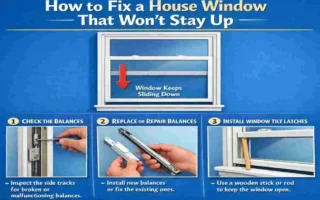
Windows that stick, jam, or refuse to stay open may have warped wood, swollen frames, or damaged hardware. While some of this can be repaired, serious problems often mean replacement is the better choice.
Condensation and Visible Damage
Moisture between panes, soft wood, peeling paint, and visible rot are all warning signs. If you see water damage around the frame, the issue may go beyond the window itself and into the wall structure.
Higher Bills and Noise
Old windows can raise your heating and cooling costs. They also let in more outside noise. If your home feels loud and expensive to run, your windows may be part of the problem.
Challenges of Replacing Windows in a 100-Year-Old House
Uneven Openings and Settling
Older homes often shift over time. That means window openings may not be square, level, or uniform. A standard modern window may not fit well without adjustment.
Structural Damage Behind the Frame
When an old window is removed, hidden problems may appear. You may find rot, damaged framing, water stains, or weak support areas. This is why careful inspection matters before any work begins.
Historic Rules and Style Concerns
If your house is in a historic district, local rules may limit what you can change. Even if there are no formal restrictions, you still want the new windows to match the home’s original style.
Hazardous Materials
Older homes may contain lead paint or old sealants that need special handling. That is one more reason to take safety seriously and avoid rushing the job.
Choosing the Right Window Style for Historic Homes
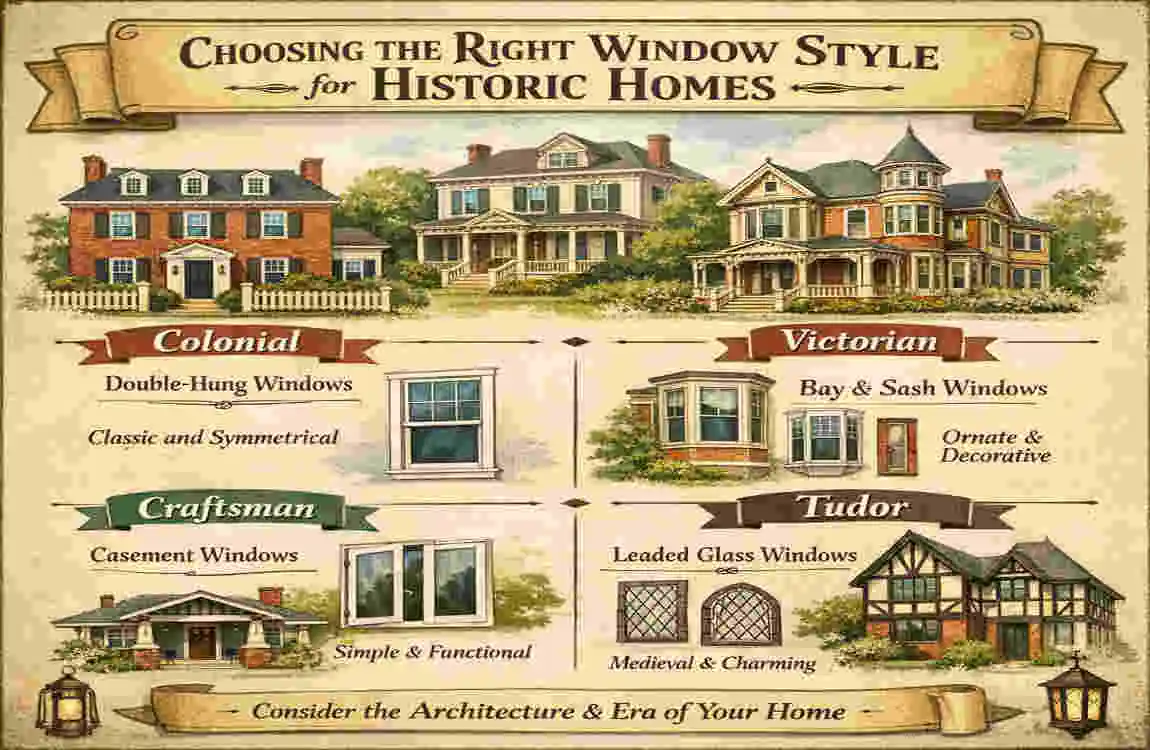
Wood, Fiberglass, or Vinyl?
Here is a simple comparison:
Window Material Main Benefit Main Drawback Best For
Wood Classic historic look More maintenance Preserving original style
Fiberglass Strong and durable Higher cost than vinyl Long-term performance
Vinyl Budget-friendly May not match historic charm Cost-conscious projects
Wood windows usually give the most authentic appearance. Fiberglass offers a strong balance of durability and style. Vinyl can work well if budget is the top priority, but it may not suit every old home.
Custom Fit Matters
In many 100-year-old homes, custom-built windows are worth the investment. They fit better, reduce air gaps, and help preserve the house’s original look. Pay attention to grid patterns, trim, color, and sash style so the new windows do not look out of place.
Double or Triple Glazing
For better comfort, choose energy-efficient glass. Double glazing is often enough for many homes. Triple glazing gives more insulation, but it may cost more and weigh more. The right choice depends on your climate and budget.
Energy Efficiency Considerations
Why Old Windows Lose Heat
Older windows often leak heat because of loose frames, thin glass, and poor sealing. Even a beautiful window can waste energy if it is not sealed properly.
Helpful Upgrades
Look for Low-E glass, insulated frames, and effective weatherstripping. These features help keep heat inside during winter and outside during summer. They also reduce strain on your HVAC system.
Savings Over Time
New windows may not pay for themselves instantly, but they can lower utility bills and improve comfort. In some areas, local rebates or incentives may help reduce the cost.
Repair vs Replacement: What’s Best?
Sometimes you do not need a full replacement. If the wood is still solid and the damage is minor, repairs may be enough. Restoring original windows can preserve character and save money.
However, if the frame is badly rotted, the structure is damaged, or the windows no longer function well, replacement is usually the better long-term choice. Think about cost, performance, and appearance together.
Step-by-Step Process of Replacing Windows in a 100-Year-Old House
Inspect and Measure Carefully
Start with a professional inspection. Measure each opening separately, because old homes are rarely uniform. Accurate measurements are critical.
Choose Materials and Design
Decide what matters most: appearance, efficiency, budget, or durability. Match the window style to your home’s architecture as closely as possible.
Remove the Old Windows
Careful removal is important. The goal is to avoid damaging surrounding trim, plaster, or siding. In old houses, this step must be done slowly and with patience.
Check for Damage
Once the old window is out, inspect the opening for rot, moisture, insect damage, or structural weakness. Repair these issues before installing the new unit.
install the New Frame
Set the new window squarely into the opening. If the frame is even slightly off, the window may not open or seal properly.
Seal and Insulate
Use proper insulation and weather sealing around the frame. This step helps stop drafts and moisture problems.
Finish the Interior and Exterior
Replace trim, touch up paint, and make sure the new window blends with the rest of the house. Good finishing work makes a big difference in the final look.
Test Everything
Open and close each window, check the locks, and look for air leaks. A final inspection helps catch problems early.
Cost of Replacing Windows in Old Homes
The cost of replacing windows in a 100-year-old house varies widely. On average, costs may range from moderate to high depending on the material, size, and condition of the home.
Main Cost Factors
- Material type
- Custom sizing
- Labor complexity
- Need for repairs around the opening
- Historic-style matching
If the job involves custom work or structural repair, the total price can rise quickly. Still, quality windows can improve value and reduce energy waste over time.
Preserving Historical Character While Upgrading
Keep the Original Look
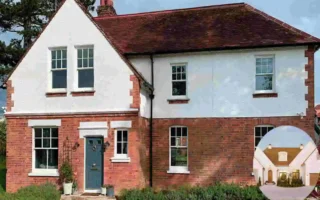
The best window replacement keeps the home’s charm intact. Try to match the original shape, sash style, and trim details.
Use Replica-Style Features
If possible, choose windows with muntins, grids, and profiles that resemble the originals. These small details help the home keep its historic feel.
Respect the Surrounding Trim
Old trim and molding often add to a home’s character. Preserve them whenever you can, or recreate them carefully if replacement is needed.
DIY vs Professional Installation
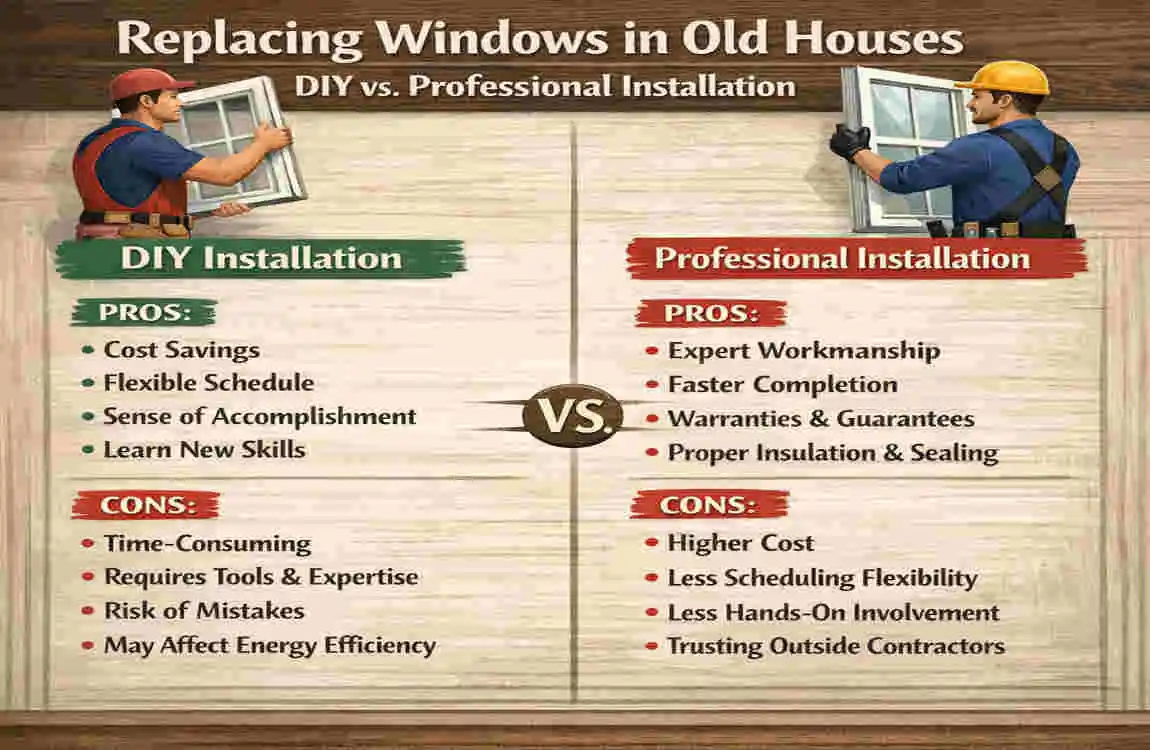
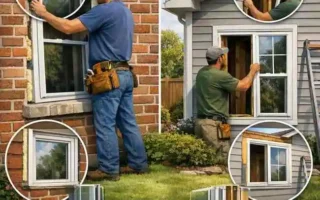
DIY may sound tempting, but old homes are tricky. A small mistake can lead to leaks, crooked windows, or damaged framing. Professionals have the tools and experience to handle uneven openings, hidden damage, and special materials.
If you are replacing a simple interior window in good condition, DIY might be possible. But for a 100-year-old house, professional installation is usually the safer choice. It also helps protect your warranty.
Common Mistakes to Avoid
Here are some of the most common problems homeowners make:
- Ignoring structural damage
- Choosing the wrong window style
- Taking poor measurements
- Skipping insulation and sealing
- Overlooking moisture protection
- Forgetting historic guidelines
Each of these mistakes can lead to higher costs later. Take your time and plan carefully.
Maintenance Tips After Window Replacement
After installation, keep your windows in good shape with simple care. Clean them regularly, inspect seals, and check for peeling caulk. Lubricate moving parts when needed.
Seasonal checks are also helpful. Before winter, look for drafts. Before the rainy months, make sure water cannot get inside. Small maintenance habits can extend the life of your windows.
Environmental Impact of Window Replacement
New windows can lower energy use, which helps reduce your home’s carbon footprint. Choosing durable materials also matters because longer-lasting products create less waste over time.
If your old windows can be repaired, consider reusing them instead of sending them to the landfill. Sustainable choices are good for both your home and the environment.
FAQs
Is it worth replacing windows in a 100-year-old house?
Yes, if the windows are badly damaged, drafty, or hard to use. Replacement can improve comfort and energy efficiency.
What is the best window type for old houses?
Wood is best for authenticity, while fiberglass is a strong, durable option. The right choice depends on your budget and style goals.
How much does window replacement cost in historic homes?
Costs vary based on size, material, custom work, and repair needs. Old homes often cost more than newer homes because the work is more complex.
Can old windows be repaired instead of replaced?
Yes, if the frame is still solid and the damage is limited. Repair is often a good choice when you want to preserve original details.5. How do I maintain historical charm during replacement?