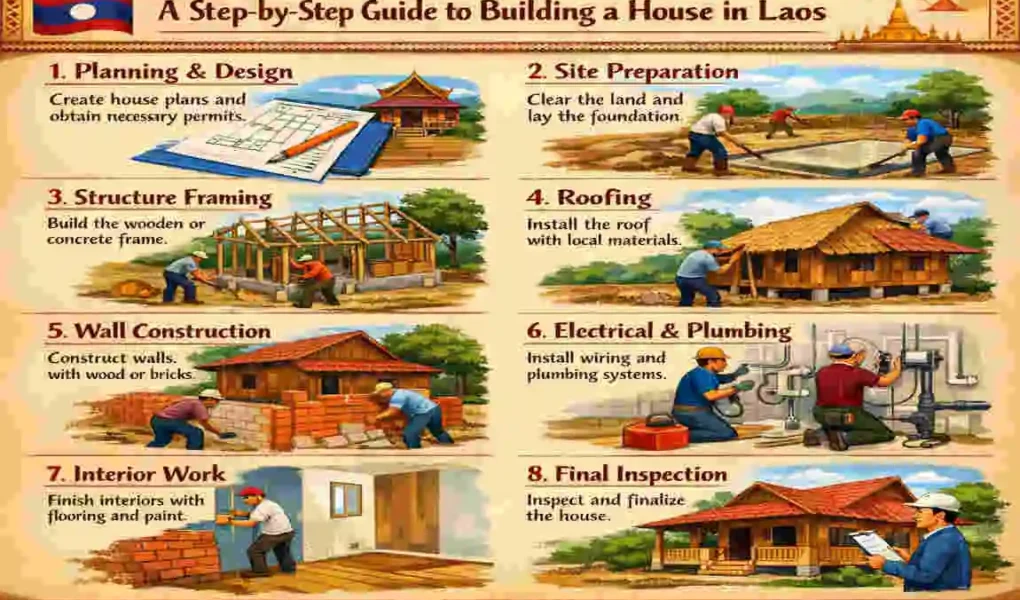
Building a home in Laos is becoming more popular every year. Many people now see Laos as a calm, affordable, and practical place to live. The country has beautiful scenery, a slower pace of life, and lower building costs than many nearby countries. That is why homeowners, retirees, expats, and investors are all paying attention.
| Key tasks in Laos | ||
|---|---|---|
| Plan & budget | Decide size, style, and materials; set a realistic budget; consult a local architect or builder familiar with Lao building codes. | |
| Secure land & permits | Buy or lease land with clear title; apply for local‑level building permits and check zoning rules with the district or municipality. | |
| Design the house | Prepare simple plans (often 1–2 stories) that suit the climate, including roof overhangs for heavy rain and good ventilation. | |
| Site preparation | Clear vegetation, level the ground, mark out foundations, and ensure proper drainage to handle monsoon‑season downpours. | |
| Foundation & structure | Build foundations on compacted soil or piers; then raise the main structure (often concrete block or timber frame) up to roof level. | |
| Roofing & enclosure | Install a strong roof (metal sheet or tile) with wide overhangs; complete walls, doors, and windows to close the house envelope. | |
| Services (plumbing & electrical) | Lay pipes and wiring inside walls and floors, respecting local safety standards before final finishes. | |
| Finishes & landscaping | Apply plaster, paint, flooring, and exterior finishes; add simple landscaping, drainage channels, and any septic system. | |
| Inspection & handover | Arrange a basic inspection by local authorities or a qualified engineer; clean the site and begin occupancy. |
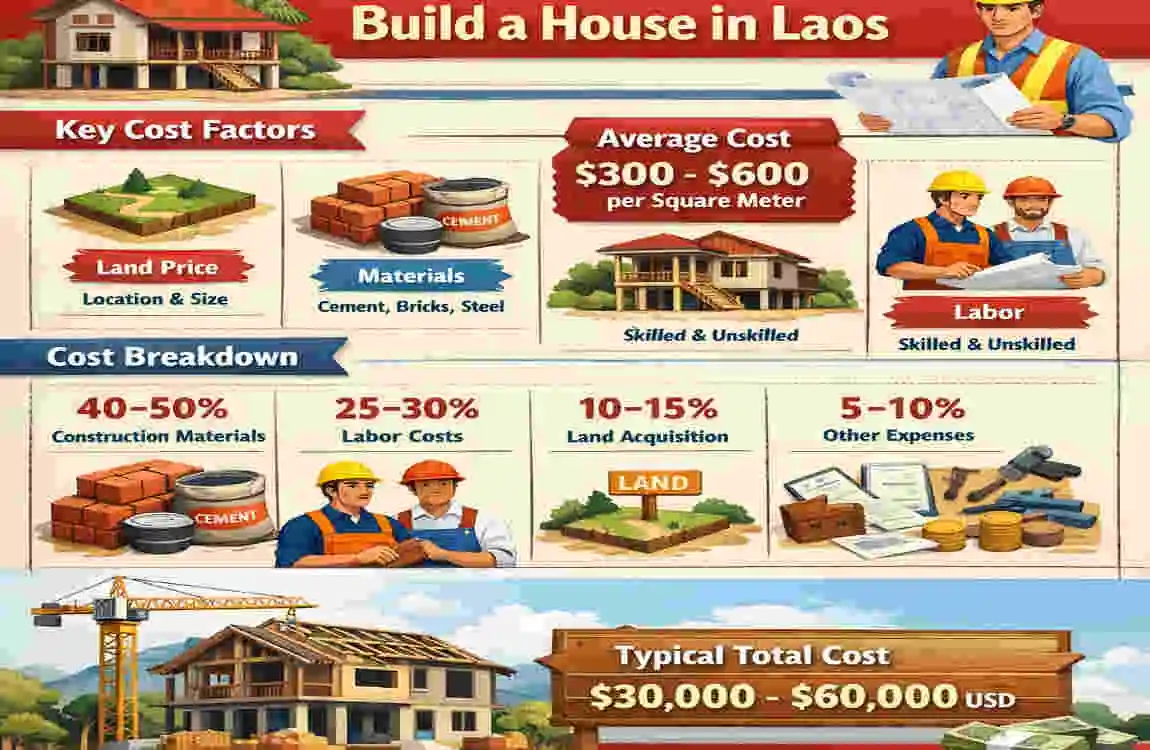
If you are planning a home project, one of the first questions you will ask is how much it costs to build a house in Laos. The answer depends on the land, the design, the materials, the location, and the contractor you choose. Still, you can get a clear idea of the total budget before you start.
Understanding the Housing Market in Laos

Why People Are Building Homes in Laos
Many people choose to build house instead of buy because it gives them more control over the final result. They can choose the layout, materials, and style that best fit their needs.
Laos also has lower construction costs than many neighboring countries. In rural areas, land can be very affordable, making the overall project easier to manage. The peaceful lifestyle and natural setting are also big reasons people want to settle here.
Popular Locations to Build a House
Some areas are more popular because they offer better roads, services, and business activity.
- Vientiane is the top choice for city living and access to services.
- Luang Prabang is popular for its culture and tourism appeal.
- Pakse attracts people who want to live in a growing southern city.
- Savannakhet is known for trade and transport.
- Rural provinces offer cheaper land and quiet surroundings.
Average Property Prices Across Laos
In general, urban land costs more than rural land. City plots are more expensive because they are easier to access and usually have better infrastructure. Rural land is cheaper, but it may not yet have full road access, water, or electricity.
This difference matters because your land choice can change your whole budget. A cheaper plot may look attractive, but added utility work can increase the final cost.
How Much Does It Cost to Build a House in Laos?
Average Cost Per Square Meter
The cost to build a home in Laos depends on the type of house you want.
A basic home usually costs less because it uses simple materials and a straightforward design. A mid-range home costs more due to better finishes, stronger materials, and more detailed construction. A luxury home can cost much more because of custom work, imported materials, and high-end fixtures.
As a rough guide:
- Basic homes: lower cost per square meter
- Mid-range homes: moderate cost per square meter
- Luxury homes: highest cost per square meter
These numbers can vary significantly depending on your location and material choices.
Estimated Total Costs by House Type
House Type Estimated Cost
Small rural home $20,000–$40,000
Standard family home $40,000–$90,000
Modern villa $100,000+
These are general estimates, not fixed prices. A simple rural house may stay affordable, while a large home in the city can quickly move into a much higher range.
Factors That Affect Construction Costs
Several things influence the final price of building a house in Laos:
- Size of the house: Bigger homes need more materials and labor.
- Materials used: Concrete, steel, wood, and imported finishes all affect cost.
- Labor costs: Skilled workers may charge more, especially in cities.
- Location: Remote areas may need extra transport costs.
- Imported materials: These often cost more than local options.
- Design complexity: Simple homes are cheaper than custom designs.
Hidden Costs Many People Forget
Many first-time builders focus only on the house itself. That can lead to budget problems later.
Common hidden costs include:
- Permit fees
- Utility connections
- Fencing
- Landscaping
- Furniture and appliances
These items may not look large at first, but together they can add a significant amount to your project.
Can Foreigners Build or Own a House in Laos?
Land Ownership Laws in Laos
Foreigners usually face restrictions on owning land in Laos. In many cases, land ownership is limited for non-citizens, so you need to understand the rules before you buy.
Some foreigners use land lease agreements instead of direct ownership. Others work through local partnerships or joint ventures. These options can be useful, but they should be handled carefully.
Legal Requirements Before Building
Before starting construction, you should confirm a few important things:
- The land title is clear
- You have the right construction permits
- Local authorities approve the project
- The land is suitable for building
Skipping these steps can cause legal trouble later.
Hiring a Lawyer or Legal Consultant
A local lawyer or legal consultant can help you avoid ownership problems and contract mistakes. This is especially helpful if you are new to the laws governing property in Laos.
A good advisor can check the documents, explain the rules, and help protect your investment. That small cost can save you from much bigger losses later.
Choosing the Right Land
What to Look for in a Building Plot
The land you choose will affect the cost, comfort, and safety of your home. Before you buy, look closely at the plot itself.
Check for:
- Road access
- Water and electricity
- Flood risks
- Soil quality
A cheap plot may not be a good deal if it needs major work before you can build.
Urban vs Rural Land
Urban land usually costs more but often offers better access to roads, utilities, and services. Rural land is cheaper and quieter, but you may need to spend more on setup.
If you want convenience, city land may suit you better. If you want space and lower land prices, a rural plot may be the smarter choice.
Questions to Ask Before Buying Land
Ask these questions before making a decision:
- Is the title clear?
- Are utilities available?
- Are there zoning restrictions?
These simple checks can prevent serious problems later.
Planning Your House Design
Choosing Between Traditional and Modern Designs
In Laos, you can choose from several styles.
A traditional Lao-style home may use local design features and work well with the climate. A Western-style home may give you a more familiar layout. A hybrid design blends both styles and is often a smart middle ground.
The best option depends on your budget, taste, and long-term use.
Working With Architects in Laos
A local architect can help you design a home that fits the land, climate, and building rules. Foreign designers may bring fresh ideas, but local experts usually understand the local conditions better.
Design fees vary, so ask for a clear price before work starts.
Designing for Laos’ Climate
Laos has a hot, wet climate, so your home should handle heat and rain well. Good ventilation helps keep rooms cooler. Strong roof design helps protect the house during heavy rain.
A practical design can make the home more comfortable and easier to maintain.
Setting a Realistic Construction Budget
Creating a Full Budget Breakdown
A strong budget should include all major costs, not just building materials.
Your budget should cover:
- Land purchase
- Design fees
- Labor
- Materials
- Utilities
When you list everything from the start, it becomes easier to stay in control.
Emergency and Contingency Funds
It is smart to keep 10–20% extra in your budget. This helps if material prices rise, the project takes longer than expected, or unexpected repairs come up.
Without this cushion, even a well-planned build can run into trouble.
Ways to Reduce Building Costs
You can save money by:
- Using local materials
- Choosing simple designs
- Buying materials in bulk
These steps do not have to reduce quality. They help you spend more wisely.
Hiring Contractors and Builders
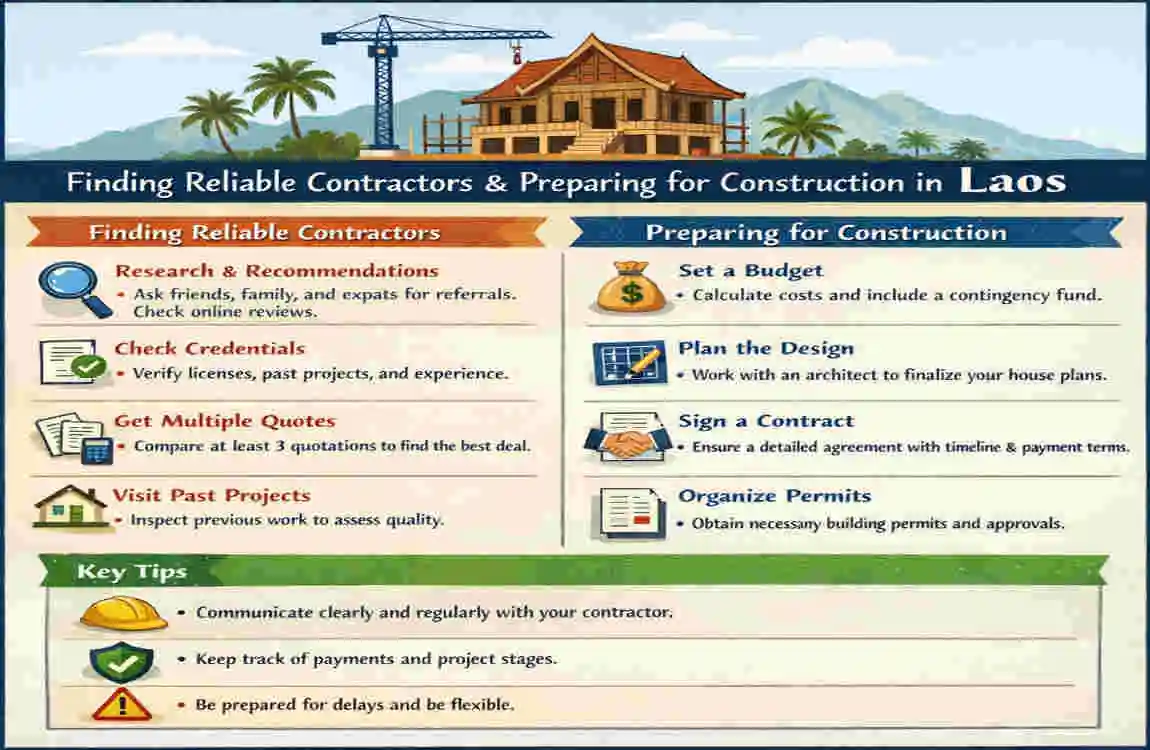
Finding Reliable Contractors in Laos
A good contractor can make the whole project smoother. You can find one through recommendations, local referrals, and online reviews.
Look for someone with a solid track record and experience building the type of home you want.
Questions to Ask Before Hiring
Before you sign anything, ask:
- Are you licensed?
- Have you done similar projects?
- What is your timeline estimate?
Clear answers show professionalism. Vague answers are a warning sign.
Comparing Quotes and Contracts
Never accept a verbal agreement alone. Request a written contract that outlines the work, timeline, payment schedule, and any warranty terms.
Red Flags to Watch Out For
Be careful if you see:
- Unusually low prices
- No written contract
- Poor communication
These are often signs of future delays or poor artistry.
Obtaining Permits and Approvals
Building Permit Requirements
Most building projects need approval from the local municipality. You may also need engineering plans that show the structure is safe and properly designed.
Utility and Infrastructure Permissions
You may also need approvals for:
- Water connection
- Electricity setup
These steps can take time, so it is best to start early.
Expected Timeline for Approvals
Permit timelines can vary. Delays often occur due to missing documents, unclear land records, or slow processing. The best way to avoid problems is to prepare everything carefully before you submit.
The House Construction Process
Site Preparation
Construction begins with site preparation. This includes clearing the land, checking the soil, and marking the foundation lines.
If this step is done badly, the whole project can suffer later.
Foundation and Structural Work
The foundation is one of the most important parts of the house. In Laos, many homes use concrete foundations, followed by framing and wall construction.
Strong structural work helps the house last longer and withstand wet weather better.
Roofing and Exterior Construction
Roofing is important in a tropical climate. Many builders use materials that can handle heat and heavy rain. Exterior finishing also helps protect the home from moisture and wear.
Plumbing and Electrical Installation
Plumbing and electrical work should comply with local standards and safety regulations. This stage is not the place to cut corners. Good wiring and proper piping protect both the home and the people inside it.
Interior Finishing
Once the structure is complete, the team can move to flooring, painting, kitchens, and bathrooms. This is usually the stage where the house starts to feel real.
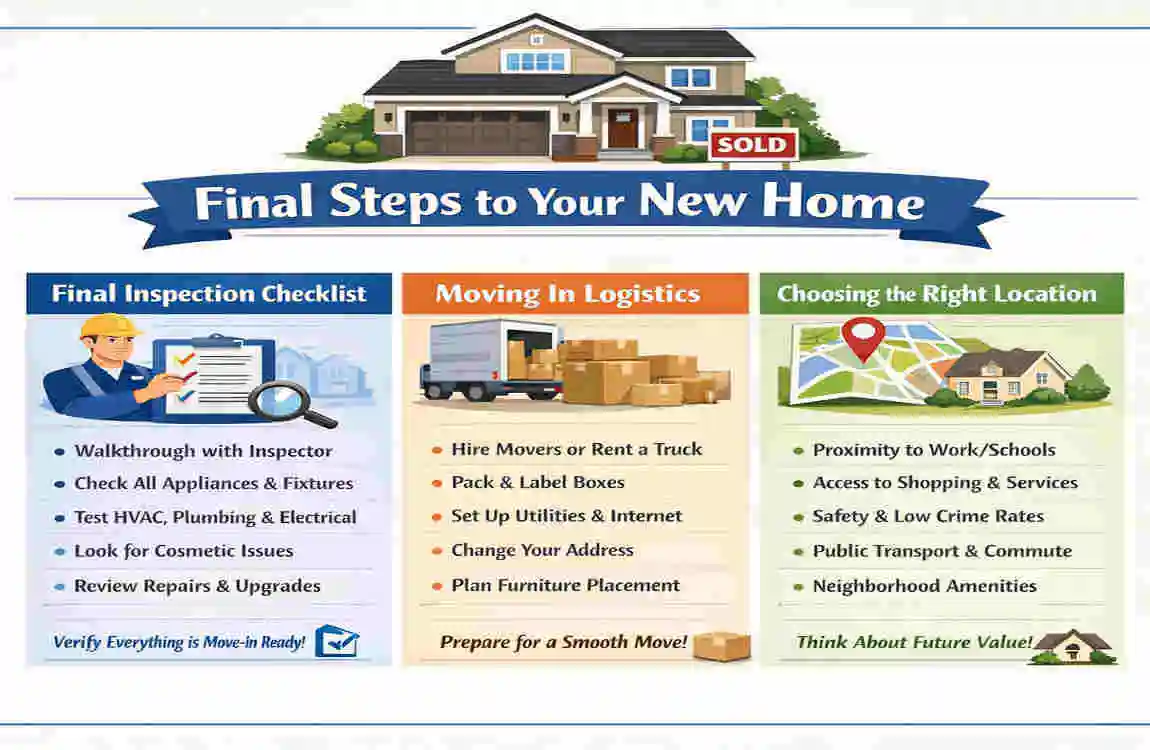
Final Inspection and Move-In
Before moving in, check the quality of the work and test the utilities. Make sure everything functions as expected and that small issues are fixed before handover.
Best Building Materials for Homes in Laos

Common Construction Materials Used
The most common materials include:
- Concrete
- Brick
- Wood
- Steel
Each one has its own price, strength, and look. Concrete and brick are popular for durability, while wood may be used for style or certain design features.
Imported vs Local Materials
Local materials are usually cheaper and easier to source. Imported items may offer higher-end finishes, but they can quickly push your total budget over the limit.
The right choice depends on whether you value lower cost, special design, or Premium quality.
Materials Best Suited for Tropical Weather
In Laos, it is wise to choose materials that handle moisture and heat well. Look for moisture-resistant materials and heat-resistant roofing to keep the house safer and more comfortable.
Common Challenges When Building a House in Laos
Weather Delays During Rainy Season
Rain can slow down outdoor work, especially during the wet season. If possible, plan major construction during the drier months.
Material Availability Issues
Some imported products may take time to arrive. This can slow the project and raise costs if you are not prepared.
Language and Communication Barriers
If you do not speak the local language, communicating with contractors may be more difficult. A translator or trusted local helper can make a big difference.
Budget Overruns
Costs often rise due to poor planning, design changes, or unexpected site issues. Careful tracking helps reduce this risk.
Tips to Save Money When Building in Laos
Use Local Labor and Materials
Local workers and materials are often cheaper and easier to arrange. This is one of the simplest ways to lower your building budget.
Build in Phases
If your budget is limited, build the house in stages. You can complete the main structure first and finish the other parts later.
Avoid Overly Complex Designs
Simple homes are usually cheaper to build and easier to maintain. They also tend to better fit the local climate.
Monitor Construction Progress Regularly
Visit the site often or assign someone you trust to check progress. This helps prevent mistakes, waste, and fraud.
Is Building a House in Laos Worth It?

Pros of Building in Laos
Building in Laos offers several clear benefits:
- Affordability
- Custom design freedom
- Investment potential
If you want a home that fits your exact needs, a building can be a great choice.
Cons to Consider
There are also challenges. Legal rules can be complex, especially for foreigners. In some rural areas, infrastructure may be limited, which can add time and money to the project.
Final Verdict
Building in Laos can be a smart move if you plan carefully. It is often best for people who want lower costs, a peaceful lifestyle, and a home built to their own taste.
Frequently Asked Questions
How much does it cost to build a house in Laos?
The cost depends on size, location, and materials. A small rural home may cost around $20,000–$40,000, while a standard family home can cost $40,000–$90,000 or more. A modern villa may cost $ 100,000 or more.
Is it cheaper to build or buy a house in Laos?
It depends on the land, location, and condition of the house. Building can be cheaper if you want a simple home and already own land. Buying may be faster, but it can cost more in city areas.
Can foreigners legally own property in Laos?
Foreigners usually face limits on land ownership. Many use leases, local partnerships, or other legal structures instead. It is important to review the rules carefully.
How long does it take to build a house in Laos?
A small house may take a few months, while a larger home can take much longer. Delays can occur due to weather, permits, or material shortages.
What is the cheapest type of house to build in Laos?
A simple one-story rural house is usually the cheapest. Straightforward designs and local materials help keep costs down.
Do I need a building permit in Laos?
Yes, in most cases, you need approval before building. Local permits and utility permissions are important parts of the process.
What are labor costs like in Laos?
Labor costs are generally lower than in many nearby countries, but prices vary by location and skill level. Skilled workers in cities may charge more.
Is Laos a good place for real estate investment?
It can be, especially in growing cities and popular areas. Still, you should study local laws, land rules, and market demand before investing.