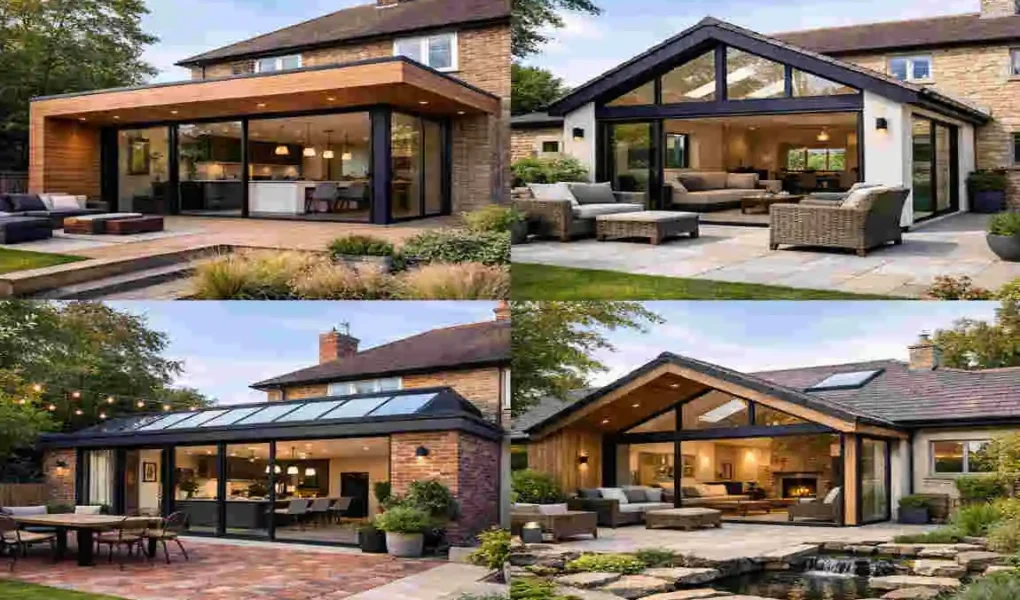
A single-story house extension is a smart way to add more space to your home without the stress of moving. It can give you a bigger kitchen, a brighter family room, a quiet office, or even a more open layout for daily life. The best part is that a well-planned extension can also improve your home’s appearance and increase its value.
If you are thinking about extending your home, the key is to choose a design that fits both your lifestyle and your house style. A good extension should feel like a natural part of the home, not something added on as an afterthought.
Why Choose a Single Story House Extension?
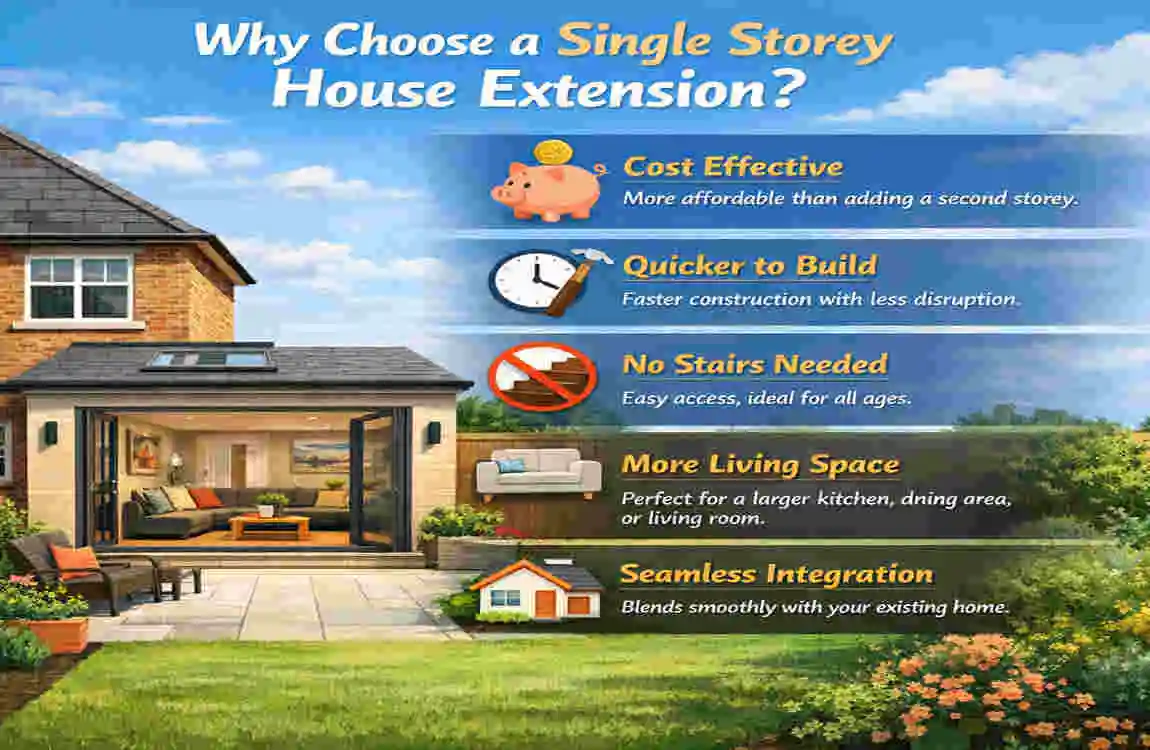
Single-story extensions are popular for a reason. They are practical, flexible, and often more affordable than adding another floor.
More Space for Everyday Living
One of the biggest benefits is extra living space. You can create a larger kitchen, a dining area, a playroom, or a relaxed family room. This gives your home more breathing room and makes daily life easier.
Better Natural Light
Many single-story designs feature large windows, glass doors, or skylights. These features bring in more daylight and make the space feel open and welcoming. A bright room often feels much bigger too.
Lower Cost Than a Double-Storey Extension
A single-story extension usually costs less than building up. The structure is simpler, and the project is often easier to manage. That makes it a good choice for homeowners who want more space without a huge build.
Higher Property Value
A well-designed extension can add real value to your home. Buyers often love extra space, especially when it improves the kitchen, living area, or home office setup.
Best Single Story House Extension Designs
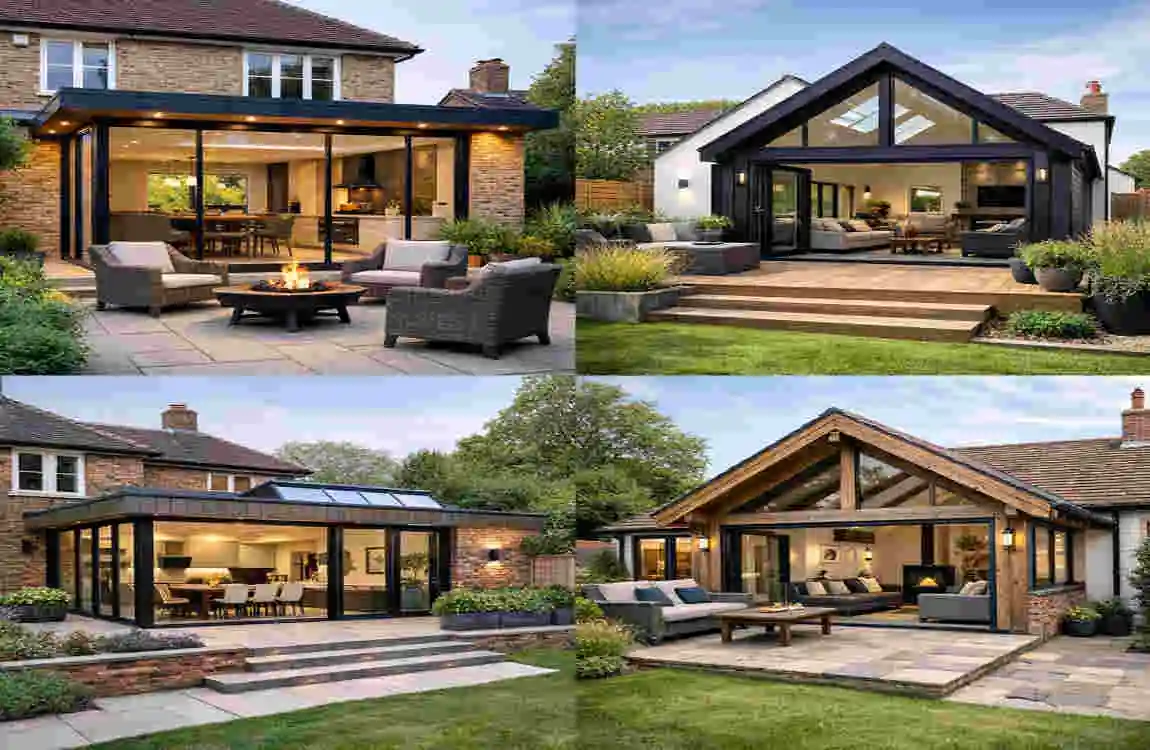
Open-Plan Kitchen Extension
This is one of the most popular choices. It removes barriers between the kitchen, dining, and living spaces, creating one large, social area.
It works well for families who enjoy spending time together while cooking, eating, or entertaining guests. It also makes the home feel much more modern and open.
Rear House Extension
A rear extension adds space to the back of your home. This is ideal if you want a larger family room, an extended kitchen, or a bright dining area.
The front of the house stays the same, so the change feels private and practical. It is a great option if you want to improve your home without changing its street appearance.
Side Return Extension
This design makes use of narrow side space that is often wasted. It is especially useful for homes with a long side passage or unused strip of land.
A side return extension can bring in more light and create a wider, more useful room without taking too much garden space. It is a clever way to improve a home layout.
Glass Box Extension
If you want a modern look, a glass box extension is a stylish choice. It uses large glass panels to create a bright, clean space that feels connected to the garden.
This design works beautifully for dining rooms, sitting areas, or reading corners. It is especially good if you want a strong indoor-outdoor feel.
Home Office Extension
Working from home is now part of everyday life for many people. A dedicated office extension gives you a quiet place to focus and helps keep work separate from family time.
This type of extension does not need to be large. Even a compact, well-planned office can make a big difference to your routine.
Design Tips to Get the Best Result
The design details matter just as much as the extension itself. Small choices can change how the space looks and feels.
Design Feature Benefit
Skylights Increase natural light
Sliding Glass Doors Improve garden access
Matching Exterior Materials Create a seamless appearance
Open Layout Make rooms feel larger
Energy-Efficient Insulation Reduce heating and cooling costs
Think About Flow
A good extension should feel easy to move through. Try to create a layout that connects naturally with the rest of the modern house. You should be able to walk from one space to another without awkward corners or wasted space.
Use Light Wisely
Natural light makes a huge difference. Skylights, roof lanterns, and large windows can make even a small extension feel bigger and more inviting.
Match the Existing Home
If the new extension looks too different, it can feel out of place. Using similar bricks, roof shapes, or exterior finishes helps the new space blend in with the rest of the house.
Things to Consider Before Building
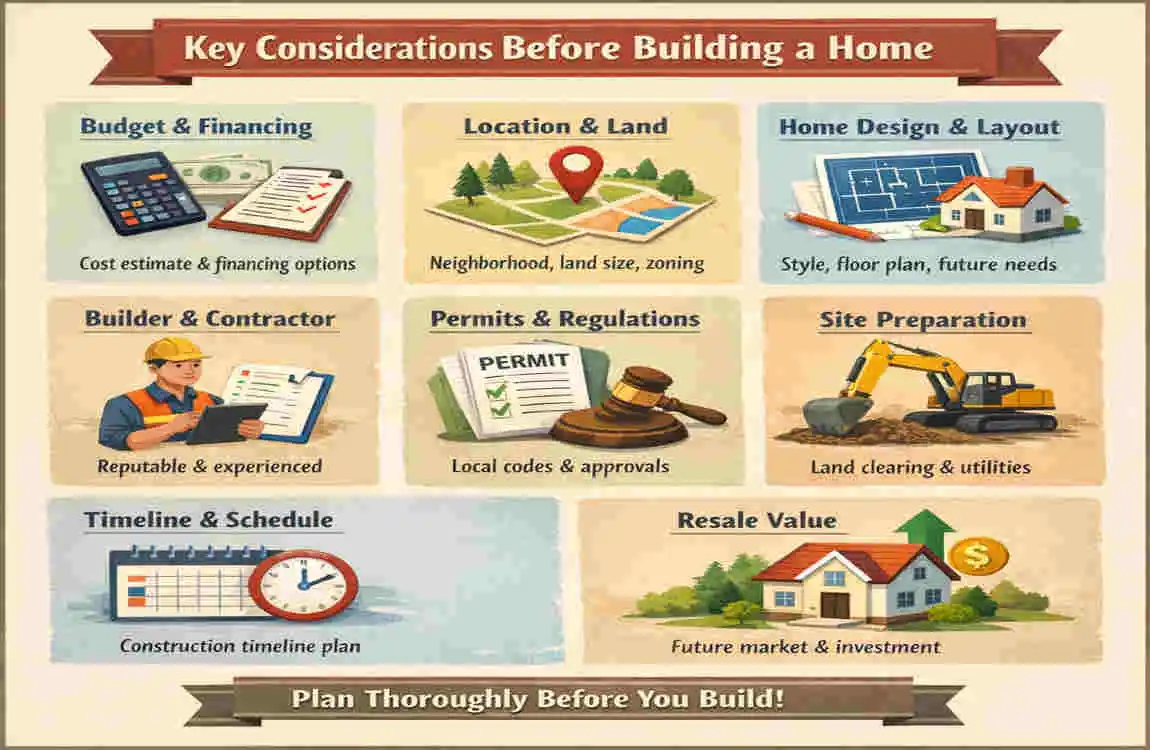
Before you start, it helps to think carefully about planning, budget, and long-term needs.
Planning and Regulations
Always check local planning and building rules before work begins. Some projects may need approval, while others may fall under permitted development. It is better to confirm this early than face delays later.
Budget
Set a clear budget from the start. Remember to include not just the building work, but also flooring, lighting, painting, and finishing touches. These smaller costs can add up quickly.
Future Use
Think beyond your current needs. Will the space still work in five or ten years? A flexible design is often the best choice because your family needs may change over time.
Professional Help
Hiring experienced architects and builders can save time and stress. Good professionals can help you avoid common mistakes and make the most of your budget and space.
Frequently Asked Questions
What is the most popular single-story house extension?
An open-plan kitchen and dining extension is one of the most popular choices because it creates a spacious, sociable area.
Is a single-story extension cheaper than a double-story extension?
Yes, in most cases it is cheaper because the structure is simpler and there are fewer building requirements.
Do single-story extensions add value to a home?
Yes. A well-designed extension often increases property value by adding useful living space and improving the overall layout.
What is the best roof style for a single-story extension?
Flat roofs and pitched roofs are both common. The best choice depends on your home’s style and the look you want.
| Extension Design | Best For | Key Features | Main Benefits |
|---|---|---|---|
| Rear Extension | Kitchens & dining rooms | Extends the back of the house | Creates more living space and improves natural light |
| Side Return Extension | Narrow properties | Uses unused side alley space | Maximizes floor area without reducing the garden |
| Wrap-Around Extension | Open-plan family homes | Combines rear and side extensions | Offers a spacious, modern layout |
| Glass Box Extension | Contemporary homes | Large glass walls and roof | Brings in abundant daylight and garden views |
| Orangery Extension | Living or dining rooms | Brick structure with large windows | Adds elegance and year-round comfort |
| Conservatory Extension | Relaxation space | Glass walls and roof | Affordable way to enjoy outdoor views |
| Flat Roof Extension | Modern homes | Clean lines with rooflights | Cost-effective and stylish design |
| Pitched Roof Extension | Traditional homes | Sloped roof matching the house | Blends seamlessly with existing architecture |
| Garden Room Extension | Home office or lounge | Opens directly to the garden | Creates a peaceful, multifunctional space |
| Open-Plan Kitchen Extension | Family living | Large kitchen, dining, and seating area | Improves functionality and increases property value |