If you are asking whether now is a good time to build a home, you are probably weighing a big life decision. Building a new home can be exciting, but it also comes with cost, time, and planning. In 2026, many people are thinking about building instead of buying because they want more control over design, layout, and energy efficiency.
At the same time, construction costs, mortgage rates, and labor prices can make the choice feel complicated. That is why it helps to look at the full picture before you decide.
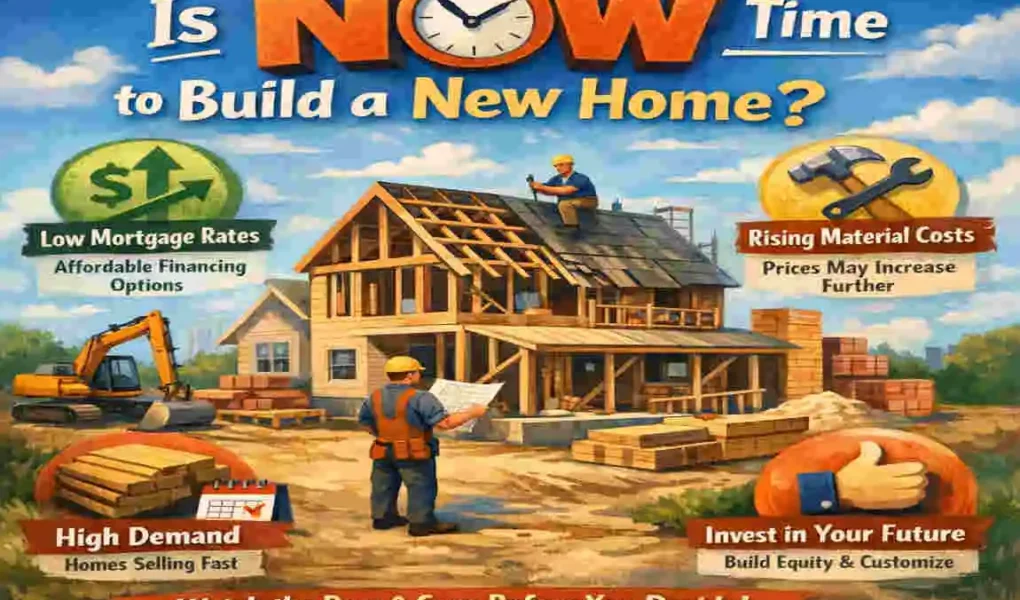
Is Now a Good Time to Build a Home?
The Short Answer
The short answer is: yes, for some people, but not for everyone.
If you have stable income, good credit, enough savings, and a clear long-term plan, building now can make sense. You may get a home that fits your exact needs and avoids the hassle of future renovations.
But if your budget is tight, your job situation is uncertain, or you are hoping for a major drop in interest rates soon, waiting may be smarter. Building a home is a big financial move, and timing matters.
Key Factors That Affect the Decision
When deciding whether now is a good time to build a home, think about these points:
- Budget: Can you handle land, construction, and extra costs?
- Location: Is land available in an area you actually want?
- Interest rates: Will monthly payments fit your comfort zone?
- Construction costs: Are materials and labor priced within reach?
- Timeline: Do you need a home soon, or can you wait?
The best time to build is usually when your finances and personal plans are ready, not just when the market feels perfect.
Current Housing Market Trends in 2026
Home Prices
In many places, existing homes are still expensive, especially in areas with limited supply. Buyers often compete for move-in-ready homes, which keeps prices high.
New construction can also be costly, but it offers something different: customization. You may pay more upfront, but you get a home built around your needs.
Mortgage Interest Rates
Mortgage rates remain an important factor in 2026. Even a small rate change can affect your monthly payment quite a bit.
For example, a higher rate may not stop you from building, but it can make the loan less comfortable. That is why many buyers compare the full monthly cost before moving forward.
Supply and Demand
Housing supply is still tight in many markets. That means fewer choices for buyers and more pressure on prices.
Builders are active in many regions, but new homes are not always enough to meet demand. If your area has strong demand and limited land, building may cost more than expected.
Advantages of Building a New Home
Complete Customization
One of the biggest benefits of building is control. You can choose the floor plan, room sizes, finishes, and storage space.
That means you do not have to settle for a layout that almost works. You can build a home that fits your daily life from the start.
Better Energy Efficiency
New homes usually include better insulation, modern windows, and energy-saving systems. That can lower utility bills and improve comfort.
If you want a home that performs well for years, this is a strong reason to build.
Lower Maintenance Costs
A brand-new home often needs fewer repairs in the early years. Major systems like the roof, plumbing, and electrical setup are all new.
Many builders also offer warranties, which can reduce stress if a problem shows up early.
Health and Safety Benefits
New homes are built to current codes. That means they often include better safety standards, cleaner airflow, and more modern materials.
If you care about a fresh start, this can be a major advantage.
Disadvantages of Building a New Home
Higher Upfront Costs
Building usually costs more at the beginning than buying an older home. You may need to pay for land, permits, site work, construction, and finishes.
That can stretch your budget quickly.
Construction Delays
Weather, labor shortages, material shortages, and permit delays can push your timeline back. If you need to move fast, this can be frustrating.
Material Price Fluctuations
Prices for lumber, concrete, fixtures, and other materials can change during the build. Even a small increase can affect your total budget.
Unexpected Expenses
It is common to find extra costs during construction. Site preparation, utility hookups, or soil issues can all add surprises.
Financing Challenges
Construction loans can be more complicated than regular mortgages. They may have stricter requirements, and the approval process can take time.
Cost Breakdown of Building a Home
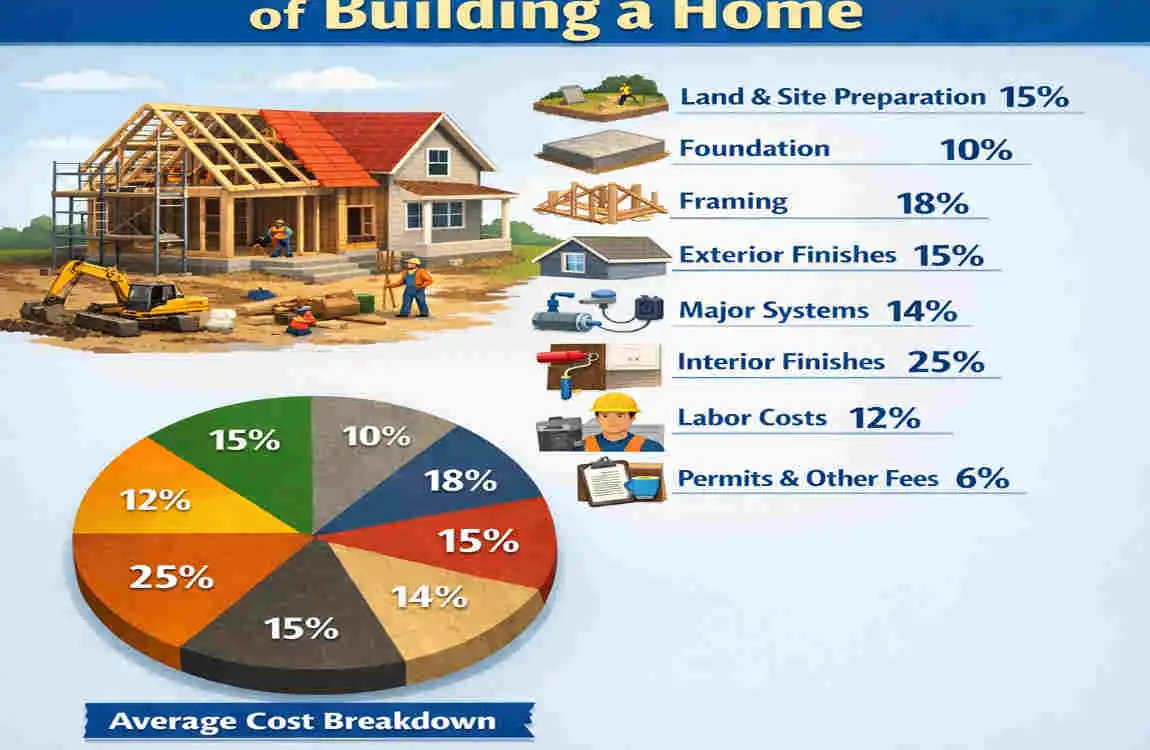
Understanding the budget is one of the most important parts of deciding whether now is a good time to build a home.
Land Purchase
If you do not already own land, this may be one of your highest costs. Land prices vary a lot by location.
Site Preparation
This includes clearing, leveling, and preparing the land for the foundation. It can cost more if the land needs heavy work.
Labor Costs
Builders, electricians, plumbers, roofers, and finish crews all add to the total cost. Labor is often one of the largest parts of the budget.
Building Materials
Materials like wood, roofing, windows, cabinets, and flooring can take up a major share of the total.
Permits and Inspections
Most projects require permits and inspections to comply with local regulations. These may seem small compared to the full build, but they still matter.
Interior Finishes
Flooring, paint, appliances, counters, lighting, and trim can make a big difference in the final cost. These choices often add up faster than people expect.
Cost Overview Table
Expense Typical Share of Budget
Land 15–25%
Foundation 10–15%
Framing 15–20%
Roofing 5–8%
Plumbing & Electrical 10–15%
Interior Finishes 20–30%
Landscaping 3–8%
Should You Build or Buy an Existing Home?
Building vs Buying Comparison
Building New Buying Existing
Fully customizable Move-in ready
Energy efficient Often lower upfront cost
Longer timeline Faster purchase
Higher initial cost Possible renovation costs
If you want a home that matches your exact needs, building can be the better choice. If you want to move quickly and keep upfront costs lower, buying an existing home may be easier.
Who Should Build a New Home?
First-Time Buyers
First-time buyers who want a long-term home may like building because they can start fresh and avoid future remodels.
Growing Families
If your family is getting bigger, building lets you create the space you actually need.
Retirees
Retirees often prefer a simpler layout, fewer stairs, and lower maintenance. A new build can make that easier.
Real Estate Investors
Investors may build for rental income or resale value, especially in growth areas.
Signs It’s the Right Time to Build
Stable Income
You should feel confident that your income can cover the build and the monthly mortgage payments.
Good Credit Score
A stronger credit score usually helps you qualify for better loan options.
Affordable Land Available
If you find land in a good location at a reasonable price, that can make the project more realistic.
Long-Term Living Plans
If you plan to stay for many years, building becomes more attractive because you can enjoy the home longer.
Builder Incentives
Sometimes builders offer deals, upgrades, or financing help. These offers can improve the timing.
Reasons You May Want to Wait
High Interest Rates
If rates are too high for your budget, waiting may lower your monthly payment later.
Limited Savings
If you do not have enough cash for down payments, site work, and extra costs, the project may feel too tight.
Uncertain Employment
If your job situation is unstable, it may be smarter to wait until things feel more secure.
Expensive Local Construction Costs
In some areas, labor and materials are too costly right now. That can make building less practical.
Tips to Save Money When Building a Home
If you decide to move forward, these simple steps can help you stay on budget:
- Compare multiple builders
- Choose a simple floor plan
- Buy materials wisely
- Build during off-peak seasons
- Avoid costly upgrades unless they matter most
A smart budget does not mean cutting every corner. It means spending where it counts and saving where you can.
Common Mistakes to Avoid
Underestimating the Budget
Many people forget about the smaller costs. Always leave room for extras.
Choosing the Cheapest Builder
Low price sounds good, but poor artistry can cost more later.
Ignoring Future Needs
Think ahead. Will your family grow? Will you work from home? Will you age in place?
Skipping Inspections
Even new homes need checks during the build. Inspections can catch problems early.
Forgetting Contingency Funds
Always keep a backup fund. Unexpected costs are common in construction.
Expert Advice Before You Build
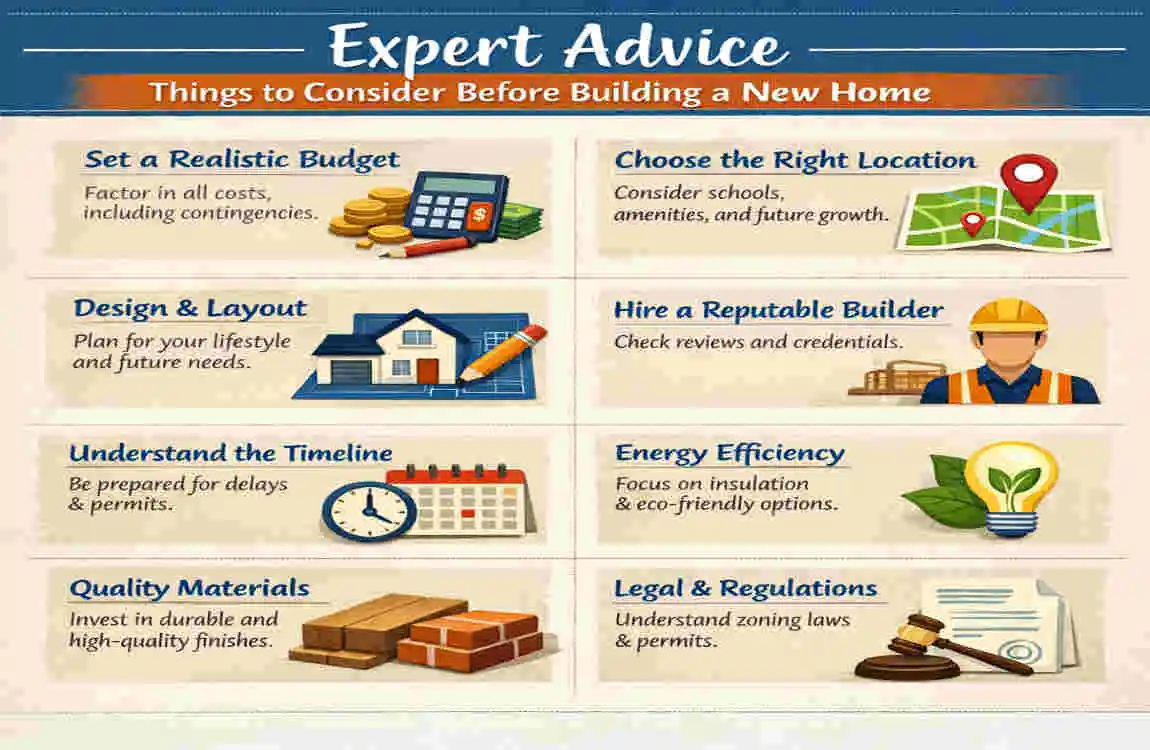
Before you decide, take a calm and practical approach.
Research your local market carefully. Lock in financing as early as you can. Hire reputable contractors with strong reviews and solid experience.
Also, plan for extra costs. A good build budget is not just about the dream home. It is about making sure the project stays manageable from start to finish.
Frequently Asked Questions
Is now a good time to build a home?
It can be, especially if your finances are stable and you want a custom home for the long term.
Is building cheaper than buying an existing house?
Not always. Building often costs more upfront, but it may save money later through greater efficiency and lower maintenance costs.
How much does it cost to build a home?
Costs vary by location, size, and finishes, but land, labor, and materials make up most of the budget.
Will construction costs go down?
They may change over time, but no one can promise when or by how much.
What credit score is needed for a construction loan?
Lenders often prefer stronger credit, though exact requirements vary.
| Factor | Current Outlook | What It Means for Homeowners |
|---|---|---|
| Construction Costs | Moderate to High | Material prices have stabilized compared to recent years but remain above pre-pandemic levels. |
| Mortgage Interest Rates | Moderate | Rates affect financing costs, so compare lenders before building. |
| Labor Availability | Improving | Skilled labor is more available in many areas, reducing some project delays. |
| Land Prices | Varies by Location | Urban land remains expensive, while rural areas may offer better value. |
| Material Supply | Stable | Most building materials are easier to obtain than during supply chain disruptions. |
| Energy-Efficient Homes | Excellent Opportunity | Building new allows you to include modern, energy-saving features from the start. |