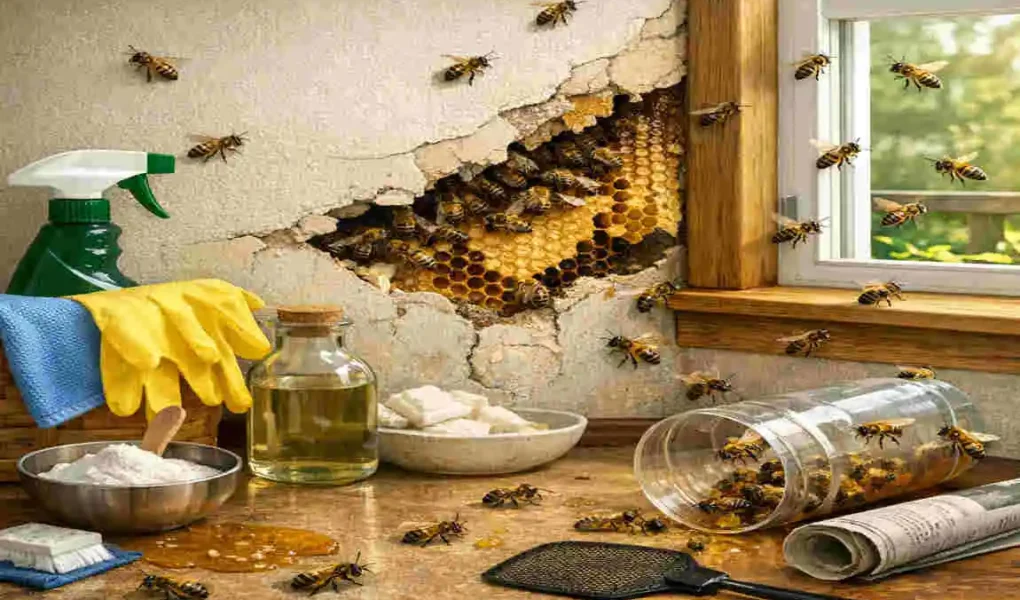
Finding bees inside your house can be surprising and stressful. In many cases, bees are not trying to harm you. They are usually just looking for a way in, a quiet shelter, or a nearby food source. Still, when they start appearing indoors repeatedly, it is a sign that something in your home may be attracting them.
Bees can enter through tiny cracks, open windows, damaged vents, roof gaps, and small openings around doors. That is why understanding how bees are getting into your house and cleaning tips matter so much. It helps you deal with the problem safely and keep your home protected.
How Are Bees Getting Into My House? Common Causes
Small Cracks and Gaps Around Your Home
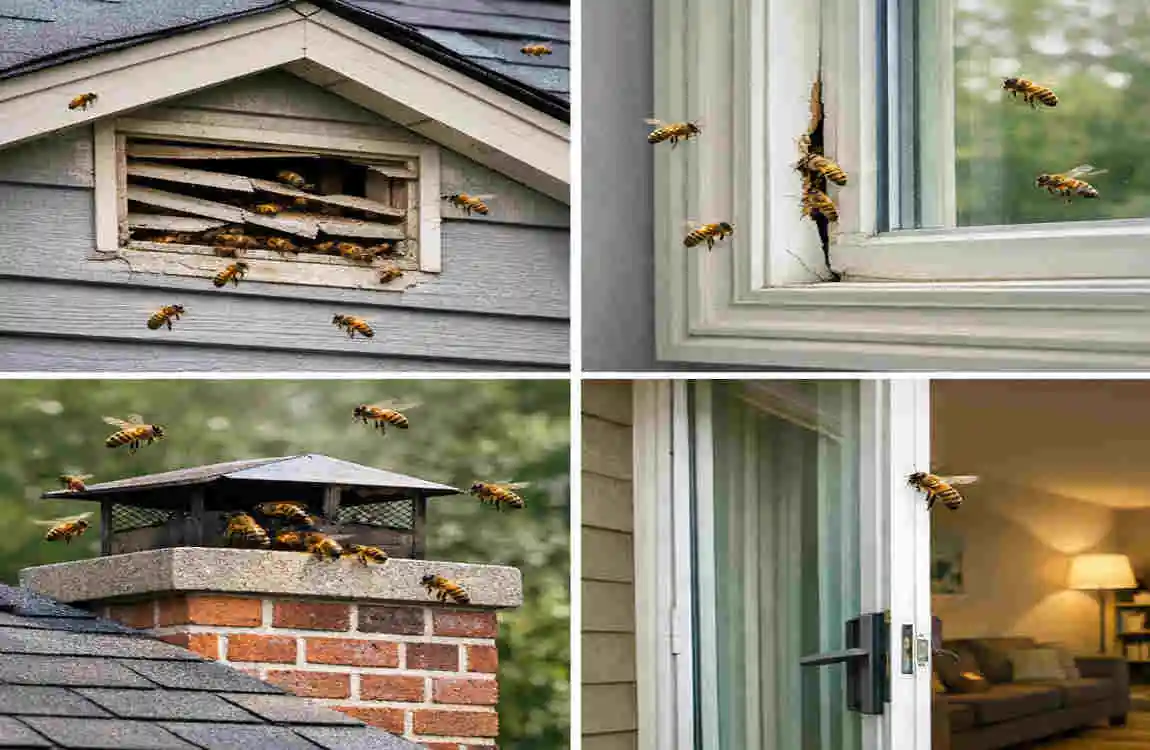
One of the most common ways bees get inside is through tiny openings you may not notice right away. Bees do not need a large house hole. Even a small gap can be enough for them to squeeze through.
Common entry points include:
- Wall cracks
- Window gaps
- Door frames
- Foundation openings
A quick home inspection can help you spot these weak areas before they become a bigger problem.
Open Windows and Doors
Sometimes bees come inside by accident. An open door or unscreened window gives them an easy path indoors, especially during warm weather when they are more active.
Patio doors, kitchen windows, and garage entrances are common entry points for bees. Using screens and keeping doors closed when possible can make a big difference.
Damaged Roof Areas and Attics
Attics often provide bees with the quiet, sheltered space they seek. If your roof has broken shingles, damaged vents, or gaps near the chimney, bees may see it as a safe place to hide or nest.
Moisture and warmth also make attic spaces attractive. That is why roof maintenance is so important.
Chimneys, Vents, and Utility Openings
Bees can also enter through HVAC openings, plumbing gaps, and exhaust vents. These areas connect the outside to the inside of your home, which makes them easy entry points.
Properly sealing these openings helps keep bees out and protects your home from other pests, too.
Why Are Bees Coming Inside Your House?
Searching for Shelter
Bees often come inside because they want protection from weather. Rain, strong winds, heat, or cold can push them toward safer spaces.
Your clean home may offer:
- Warm shelter
- Safe nesting areas
- Quiet corners with less disturbance
Looking for Food Sources
Bees are also drawn to sweet smells and leftover food. This is especially common in kitchens, dining areas, and trash storage spaces.
They may be attracted to:
- Sweet drinks
- Fruit
- Sugar spills
- Open garbage containers
Seasonal Bee Activity
Bee behavior changes with the seasons. In spring, they become active and begin nesting. In summer, their numbers grow. In fall, they may look for shelter before cooler weather arrives.
That is why you may notice more bee problems inside the house during certain months.
Signs You May Have Bees Living Inside Your Home
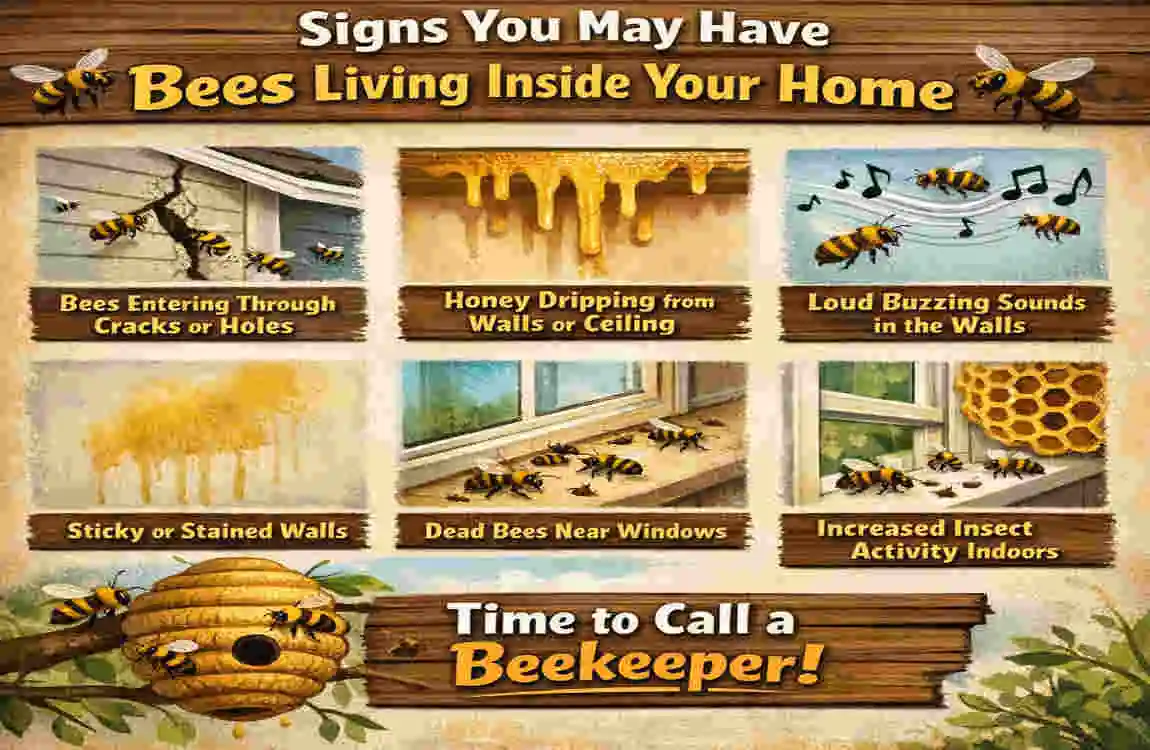
Increased Bee Sightings
If you see one bee once, it may simply be an accident. But if you keep seeing bees in the same room or near the same window, it may mean there is a nest nearby.
Repeated sightings are a stronger warning sign than a single bee flying through.
Buzzing Sounds Inside Walls
A soft buzzing sound in walls, ceilings, or attic spaces can indicate a larger problem. Bees inside hidden areas often make noise as they move around.
If the sound keeps happening, it is worth checking the area carefully.
Honey or Wax Residue
Some signs are easier to spot. You may notice a sweet smell, sticky spots, or waxy buildup near walls or trim. These can be signs of hive activity.
Small Entry Holes
Look closely at walls, vents, and roof edges. Small holes or cracks may be exactly where bees are getting in.
How to Safely Remove Bees From Your Home
Avoid Panic and Sudden Movements
When a bee is inside, stay calm. Sudden movements can make the bee feel threatened. If there is a nest, disturbing it may worsen the situation.
The goal is to move slowly and avoid creating more stress for the bees or yourself.
Open an Exit Route
If only a few bees are inside, help them leave naturally.
Try this:
- Open a nearby window
- Turn off indoor lights
- Turn on an outside light if needed
- Give them time to fly out
Bees often move toward natural light.
Use Safe Natural Removal Methods
For small problems, gentle methods may help. A light soap-and-water spray can sometimes discourage bees from returning to a surface. Some natural scents, like certain herbs or citrus smells, may also help keep them away.
Use care and avoid anything that could stir up a colony.
When to Call a Professional
If you think there is a hive in the wall, attic, or roof area, call a professional. This is the safest choice when you have:
- A large hive
- Bees appearing every day
- Nests in hard-to-reach places
Cleaning Tips After Removing Bees
Remove Honey and Wax Residue
Cleaning matters because leftover honey and wax can attract more insects and create stains or smells.
A simple cleaning approach is:
- Scrape residue gently
- Wash the area with warm water and mild soap
- Dry the surface fully
Clean Bee Entry Areas
Focus on the places bees used to get in, such as windows, door frames, vents, and attic openings. Cleaning these areas helps remove scent trails and leftover attractants.
Remove Bee Attractants
Keep your home less appealing to bees by cleaning up food and sweet spills right away.
A quick checklist:
- Wipe sugary spills
- Seal food containers
- Empty garbage often
- Keep counters clean
Remove Dead Bees Safely
If you find dead bees, wear gloves and dispose of them carefully. This keeps the area clean home and helps you avoid direct contact.
Simple Home Solutions to Prevent Bees From Returning
Seal Cracks and Openings
This is one of the best long-term solutions. Use caulk, weatherstripping, and mesh covers to block small openings.
Install Window and Door Screens
Screens let fresh air in while helping keep insects out. Make sure they fit tightly and have no tears.
Keep Outdoor Areas Clean
Bees may come closer to your house if they find food outside.
Try to:
- Remove fallen fruit
- Keep trash covered
- Clean outdoor eating areas
- Rinse sweet spills quickly
Maintain Your Roof and Attic
Check your roof, attic, and vents often. Small repairs now can save you from bigger problems later.
Natural Ways to Keep Bees Away From Your House
Plant Bee-Repelling Plants Near Entry Areas
Some plants may help discourage bees near doors and windows. Good options include:
- Mint
- Eucalyptus
- Citronella
Use Natural Scents
Mild natural scents may help, such as vinegar solutions, citrus smells, or certain essential oils. Use them carefully and test small areas first.
Avoid Strong Chemical Sprays
Strong sprays can pose health risks and may also harm beneficial insects. Natural and preventive steps are usually safer for your home.
Difference Between Bees, Wasps, and Other Flying Insects
Feature Bees Wasps Other Insects
Body Shape Rounder and hairy Slim and smooth Varies
Behavior Usually less aggressive More defensive Depends on species
Main Attraction Flowers and nectar Food and insects Different sources
Common Mistakes People Make When Removing Bees
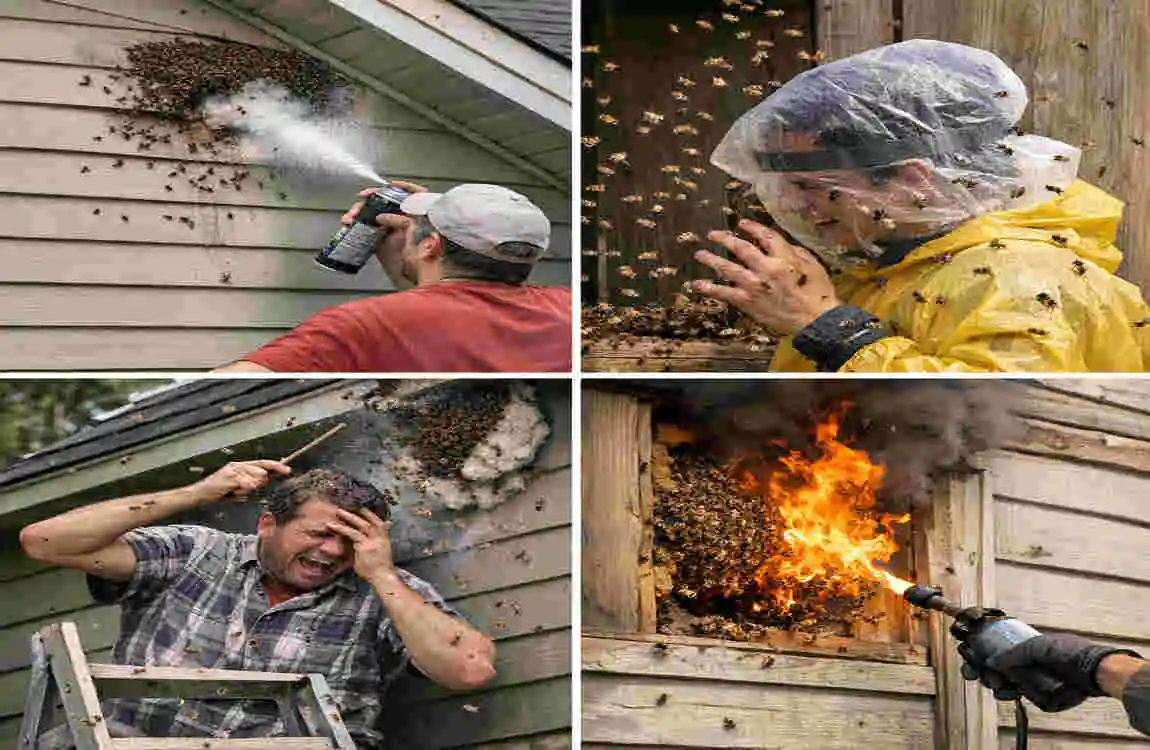
Destroying a Hive Without Checking
If you damage a hive without knowing where it is, you may make the problem worse. It can also damage walls, insulation, or roof areas.
Using Harmful Chemicals Indoors
Chemical sprays can affect air quality and may stain surfaces. They are not always the safest choice indoors.
Ignoring Entry Points
Even if you remove the bees, they may come back if you do not seal the openings they used.
Benefits of Professional Bee Removal Services
Safe Hive Removal
Experts know how to remove or relocate bees with less risk.
Prevent Property Damage
They can help protect walls, roofs, and insulation from hidden damage.
Long-Term Prevention
Professionals can also find hidden entry points that you may miss during a home check.
Frequently Asked Questions
Q: How are bees getting into my house?
Bees usually enter through small cracks, damaged screens, roof gaps, vents, and openings around doors or windows.
Q: Why do I keep finding bees inside my house?
Repeated sightings may mean bees have found a nesting spot inside walls, in attics, or in other protected areas.
Q: What is the best cleaning tip after removing bees?
Clean honey, wax, and residue with warm soapy water and remove any food sources that attract bees.
Q: Can bees damage my house?
Yes. Bees nesting inside walls or roofs can cause stains, moisture issues, and structural damage over time.
Q: How can I stop bees from entering my home?
Seal cracks, repair screens, maintain your roof, and properly store food and garbage.
Q: Should I remove a beehive myself?
Small problems may be manageable, but trained professionals should handle large colonies.
| Topic | Information |
|---|---|
| Why Bees Enter Homes | Bees may enter through cracks, open windows, vents, chimneys, or small gaps while searching for shelter, food, or a place to build a hive. |
| Common Causes | Flowering plants near the house, sweet food smells, exposed garbage, wall gaps, roof openings, and unused spaces can attract bees. |
| Signs of Bees Inside | Frequent buzzing sounds, visible bees near windows, honey-like smells, or bee activity around walls and ceilings may indicate a problem. |
| Cleaning Tips | Remove food sources, clean spills, seal trash containers, wipe sweet residues, and keep areas dry and tidy. |
| Safe Removal Solutions | Open windows for escape, avoid swatting, use gentle methods, and contact a local beekeeper for hive removal when needed. |
| Prevent Future Infestations | Seal cracks, repair damaged screens, cover vents, trim plants near entrances, and inspect roofs regularly. |
| When to Call Experts | Professional help is recommended if bees build a hive inside walls, ceilings, or hard-to-reach areas. |
| Natural Prevention Methods | Use bee-friendly deterrents like peppermint scent, keep outdoor areas clean, and reduce unnecessary attractants. |