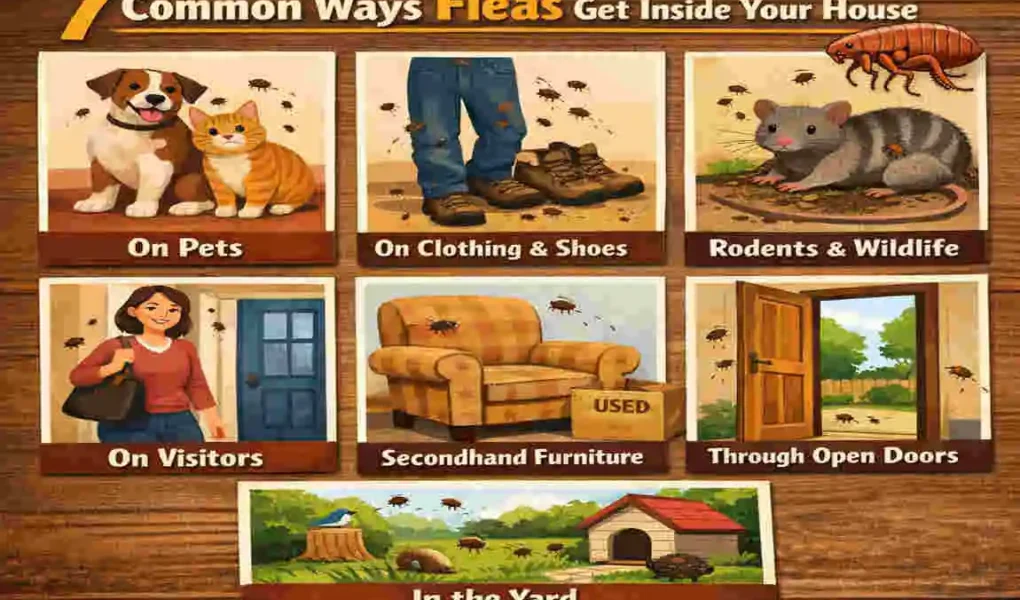
Fleas can get inside even when your home looks clean. The main reason is simple: they often come in on pets, people, wildlife, and used items. If you have ever wondered how fleas get into your house, the answer usually involves something that moved in from outside.
| Common Entry Method | How Fleas Get Inside |
|---|---|
| Pets | Dogs and cats can bring fleas home from outdoors or contact with other animals. |
| People & Clothing | Fleas can hitchhike on shoes, socks, clothing, or bags. |
| Wildlife | Rodents, raccoons, stray animals, and other wildlife can carry fleas near your home. |
| Yard & Garden | Fleas can move indoors from outdoor areas where animals rest or pass through. |
| Used Furniture | Secondhand couches, rugs, carpets, and pet bedding may carry fleas or eggs. |
| Garages & Crawl Spaces | Fleas can enter through areas used by pets, rodents, or wildlife. |
| Infested Items | Blankets, bags, boxes, and other fabric items can sometimes transport fleas indoors. |
Knowing where fleas come from helps you stop them faster. Once you understand the source, you can clean the right areas, protect your pets, and lower the chance of seeing fleas again.
Pets Can Bring Fleas Into Your House
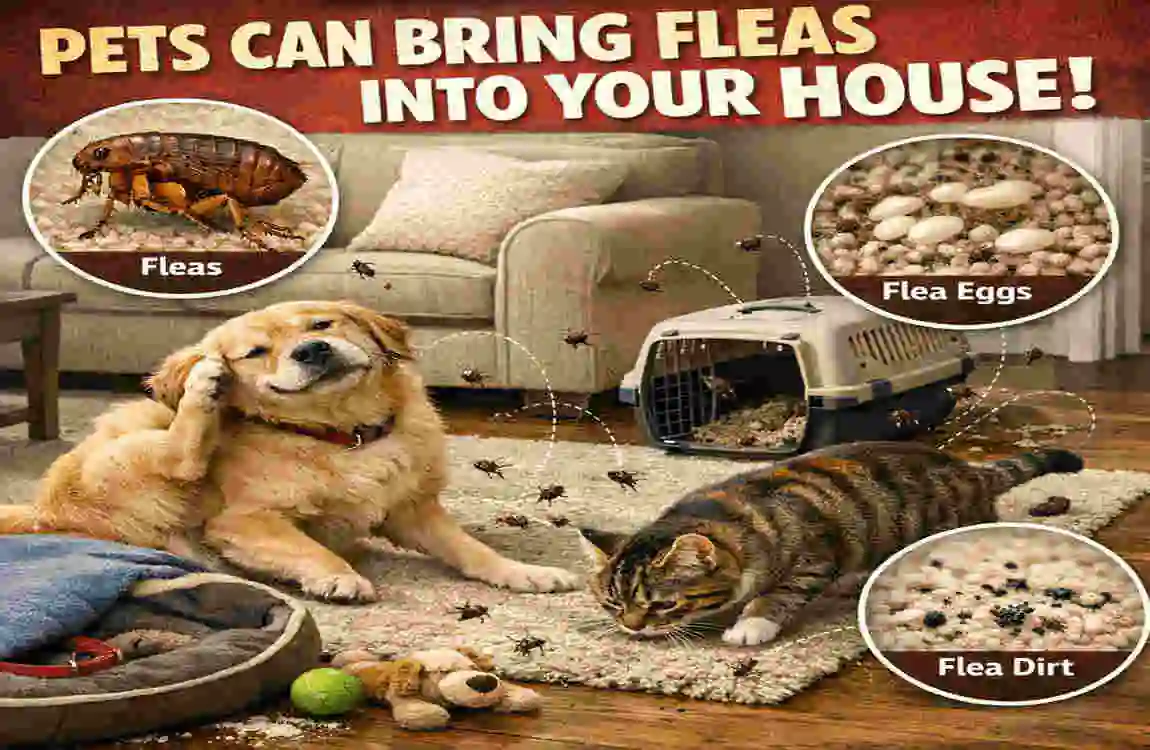
Dogs and cats are one of the most common ways fleas enter a home clean. Fleas may cling to their fur after a walk, a trip to the park, or contact with another animal. Once inside, they can spread to carpets, couches, blankets, and pet beds.
What to watch for
A pet may have fleas if it scratches a lot, bites at its skin, or seems restless. You may also notice tiny dark specks in the fur or small bites on your own home clean.
Why this matters
If your pet brings in even a few fleas, they can quickly multiply indoors. Regular flea prevention is one of the best ways to protect your home clean.
Fleas Can Hitchhike on People and Clothing
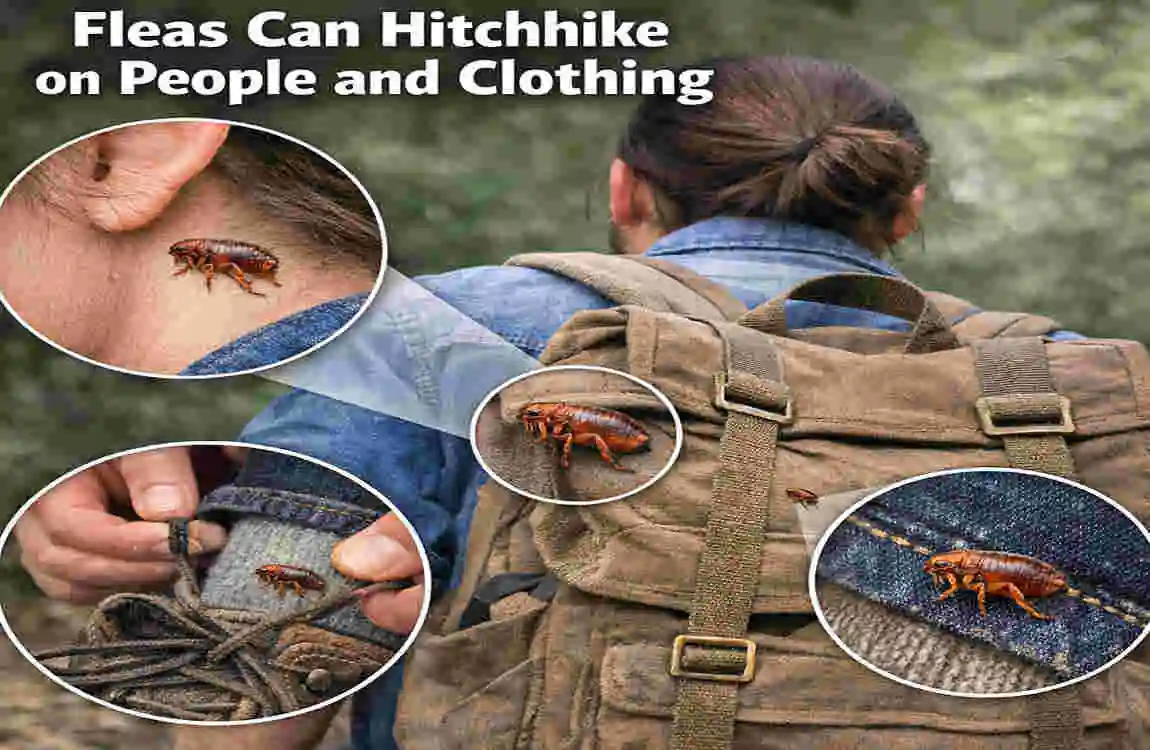
Fleas do not usually live on humans, but they can travel with us. They may attach to shoes, socks, pants, bags, or jackets after we spend time in a flea-prone place.
Common ways this happens
- Walking through an infested yard or outdoor space
- Visiting a home with pets or fleas
- Sitting on grass, porches, or fabric furniture outside
Flea eggs and tiny debris can also come inside on clothing. That is why a quick change of clothes or a shoe check can help after being in a risky area.
Wildlife and Stray Animals Can Bring Fleas Near Your Home
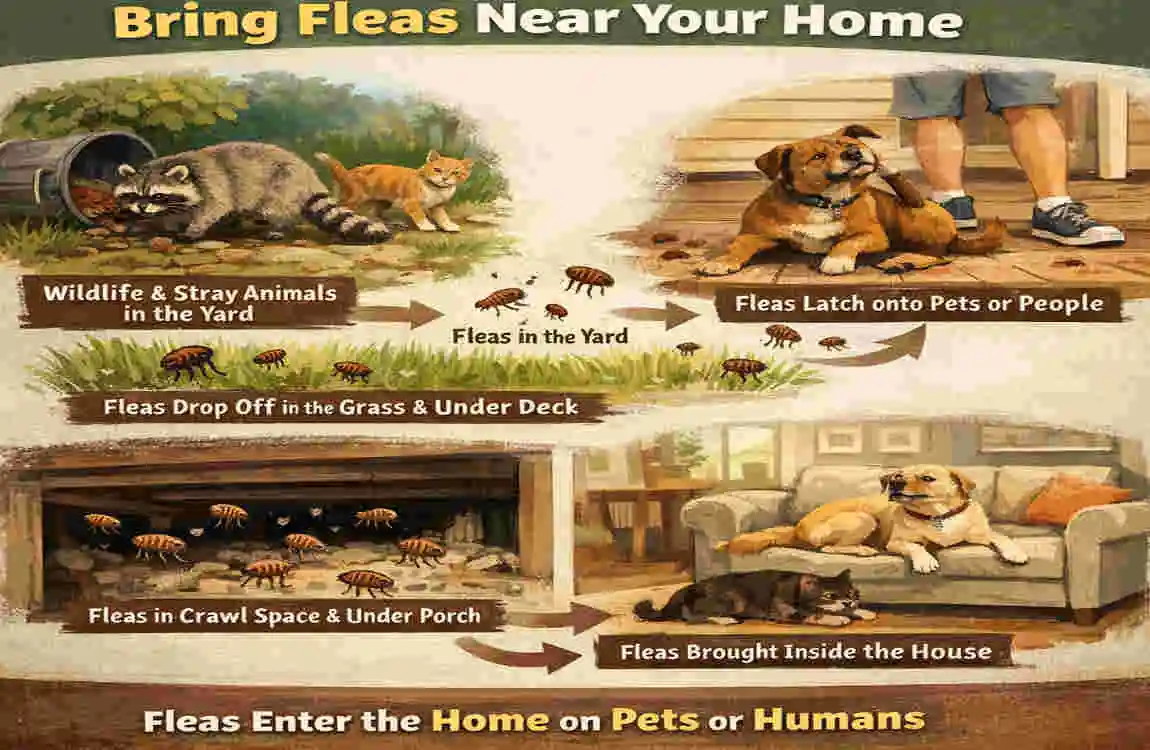
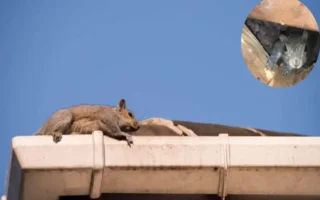
Wildlife and stray animals can raise flea activity around your property. Rodents, raccoons, opossums, stray cats, and stray dogs may carry fleas and leave them near crawl spaces, garages, sheds, and porches.
Areas to pay attention to
- Crawl spaces
- Garages
- Porches
- Sheds
- Decks and other quiet outdoor spots
If animals nest near your home, fleas may move from those spaces into the house. Keeping wildlife away from hiding and nesting areas can make a big difference.
Fleas Can Enter Through Yards, Gardens, and Outdoor Areas
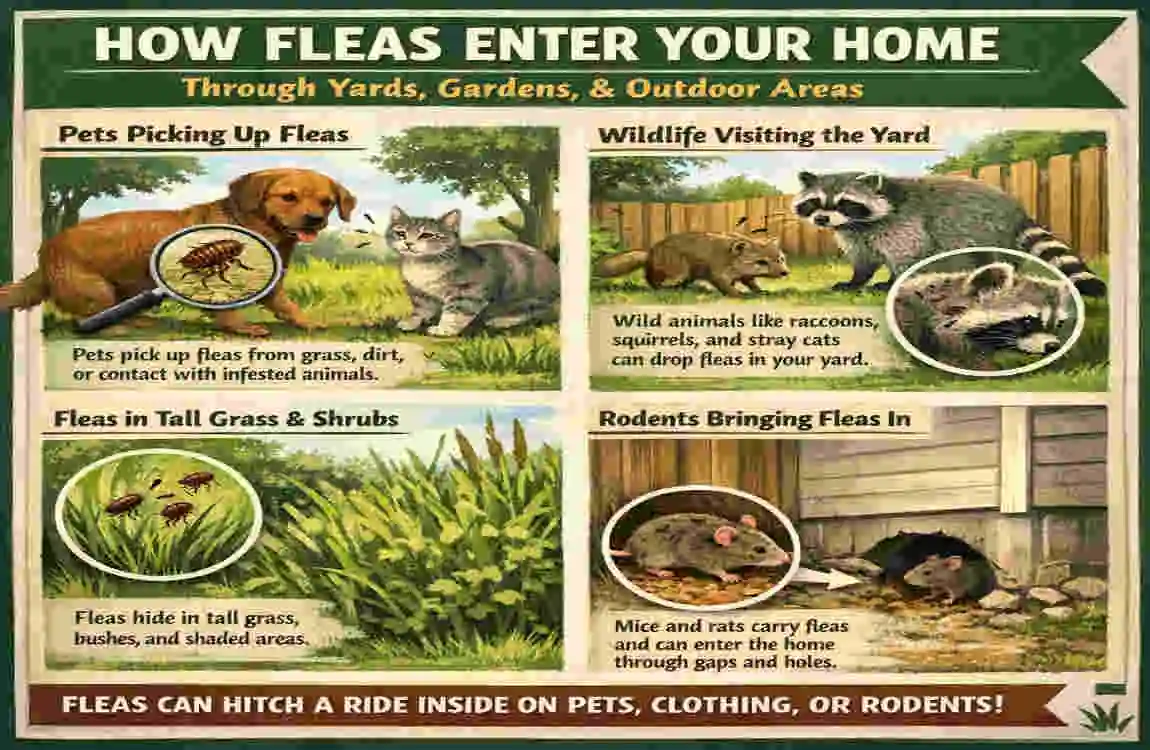
Your yard can play a big role in flea problems—fleas like shaded, damp, and protected places where animals rest. Grass, soil, garden edges, and pet resting spots can all become flea-friendly areas home clean.
Outdoor spots that matter
Patios, decks, and shady corners often attract animals, and where animals go, fleas may follow. If pets spend time outside, they can bring fleas back indoors without you noticing right away.
A clean, trimmed yard with less clutter is less inviting to both animals and fleas.
Used Furniture, Carpets, and Other Items Can Introduce Fleas
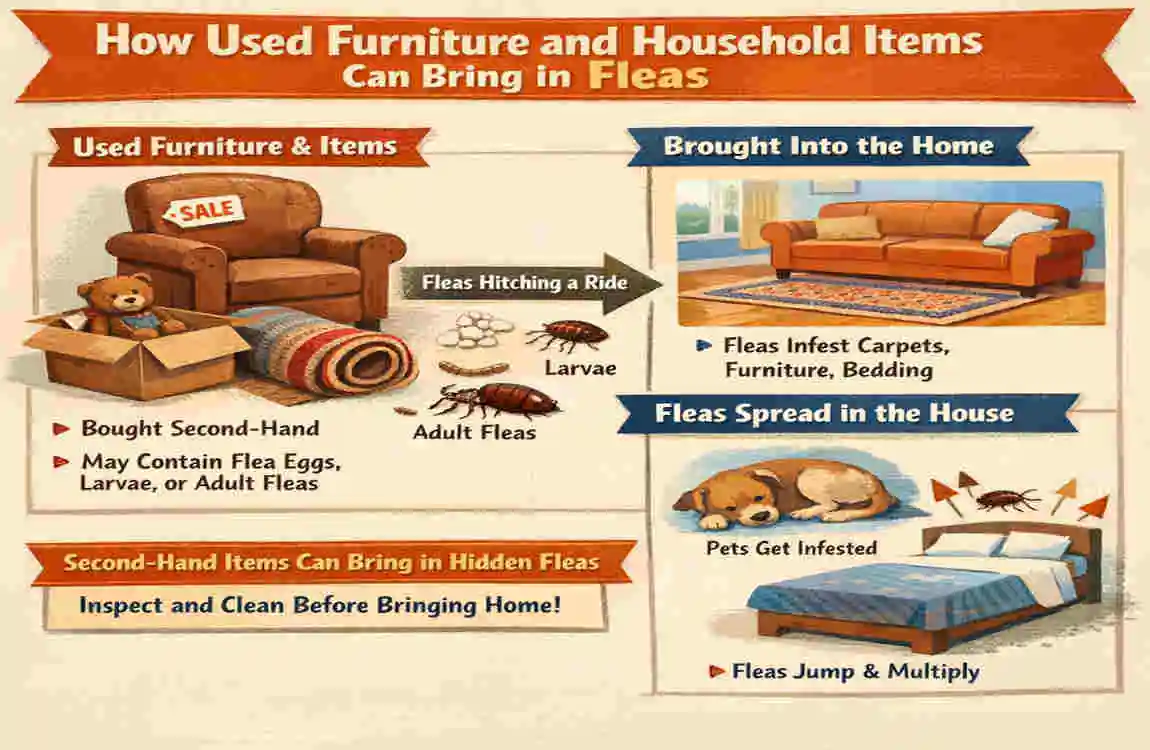
Secondhand items can sometimes carry fleas or flea eggs into your house. This includes used couches, chairs, rugs, blankets, pet beds, and storage boxes.
Be careful with
- Secondhand furniture
- Used rugs and carpets
- Pet bedding and blankets
- Fabric items from storage
Before bringing these items inside, inspect them closely. Vacuum them well, wash what you can, and avoid anything that looks suspicious.
How to Stop Fleas From Getting Into Your House
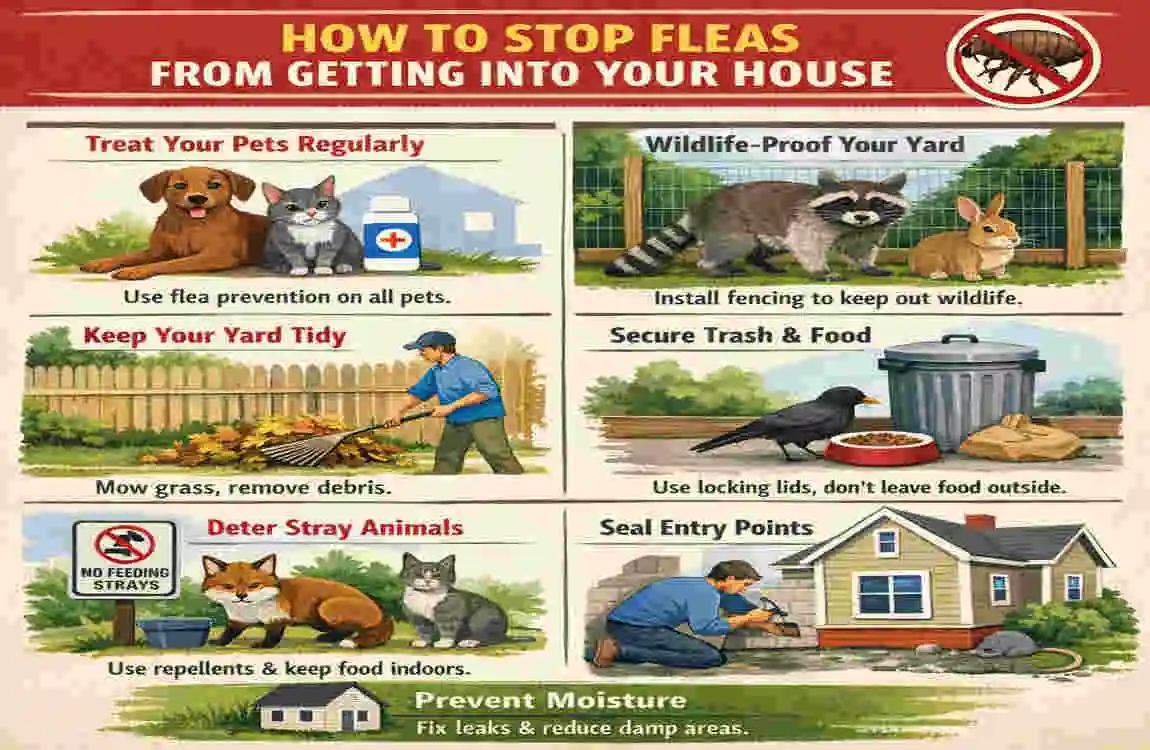
The best way to keep fleas out is to block as many entry points as possible. That means caring for pets, cleaning regularly, and reducing flea-friendly conditions both inside and outside.
Simple prevention steps
Area What to do
Pets Use veterinarian-recommended flea control
Indoors Vacuum floors, carpets, and furniture often
Bedding Wash pet bedding and washable fabrics regularly
Outdoors Keep yards neat and reduce clutter
Entry points Check shoes, bags, and clothing after risky exposure
Also watch for early signs of fleas, especially after contact with animals or outdoor spaces. If the problem keeps coming back, you may need professional pest control.
FAQs About Fleas Getting Into the House
How can fleas get into your house if you don’t have pets?
Fleas can still come in on clothing, shoes, used furniture, wildlife, or rodents near your home.
Can fleas enter a house through clothing?
Yes. Fleas can hitchhike on clothing, especially after time spent outdoors or around infested animals.
Can fleas come inside from the yard?
Yes. Yards with pets, stray animals, or shaded resting spots can become sources of fleas.
How do I know where fleas are coming from?
Look for clues like pet scratching, wildlife activity, or flea signs near furniture, carpets, and entry areas.
Can fleas live in carpets and furniture?
Yes. Fleas can hide in soft surfaces, especially where pets rest or where eggs and larvae settle.
How long can fleas survive inside a house?
Fleas can survive for quite a while indoors if they have a host and warm conditions.
What is the fastest way to prevent fleas from entering a home?
Start with pet flea control, regular vacuuming, and careful cleaning of bedding, furniture, and entry areas.