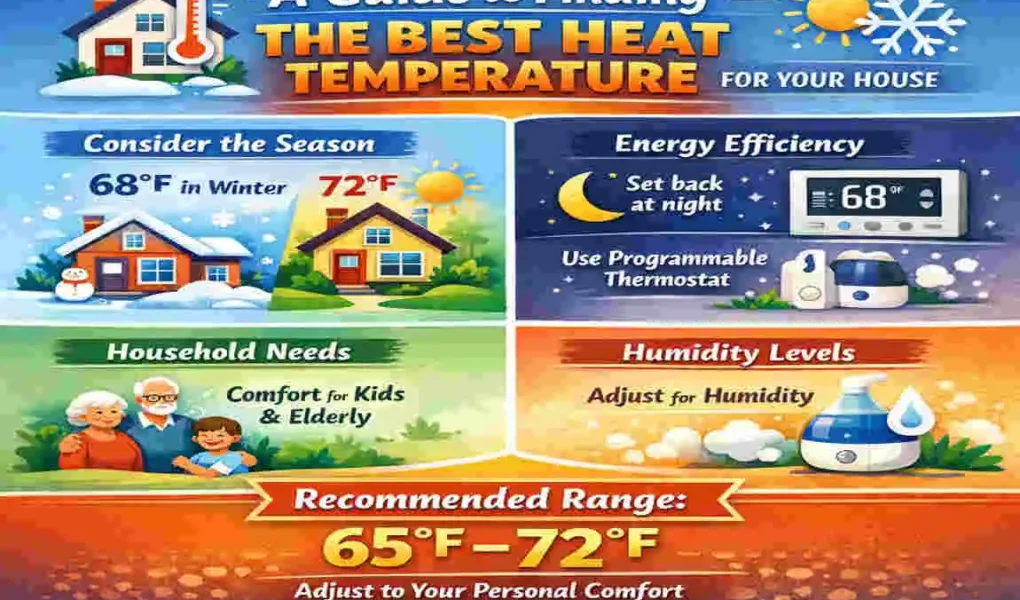
Finding the right indoor temperature matters more than many people think. Your thermostat affects comfort, sleep, health, and monthly energy bills. If your home feels too warm, you may end up wasting money. If it feels too cold, you may feel uncomfortable and even deal with health issues in winter.
| Situation | Recommended Temperature (°C) | Recommended Temperature (°F) | Notes |
|---|---|---|---|
| General daytime (at home) | 18–22°C | 64–72°F | Most comfortable for healthy adults |
| Winter (at home) | ~20°C | 68°F | Energy.gov recommends 68°F in winter |
| Winter (away/sleeping) | 15–16°C | 58–60°F | Lower when asleep or away to save energy |
| Babies & infants | 20–22°C | 68–72°F | Infants prefer slightly warmer |
| Elderly or ill persons | 21–24°C | 70–75°F | Older/ill individuals may need warmer temps |
| Energy-saving minimum | ≥18°C | ≥64°F | WHO recommends at least 64°F for health |
So, what is the best heat temperature for house comfort and energy savings? For most homes, a good starting point is 68°F to 72°F during the day in winter. At night, many people sleep better with the temperature a little lower. When you are away, lowering the heat can help reduce energy use without making your home unsafe.
What Is the Best Heat Temperature for House Comfort?
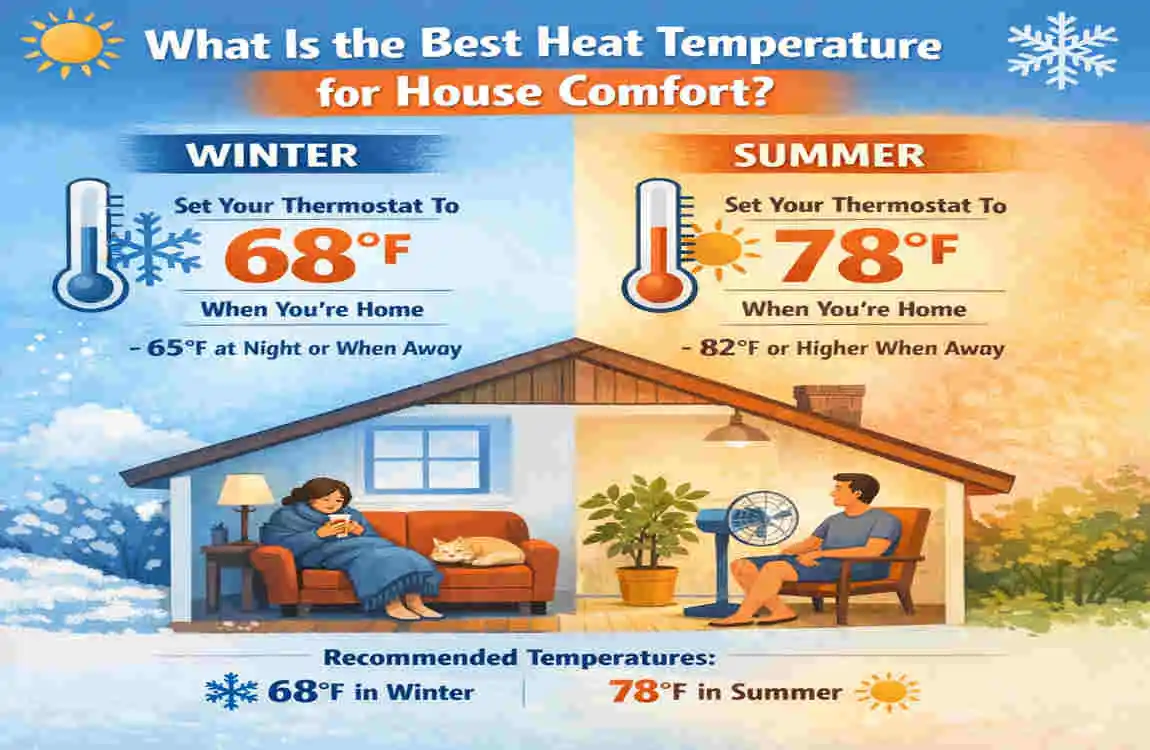
Recommended Temperature Range for Most Homes
For many homes, the ideal house temperature in winter is 68°F to 72°F during the day. This range is often comfortable for most adults while still helping control heating costs.
Many homeowners set the thermostat near 70°F because it feels comfortable home. It is warm enough for daily living, but not so high that it drives up the bill too much.
If you want a simple rule, start at 68°F when you are active at home and adjust from there based on how your family feels.
Why Temperature Preferences Vary
Not everyone feels temperature the same way. Some people naturally feel cold more often. Others prefer a cooler room.
A few things affect comfort:
- Age: Children and older adults may need slightly different settings
- Climate: Very cold areas may need warmer indoor temperatures
- Insulation: A well-insulated home stays comfortable more easily
- Lifestyle: Someone sitting still may feel colder than someone moving around
Balancing Comfort and Energy Savings
The best thermostat setting is usually the one that keeps you comfortable without overheating the house. A small change can make a big difference. Even lowering the thermostat by 1°F or 2°F can help reduce heating use over time.
The goal is not to make your home chilly. The goal is to find a practical middle ground.
Recommended House Temperatures by Time of Day
Best Daytime Temperature
During the day, when people are awake and active, many homes feel good at 68°F to 72°F. This is a common best thermostat setting for winter comfort.
If you work from home, you may want the room where you spend most of your time slightly warmer. If you are moving around a lot, you may be comfortable at the lower end of the range.
Best Nighttime Temperature for Sleeping
A cooler room is often better for sleep. Many people sleep well when the bedroom is around 60°F to 67°F. This is why many guides suggest a slightly lower house temperature for sleeping.
A cooler bedroom can help your body relax and may support deeper sleep. If the room feels too cold, try using warmer bedding rather than raising the whole-house heat.
Best Temperature When Away From Home
When no one is home, you do not need to keep the house as warm. A good ideal thermostat setting while away is often around 55°F to 62°F, depending on your climate and home setup.
This helps save energy while still protecting your pipes and indoor space.
If you have a programmable or smart thermostat, you can set it to lower the temperature automatically when you leave and warm it back up before you return.
Weekend vs Weekday Heating Settings
Weekdays and weekends often look different. On weekdays, your schedule may be more predictable. On weekends, people may stay home longer or move through the house more often.
A smart schedule can help you avoid wasting heat. Set your thermostat to match your routine, then adjust only when your habits change.
Best Heat Temperature for House in Winter
Ideal Winter Thermostat Settings
In winter, the best winter thermostat setting for many homes is still around 68°F to 72°F while awake and home.
This range provides comfort without overworking the heater. If you prefer a warmer room, try increasing the temperature slowly rather than making big jumps.
How Cold Is Too Cold Indoors?
A home that is too cold can become uncomfortable fast. It can also lead to issues such as cold floors, condensation, and possibly frozen pipes at very low temperatures.
For health and safety, do not let indoor temperatures drop too much for long periods. In winter, a safe indoor range is usually above 55°F. However, some homes need a higher minimum depending on plumbing and layout.
Tips for Staying Warm Without Raising the Heat
You do not always need to turn up the thermostat to feel warmer. Small changes can help a lot.
- Wear layers inside the house
- Use thick curtains at night
- Place rugs on cold floors
- Close off unused rooms
- Block drafts around windows and doors
Common Winter Heating Mistakes
Many people make the same mistakes in winter. These can raise bills and reduce comfort.
- Changing the thermostat too often
- Blocking vents with furniture or curtains
- Using too many space heaters at once
- Setting the heat much higher than needed
A steady, simple approach usually works best.
Best Heat Temperature for Different Household Needs
Best Temperature for Babies and Young Children
Babies and young children need a safe indoor temperature that is warm but not overly hot. A nursery temperature around 68°F to 72°F is often a good range.
Keep the room comfortable and avoid heavy overheating. Babies can also benefit from proper clothing and safe bedding rather than turning the heat up too high.
Best Temperature for Elderly Family Members
Older adults may feel cold more easily. They often do better with a slightly warmer home, especially if they have circulation issues or health concerns.
A warm, steady temperature helps support comfort and reduces the risk of feeling chilled for long periods.
Best Temperature for Pets
Pets also need a comfortable environment. Dogs and cats usually do well in a home that feels comfortable to people, but some pets need more attention in winter.
For most pets, keeping the home around a normal indoor range is fine. If your pet is older, very small, or has short fur, they may need extra warmth.
Best Temperature for Allergy and Asthma Control
Temperature is only one part of air comfort. Humidity and air quality matter too. Very dry air can make breathing feel worse for some people.
Try to keep the house at a moderate temperature and avoid extreme dryness. Clean filters and good airflow can also help.
Best Temperature for Remote Work and Productivity
If you work from luxury home, comfort matters for focus. A room that is too cold can make it hard to concentrate. A room that is too warm can make you feel sleepy.
Many people work best in a slightly cool but comfortable room, often around 68°F to 70°F.
How Indoor Temperature Affects Energy Bills
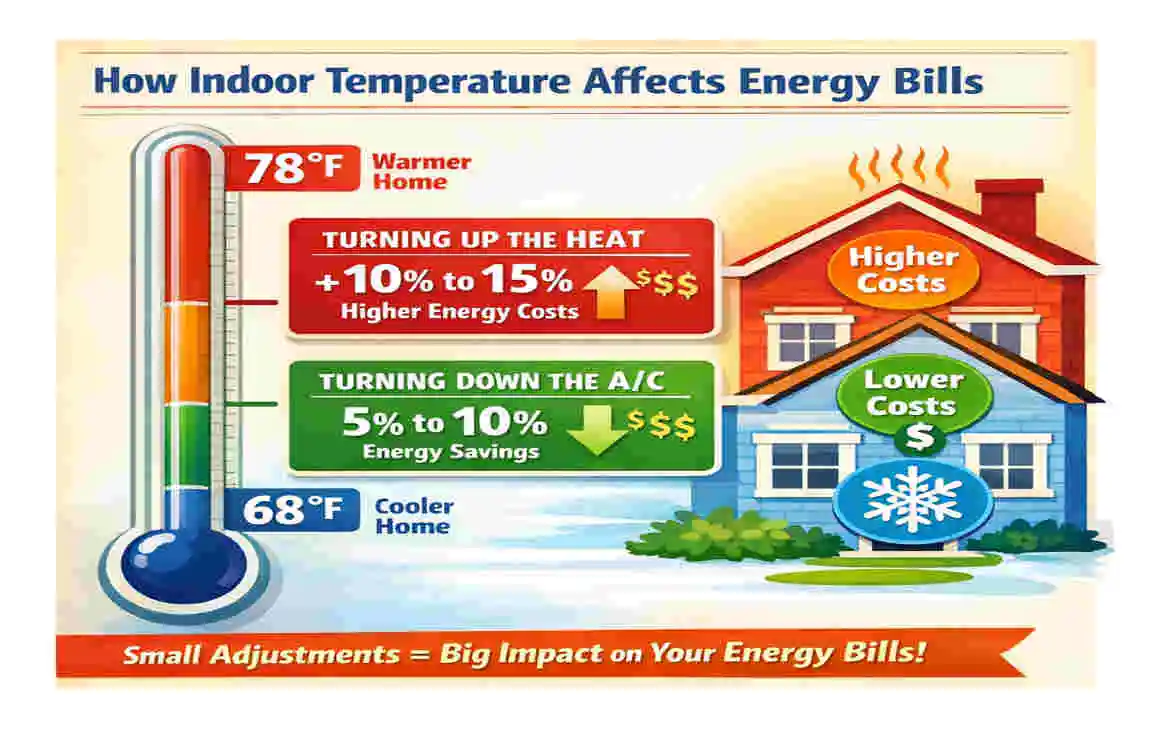
How Heating Costs Increase With Higher Temperatures
The higher you set the thermostat, the harder your heating system has to work. That means more energy use and higher bills.
Even a small increase can matter over time. If you keep the house at 72°F instead of 68°F all winter, you may notice a difference in your energy costs.
Energy-Saving Thermostat Strategies
A few smart habits can help you save money on heating:
- Lower the thermostat when sleeping or away
- Use a programmable schedule
- Avoid constant manual changes
- Heat only the rooms you use most
Smart Thermostats and Automation
A smart thermostat can make heating easier. It can learn your routine, adjust automatically, and help you track usage.
These tools are useful because they reduce guesswork. They also make it easier to follow energy-efficient thermostat settings without having to think about it all day.
Average Savings From Efficient Heating Habits
Simple changes may not feel huge in the moment, but they can add up across a winter season. Better habits, better insulation, and a smart schedule can lead to noticeable yearly savings.
Ideal House Temperatures by Room
Room Temperature Guide
RoomSuggested TemperatureNotes
Living Room 68°F–72°F Comfortable for daily use
Bedroom 60°F–67°F Cooler for sleep
Kitchen 65°F–70°F Cooking adds extra warmth
Bathroom 70°F–75°F Feels better after showers
Basement 55°F–65°F Helps prevent dampness
Garage Varies Keep above freezing if needed
Living Room Temperature
The living room is where people relax and spend time together. A warm but not stuffy setting is best. Most homes feel good here at 68°F to 72°F.
Bedroom Temperature
Bedrooms usually work better when cooler. This supports better sleep and makes bedding feel more comfortable.
Kitchen Temperature
Kitchens often warm up from cooking, so they may not need as much heat as other rooms. You may even want to lower the thermostat a little while cooking.
Bathroom Temperature
Bathrooms feel best when slightly warmer, especially after showers and when barefoot on cold floors. A small boost can improve comfort.
Basement and Garage Considerations
Basements and garages do not always need the same heat as living spaces. Still, they should stay warm enough to avoid dampness, freezing, and damage.
Smart Ways to Maintain the Perfect House Temperature
Improve Home Insulation
Good insulation helps hold heat inside your home. Check windows, doors, attic areas, and wall insulation if your house feels drafty.
Use Ceiling Fans Correctly in Winter
A ceiling fan can help spread warm air. In winter, set it to spin clockwise on low speed so it gently pushes warm air down.
Reduce Heat Loss Naturally
A few simple actions can improve home heating efficiency:
- Use thick curtains at night
- Add rugs to cold floors
- Seal drafts with weather stripping
- Keep doors closed in unused rooms
Maintain Your Heating System
Heating systems work better when they are cared for. Regular servicing helps your system run more smoothly and may prevent expensive problems later.
Monitor Humidity Levels
Humidity affects how warm a room feels. Very dry air can make a room feel colder than it is. Balanced humidity can improve comfort without requiring much adjustment to the thermostat.
Signs Your House Temperature Is Too High or Too Low
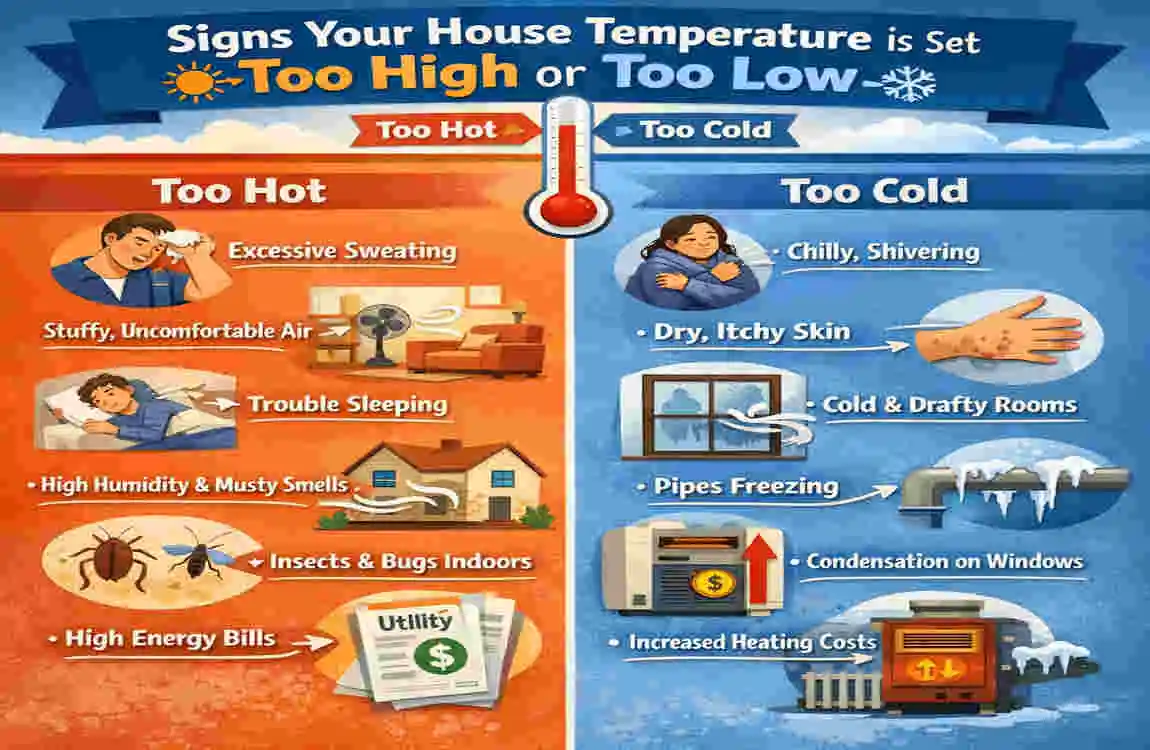
Symptoms of Overheating Indoors
Your home may be too warm if you notice:
- Dry skin
- Restless sleep
- Stuffiness
- High heating bills
Signs Your Home Is Too Cold
Your home may be too cold if you notice:
- Cold floors
- Condensation on windows
- Feeling chilled most of the time
- Pipes at risk in very low temperatures
When to Adjust Your Thermostat
Adjust the thermostat when the weather changes, when your family feels too warm or too cold, or when your daily routine changes. The best setting is one that balances comfort and efficiency.
Frequently Asked Questions
What is the best heat temperature for house in winter?
For most homes, 68°F to 72°F is a good range for winter daytime temperatures. At night, a cooler setting often works better for sleep.
Is 72 degrees too hot for a house in winter?
Not always. It may feel fine for some people, but it can raise energy use. If you are trying to save money, you may want to lower it slightly.
What temperature saves the most on heating costs?
The lower comfortable setting saves the most. Many homeowners aim for 68°F when home and lower the temperature when sleeping or away.
What is the healthiest indoor temperature?
A healthy indoor temperature is usually one that feels comfortable and avoids extremes. For many homes, that means staying in a moderate range, not too hot and not too cold.
Should I lower the heat at night?
Yes, for many people. A cooler bedroom can help with sleep and reduce energy use.
What is the best thermostat setting when away?
A setting around 55°F to 62°F is often used when away, depending on weather, pipes, and home conditions.