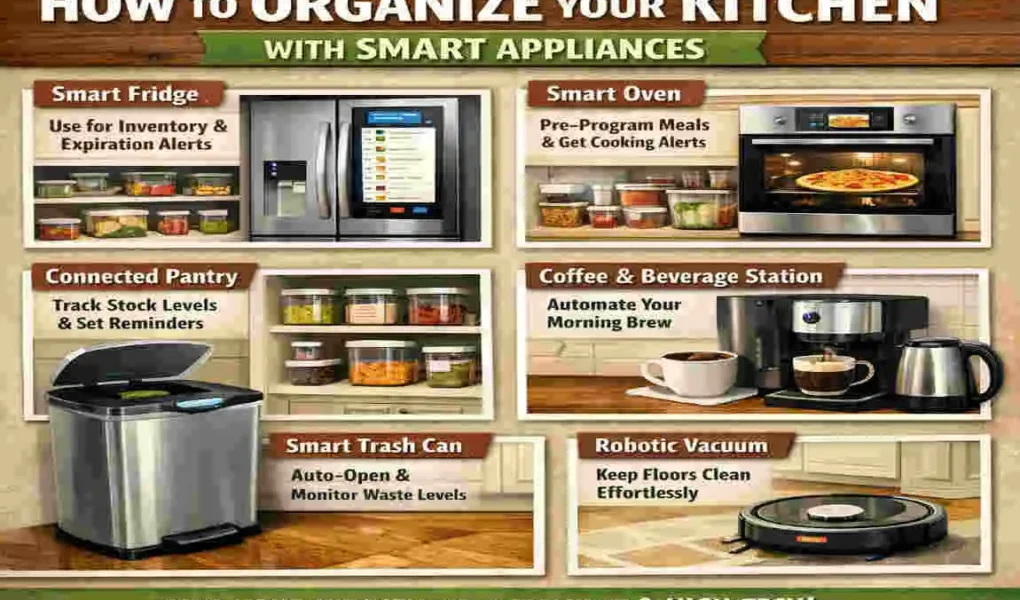
A kitchen should feel easy to use, not stressful. But in many homes, counters get crowded, storage feels tight, and daily cooking turns into a small mess. That is where smart home appliances can make a real difference.
| Category | Key Features | Example Technologies |
|---|---|---|
| Refrigerators | AI-powered inventory tracking, voice control, energy optimization | Samsung Family Hub, LG InstaView with ThinQ AI |
| Washing Machines | Steam sanitization, AI fabric detection, water recycling, app control | LG WashTower, Samsung_AI_Washing_Machine |
| Air Conditioners | Inverter technology, BLDC motors, smart zoning, 24-26°C auto-regulation | Inverter AC with higher BEE stars, Wi-Fi control |
| Cooking Appliances | Induction hobs, AI cooking assistants, precise temperature control | Smart induction cooktop, app-connected oven |
| Robot Vacuums | LiDAR mapping, self-emptying, mop-washing, obstacle avoidance | Robotic vacuum & mop combos with AI navigation |
| Smart TV/Sound | 4K/8K HDR, voice assistants, seamless casting, spatial audio | 32-65″+ 4K HDR TV with HDMI ARC/eARC |
| Safety/Security | Video doorbells, smart locks, smoke/gas alarms with app alerts | Smart lock (fingerprint/keypad), video doorbell |
| Air Quality | HEPA filtration, smart sensors, auto mode, app monitoring | Air purifiers with pollution sensors |
Today, more people want kitchens that save time, use less energy, and help them stay organised with less effort. This is why State art of home appliance technology is becoming so important. It brings automation, smart storage, and better control into everyday kitchen tasks.
Understanding Smart Kitchen Organization
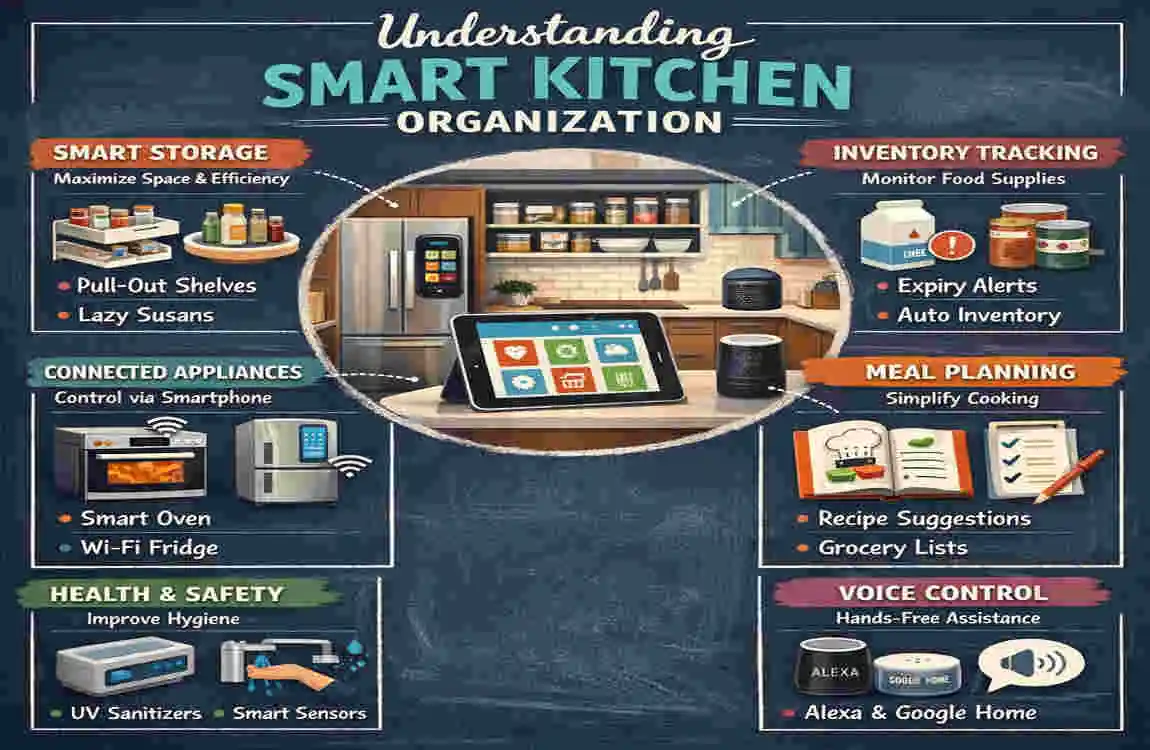
What does smart kitchen organization mean?
Smart kitchen organisation uses technology to make your kitchen easier to manage. It is not just about having expensive appliances. It is about using the right tools in the right places so your kitchen works better for you.
How smart technology helps
Smart kitchen systems often connect through Wi-Fi or an app. This means you can control many appliances from your phone, tablet, or voice assistant. You can set timers, check food storage, or start cooking before you even reach the kitchen.
This kind of setup saves space and reduces clutter. It also makes cooking flow more smoothly because each appliance serves a clear purpose.
Common smart kitchen examples
- Smart refrigerators that track food items
- AI-powered ovens that adjust cooking settings
- Voice assistants that help with recipes and timers
What is State art of home appliance Technology?
State-of-the-art home appliance technology refers to the most advanced design available today. These appliances are smarter, faster, and more connected than older models.
They are built with features like:
- AI integration for better decision-making
- Remote control through apps
- Energy-saving systems
- Smart sensors that respond to use
- Connectivity with other devices in the home
Traditional vs. state-of-the-art appliances
Feature Traditional Appliances State art of home appliance
Control Manual App or voice control
Energy use Often higher Usually more efficient
Food management Basic storage Smart tracking and alerts
Convenience Limited High automation
Organization Depends on user Supports better planning
This difference matters because a smart appliance does more than one job. It supports your kitchen layout and helps keep everything in order.
Benefits of Smart Kitchen Organization
A well-organized smart kitchen brings many everyday benefits.
Why it helps
- Saves space by reducing unnecessary clutter
- Improves workflow so cooking feels more natural
- Cuts energy use with efficient appliance settings
- Helps food stay fresh through better storage control
- Makes cleaning easier with automation features
- Saves time by handling repeated tasks for you
When your kitchen is organized, you spend less time searching and more time cooking. That creates a calmer and more enjoyable home routine.
Essential Smart Home Appliances for Kitchen Organization
Smart Refrigerators
A smart refrigerator does more than keep food cold. It can track what is inside, show expiration alerts, and even help you plan groceries. Some models include internal cameras so you can check your fridge while shopping.
This is especially useful when you want to avoid buying items you already have.
Smart Ovens and Microwaves
Smart ovens and microwaves make cooking more flexible. You can preheat them from your phone, choose preset cooking modes, and let sensors adjust the temperature or time.
This reduces guesswork and helps you cook more evenly.
Smart Dishwashers
Smart dishwashers detect how full they are and adjust water and energy use. Many also offer auto-clean cycles. This keeps the kitchen cleaner without requiring constant effort.
Smart Storage Solutions
Smart cabinets, temperature-controlled drawers, and sensor lighting improve storage. These tools help you find things faster and keep food fresher.
Smart Kitchen Assistants
Voice assistants can guide recipes, set timers, and remind you when meals are ready. They are simple tools, but they make kitchen work easier and more organized.
Step-by-Step Guide: How to Organize Your Kitchen Using Smart Appliances
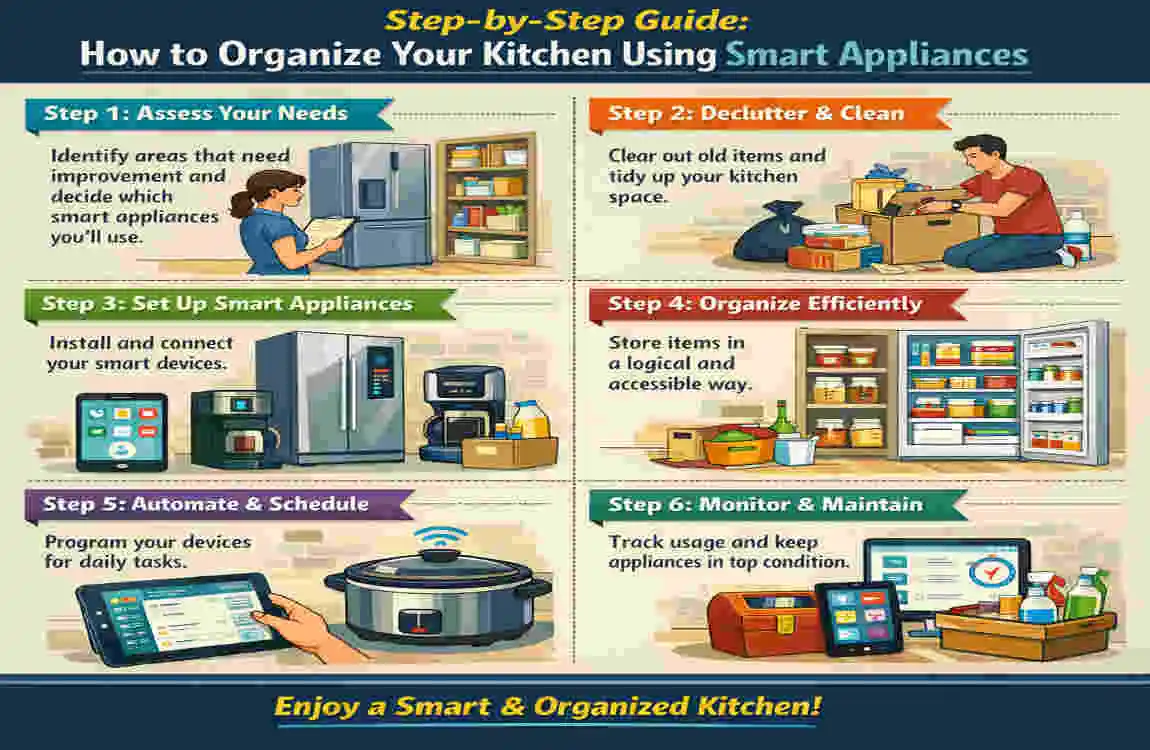
Look at your kitchen space
Start by spotting the messy areas. Check where items pile up, where storage feels limited, and where you lose time while cooking.
Choose the right State art of home appliance tools
Pick appliances that match your kitchen size and daily habits. If your space is small, choose devices that do more than one job.
Divide the kitchen into zones
Keep your kitchen arranged by function:
- Cooking zone for ovens, microwaves, and prep tools
- Storage zone for fridge, cabinets, and shelves
- Cleaning zone for dishwasher and waste handling
Connect your smart systems
Link your appliances through Wi-Fi or a smart hub. This makes it easier to control everything from one place.
Improve storage layout
Use smart shelves, labeled containers, and automated lighting. These small changes can make a big difference in how your kitchen feels.
Keep digital records
Use apps for grocery lists, food tracking, and cleaning reminders. This helps you stay organized without relying only on memory.
Smart Kitchen Organization Tips & Tricks
A few simple habits can make your smart kitchen work even better.
- Use vertical space with shelves and hanging storage
- Avoid buying appliances you will rarely use
- Keep your digital inventory updated
- Set reminders for cleaning and grocery checks
- Update appliance software when needed
These small steps help your kitchen stay efficient and easy to manage.
Common Mistakes to Avoid
Many people make their kitchen harder to manage by doing too much at once.
The most common mistakes are:
- Buying too many smart appliances
- Ignoring kitchen layout before shopping
- Having weak Wi-Fi for connected devices
- Making automation too complex
- Forgetting regular maintenance
A smart kitchen should feel simple. If it feels difficult, the setup may need adjustment.
Future of Smart Kitchen Organization
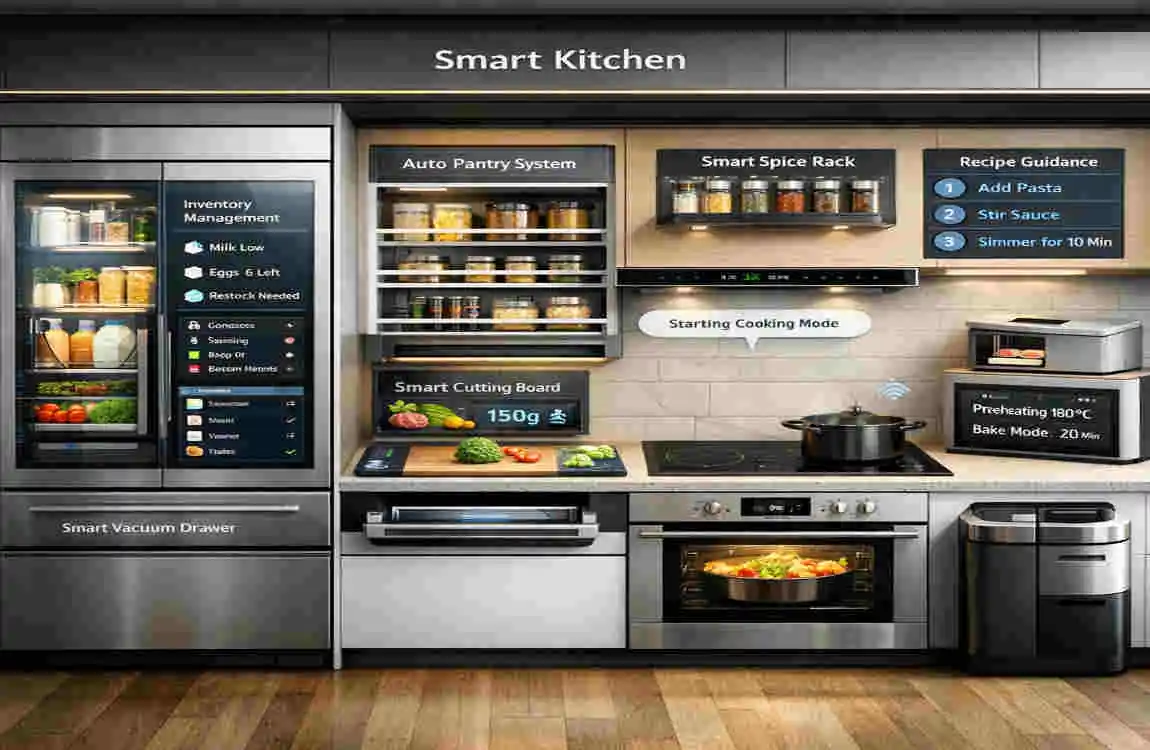
The future of kitchen design will likely be even more automated. We may see kitchens that suggest recipes based on available food, appliances that learn your habits, and robots that help with cooking and cleaning.
State art of home appliance innovation will continue to shape this future. The main goal will stay the same: make kitchen life easier, cleaner, and more efficient.
Frequently Asked Questions (FAQs)
What does “State art of home appliance” mean?
“State art of home appliance” refers to the latest generation of advanced home appliances that use smart technology, AI integration, and automation to improve daily household tasks, especially in kitchen organization and efficiency.
How do State art of home appliance systems improve kitchen organization?
They help organize the kitchen by automating storage, tracking food inventory, optimizing space usage, and connecting multiple devices through smart systems for better workflow and reduced clutter.
Are smart home appliances worth the investment?
Yes, State art of home appliance systems can save time, reduce energy costs, and improve convenience, making them a long-term investment for modern households.
What are examples of State art of home appliance products?
Examples include smart refrigerators, AI-powered ovens, automated dishwashers, smart lighting systems, and voice-controlled kitchen assistants.
Do smart appliances require Wi-Fi to function?
Most State art of home appliance devices require Wi-Fi or internet connectivity for full smart features like remote control, app integration, and automation, but basic functions usually still work offline.
Are smart kitchen appliances difficult to install?
No, most modern State art of home appliance products are designed for easy installation and come with step-by-step setup guides or professional installation options.
Can smart appliances reduce electricity bills?
Yes, many State art of home appliance systems are energy-efficient and use sensors and automation to minimize unnecessary power usage, helping reduce utility costs.
What is the future of State art of home appliance technology?
The future includes fully automated kitchens, AI-powered cooking systems, robotic assistants, and highly energy-efficient smart homes with seamless device integration.
Are smart appliances safe to use in the kitchen?
Yes, they are built with advanced safety features such as temperature control, auto shut-off, leak detection, and smart alerts for safer kitchen management.