Modern households face an ongoing challenge: managing possessions efficiently without sacrificing aesthetic appeal or functionality. The difference between a cluttered environment and a serene home often comes down to thoughtful storage planning. When homeowners invest time in understanding their spatial needs and implement targeted organization strategies, they create environments that support both productivity and relaxation. This transformation doesn’t require expensive renovations or professional intervention—it simply demands a systematic approach to evaluating how space is currently used and identifying opportunities for improvement.
Understanding the Psychology Behind Clutter
Physical disorganization directly impacts mental clarity and emotional well-being. Research consistently demonstrates that chaotic environments elevate stress hormones and reduce cognitive function. When items lack designated homes, decision fatigue accumulates throughout the day as residents repeatedly encounter misplaced objects. The visual noise created by scattered belongings disrupts concentration and creates a subtle but persistent sense of unfinished tasks. Addressing these issues begins with recognizing that effective storage isn’t about hiding possessions—it’s about creating intuitive systems that align with how you actually live. The goal is to reduce friction in daily routines so that maintaining order becomes the natural default rather than a constant battle against entropy.
Assessing Your Current Space Utilization
Before purchasing new storage solutions, conduct an honest audit of existing space. Many homes contain underutilized areas that could accommodate organizational systems with minimal modification. Vertical space above doorways, the backs of closet doors, and the areas beneath staircases frequently remain empty despite their potential. Walk through each room with fresh eyes, noting where items naturally accumulate and where traffic flow creates bottlenecks. Take measurements of problematic zones and photograph them for reference. This documentation provides a foundation for making informed decisions about which storage approaches will deliver the greatest impact. The assessment phase also reveals patterns in how your household uses different spaces, which informs whether items are stored in logical locations or whether a rearrangement would better serve daily activities.
Identifying High-Impact Storage Opportunities
Certain storage interventions deliver disproportionate benefits relative to their cost and effort. Entry areas, for instance, set the tone for the entire home and benefit enormously from dedicated systems for shoes, coats, bags, and keys. Kitchen pantries and cabinets see frequent use throughout the day, making them prime candidates for optimization through shelf risers, turntables, and clear containers. Bedroom closets often contain wasted space that simple additions like double hanging rods or shelf dividers can reclaim. Bathrooms typically lack sufficient surface area, which modular organizers and over-the-door solutions address effectively. Prioritize these high-traffic zones first to generate immediate improvements in daily functionality, then expand organizational efforts to secondary spaces once core areas operate smoothly.
Implementing Zoning Principles
Professional organizers frequently employ zoning strategies that group related items together based on function and frequency of use. This approach minimizes unnecessary movement and creates logical associations that make retrieval intuitive. In kitchens, establish distinct zones for food preparation, cooking, baking, and serving. Store items used together in the same area—measuring cups near baking ingredients, cutting boards near knives, pot holders near the stove. Apply similar logic throughout the home: designate specific drawers for office supplies, create stations for hobby materials, establish launching pads for items that leave the house regularly. For those seeking expert guidance on implementing comprehensive home organization strategies, Organized Living offers customized solutions that address the unique challenges of different spaces. The zoning methodology extends beyond physical grouping to include accessibility considerations, placing frequently needed items at arm’s reach while relegating occasional-use objects to less convenient locations.
Selecting Appropriate Storage Systems
The storage market offers countless products, but effective organization relies on matching solutions to specific needs rather than following trends. Transparent containers work beautifully for pantry goods and craft supplies where visual identification speeds retrieval, but opaque bins better suit items stored long-term or in visible locations. Modular systems provide flexibility as needs change, while built-in solutions maximize space efficiency in fixed dimensions. Consider maintenance requirements when selecting organizational tools—systems that demand excessive upkeep inevitably fall into disuse. Drawer dividers should be adjustable, shelf systems should accommodate varying heights, and any solution introduced should simplify rather than complicate the act of putting items away. Quality matters more than quantity; a few well-chosen organizational tools outperform a proliferation of cheap options that don’t quite fit their intended purpose.
Material and Design Considerations
Storage solutions should complement rather than clash with existing decor while providing genuine functionality. Wire systems promote air circulation and visibility, making them ideal for closets and pantries. Solid wood options deliver durability and a refined appearance suitable for visible applications. Fabric bins soften the aesthetic in children’s spaces and bedrooms while remaining lightweight and portable. Metal storage brings industrial appeal and exceptional strength for garage and utility applications. When selecting materials, account for the environmental conditions where items will be used—moisture levels, temperature fluctuations, and exposure to sunlight all affect longevity. Consistent finishes and coordinating colors create visual cohesion that elevates the overall appearance of organized spaces rather than creating a patchwork effect.
Maintaining Organizational Systems Over Time
The most sophisticated storage systems fail without consistent maintenance routines. Establish regular intervals for reassessing whether current arrangements still serve your needs—quarterly reviews catch small issues before they compound into major disorganization. Implement a one-in-one-out policy for categories prone to accumulation like clothing, books, and kitchen gadgets. Create specific homes for new acquisitions immediately upon bringing them into the house rather than setting them down temporarily in transitional spaces. Label containers and shelves to eliminate ambiguity about where items belong, reducing the cognitive load associated with tidying. When designing your living environment with intention, resources like comprehensive furniture design guides can help integrate storage seamlessly into your overall aesthetic vision. These habits compound over time, making organization progressively easier rather than requiring perpetual effort.
Addressing Common Organizational Challenges
Certain categories of possessions present persistent organizational difficulties. Paper documents continue accumulating despite digital alternatives, requiring deliberate systems for sorting, filing, and discarding. Seasonal items occupy valuable space year-round despite limited use periods, suggesting the need for rotation strategies or off-site storage. Children’s possessions multiply rapidly and rarely return to designated locations without structured routines and age-appropriate storage that kids can manage independently. Sentimental items carry emotional weight that complicates rational decision-making about retention, benefiting from clear parameters about quantity limits and display versus storage approaches. Expert recommendations on home organization emphasize addressing these challenge categories directly rather than allowing them to undermine broader organizational efforts. Each difficult category requires customized solutions that acknowledge its unique characteristics while preventing it from creating cascading disorder in surrounding areas.
The Role of Professional Solutions
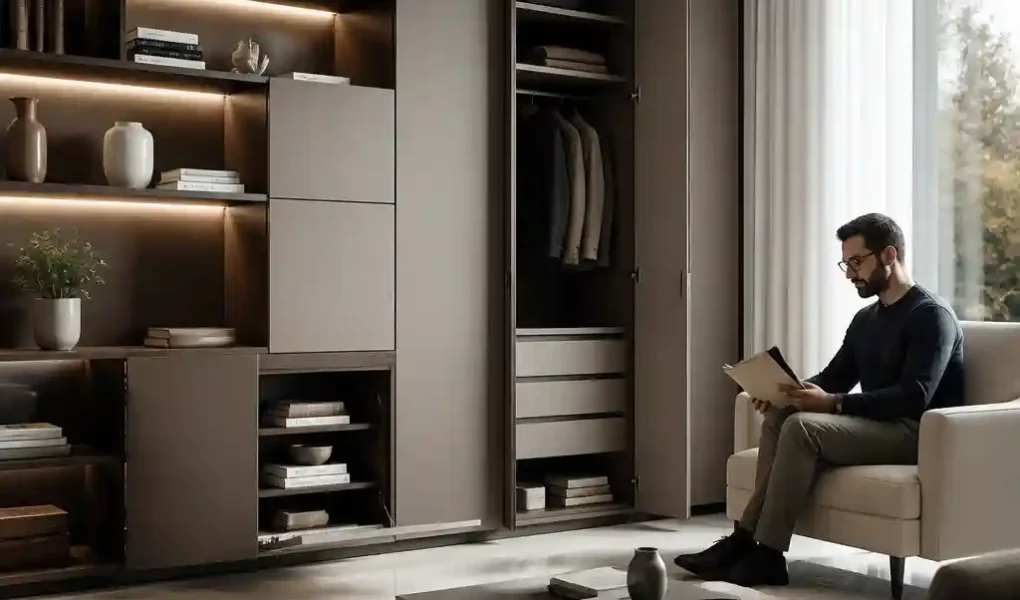
While many organizational improvements can be tackled independently, certain situations benefit from professional expertise. Custom closet systems maximize awkward dimensions that standard products can’t accommodate effectively. Built-in solutions create seamless integration with architectural features while providing storage capacity that freestanding furniture cannot match. Professional installers ensure proper anchoring and weight distribution, critical factors for safety and longevity. Companies specializing in residential organization bring design experience that helps homeowners avoid common pitfalls and capitalize on overlooked opportunities. The investment in professional systems often pays dividends through increased home value, improved functionality, and the elimination of trial-and-error purchases that don’t ultimately serve their intended purpose. When evaluating whether to pursue professional assistance, consider the complexity of the space, the permanence of the desired solution, and whether specialized knowledge would accelerate achieving optimal results.
Conclusion
Transforming living spaces through strategic storage requires thoughtful planning, appropriate tools, and consistent habits. The effort invested in creating organizational systems delivers returns through reduced stress, improved efficiency, and environments that genuinely support how you want to live. By assessing current space utilization, implementing zoning principles, selecting suitable storage solutions, and maintaining systems over time, homeowners create order that persists rather than constantly fighting against chaos. The goal isn’t perfection or showroom aesthetics—it’s functional beauty that makes daily life smoother and spaces more enjoyable. Whether you tackle organization independently or engage professional assistance, the fundamental principles remain constant: everything needs a logical home, systems must align with actual behavior patterns, and maintenance routines prevent backsliding. With these foundations in place, the transformation from cluttered to calm becomes not only achievable but sustainable over the long term.