Room-by-room furniture design is the easiest way to make your home feel organized, comfortable, and stylish. Instead of buying furniture randomly, you plan each room based on how that room is used, how much space it has, and what kind of feeling you want to create.
This method works because every room has a different purpose. Your living room should support conversation and relaxation. Your bedroom should feel calm and restful. Your home office should help you focus. When you design each room separately, your home feels more balanced overall.
What Is Room by Room Furniture Design?
Definition and Purpose
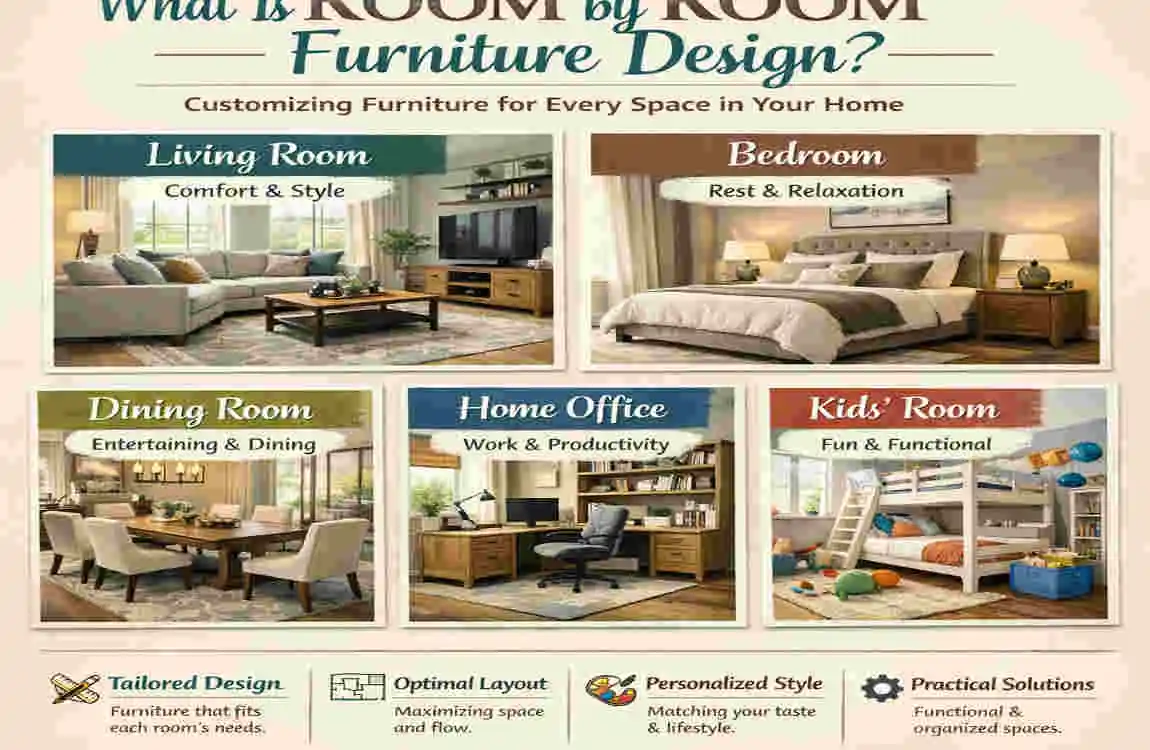
Room-by-room furniture design means choosing and arranging furniture based on each room’s specific function.
A living room needs different furniture than a dining room. A child’s room needs different furniture than a guest room. The goal is to make every room practical first, then attractive.
Why It Matters
This approach matters because it helps you create a home that works better in daily life.
It improves organization, increases comfort, and makes the space look more polished. It also helps you use every square foot wisely, which is especially helpful in smaller homes.
Benefits of Planning Furniture Room by Room
Maximizes Available Space
When you plan each room carefully, you avoid wasting space. You can place furniture where it fits best instead of crowding the room.
Improves Daily Functionality
Good furniture design makes everyday tasks easier. You can sit, work, eat, relax, and move around without frustration.
Creates Better Traffic Flow
A smart layout leaves clear walkways. That makes your home feel open and easy to move through.
Makes Decorating Easier
When furniture choices match the room’s purpose, decorating becomes simpler. You can build the rest of the room around the furniture instead of forcing everything to fit later.
Helps Stay Within Budget
Planning room by room also helps you spend money wisely. You can focus on what each room really needs instead of buying extra pieces you do not use.
Essential Furniture Design Principles
Balance
Balance means no part of the room feels too heavy or too empty. If one side has a large sofa, the other side may need a chair, lamp, or table to balance it out.
Scale and Proportion
Furniture should match the size of the room. Large furniture in a small room can make the space feel tight. Tiny furniture in a large room can look lost.
Symmetry vs. Asymmetry
Symmetry creates a formal, orderly feel. Asymmetry feels more relaxed and modern. Both can work well depending on the room style.
Color Coordination
Furniture colors should work with walls, floors, and decor. You do not need everything to match exactly, but the colors should feel connected.
Lighting Considerations
Furniture should never block light. Place seating, desks, and tables to take advantage of natural and artificial light rather than hide it.
Comfort and Practicality
A room should look good, but it should also be easy to use. Choose furniture that feels comfortable and fits how you live.
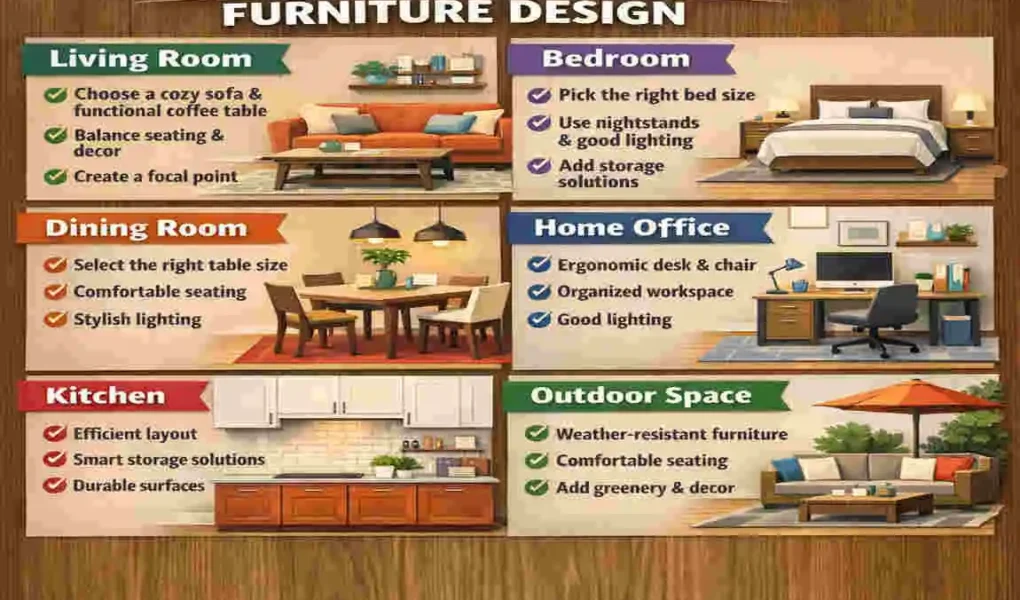
Living Room Furniture Design
Choosing the Right Sofa
The sofa is usually the main piece in the living room. Choose one that fits the room size and leaves enough space to walk around it.
Coffee Tables and Side Tables
A coffee table should be easy to reach without crowding the room. Side tables help add convenience next to sofas or chairs.
TV Unit Placement
Place the TV where it can be seen comfortably without forcing neck strain. Avoid putting it where window glare becomes a problem.
Accent Chairs
Accent chairs can add extra seating and style. They also help break up a room that feels too flat or too uniform.
Storage Solutions
Use cabinets, baskets, or media units to keep clutter out of sight. A neat living room always feels more inviting.
Best Furniture Layout Ideas
A good living room layout often centers on a focal point such as a TV, fireplace, or window. Try to keep conversation areas open and comfortable.
Bedroom Furniture Design
Selecting the Perfect Bed
The bed is the main piece in the bedroom. Choose a size that fits the room without overwhelming it.
Nightstands
Nightstands give you a place for lamps, books, and personal items. They should be the right height for easy use.
Wardrobes and Closets
If built-in storage is limited, a wardrobe can help keep clothes organized. Choose one that matches the room size and style.
Dressers
Dressers are useful for folded clothing and extra storage. They also give the room a finished look.
Reading Corner Ideas
If space allows, add a small chair and lamp to create a reading corner. This makes the room feel more personal and relaxing.
Bedroom Furniture Placement Tips
Keep walking paths clear and avoid blocking windows. The bed should feel like the center of the room, but not the only focus.
Dining Room Furniture Design
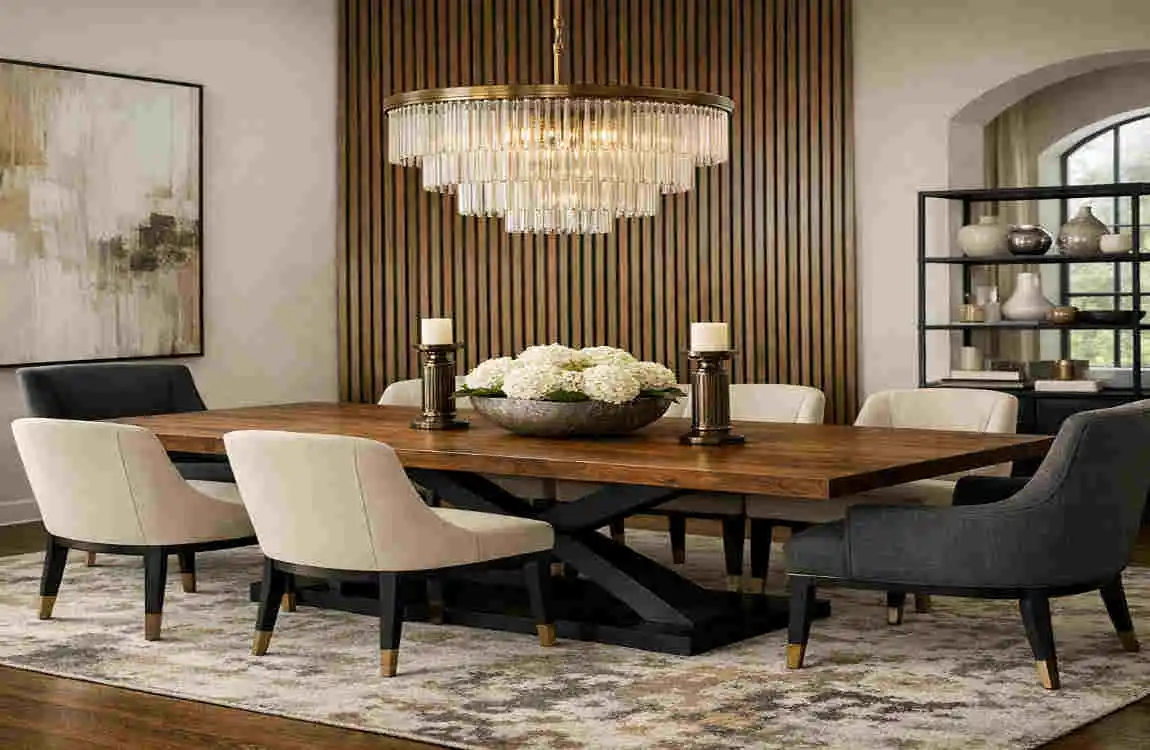
Dining Table Size Guide
The table should match the room size and number of people you usually host. A table that is too large can make the room hard to move through.
Comfortable Dining Chairs
Dining chairs should be comfortable enough for longer meals. They should also fit well under the table.
Sideboards and Buffets
These pieces offer extra storage for dishes, serving items, or table linens. They are helpful in both large and small dining rooms.
Lighting Above Dining Tables
Lighting should sit over the table to create a clear focal point. A pendant or chandelier often works well.
Small Dining Room Layout Ideas
In smaller rooms, use a round table or a slim rectangular table. This helps improve movement and creates a lighter visual feel.
Kitchen Furniture Design
Kitchen Islands
A kitchen island adds prep space, storage, and sometimes seating. It works best when there is enough room to move around it.
Breakfast Bars
Breakfast bars are useful for quick meals or casual seating. They are a smart choice for open-plan kitchens.
Cabinets and Storage
Kitchen furniture should focus on storage first. Use cabinets, drawers, and pull-outs to keep the space organized.
Seating Arrangements
If your kitchen has seating, keep it simple and functional. Stools should fit under counters comfortably.
Functional Layout Tips
The kitchen should support cooking, cleaning, and movement. Keep the main work areas easy to reach and avoid crowding the center of the room.
Home Office Furniture Design
Choosing an Ergonomic Desk
A good desk should support your work posture and fit your tasks. The right height and surface space matter a lot.
Office Chairs
Your chair should be supportive and comfortable. If you work for long periods, this becomes even more important.
Shelving Solutions
Shelves help keep books, files, and supplies organized. Vertical storage is especially useful in small offices.
Lighting for Productivity
Use lighting that reduces eye strain. A desk lamp plus natural light often works well.
Small Home Office Ideas
For tight spaces, use a compact desk, wall shelves, or a corner setup. Even a small area can work well if it stays organized.
Children’s Room Furniture Design
Safety First
In a child’s room, safety matters more than anything. Avoid sharp edges and unstable furniture.
Multifunctional Furniture
Beds with storage, fold-out desks, and toy benches help the room do more with less space.
Study Areas
As children grow, they need a spot for homework and reading. A small desk and chair can make a big difference.
Storage for Toys
Open bins and low shelves make cleanup easier. They also help children access their toys independently.
Flexible Furniture for Growing Kids
Choose pieces that can adapt over time. That saves money and keeps the room useful longer.
Guest Room Furniture Design
Comfortable Guest Bed
A guest room should always feel welcoming. A comfortable bed is the most important piece.
Essential Storage
Add a dresser, closet space, or small shelves so guests have somewhere to unpack.
Space-Saving Furniture
If the guest room is small, use compact or foldable furniture to keep the room open.
Decorative Touches
Soft bedding, a lamp, and simple decor can make guests feel at home without cluttering the space.
Outdoor Furniture Design
Patio Seating
Choose seating that is comfortable and easy to maintain. Outdoor sofas, benches, and chairs all work well depending on the space.
Outdoor Dining Sets
If you eat outside often, a sturdy dining set is worth having. Make sure it fits the patio size.
Weather-Resistant Materials
Outdoor furniture should handle sun, rain, and changing temperatures. That keeps it looking good longer.
Outdoor Storage Options
Storage benches or weatherproof boxes help protect cushions and outdoor items.
Choosing Furniture Materials
Solid Wood
Solid wood is strong, classic, and long-lasting. It works well in many rooms.
Engineered Wood
Engineered wood is usually more affordable and still offers a good look. It is common in modern furniture.
Metal
Metal furniture is durable and often has a clean, modern feel.
Glass
Glass can make a room feel lighter and more open. It works best in smaller amounts or as accent pieces.
Upholstered Furniture
Upholstery adds softness and comfort, especially in living rooms and bedrooms.
Sustainable Materials
Eco-friendly materials are becoming more popular. They are a smart choice if you want style with less waste.
Common Furniture Design Mistakes to Avoid
- Buying oversized furniture
- Ignoring room measurements
- Blocking natural walkways
- Poor lighting choices
- Too much matching furniture
- Lack of storage planning
These mistakes can make even a beautiful room feel awkward or cramped.
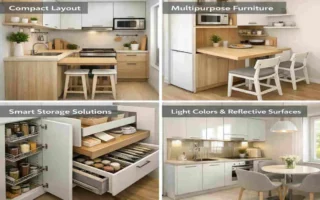
Tips for Designing Small Rooms
Use Multi-Purpose Furniture
Choose pieces that do more than one job. A storage ottoman or sofa bed can save a lot of space.
Add Mirrors
Mirrors reflect light and make a room feel larger.
Choose Light Colors
Light colors keep small rooms feeling open and fresh.
Use Vertical Storage
Tall shelves and wall-mounted storage help you use space upward instead of outward.
Keep Layout Simple
Do not overfill the room. A few well-chosen pieces often work better than many small ones.
Latest Room by Room Furniture Design Trends
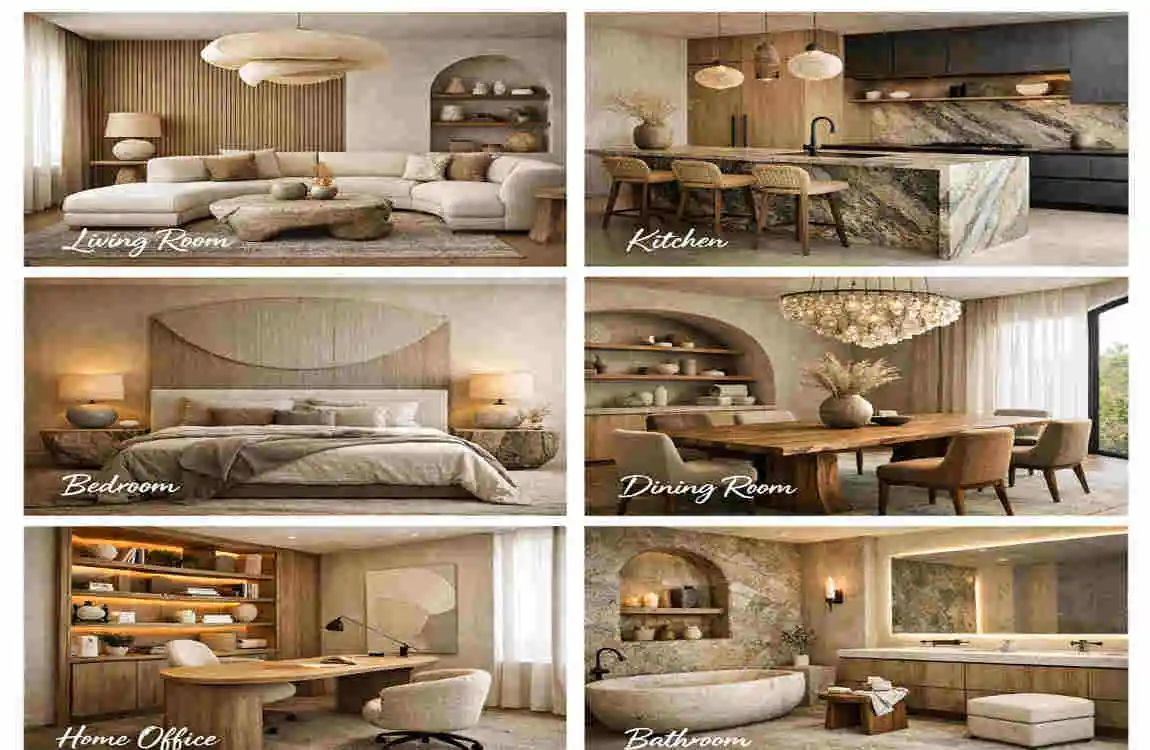
Minimalist Interiors
Minimalist design keeps furniture simple and the room uncluttered.
Scandinavian Style
This style uses light colors, natural textures, and practical furniture.
Japandi Design
Japandi blends Japanese simplicity with Scandinavian warmth.
Smart Furniture
Furniture with built-in charging, storage, or hidden features is becoming more popular.
Eco-Friendly Materials
Many homeowners now prefer sustainable furniture materials.
Curved Furniture
Soft curves are replacing very sharp lines in many modern homes.
Room by Room Furniture Design Checklist
RoomEssential FurnitureMain Design Tip
Living Room Sofa, Coffee Table Keep seating balanced
Bedroom Bed, Wardrobe Prioritize comfort
Dining Room Dining Table Allow enough walking space
Kitchen Cabinets Maximize storage
Office Desk, Chair Focus on ergonomics
Kids Room Bed, Storage Choose safe furniture
Guest Room Bed Keep it simple
Outdoor Seating Set Use weather-resistant materials
Frequently Asked Questions
What is room-by-room furniture design?
It is the process of selecting and arranging furniture based on the unique purpose, size, and layout of each room.
Why is room-by-room planning important?
It improves functionality, comfort, organization, and overall interior appearance.
How do I choose the right furniture size?
Measure your room first and leave enough space for comfortable movement.
Which furniture works best in small rooms?
Multifunctional furniture, wall-mounted storage, nesting tables, and foldable pieces are ideal.
What is the best furniture layout for a living room?
Arrange seating to encourage conversation while maintaining clear walkways and focal points.
| Aspect | Details |
|---|---|
| Topic | How to Master Room by Room Furniture Design |
| Purpose | Create a functional, comfortable, and visually appealing home by selecting furniture that suits each room’s needs. |
| Living Room | Choose a comfortable sofa, coffee table, accent chairs, and TV stand while maintaining easy traffic flow. |
| Bedroom | Focus on a quality bed, bedside tables, dresser, and adequate storage for a relaxing atmosphere. |
| Dining Room | Select a dining table and chairs that fit the room size and comfortably accommodate your household. |
| Kitchen | Add practical seating, kitchen islands, bar stools, and compact storage furniture where space allows. |
| Home Office | Use an ergonomic desk and chair with shelving or filing cabinets for organization and productivity. |