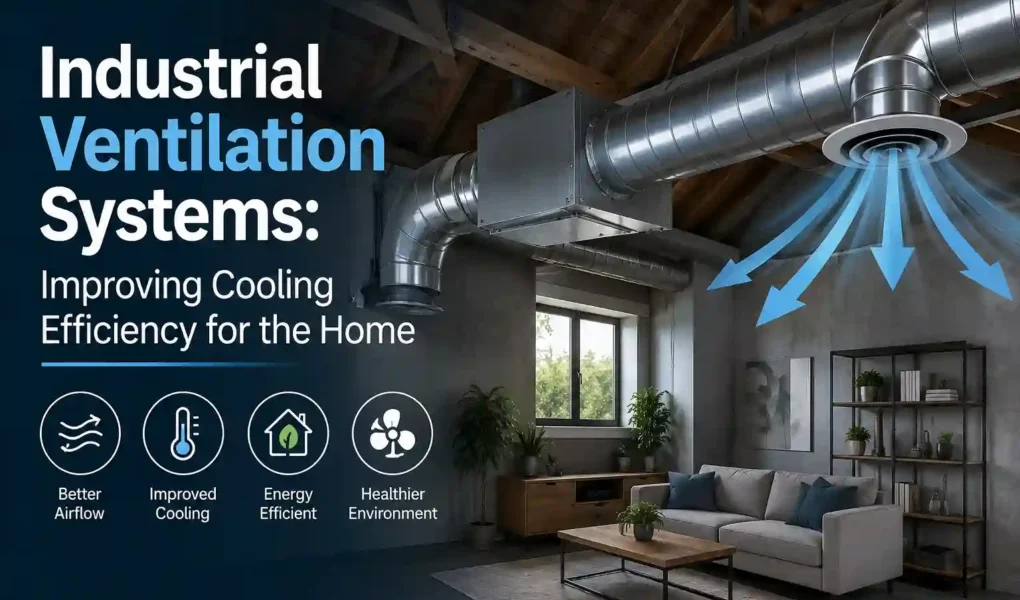
When it comes to maintaining safe, productive, and energy-efficient working environments at industrial premises, effective ventilation is crucial.
Across such settings as manufacturing facilities, warehouses, data centres, and commercial workshops, industrial ventilation can greatly help regulate temperature, control airborne contaminants, and enhance all-round cooling efficiency.
However, we are also in an era of distinctive and intensifying challenges. Organisations in the UK, for example, are having to pay industrial electricity prices that remain historically high as of 2026. The present landscape is also one of increasingly strict regulatory obligations and warmer summers.
These factors underscore the importance of businesses investing in well-designed industrial ventilation systems that deliver significant cooling efficiency improvements. All the while, it is no less vital for such equipment to minimise operational expenses and support compliance.
The range of HVAC and cooling products at RS Online, for instance, encompasses such relevant items as industrial fans, air conditioning units, filters, heatsinks, thermal interface materials, and ventilation accessories.
Why Industrial Ventilation Matters for Cooling
Anyone who has spent meaningful time at an industrial facility will know about the substantial internal heat that is constantly generated by the machinery, processes, lighting, and personnel at such sites.
In the absence of adequate ventilation, industrial premises can suffer from elevated temperatures, reduced equipment reliability, lower worker productivity, and heightened risk of equipment downtime or staff health issues.
Ventilation can reduce heat buildup and improve thermal comfort, especially when outdoor air temperatures are lower than indoor temperatures. It can help bring down ambient temperatures, control humidity, and dilute airborne contaminants.
4 Ways to Ensure Greater Cooling Efficiency at Industrial Premises
Here are some practical measures that a business might pursue to help optimise the efficiency of cooling at its industrial premises:
- Optimising Airflow Design
The proper planning of airflow ensures that cool air reaches critical areas, alongside the efficient extraction of hot air.
Poor airflow distribution can result in hotspots that hamper system performance.
- Using Energy-Efficient Equipment
“2020s-ready” solutions like electronically commutated (EC) fans, intelligent thermostats, and variable-speed ventilation systems typically consume less power than the equivalent previous-generation equipment.
At the same time, though, the latest industry-leading products can also be trusted to maintain consistent cooling performance.
- Integrating Smart Controls
The ability to adjust cooling performance at your industrial facility based on real-time conditions is no longer a mere fantasy.
It is what today’s automated HVAC controls and environmental monitoring systems allow businesses like yours to do, enhancing efficiency and comfort in the process.
- Carrying Out Regular Maintenance
Even if you have highly energy-efficient ventilation systems in place at your site, it is crucial to keep up a routine of inspection and maintenance. This will greatly help ensure your equipment continues to operate at peak efficiency.
The alternative is to allow filters to become dirty, vents to become gradually blocked, and components to wear out. These are all issues that can reduce airflow and drive up your organisation’s day-to-day energy use.
Choosing The Right HVAC And Cooling Products for Your Industrial Site
Various factors will influence the choices of ventilation and cooling equipment that you make for your premises.
These will include the:
- Size of the facility
- Heat output
- Airflow requirements
- Environmental conditions
- Organisational energy efficiency targets
- Regulatory compliance considerations
Your search for the optimal solutions (and subsequent decision-making) can also be made easier when you turn to the most trustworthy and well-regarded suppliers of such equipment.
Optimised Cooling Efficiency Is a More-Than-Worthwhile Investment
Is your organisation looking to not only maximise the efficiency of its cooling, but also cut its energy bills and futureproof its operations against regulatory and climate pressures?
If your answer to that question is “yes”, putting money into upgrading the ventilation arrangements at your industrial facility could be a seriously savvy investment.
Industrial ventilation is no longer merely about “moving air”. That’s because it’s very much a strategic part of facility management in support of productivity, equipment protection, and long-term energy savings.