Commercial programmes rarely fail because of architecture. They fail because the ground game turns messy. Wet weather. Conflicting trades. Concrete that arrives late, cures slowly, then gets drilled and patched like a bad dental job. Precast foundations change the tempo. Units arrive made, checked, and ready to lock into place, which means the site stops behaving like a laboratory and starts behaving like a production line. That shift matters when finance charges tick daily, and tenants want keys, not excuses. Even insurers notice when risk shrinks. Neighbours also complain less when the disruption is short.
Speed, With Fewer Surprises
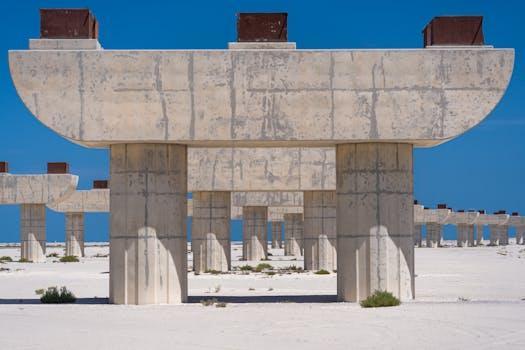
Precast foundations cut time because the work moves off-site. Casting, curing, and dimensional checks happen under the roof, not under clouds. Site crews then place units fast, often in a day that would barely cover formwork for in situ pours. Solutions provided by providers like JP Concrete appear in many specs for a simple reason. Contractors want predictable lead times and components that fit without on-site improvisation. Predictability sounds dull. It pays rent. When foundations land on schedule, steel follows, cladding follows, and the programme stops wobbling. The calendar stops bullying everyone. Crews also waste less time waiting for cubes to hit strength.
Quality That Doesn’t Depend on Luck
In situ concrete loves excuses. Rain changes the slump. Cold slows strength gain. A rushed pour invites honeycombing, then repairs, then arguments about whose fault it is. Precast strips away that theatre. Controlled batching, consistent compaction, and proper curing drive repeatable strength and cover. Inspection also gets sharper because factories can measure and record the same way every time, not by squinting at a muddy trench. The result looks boring on a brochure. On-site, it stops defects from breeding. That consistency also helps warranties hold up. Snag lists shrink, and handover stops feeling like hostage negotiation.
Cleaner Sites, Safer Routines
Construction safety often boils down to one word. Congestion. Traditional foundations crowd the site with shutters, pumps, rebar cages, and wet concrete hazards, keeping everyone tiptoeing. Precast reduces the clutter. Fewer deliveries arrive, fewer trades overlap, and lifting plans replace ad hoc pouring. That change improves housekeeping and cuts manual handling. Noise drops too because of vibrating and breaking out work shrinkage. The odd paradox appears. Heavy elements can make sites safer when crews plan lifts properly and stop improvising. Order beats bravado every time. Less muck also means fewer slips, trips, and petty injuries.
Design Flexibility Without Programme Pain
Precast foundations don’t mean rigid thinking. Engineers can specify beams, pads, pile caps, and ground beams in standard forms or bespoke runs. Openings for services can be cast in, preventing later core drilling that weakens sections and wastes days. Interface details also tighten up. Connections, starter bars, and bearing plates arrive where they should, not where a tired operative guesses. Clients chasing fast fit-outs should take note of this. A foundation that anticipates M&E routes keeps the whole building calm. Even future extensions get easier when datum points stay true. Coordination meetings get shorter when geometry behaves.
Conclusion
Precast foundations accelerate commercial projects by refusing to gamble. They swap uncertain site processes for repeatable manufacture, then turn installation into a planned sequence rather than a daily negotiation with weather and labour. The time-saving looks obvious. The quieter gains matter more. Fewer defects, fewer clashes, less rework, and better safety all protect the programme from small failures that compound into months. Developers like speed. Contractors like certainty. Tenants like moving in on time. Precast gives all three something solid. When a project runs early, everyone pretends it was always the plan. The numbers on the cost report rarely lie.