The modern home is no longer defined solely by comfort or design, it is increasingly shaped by how efficiently it uses and manages energy. Rising costs, evolving technologies, and a greater awareness of sustainability are pushing homeowners to rethink how their living spaces function. Instead of relying entirely on external infrastructure, there is a growing focus on systems that improve control, reduce waste, and enhance long-term reliability. This shift reflects a broader transition toward homes that are not just energy consumers, but active participants in energy management.
Energy Efficiency as the Starting Point
Before introducing advanced systems or alternative energy sources, the foundation of any modern home begins with efficiency. Reducing unnecessary energy loss through insulation, improved windows, and optimized heating systems creates a baseline that supports all other upgrades. Without this foundation, even the most advanced technologies will struggle to deliver meaningful results.
Improving efficiency also has immediate practical benefits. According to UK government guidance, measures such as upgrading insulation or reducing heat loss can significantly lower energy bills while making homes easier to keep warm. This demonstrates that efficiency is not only a long-term goal but an essential first step in improving everyday living conditions.
Designing Homes With Energy in Mind
Energy is increasingly being considered during the early stages of home design rather than as an afterthought. This approach allows for better placement of heating systems, improved airflow, and more effective use of natural light. When these elements are planned together, the home operates more efficiently without requiring constant adjustments.
This design-focused mindset also encourages homeowners to think about how their daily routines interact with energy use. By aligning energy systems with real-life habits, homes become more intuitive and easier to manage. The result is a living space that feels both comfortable and responsive, without unnecessary energy consumption.
Modular Systems Are Changing the Upgrade Process
Traditional home upgrades often require significant upfront investment and long-term commitment. Modular energy systems offer a more flexible alternative, allowing homeowners to introduce improvements gradually. This makes it easier to adapt systems over time as needs change or new technologies become available.
Solutions like renogy represent this shift toward scalable energy systems, where components are designed to work together while still allowing for expansion. Instead of committing to a single large installation, homeowners can build their system step by step, reducing both financial pressure and complexity.
Heating Systems as a Central Control Point
Heating remains one of the largest contributors to household energy consumption, making it a critical area for improvement. Modern systems are designed not just to provide warmth, but to do so efficiently and responsively. This includes better zoning, programmable schedules, and systems that adjust based on occupancy.
By focusing on heating efficiency, homeowners can achieve significant reductions in overall energy use without sacrificing comfort. This approach also supports broader energy strategies, ensuring that any generated or stored energy is used effectively rather than wasted.
Smart Technology and Real-Time Adjustments
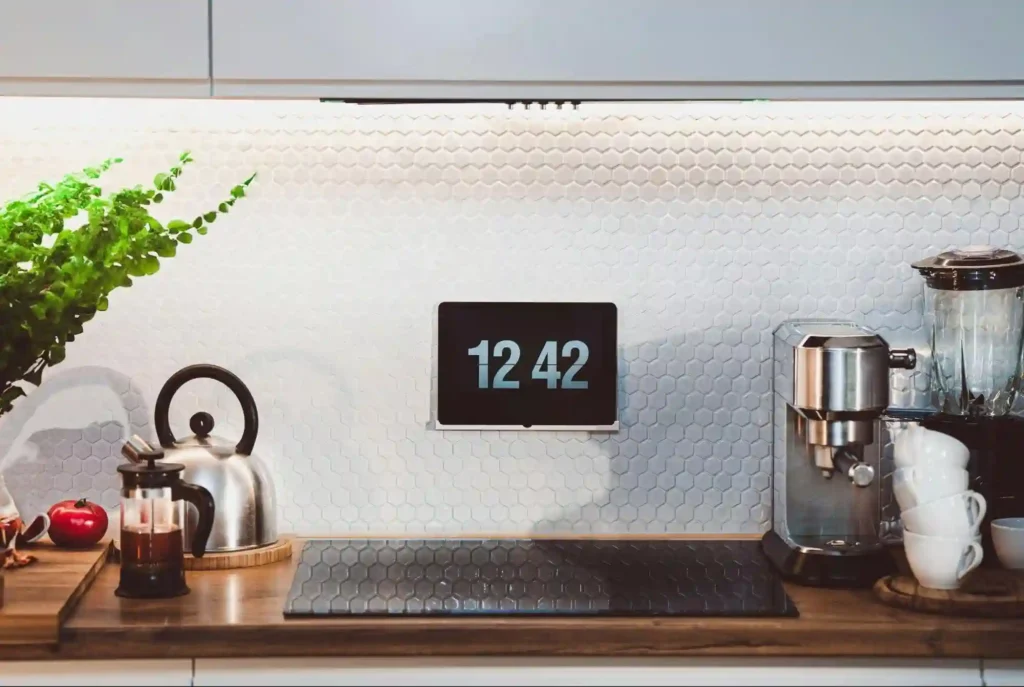
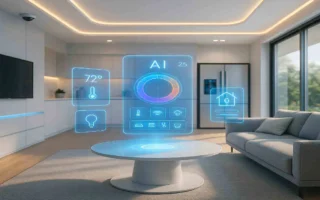
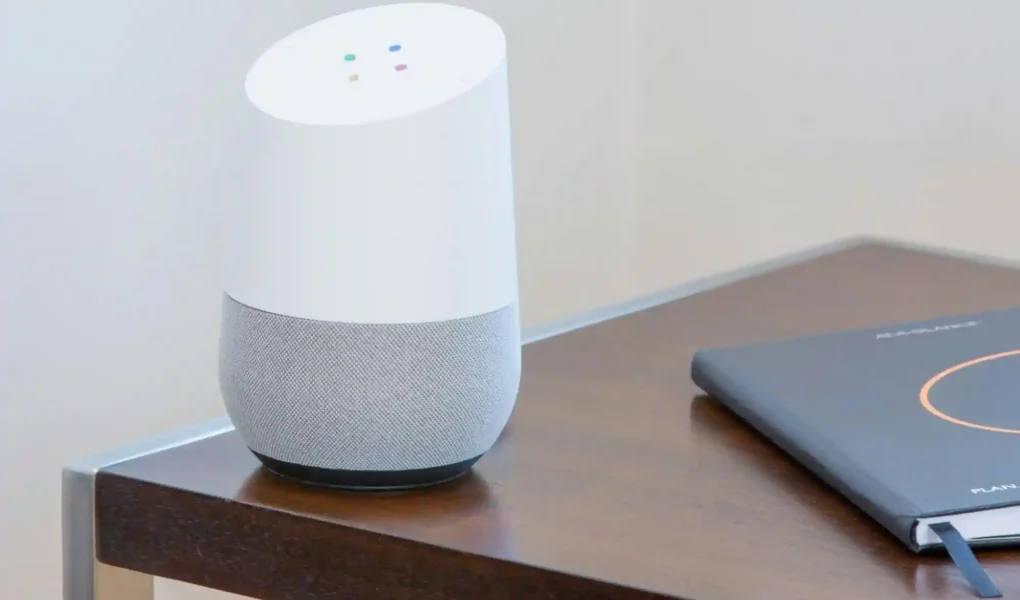
The integration of smart technology has transformed how energy is managed within the home. Devices can now monitor usage patterns, detect inefficiencies, and make automatic adjustments to maintain optimal performance. This level of control was not possible with traditional systems, which relied heavily on manual input.
Smart controls allow homeowners to respond to changing conditions instantly, whether that involves adjusting temperature settings or reducing energy use during peak times. Over time, these systems contribute to a more balanced and efficient household, where energy is used intentionally rather than passively.
Authority Insight: Efficiency as a National Priority
Energy efficiency is not just a household concern, it is a national priority reflected in policy and long-term planning. UK initiatives such as the Energy Company Obligation aim to improve home efficiency while reducing fuel poverty and carbon emissions. This highlights the broader impact of individual home improvements on national energy goals.
The emphasis on efficiency at both individual and policy levels reinforces the importance of making informed choices about energy use. Homes that prioritize efficiency contribute not only to lower costs but also to a more sustainable energy system overall.
Cleaning and Maintenance in Energy Systems
Energy systems, like any other part of the home, require regular maintenance to perform effectively. Neglecting this aspect can lead to reduced efficiency, higher energy consumption, and potential system failures. Routine cleaning and servicing ensure that components operate as intended and maintain their lifespan.
In environments where heavy-duty cleaning is required, solutions like hotsyhouston.com are often associated with maintaining equipment and surfaces that support operational efficiency. While not directly tied to residential systems, the broader principle remains relevant: consistent upkeep plays a crucial role in sustaining performance over time.
Comfort, Control, and Long-Term Value
Balancing comfort with efficiency is one of the defining challenges of modern home design. Homeowners want reliable heating, cooling, and everyday convenience without excessive energy use. Achieving this balance requires a combination of efficient systems, smart controls, and thoughtful design.
Over time, these improvements contribute to the overall value of the property. Homes that are energy-efficient and easy to manage are increasingly attractive in the housing market, reflecting a shift in what buyers prioritize. Efficiency is no longer a bonus, it is becoming an expectation.
Homes as Active Energy Environments
The role of the home is evolving into something more dynamic and self-sufficient. Instead of passively consuming energy, modern homes are designed to generate, store, and manage it in response to changing conditions. This transformation changes how homeowners interact with their living spaces.
By combining efficient design, modular systems, and smart technology, homes become active environments that support both comfort and sustainability. This shift represents a new standard in residential living, where energy is not just used, it is actively managed as part of everyday life.