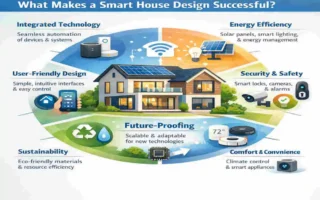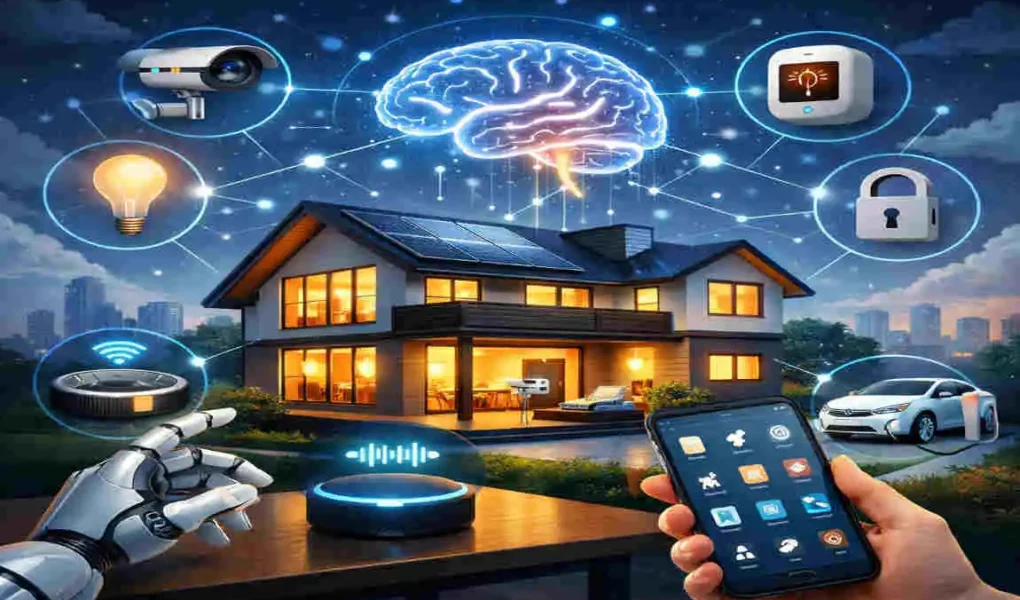
A smart home uses AI-enabled devices and software that can learn, adapt, and help automate daily life. It is not just about turning lights on with your phone. It is about a home that can understand routines, respond to needs, and make life easier.
More homeowners are choosing AI-powered homes because they save time, improve comfort, and add better security. These systems can help with lighting, heating, cleaning, and even safety alerts.
What Is a Smart Home in AI?

Simple Definition
An AI smart home uses artificial intelligence to make decisions based on your habits and needs. It learns from your daily actions and helps automate tasks without needing you to control everything manually.
This is different from basic automation. A regular smart device follows fixed rules. AI goes a step further and adapts over time.
How AI Makes Homes Smarter
AI watches patterns and uses that information to improve how your home works. For example, it may notice when you usually wake up, when you leave home, or how warm you like your room to be.
Then it can automatically make small changes. It may dim the lights, adjust the temperature, or send a security alert when something looks unusual.
How Does an AI Smart Home Work?
Sensors
Sensors are the eyes and ears of a smart home. They collect information from different parts of the house.
Common sensors include:
- Motion sensors
- Temperature sensors
- Door and window sensors
These sensors help the system know what is happening in the home at any moment.
Internet Connectivity
Smart homes need a way for devices to communicate. This usually happens through Wi-Fi, Bluetooth, Zigbee, or Matter.
These connections allow your devices to work together smoothly. They also help you control things from your phone or voice assistant.
AI Software
The real intelligence comes from the software. It studies data, learns habits, and creates better responses over time.
This means your home becomes more personal. It does not just follow commands. It starts to understand your lifestyle.
Smart Devices
AI smart homes often include devices like:
- Lights
- Thermostats
- Cameras
- Locks
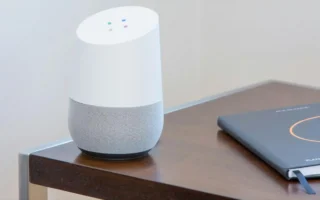
- Speakers
Each device plays a role in making the home more comfortable, secure, and efficient.
Main Features of an AI Smart Home
Voice Control
You can use your voice to manage many tasks. This makes daily life easier, especially when your hands are full.
Automated Lighting
Lights can turn on or off based on movement, time, or your routine. This saves energy and adds convenience.
Smart Climate Control
AI can help keep your home at a comfortable temperature. It learns when you want it warmer or cooler.
Security Monitoring
Smart cameras and sensors can watch for unusual activity and send alerts right away.
Energy Management
AI can help reduce waste by adjusting devices only when needed. This may lower your electricity bills.
Remote Access
You can control your home from anywhere using your phone. This is helpful when you are away and want to check on things.
Popular AI Smart Home Devices
DeviceAI FunctionMain Benefit
Smart Speaker Voice assistant Hands-free control
Smart Thermostat Learns preferences Saves energy
Smart Lights Adaptive lighting Comfort & efficiency
Smart Camera AI detection Better security
Smart Lock Remote access Improved safety
Robot Vacuum Maps rooms Automatic cleaning
These devices are often the first step for people building an AI-powered home.
Benefits of AI Smart Homes

Greater Convenience
AI smart homes handle small tasks for you. That means less effort in your daily routine.
Improved Home Security
Smart cameras, door locks, and motion alerts help you feel safer and more aware of what is happening at home.
Lower Energy Bills
When lights and temperature settings adjust automatically, you avoid wasting power.
Better Comfort
Your home can maintain the right temperature and lighting without constant manual adjustments.
Personalized Experience
AI learns your habits, so the home begins to match your lifestyle more closely.
Time Saving
You spend less time managing small household tasks. That gives you more time for important things.
AI vs Traditional Smart Homes
Traditional Automation
Traditional smart homes follow set rules. For example, lights may turn on at 7 p.m. every day no matter what.
AI-Powered Intelligence
AI smart homes are more flexible. They can notice changes, learn behaviour, and make smarter choices.
Key Differences
Traditional systems are helpful, but AI systems are more advanced because they adapt.
That is the big difference. One reacts only to commands. The other learns and improves over time.
Everyday Examples of AI Smart Homes
AI is easy to notice in daily life once you know what to look for.
A few simple examples include:
- Morning routine automation
- Automatic lighting adjustments
- Smart heating and cooling
- AI-powered security alerts
- Smart appliance management
For example, your lights may brighten slowly in the morning. Your Thermostat may cool the house before you arrive. Your camera may alert you if it sees movement outside.
Challenges of AI Smart Homes
Privacy Concerns
Some people worry about how much data smart devices collect. That is a fair concern, so it is important to review settings and permissions.
Internet Dependence
Many AI smart homes need a stable internet connection. If the internet goes down, some features may stop working.
Initial Cost
Smart devices can be expensive at first. However, many people start small and build their system over time.
Compatibility Issues
Not all devices work well together. That is why it helps to choose products that support the same platform.
Cybersecurity Risks
Like any connected system, smart homes can be targeted if they are not protected well. Strong passwords and updates matter.
Tips for Building an AI Smart Home
Start Small
You do not need to automate everything at once. Begin with one or two devices, then grow from there.
Choose Compatible Devices
Pick devices that work with the same app or system. This makes setup easier and reduces problems later.
Secure Your Wi-Fi Network
Use a strong password and keep your network protected. This helps keep your smart home safer.
Update Devices Regularly
Updates fix bugs and improve security. Make them part of your routine.
Use Trusted Brands
Reliable brands usually offer better support, better quality, and better device compatibility.
Future of AI Smart Homes

Predictive Automation
Future smart homes may predict what you need before you ask. That means even smoother daily living.
AI Health Monitoring
Some systems may help track wellness patterns or support aging in place.
Smart Energy Optimisation
Homes may become better at using power only when needed, which can support lower bills and a greener lifestyle.
Robotics Integration
Robots may take over more cleaning and maintenance tasks in the future.
Sustainable Living
AI can support eco-friendly habits by reducing waste and improving energy use.
Common Myths About AI Smart Homes
- AI replaces homeowners
- No, it helps them. You stay in control.
- Smart homes are only for luxury houses
- Not true. Many affordable devices are available today.
- AI homes are difficult to use
- Many systems are designed for simple setup and daily use.
- AI devices always record conversations
- Not always. You can adjust privacy settings on many devices.
Frequently Asked Questions
What is a smart home in AI?
It is a home that uses artificial intelligence to learn habits and automate tasks.
How does AI work in a smart home?
It collects data from sensors and devices and uses it to make better decisions.
What devices are used in an AI smart home?
Common devices include smart speakers, lights, thermostats, cameras, locks, and robot vacuums.
Are AI smart homes safe?
Yes, they can be safe if you use strong passwords, keep them updated, and use trusted devices.
Can AI smart homes save electricity?
Yes, they can reduce waste by automatically adjusting lighting and temperature.
Do smart homes require internet access?
Most smart home features work best with internet access.
Is an AI smart home expensive?
It can be, but many people start with low-cost devices and expand over time.
Can I convert my existing home into an AI smart home?
Yes, you can add smart devices to most existing homes without major changes.
| Topic | Details |
|---|---|
| Definition | A smart home in AI is a house that uses artificial intelligence (AI), connected devices, and automation to improve comfort, security, and energy efficiency. |
| How It Works | AI collects data from smart devices, learns user habits, and automatically controls lighting, temperature, security, and appliances. |
| Main Technologies | Artificial Intelligence (AI), Internet of Things (IoT), Wi-Fi, sensors, cloud computing, and voice assistants. |
| Common Smart Devices | Smart thermostats, smart lights, smart locks, security cameras, smart speakers, robot vacuums, and smart plugs. |
| Key Features | Voice control, remote access, automation, energy monitoring, predictive learning, and real-time alerts. |
| Benefits | Increased convenience, improved home security, lower energy bills, personalized automation, and better accessibility. |
| Potential Drawbacks | Higher installation costs, internet dependency, privacy concerns, and compatibility issues between devices. |