A smart house design is more than just adding gadgets to a home. It is about building a space that feels comfortable, works smoothly, and supports daily life. A successful new smart house design blends technology, layout, security, energy savings, and ease of use. When these parts work together, the home becomes more practical and enjoyable.
| Factor | Why it matters |
|---|---|
| Clear user needs | Design starts from occupants’ routines, accessibility, privacy and desired automation levels. |
| Interoperability | Devices and platforms use open standards or bridges so systems communicate and avoid vendor lock-in. |
| Scalability | Architecture supports adding sensors, devices, and services without major rewiring or replacement. |
| Robust connectivity | Reliable Wi‑Fi/mesh, wired backbone (where needed), and cellular fallback reduce outages. |
| Security & privacy | Strong authentication, encrypted communications, network segmentation, and data-minimization protect occupants. |
| Centralized control & UX | Simple, consistent interfaces (voice, app, panels) and predictable automations improve adoption. |
| Local processing & failover | On-site controllers for critical functions (locks, HVAC) keep systems working if cloud fails. |
| Energy efficiency | Smart thermostats, lighting, and load management lower costs and improve comfort. |
| Maintainability | Clear labeling, accessible wiring, standardized components, and update strategy ease repairs and upgrades. |
| Cost-effectiveness | Prioritize features with clear value; mix DIY and professional installs to fit budget. |
More homeowners are choosing smart homes for convenience, safety, and greater control. They also want homes that can save energy and adapt to future needs. A well-planned smart home does not feel complicated. Instead, it makes everyday tasks easier, from turning on lights to managing temperature and checking security.
Understanding the Concept of a Smart House Design
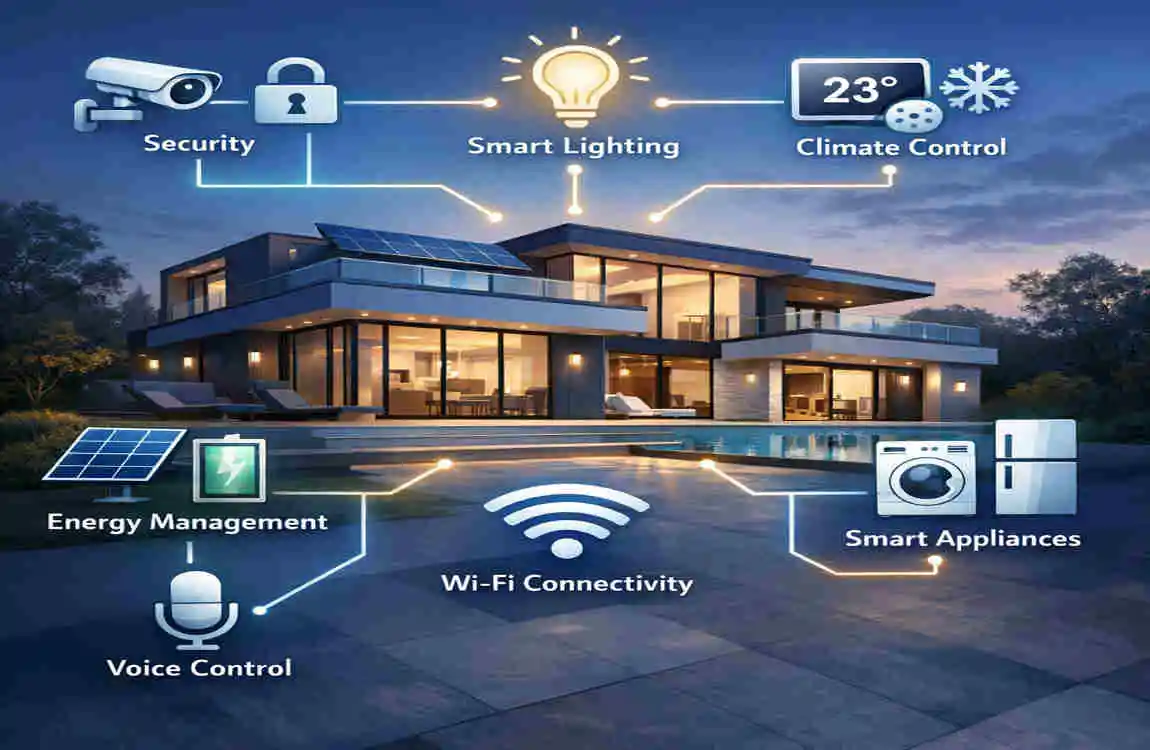
What Is a Smart House?
A smart house is a home that uses connected technology to automate tasks and improve daily living. This may include lighting, security, climate control, and entertainment systems that can be managed by phone, voice, or sensors.
Unlike a traditional home, a smart home responds to your habits and needs. For example, lights can turn on when you enter a room, or the thermostat can adjust itself based on your schedule. This is what makes connected home technology so useful.
Why Smart House Design Matters
A good smart home architecture plan does more than add devices. It improves how the home functions as a whole.
Key benefits include:
- Better energy use
- Stronger security
- Lower utility costs
- Higher home value
When design and technology work together, the result is a home that feels modern, flexible, and easy to live in.
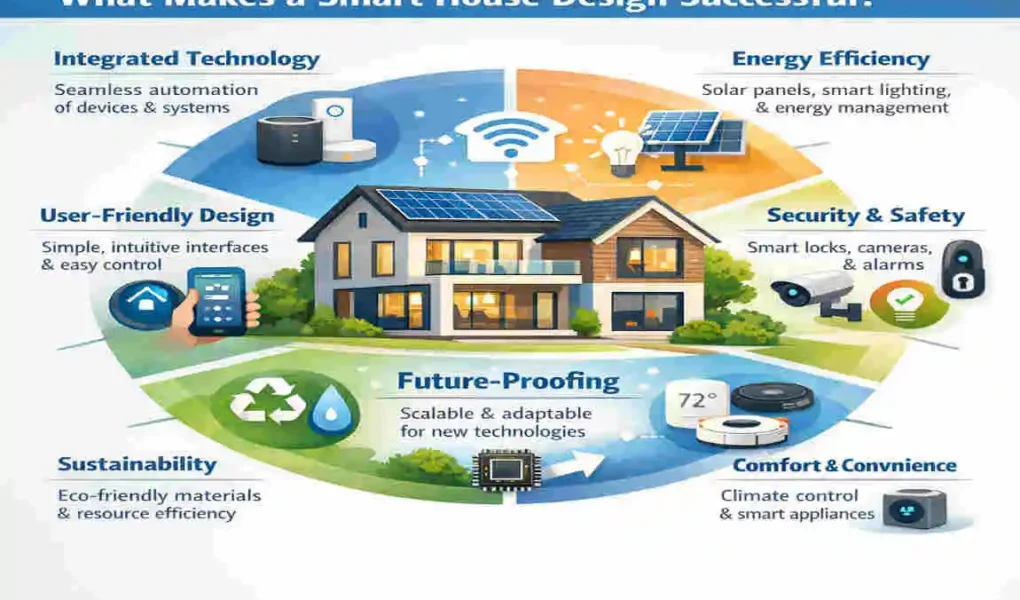
Key Elements That Make a Smart House Design Successful
Functional Space Planning
A successful smart house starts with a layout that supports movement and daily routines. Open spaces, flexible rooms, and multi-purpose areas make life easier. This is especially useful in a modern smart home design, where rooms often serve multiple purposes.
Strong Internet and Connectivity Infrastructure
Smart homes depend on reliable internet. Without strong connectivity, devices cannot work properly. A good new smart house design should include mesh Wi-Fi, a central control system, and sufficient coverage in every room.
Smart Automation Integration
Automation is the heart of a smart home. It includes voice-controlled lights, smart thermostats, motion sensors, and automated curtains. These features save time and create a smoother daily experience.
Future-Proof Design
A successful home should be ready for upgrades. The best future home design allows room for new devices, updated software, and changing family needs. This keeps the home useful for years.
Smart House Layout and Architectural Considerations
Open-Concept Living Areas
Open layouts help light and air move through the house more easily. They also make automation simpler because fewer walls can block signals and sensors.
Energy-Efficient Orientation
The direction of the home matters. Smart placement can help use natural light and reduce heating and cooling needs. It can also support the use of solar panels later on.
Storage and Hidden Tech Spaces
A good smart home keeps wiring, chargers, and devices neat and hidden. This makes the home look cleaner and keeps the technology easy to manage.
Accessibility and Universal Design
Smart homes should work for everyone. Wider hallways, voice controls, and automated doors make the home more comfortable for children, older adults, and people with mobility needs.
Essential Technologies in a New Smart House Design
Technology: Main Purpose, Why It Helps
Smart locks Entry control Improves security and convenience
Smart thermostat , climate control , saves energy, and keeps rooms comfortable
Motion lights , lighting automation , reduces waste, and improves safety
Smart refrigerator , kitchen management , tracks food, and supports daily tasks
Multi-room audio Entertainment Creates a connected living experience
Smart Security Systems
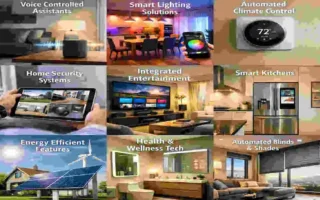
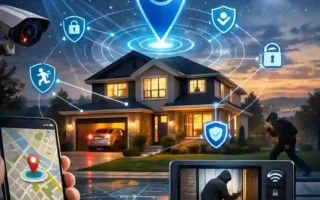
A safe home is a successful smart home. Video doorbells, smart locks, CCTV systems, and motion alerts all improve protection. These are key parts of smart home security systems.
Smart Climate Control
Smart thermostats and automated HVAC systems help keep the home comfortable while minimizing energy waste. Zoned temperature control is especially useful in larger homes.
Smart Lighting Solutions
Lighting can be automatic, dimmable, and scheduled. This improves comfort and reduces electricity use. It also makes rooms feel more welcoming.
Smart Kitchen Technology
A smart kitchen can include connected appliances, voice-assisted cooking tools, and smart refrigerators. These features save time and make kitchen tasks easier.
Entertainment and Lifestyle Automation
A smart home can also support entertainment. Home theaters, automated blinds, and multi-room audio systems add comfort and enjoyment to the home.
How Energy Efficiency Contributes to Smart Home Success
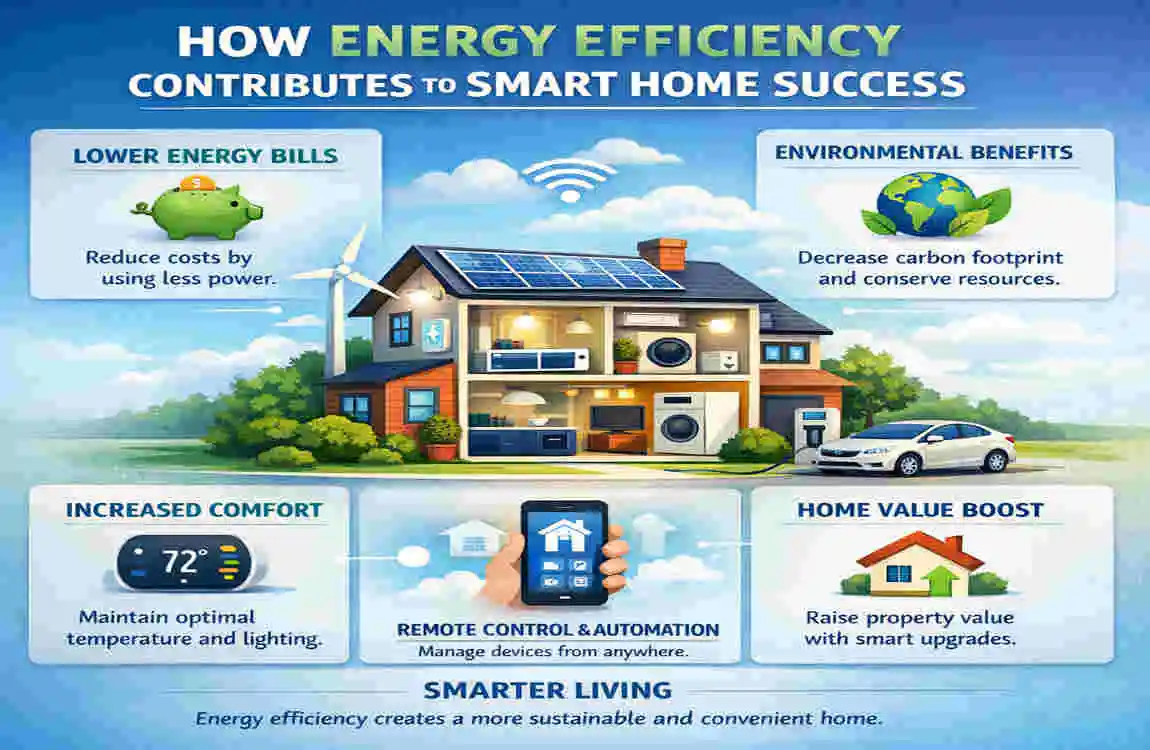
An energy-efficient smart house saves money and supports a more sustainable lifestyle. Smart energy monitoring helps homeowners see where electricity is used and where it is wasted.
Smart Energy Monitoring
This allows you to track usage and make better decisions. Over time, it can lower bills and reduce unnecessary power use.
Sustainable Materials
Eco-friendly flooring, recycled materials, and strong insulation support long-term savings. These choices also improve the home’s overall quality.
Renewable Energy Integration
Solar panels, battery storage, and smart irrigation systems can make a home more efficient. These are smart choices for any sustainable smart house.
Security and Privacy in Smart House Design
A smart home must be safe both physically and digitally. That means strong passwords, secure Wi-Fi, and regular software updates.
It also means protecting personal data. Choose trusted systems and update devices often. A strong new smart house design should never ignore privacy.
Common Mistakes to Avoid in New Smart House Design
A smart home can fail if it becomes too complicated. Too many apps, weak Wi-Fi, or poor planning can create daily frustration.
Common mistakes include:
- Adding too many devices too quickly
- Ignoring Wi-Fi coverage
- Designing around trends instead of real needs
- Forgetting backup systems
- Spending money on features you will not use
A simple and thoughtful plan usually works better than a crowded one.
Benefits of a Successful Smart House Design
A good smart home improves everyday life in many ways. It gives you more comfort, better control, and stronger peace of mind.
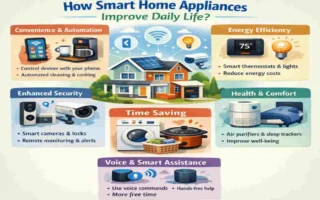
It can also reduce energy bills and increase property value. For many families, it helps save time by removing small daily tasks. That is one of the biggest strengths of well-executed smart home automation ideas.
How to Plan a Successful New Smart House Design
Start with your lifestyle. Think about your family size, work habits, and entertainment needs. Then set a budget and separate the must-have features from the optional ones.
Work with professionals who understand smart home architecture and device compatibility. Finally, choose systems that can grow with your needs. A flexible plan is always better than a rigid one.
Future Trends in Smart House Design
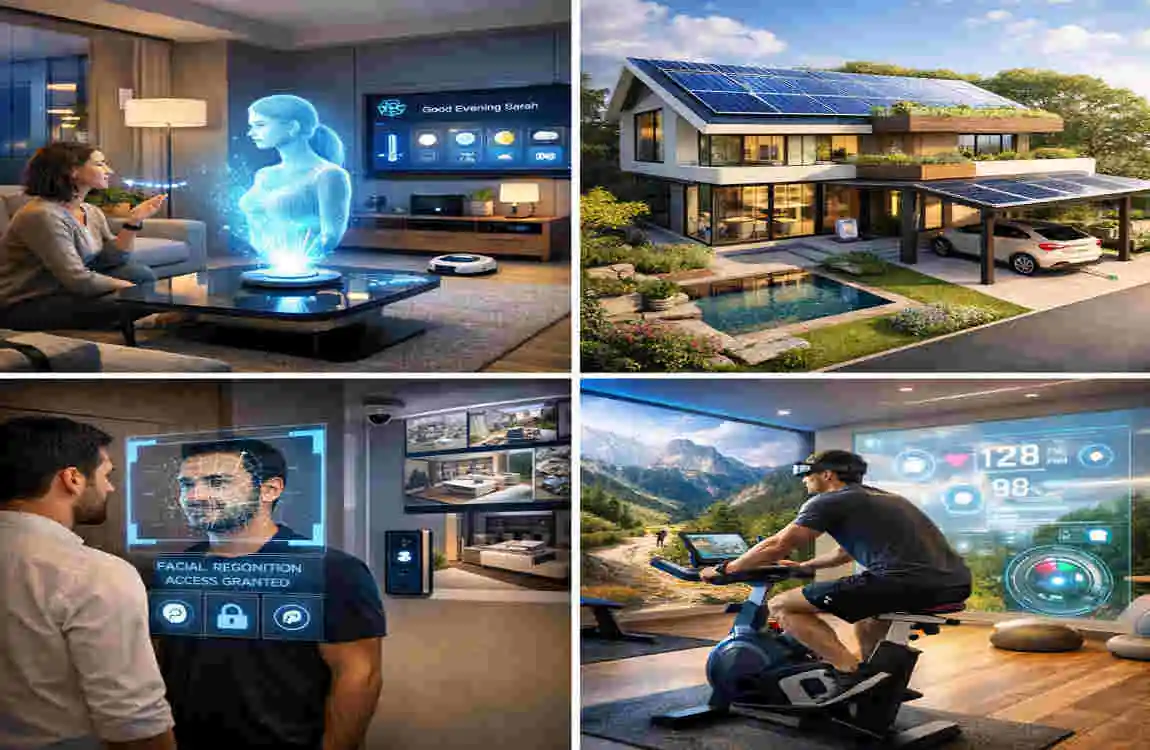
The future of smart homes will likely include more AI-based control, health tracking, and voice integration. Homes will become more aware of daily patterns and respond more intelligently.
Sustainability will also remain important. The best future home design will combine comfort, efficiency, and intelligent automation into a single, simple system.
Frequently Asked Questions
What is a smart house design?
A smart house design combines architecture, automation, and connected technology to improve comfort, safety, and efficiency.
Is smart house design expensive?
It can be, but you can start with basic systems and add more later. That makes it more affordable.
What is the most important part of a successful smart home?
Reliable connectivity, user-friendly automation, and good planning are the most important parts.
Can smart homes save electricity?
Yes. Smart lighting, thermostats, and energy monitoring can reduce waste and lower bills.
Is a new smart house design worth it?
Yes. It can improve convenience, security, sustainability, and long-term property value.