Smart home interior design is changing the way people live. Today, a home is not just about looking beautiful. It is also about being smart, comfortable, efficient, and easy to use. Many homeowners now want spaces that blend style with technology in a natural way.
This shift is happening for a few simple reasons. People want more convenience in daily life. They also want homes that save energy, support remote work, and make them feel more secure. At the same time, they do not want technology to take over the room. They want it to fit in smoothly.
That is why modern smart homes are becoming so popular. The best designs balance aesthetics and automation. They make life easier while still keeping the home warm and stylish.
| Trend | What it adds |
|---|---|
| Smart lighting | Adjustable ambiance, energy savings, and better comfort. |
| Hidden tech | Clean interiors with devices built into walls, ceilings, or furniture. |
| Voice control | Hands-free control for lights, climate, and entertainment. |
| Energy-efficient systems | Lower utility use with smart thermostats and lighting. |
| Modular, flexible spaces | Rooms that adapt easily for work, rest, and entertaining. |
What Is Smart Home Interior Design?
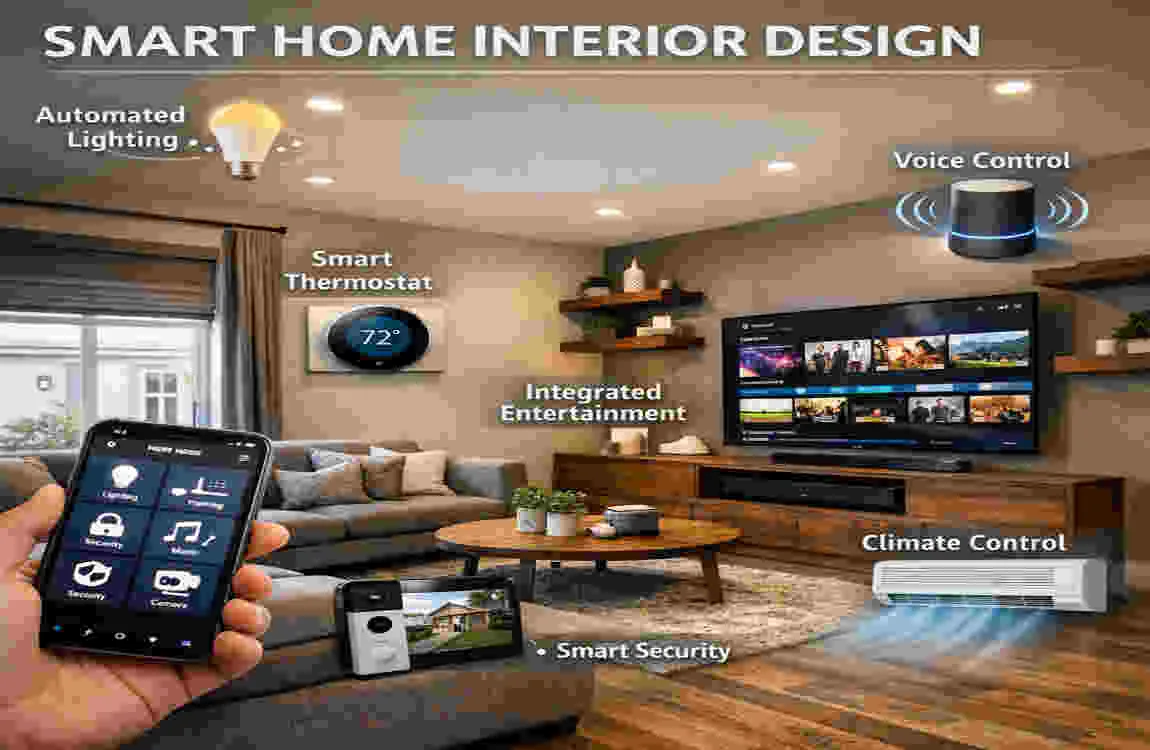
Smart home interior design is the practice of combining home décor with modern technology in a way that feels natural and useful. It is not just about adding devices. It is about integrating those devices into the room’s overall design.
In a traditional home, technology often stands out. You may see wires, bulky equipment, or devices that do not match the furniture. In smart interiors, the goal is different. The technology blends into the space. It may be hidden inside walls, built into furniture, or controlled through voice commands and apps.
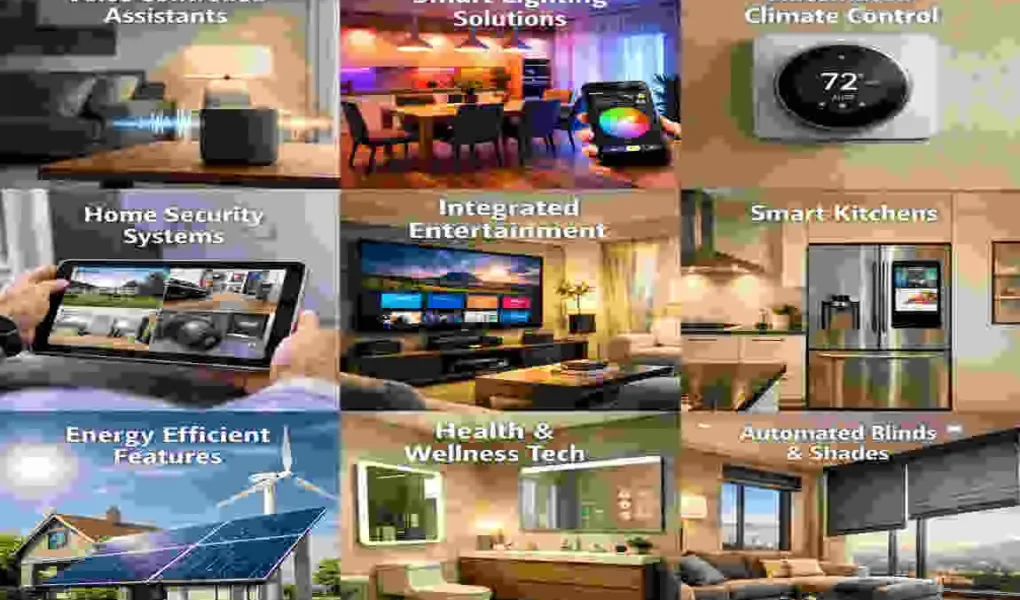
This type of design often includes connected devices, voice-controlled systems, automated lighting, and smart climate control. It also uses clean layouts and hidden features to keep the room calm and attractive.
AI, IoT, and automation play a big role here. They help homes respond to your habits. For example, lights can change based on the time of day, and temperatures can adjust automatically. This creates a more comfortable and efficient living space.
Why Smart Home Interior Design Is Becoming So Popular
People are choosing smart living spaces because they make everyday life simpler. With busy schedules, many homeowners want systems that work in the background and save time.
Remote work is another big reason. More people now need homes that support office tasks, video calls, and quiet focus areas. Smart design helps create flexible rooms that can do more than one job.
There is also growing concern about energy use. Smart systems can reduce waste by controlling lights, heating, cooling, and appliances more efficiently. That is good for both the planet and the power bill.
Security matters too. Smart locks, cameras, and alarms give people more peace of mind. And for many homeowners, smart features feel luxurious. They add a modern touch that makes a home feel more advanced and personal.
Best Smart Home Interior Design Trends in 2026
Minimalist Smart Interiors
One of the strongest trends is minimalist smart home interior design. This style keeps rooms clean, simple, and clutter-free. Technology is hidden instead of displayed.
You may see built-in charging stations, wireless controls, and furniture with hidden storage. The result is a room that feels open and calm. Neutral colors, soft textures, and functional furniture often work best in this style.
This trend is popular because it looks modern and reduces visual noise. It is perfect for people who want modern, smart interiors without making the room feel crowded.
Voice-Controlled Living Spaces
Voice control has become a major part of voice-controlled smart homes. People now use assistants to turn on lights, play music, adjust the temperature, or close curtains.
This is especially helpful for families, older adults, and people who want easy control without using many devices. It also makes daily routines smoother. You can wake up, cook, work, or relax with fewer steps.
When used well, voice control feels natural. It supports automated home interiors without making them feel cold or complicated.
Smart Lighting Design Trends
Lighting is one of the most important parts of smart lighting interior design. In 2026, more homes use lights that adjust automatically based on mood, time, or activity.
For example, bright white light may work well for workspaces, while soft warm light may be better for evenings. Motion-sensor lights are also popular in hallways, bathrooms, and closets.
Many homeowners now use layered lighting, which means combining ceiling lights, wall lights, and accent lights. This creates depth and makes rooms feel more polished. Smart apps also make it easy to control brightness and color from anywhere.
Multifunctional Smart Furniture
Furniture is getting smarter, too. Multifunctional smart furniture is ideal for modern homes, especially smaller spaces.
Examples include beds with built-in storage, desks with charging ports, and coffee tables with wireless charging surfaces. Some furniture even folds away or changes shape to serve different needs.
This trend is useful because it saves space and adds convenience. It is one of the best smart furniture trends for people who want practical design without losing style.
Sustainable Smart Home Design
A big trend in 2026 is the mix of technology and eco-friendly living. Sustainable smart home interior design focuses on energy efficiency and waste reduction.
Smart thermostats, efficient appliances, and solar-powered systems help homes use fewer resources. Water-saving systems and eco-friendly materials also support greener living.
This style is especially appealing to people who care about the environment but still want a modern home. It proves that smart design can be both stylish and responsible.
Smart Kitchens With Modern Technology
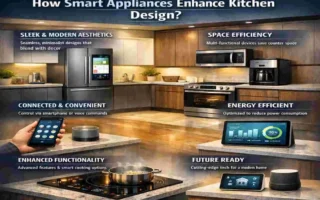
The kitchen is becoming one of the most advanced rooms in the house. Smart kitchen design now includes AI-powered appliances, smart refrigerators, touchless faucets, and connected cooking tools.
These features help save time and reduce stress. For example, a smart fridge can track food inventory, while a smart oven can help manage cooking settings. Touchless features also improve cleanliness and convenience.
A well-designed smart kitchen feels organized, efficient, and easy to enjoy every day.
Smart Bathrooms and Wellness Spaces
Bathrooms are no longer just functional. They are becoming calm, spa-like spaces with smart bathroom interior design features.
Smart mirrors, temperature-controlled showers, heated floors, and automated sanitation systems are becoming more common. These features add comfort and a sense of luxury.
Many homeowners now want wellness-focused spaces that help them start and end the day in a better mood. That is why luxury smart bathrooms are becoming increasingly popular.
Home Office Automation and Design
The home office has become an important part of modern life. Smart home office design focuses on productivity, comfort, and organization.
Smart desks, ergonomic chairs, better lighting, and noise-reduction tools all help create a better workspace. Cable management is also important because a neat desk supports clear thinking.
For video calls and hybrid work, smart office setups make a big difference. They help your workspace feel professional without being stressful.
Invisible Technology in Interior Design
Many homeowners now prefer hidden smart technology that blends into the room. This trend keeps the home looking elegant while still offering advanced features.
Examples include hidden speakers, concealed TVs, wireless charging surfaces, and built-in control panels. These details make the home feel clean and seamless.
This is one reason seamless smart interiors are so attractive. The technology is there, but it does not interrupt the design.
Smart security With Stylish Design
Security is also becoming more design-friendly. Smart home security design now includes stylish smart locks, video doorbells, and indoor cameras that fit better with modern interiors.
People want safety without ugly equipment. That is why many new products are made to look sleek and simple. Privacy is still important, so homeowners should choose systems carefully and place them thoughtfully.
Security can be practical and attractive at the same time.
Quick Comparison of Popular Smart Home Design Trends
Trend Main Benefit Best For
Minimalist smart interiors: a clean, clutter-free look for small, modern homes.
Voice-controlled spaces, easy daily control, families, and older adults
Smart lighting, better mood, and energy savings. Living rooms, bedrooms, and offices
Smart furniture, Space-saving convenience, Apartments and compact homes
Sustainable design, lower energy use, and eco-conscious homeowners
Smart kitchens, faster and easier cooking, busy families
Smart bathrooms, Comfort and wellness, Luxury homes
Invisible technology Sleek, seamless style Premium interiors
Smart security Safety with style All home types
How to Choose the Right Smart Home Interior Design Style
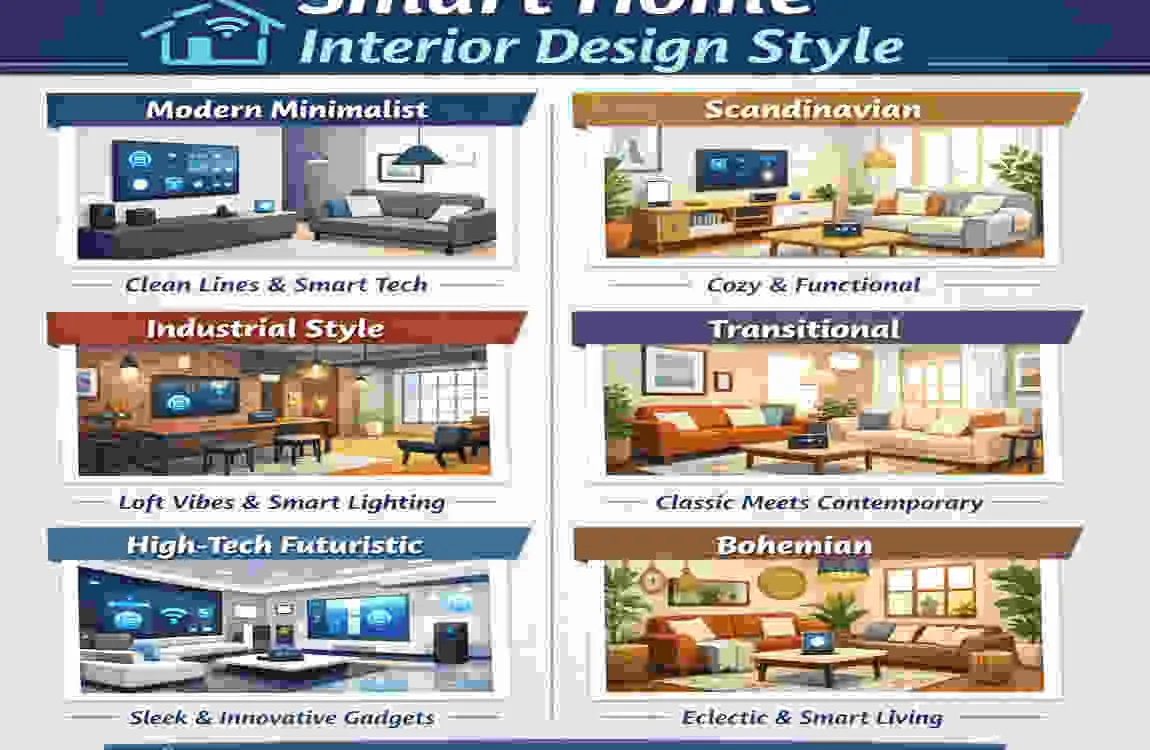
Start with your lifestyle. Think about how you live each day and which rooms matter most. If you work from home, a smart office may be your first step. If you love cooking, begin with the kitchen.
It is also smart to start with one room at a time. That keeps the project simple and more affordable. You can add more features later.
Before buying anything, check compatibility. Not all devices work well together. A user-friendly system will save you time and frustration.
Keep these points in mind:
- Smart lighting
- Climate control
- Security systems
- Furniture integration
- Voice assistant compatibility
The best design is one that feels easy to live with, not just impressive to look at.
Common Mistakes to Avoid in Smart Home Interior Design
One common mistake is adding too much technology. A room can quickly feel crowded when every surface is covered with devices. Smart design should feel simple, not overwhelming.
Another mistake is ignoring privacy and security. Smart homes are convenient, but they also need protection. Choose trusted systems and use strong passwords.
Poor cable management can also ruin a room’s look. Hidden wires and clean setup choices make a big difference.
Finally, do not follow trends so closely that you lose comfort. A smart home should still feel warm, welcoming, and easy to use.
Future of Smart Home Interior Design
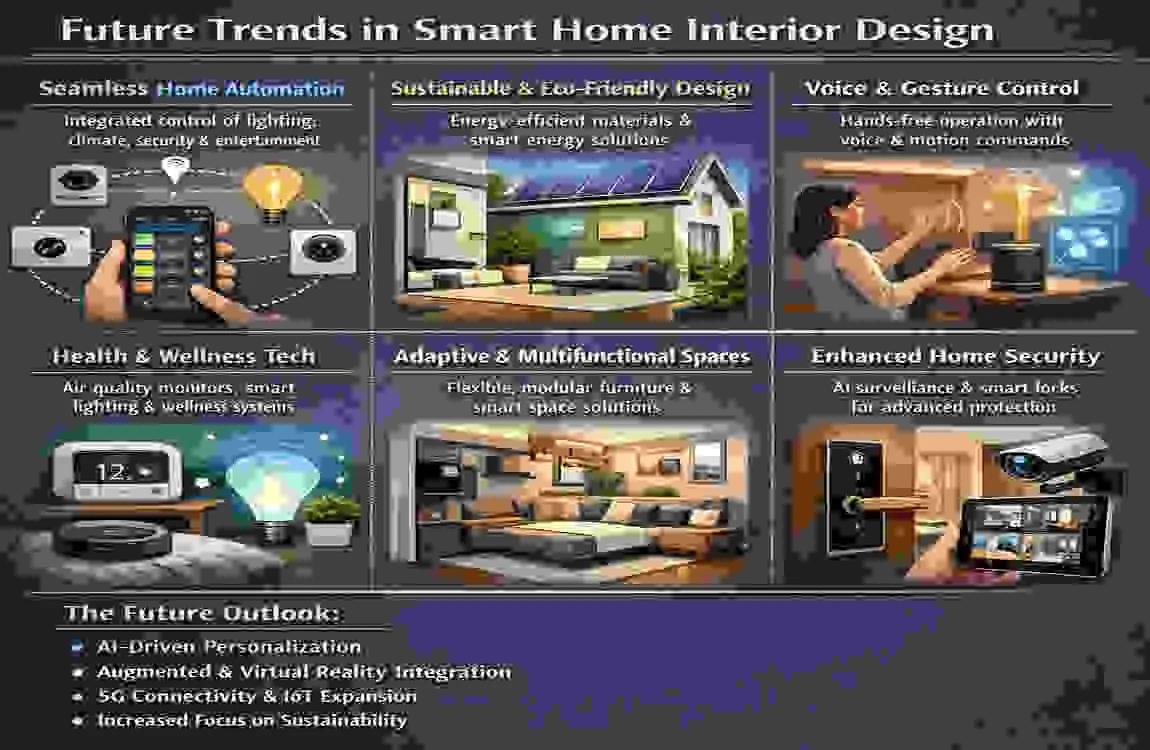
The future of future smart homes will likely be more personal and more intelligent. AI may learn your habits and automatically adjust your home. Rooms may change lighting, temperature, or layout based on your routine.
We may also see more smart glass technology, better voice systems, and even augmented reality tools for planning interiors. These ideas will make the design more flexible and more interactive.
As smart cities grow, home systems will likely become even more connected. The future of design is not just stylish. It is also adaptive, efficient, and deeply personal.
FAQ
What is smart home interior design?
It is the process of blending technology with interior style so your home feels both beautiful and functional. It includes smart lighting, automation, hidden devices, and connected systems.
Are smart homes expensive to design?
They can be, but not always. You can start with low-cost upgrades like smart bulbs or a voice assistant and add more features later.
Which smart home trend is most popular in 2026?
Smart lighting, voice control, and minimalist designs are among the most popular trends because they are practical and easy to live with.
Can smart home technology work in small apartments?
Yes, absolutely. Small homes often benefit the most because smart furniture, automation, and hidden storage save space.
Is smart home interior design energy efficient?
Yes. Smart thermostats, LED lighting, and automated systems can help reduce energy waste and lower utility costs.
How do I start designing a smart home?
Start with one room and one clear goal. Focus on comfort, compatibility, and ease of use. Then expand slowly as your needs grow.