Smart kitchens are no longer a luxury for tech lovers. They are becoming a practical choice for everyday homes. More people now want appliances that save time, reduce waste, and make cooking easier. That is why smart home appliances state of the art kitchen setups are getting so much attention.
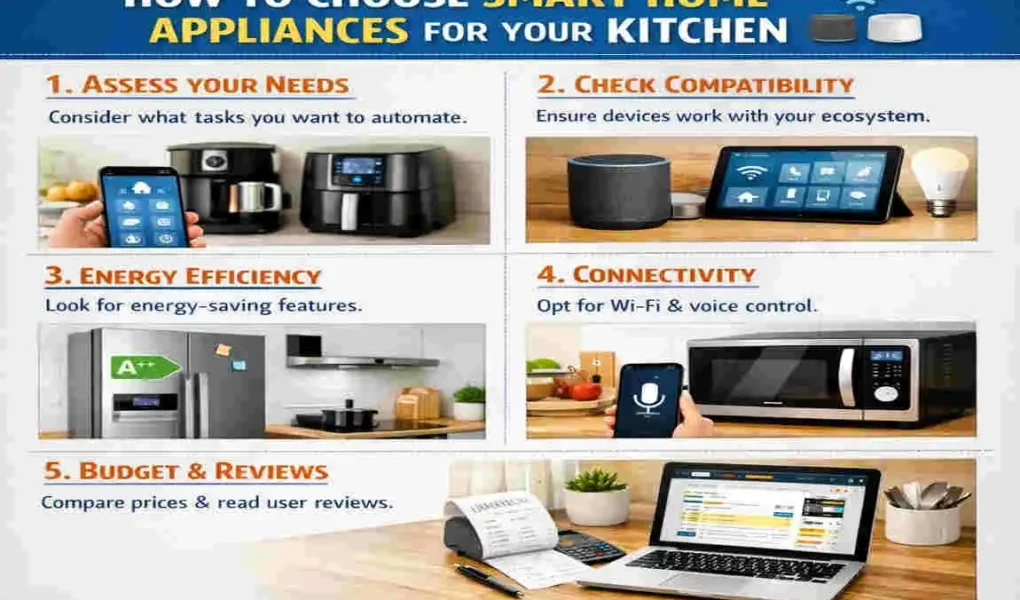
| What to Consider | Questions to Ask Yourself | Example Kitchen Application |
|---|---|---|
| Purpose & usage | Which tasks do I do most often? Do I really need this feature? | Smart oven helps if you bake regularly; smart pressure cooker saves time on daily meals. |
| Compatibility & ecosystem | Can it connect with my existing system (Google, Alexa, Apple Home, brand app)? | Choose appliances that work with your main voice assistant or hub. |
| Connectivity & Wi‑Fi | Is my Wi‑Fi strong in the kitchen? Does it need Wi‑Fi/Bluetooth/Z‑Wave? | Poor Wi‑Fi may make smart fridges or remote controls unreliable. |
| Ease of use | Is the app intuitive? Are there too many menus or steps to control it? | Prefer a simple app or voice‑only control if you hate extra screens. |
| Energy and water use | Does it have energy‑saving modes, load sensing, or smart scheduling? | Smart dishwasher and induction cooker reduce power and water over time. |
| Safety & maintenance | Does it have auto‑shutoff, child lock, or alerts? How easy is it to clean or fix? | Smart stovetop with auto‑off and app alerts can prevent overheating. |
| Budget & long‑term value | Is the smart feature worth the extra cost? Will I actually use it often? | A basic smart kettle may be worth it; super‑premium fridge may not if you barely cook. |
A smart kitchen is simply a kitchen filled with connected appliances that can talk to your phone, voice assistant, or home system. These appliances can help with cooking, cleaning, food storage, and energy use. They are designed to make daily life smoother and more efficient.
What Are Smart Home Appliances?
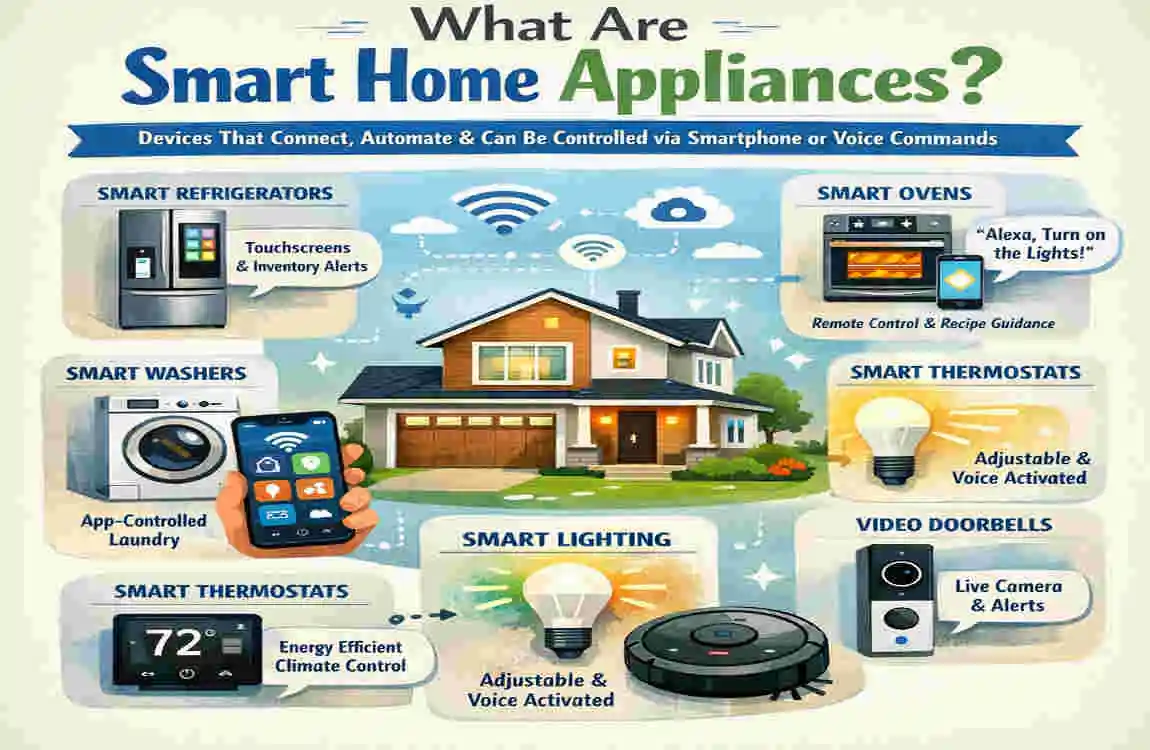
Smart home appliances are kitchen devices that connect to the internet and offer more control than traditional models. You can often manage them through an app, voice command, or smart home hub.
Main Features to Look For
Smart appliances usually include:
- Wi-Fi or Bluetooth connectivity
- Voice control
- Remote access through mobile apps
- Energy monitoring
- Smart alerts and reminders
- Automatic or predictive maintenance alerts
These features help you stay in control even when you are not in the kitchen.
Traditional vs Smart Appliances
Traditional Appliances Smart Appliances
Manual control App or voice control
Limited features Automation and AI support
No connectivity Internet-connected
Basic efficiency Energy optimization
Why Build a State-of-the-Art Smart Kitchen?
A smart kitchen is about more than style. It can make your daily routine easier and your home more valuable.
Convenience
You can preheat an oven from your phone, check your refrigerator while shopping, or start the dishwasher after dinner without walking back into the kitchen.
Safety
Smart appliances can send alerts for leaks, overheating, or open doors. Some even shut off automatically when a problem is detected.
Energy Savings
Many smart appliances use less power by adjusting settings based on use. That can help lower your utility bills over time.
Better Cooking
Precision cooking, recipe guidance, and timed settings can improve your results. This is helpful if you cook often or enjoy trying new dishes.
Key Factors to Consider Before Choosing Smart Kitchen Appliances
Before you buy anything, think about how the appliance will actually work in your home.
Kitchen Size and Layout
A small kitchen needs compact or multi-use appliances. A larger kitchen may handle full-size smart devices more easily. Always measure your space before buying.
Budget
Smart appliances come in a range of prices. Entry-level options offer basic features, while premium models may include advanced automation and design finishes. Choose what fits your budget without paying for features you will never use.
Compatibility
Check whether the appliance works with your smart home system. Some models are built for Google Home, Alexa, Apple Home Kit, or SmartThings. Compatibility makes setup much easier.
Connectivity and Updates
Look for strong Wi-Fi support and check whether the appliance receives software updates. Good updates help improve performance and fix issues over time.
Ease of Use
A smart appliance should still feel simple. If the app is confusing or the controls are hard to understand, the “smart” part may become frustrating.
Must-Have Smart Home Appliances for a Smart Kitchen
You do not need every smart gadget available. Start with the appliances that will improve your daily routine the most.
Smart Refrigerator
A smart refrigerator can track food, show internal cameras, and help you avoid waste. It is useful for busy families and people who shop less often.
Smart Oven or Range
This is one of the best upgrades for frequent cooks. You can preheat remotely, follow guided recipes, and get more accurate cooking temperatures.
Smart Dishwasher
A smart dishwasher can optimize water use, run on schedule, and send maintenance alerts. It helps save time and, in some cases, lowers water and power bills.
Smart Microwave
This is great for quick meals. Sensor cooking and app-based presets make it easier to heat food without guessing.
Smart Coffee Maker
If you love coffee, a smart coffee maker adds comfort to your mornings. You can schedule brewing or set personalized strength options.
Smart Faucet
Touchless faucets improve hygiene and make cleanup easier. Some models also measure water use and detect leaks.
Quick List: Best Appliances to Start With
If you want to upgrade step by step, start with these:
- Smart refrigerator
- Smart oven
- Smart dishwasher
- Smart faucet
How to Choose Based on Your Lifestyle
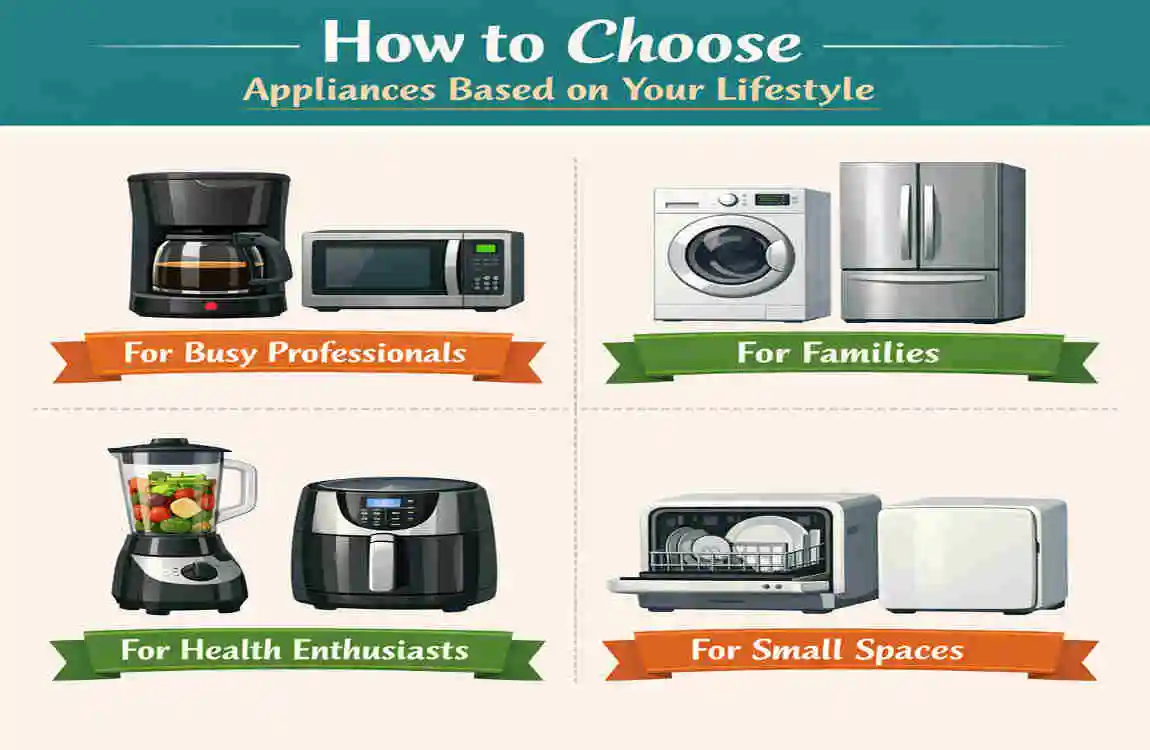
Your daily habits should guide your buying decision.
For Busy Families
Choose appliances that save time, such as smart refrigerators, voice-controlled assistants, and dishwashers with delayed-start options.
For Frequent Cooks
Focus on smart ovens, precision cooktops, and cooking tools that support temperature control and recipe syncing.
For Small Apartments
Look for compact, multi-purpose appliances. Space-saving design matters more than extra features.
For Seniors
Safety and simplicity should come first. Voice control, automatic shut-off, and easy-to-read displays are helpful choices.
For Eco-Conscious Homes
Pick energy-efficient smart kitchen appliances that reduce water use and track power consumption.
Connectivity and Smart Ecosystem Integration
A smart kitchen works best when appliances can connect.
Why Integration Matters
When your devices share the same system, you can manage them more easily from a single app or voice assistant. That means fewer headaches and a smoother experience.
Popular Smart Platforms
Some of the most common platforms include:
- Amazon Alexa
- Google Assistant
- Apple HomeKit
- Samsung SmartThings
Matter Compatibility
If possible, choose appliances that support Matter. This helps future-proof your kitchen and makes it easier to connect different brands.
Energy Efficiency and Sustainability
Smart appliances are often chosen for convenience, but they can also help make a home more efficient.
How They Save Energy
Many smart devices use sensors to adjust cooling, heating, or water use as needed. That reduces waste and improves performance.
Why It Matters
Less energy and water use means lower bills and a smaller environmental impact. Over time, that makes your kitchen smarter in more ways than one.
Common Mistakes to Avoid
It is easy to get excited about features and forget the basics.
Buying Too Much Tech
Not every kitchen needs every feature. Buy what supports your daily life, not what looks impressive on paper.
Ignoring Compatibility
A device may be advanced, but if it does not work with your smart home system, it may not be worth it.
Forgetting Security
Always use strong passwords and secure Wi-Fi. Smart devices need protection just as phones and laptops do.
Overlooking Maintenance
Some appliances need app subscriptions, software updates, or repair support. Check these details before buying.
Best Questions to Ask Before Purchasing
Before you choose any appliance, ask yourself:
- Will this work with my current smart home system?
- Will it save me time, energy, or both?
- Is the installation simple or does it need a professional?
- How often does the software get updated?
- What warranty is included?
- Is the price worth the features?
These questions can help you avoid expensive mistakes.
Future Trends in Smart Kitchen Technology
Smart kitchen tools keep improving every year.
AI Cooking Help
Future appliances may suggest recipes, automatically adjust settings, and learn your habits over time.
Voice-First Kitchens
Hands-free use will continue to grow, especially for cooking and cleaning.
Predictive Maintenance
Appliances may soon detect small issues before they become major repairs.
Smarter Inventory Management
Some refrigerators and pantry tools already help track groceries. This will likely become more advanced and more useful.
Cost Breakdown
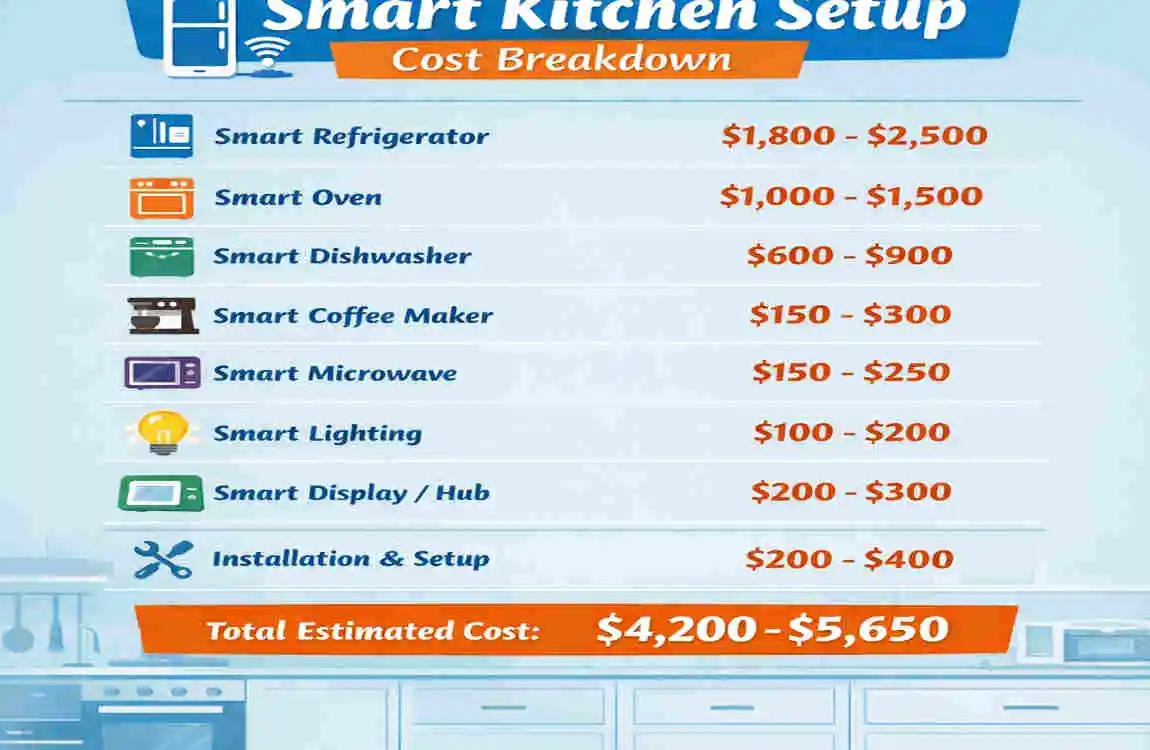
Smart kitchens can fit a range of budgets, from simple upgrades to full luxury setups.
Kitchen Setup Type Estimated Cost
Basic Smart Kitchen $1,000–$3,000
Mid-Range Smart Kitchen $3,000–$8,000
Luxury State-of-the-Art Kitchen $8,000–$20,000+
Hidden Costs to Watch
Do not forget about installation, smart hubs, app subscriptions, and future repairs. These can add to the final cost.
FAQ: Smart Home Appliances State of the Art Kitchen
What are smart home appliances in a state-of-the-art kitchen?
Smart home appliances are internet-connected devices like refrigerators, ovens, dishwashers, and coffee makers that improve convenience, automation, and energy efficiency.
Which smart kitchen appliance should I buy first?
A smart refrigerator, smart oven, or smart dishwasher is usually the best starting point, depending on your cooking habits and budget.
Do smart kitchen appliances save energy?
Yes, many smart appliances reduce electricity and water usage through sensors, eco modes, and automated controls.
Are smart kitchen appliances expensive?
Prices vary. Basic smart appliances are affordable, while premium state-of-the-art kitchen systems cost more due to advanced features.
Can smart appliances work with voice assistants?
Most modern smart appliances can connect with voice assistants like Alexa, Google Assistant, or Siri.
Are smart kitchen appliances worth it?
Yes, they can improve cooking efficiency, convenience, home safety, and long-term energy savings.
How do I choose the best smart kitchen appliances?
Focus on budget, kitchen size, compatibility, energy efficiency, and features that match your lifestyle.
Do smart appliances need Wi-Fi?
Most smart appliances use Wi-Fi for remote control, monitoring, and software updates. Some also support Bluetooth.