If your air conditioner is not cooling well, you may start searching for where to buy Freon for a home air conditioner. That is a common question, especially when the system starts blowing warm air or the bill begins to climb.
But before you buy anything, it helps to understand what “Freon” really means, which refrigerant your AC uses, and whether you can legally buy it yourself. In many cases, the real issue is not just buying refrigerant. It is finding the right refrigerant and making sure the system does not leak.
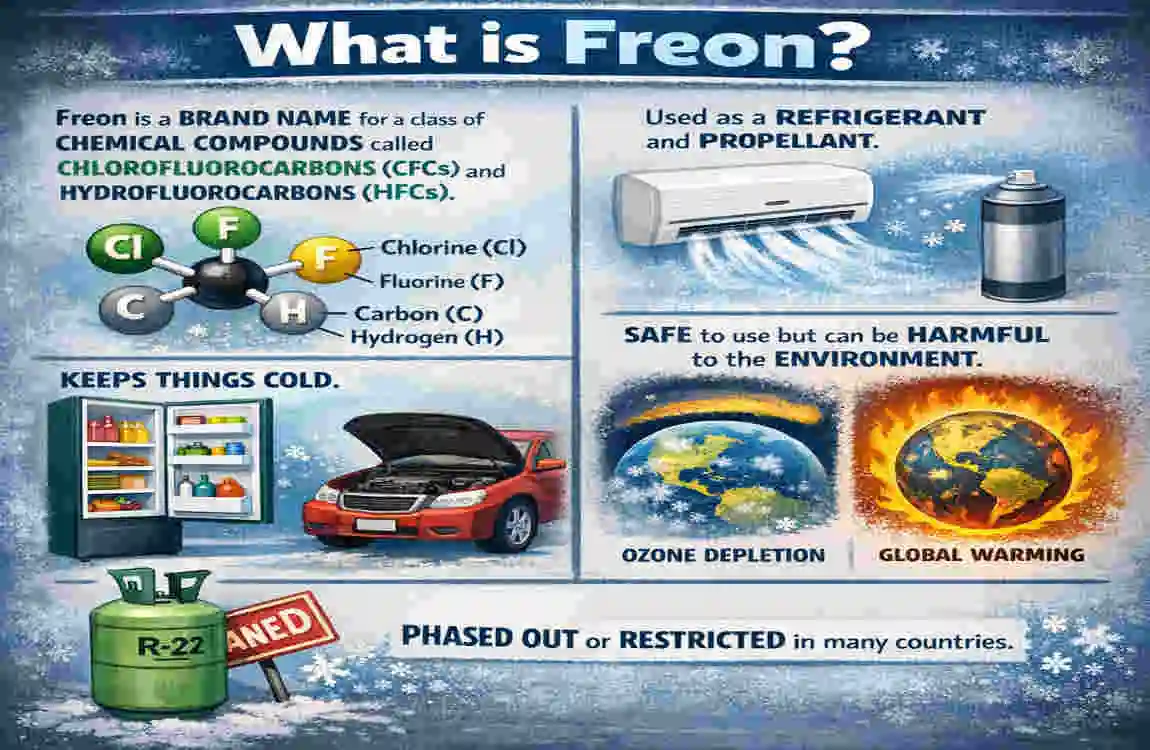
What Is Freon?
What Does Freon Mean?
People often use the term “Freon” to refer to AC refrigerant in general. In everyday conversation, homeowners say “Freon” when they really mean the cooling gas or fluid inside the air conditioner.
Strictly speaking, Freon is a brand name that became a common way to describe refrigerant. So when you search for where to buy Freon for a home air conditioner, you are usually looking for the refrigerant your system uses, not always a product with that exact name.
Different Types of AC Refrigerants
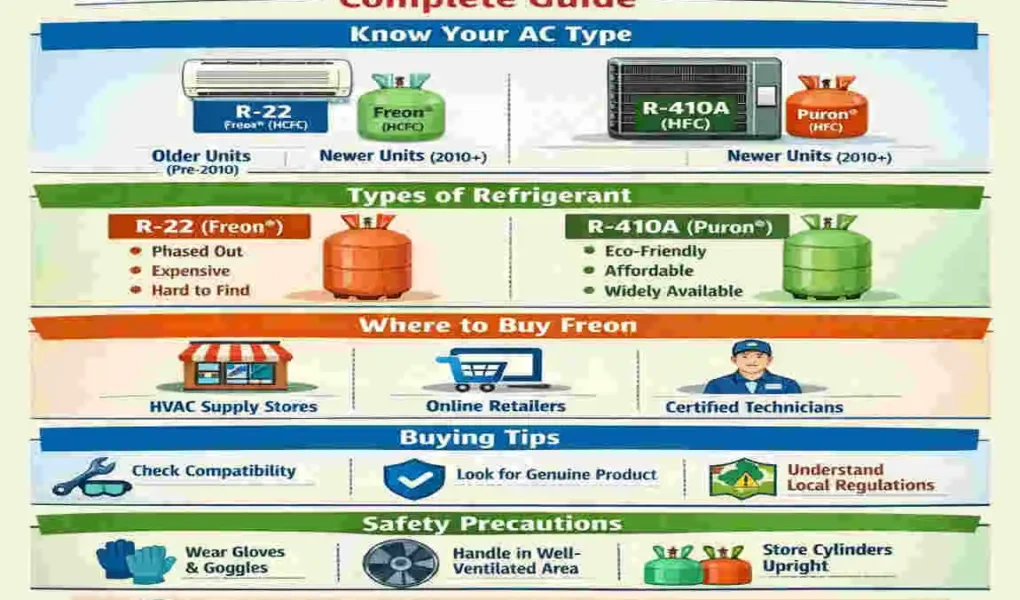
Not all air conditioners use the same refrigerant. The most common types include:
- R-22: Used in older systems
- R-410A: Common in many newer systems
- R-32: Used in some modern systems
- Other newer refrigerants: These vary by manufacturer and system design
The most important thing is this: you must buy the exact refrigerant your unit is designed for. Using the wrong type can damage the system and may be unsafe.
Where to Buy Freon for Home Air Conditioner
HVAC Supply Stores
HVAC supply stores are one of the most common places to find refrigerant. These stores usually sell to professionals, but some may also work with homeowners, depending on local regulations.
This is a good place to start if you already know your refrigerant type and want a trusted source.
Home Improvement Stores
Some large home improvement stores may carry refrigerant products or related HVAC supplies. However, availability can be limited, and not every refrigerant type is sold there.
These stores are often better for tools, filters, and maintenance items than for full refrigerant purchases.
Licensed HVAC Contractors
A licensed HVAC contractor is often the safest option. They can check your system, confirm the refrigerant type, find any leaks, and properly recharge the unit if needed.
If you are unsure what your system needs, this is usually the best route.
Online Refrigerant Suppliers
Some online sellers offer refrigerant cylinders and related equipment. This can be convenient, but you need to be very careful.
Only buy from verified, trusted sellers. Refrigerant should be properly labeled, sealed, and matched to your system. Avoid unknown websites or listings that look suspicious.
Local Refrigeration Equipment Dealers
Local dealers that sell refrigeration and HVAC equipment may also carry the refrigerant you need. These businesses often serve contractors, but some also work with homeowners.
They can also help you identify the correct product before you buy.
Can Homeowners Legally Buy Freon?
EPA Certification Requirements
In many places, refrigerant handling is regulated. Some refrigerants can only be purchased or handled by people with the right certification.
This is important because refrigerants are not just household products. They must be handled safely and responsibly.
Rules for R-22 Refrigerant
R-22 is the tricky one. It is no longer widely produced in many regions, and supplies are often limited. It is usually available only through reclaimed or recycled stock.
Because of this, it may be harder and more expensive to buy.
Rules for R-410A and New Refrigerants
Newer refrigerants like R-410A and other modern types may still be available, but local rules can still apply. Some sellers require proof of certification before they will sell to a buyer.
If you are asking where to buy freon for a home air conditioner, always check the legal requirements first to avoid wasting time or money.
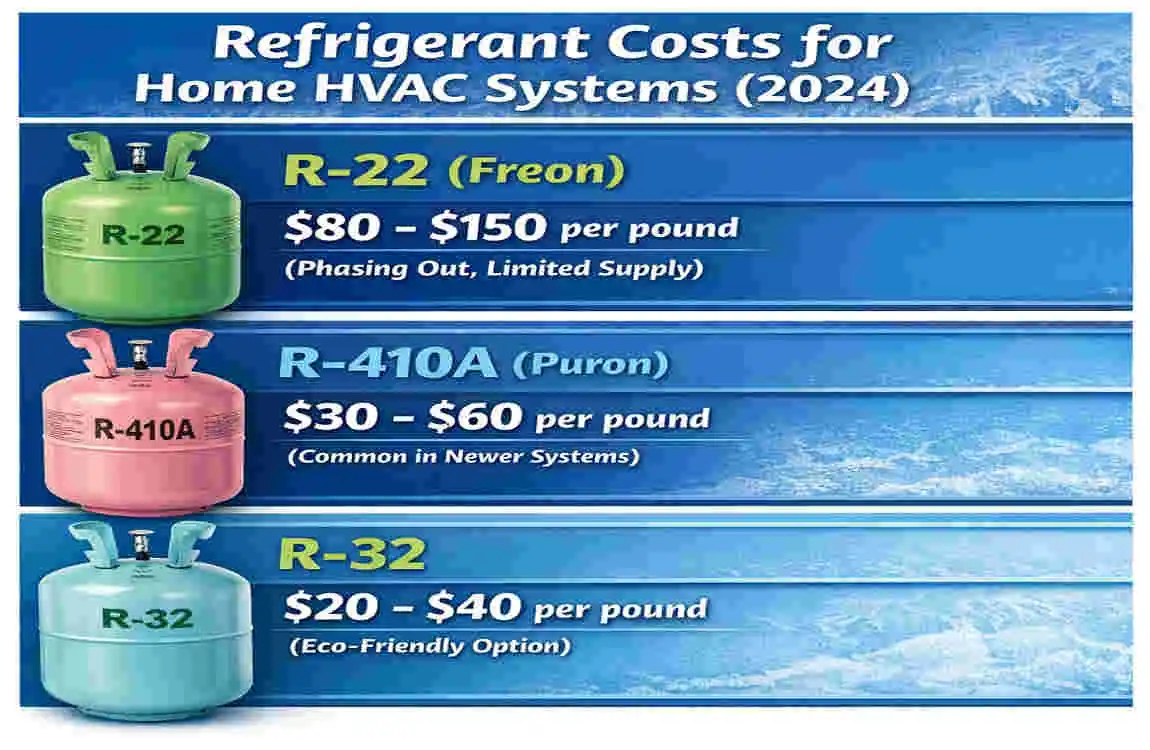
How Much Does Freon Cost?
Average Price by Refrigerant Type
The price depends on the type of refrigerant, cylinder size, and local supply.
In general:
- R-22 tends to be more expensive because it is harder to find
- R-410A is usually more available
- Newer refrigerants can vary a lot depending on the system
The cost can also change from region to region.
Cost of Professional Recharge
If you hire an HVAC technician, the final bill will usually include both the refrigerant and the labor. That means you are paying for the gas plus the service call, leak check, and recharge.
For many homeowners, this is worth it because it reduces the chance of a mistake.
Factors That Affect Pricing
Several things affect the price:
- Refrigerant type
- How much the system needs
- Cylinder size
- Local supply
- Labor charges
- Whether a leak repair is required
If your AC is low on refrigerant, remember that low refrigerant usually indicates a leak. Simply adding more is not a long-term fix.
How to Know Your AC Needs Refrigerant
Warm Air from Vents
If the system is running but the air feels warm, low refrigerant may be one cause. It is not the only possible cause, but it is a common one.
Frozen Evaporator Coil
A frozen indoor coil can also point to a refrigerant issue. When refrigerant is low, the coil can get too cold, and ice can build up.
Higher Energy Bills
If your AC is working harder than usual, your energy bill may rise. That can happen when the system is struggling to cool properly.
Hissing or Bubbling Sounds
Some homeowners hear hissing or bubbling when there is a leak. That is a warning sign that should not be ignored.
Should You Recharge Freon Yourself?
DIY Risks
It may seem tempting to do it yourself, but refrigerant work is not a simple home project. You need the right tools, the right refrigerant, and a good understanding of how the system works.
If you do it wrong, you can damage the AC unit.
Safety Concerns
Refrigerants can be dangerous if handled badly. They must be stored and used correctly. There are also pressure and exposure risks.
When to Call an HVAC Professional
Call a pro if:
- You do not know the refrigerant type
- The AC is leaking
- The system keeps losing cooling
- You are not certified to handle refrigerant
- You want the problem fixed the right way
In many cases, professional service is the smartest choice.
Tips Before Buying Refrigerant
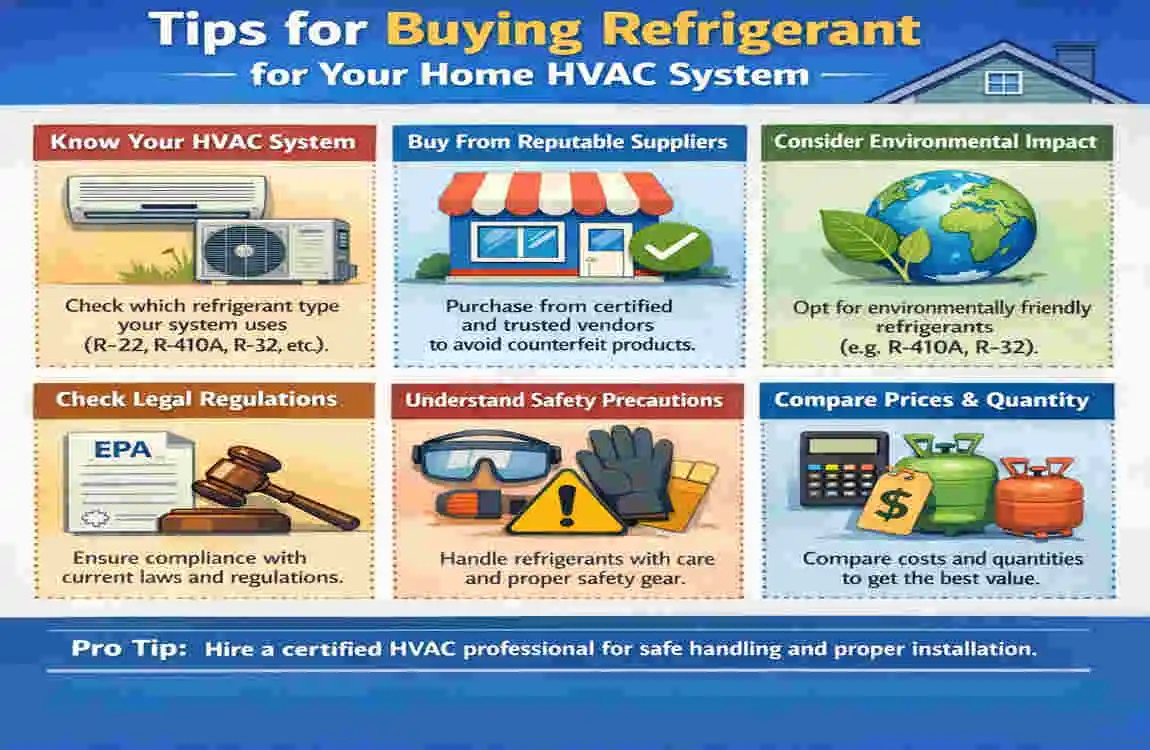
Before you search for where to buy freon for a home air conditioner, take a few quick steps.
Check Your AC Nameplate
Look at the outdoor unit label or nameplate. It usually lists the refrigerant type your system uses.
Buy the Correct Refrigerant
Never guess. The wrong refrigerant can cause serious damage and may not work at all.
Avoid Counterfeit Products
Only buy cylinders with proper labels, seals, and product information. If the price looks too good to be true, be cautious.
Verify Seller Credentials
Check that the seller is allowed to sell refrigerant and has a real business presence. Trusted sellers reduce the risk of bad product or scams.
Best Alternatives If R-22 Is No Longer Available
Retrofit Options
In some cases, a technician may suggest a retrofit. That means modifying the system to work with a different refrigerant.
This is a technical job and should only be done by a qualified HVAC professional.
Replacing an Older AC Unit
If your system uses R-22 and needs major repairs, replacing the unit may be more cost-effective than trying to keep it alive.
Environmentally Friendly Refrigerants
Newer refrigerants are often designed to be more efficient and less harmful to the environment. If you are replacing an older system, this can be a good long-term choice.
Common Mistakes to Avoid
When buying or handling refrigerant, try to avoid these common mistakes:
- Buying the wrong refrigerant
- Ignoring refrigerant leaks
- Overcharging the system
- Purchasing from unauthorized sellers
These mistakes can waste money and worsen the AC problem.
Frequently Asked Questions
Where to buy Freon for a home air conditioner
You can purchase refrigerant from HVAC supply stores, licensed HVAC contractors, authorized refrigerant distributors, and some online suppliers, depending on local regulations.
Can homeowners buy Freon legally?
It depends on the refrigerant type and local rules. Some refrigerants require certification before purchase or handling.
How much does Freon cost for a home AC?
The cost depends on the refrigerant type, cylinder size, and labor if you hire a professional.
Can I recharge my home air conditioner myself?
It is generally not recommended due to safety risks, legal requirements, and the need for specialized tools.
Is R-22 Freon still available?
Yes, but it is limited and usually comes from reclaimed or recycled supply.
What happens if my AC keeps losing refrigerant?
A leak is likely present and should be repaired before adding more refrigerant.
| Topic | Information |
|---|---|
| What Is Freon? | Freon is a common name for refrigerants used to cool air conditioning systems. |
| Common Refrigerants | R-22 (older systems), R-410A (newer systems), and R-454B/R-32 (latest high-efficiency systems). |
| Can Homeowners Buy Freon? | It depends on the refrigerant type and local regulations. Some refrigerants require certified handling. |
| Where to Buy Freon | Licensed HVAC suppliers, home improvement stores (for some products), online HVAC retailers, and local HVAC contractors. |
| Do You Need Certification? | EPA Section 608 certification is required in the U.S. to purchase many regulated refrigerants such as R-22. |
| Average Cost | Prices typically range from $100–$600+ depending on the refrigerant type, cylinder size, and market conditions. |
| How to Choose the Right Refrigerant | Always use the refrigerant specified on your AC unit’s manufacturer label. |
| Can You Mix Refrigerants? | No. Mixing different refrigerants can damage the system and reduce efficiency. |
| Signs Your AC Needs Refrigerant | Weak cooling, longer cooling cycles, frozen evaporator coils, and hissing or bubbling noises from leaks. |
| Is Recharging Enough? | No. Refrigerant does not get “used up.” If levels are low, the system likely has a leak that should be repaired first. |
| Safety Tips | Wear protective gear, avoid refrigerant exposure, and follow all local environmental regulations. |
| Best Practice | Hire a licensed HVAC technician for leak detection, repairs, and refrigerant charging to ensure safe and efficient operation. |