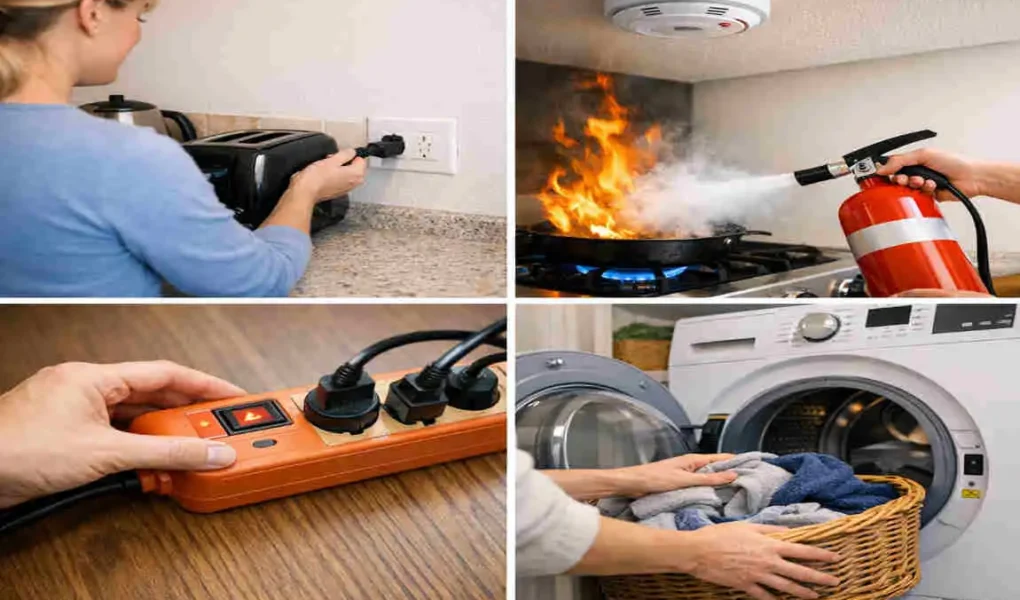
Home appliances make daily life easier. They help you cook, clean, wash clothes, heat rooms, and stay comfortable. But if you use them carelessly, they can also create serious risks. Fires, shocks, burns, and broken machines often start with simple mistakes.
That is why safe appliance use matters in every home. It protects your family, saves money, and helps your appliances last longer. If you have ever wondered how to use appliances safely in your house, the answer begins with a few smart habits and regular care.
What Does Safe Home Appliance Use Mean?
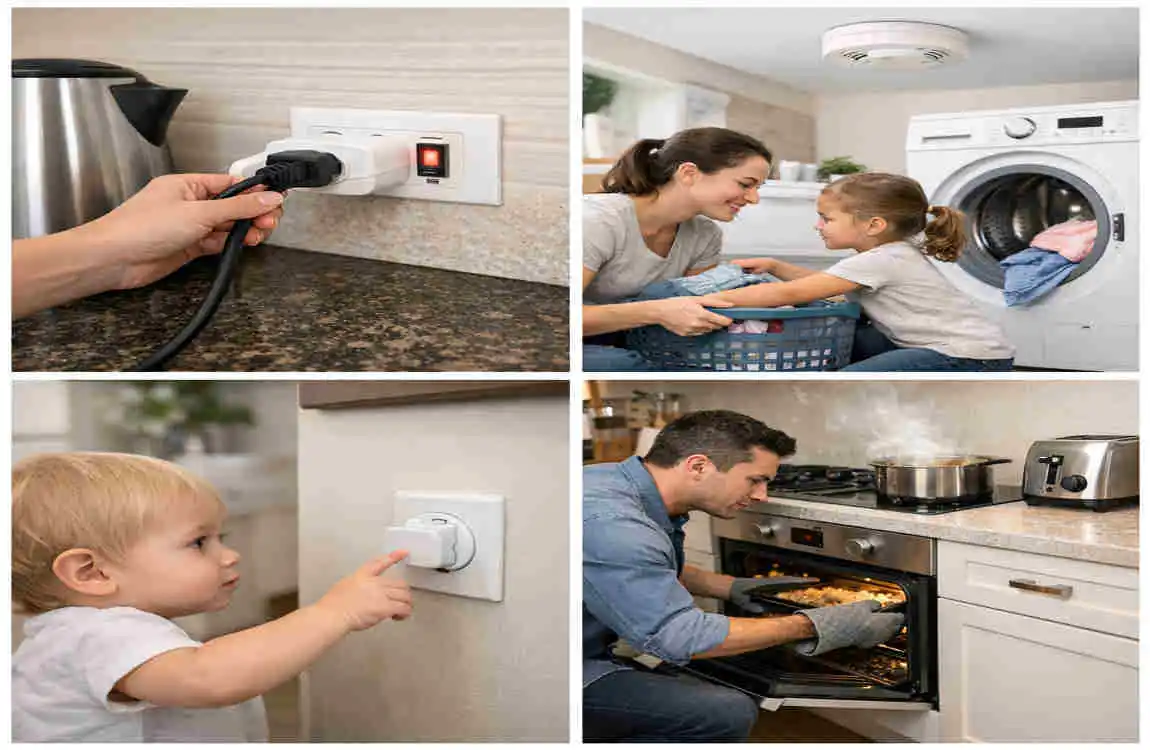
Understanding Appliance Safety
Safe appliance use means handling every device carefully and properly. It means reading the instructions, using the right outlet, keeping things dry, and watching for warning signs.
It also means paying attention to how your appliances behave. A strange smell, a hot plug, a loose cord, or a loud sound can all be signs that something is wrong.
Why Every Home Needs Safe Appliance Practices
Every home depends on appliances. From the refrigerator to the hair dryer, these tools work almost every day. Because they are used so often, small problems can grow quickly if you ignore them.
Good safety habits help prevent accidents before they happen. They also reduce repair costs and make your home feel more secure.
Common Risks of Improper Appliance Use
When appliances are used incorrectly, the risks can be serious. Some of the most common problems include:
- Electrical shock
- House fires
- Burns
- Water damage
- Shortened appliance life
These risks may sound scary, but most of them are avoidable. A little care goes a long way.
Basic Safety Rules for Using Home Appliances
Read the User Manual
Every appliance comes with instructions for a reason. The manual tells you how to install, use, clean, and store the item safely.
Many people skip this step, but it can save time and trouble later. Even a quick read can help you avoid mistakes.
Follow Manufacturer Instructions
Use the appliance the way the maker recommends. Do not force it to do something it was not designed to do.
If the guide says a machine needs a certain type of outlet, cleaner, or setting, follow that advice. It helps the appliance work properly.
Keep Appliances Away from Water
Water and electricity do not mix. Keep cords, plugs, and devices away from sinks, wet counters, and puddles.
This is especially important in kitchens, bathrooms, and laundry rooms. Even a small splash can be dangerous.
Never Overload Electrical Outlets
Too many devices on one outlet can cause overheating. That can lead to power problems or even fire.
Spread out your appliances and use outlets properly. If you need more power, ask an electrician for the right solution.
Turn Off Appliances After Use
Always switch off appliances when you are done. Unplug small devices when they are not needed.
This simple habit can reduce energy use and lower the risk of accidents.
Kitchen Appliance Safety Tips
Microwave Safety
Microwaves are very convenient, but they need proper use. Never put metal inside the microwave unless the manual allows it.
Use microwave-safe containers and avoid heating sealed items. Steam buildup can cause containers to burst.
Refrigerator Maintenance
Your refrigerator should stay clean and well-ventilated. Keep food at safe temperatures and avoid blocking the air vents inside.
Also, clean the coils if needed. A dirty fridge works harder and may use more energy.
Safe Use of Toasters
Toasters can cause burns and small fires if crumbs build up inside. Empty the crumb tray often and keep the appliance away from curtains or paper towels.
Never use metal tools to remove stuck toast while the toaster is plugged in.
Coffee Makers and Electric Kettles
These appliances heat water, which can burn skin quickly. Always place them on a stable surface and keep the cord tucked away.
Do not overfill them. Hot water can spill and cause injury.
Blenders and Food Processors
Always keep the lid in place before turning these appliances on. Put your hands away from the blades, even when the machine is off.
Unplug the appliance before cleaning or removing parts.
Laundry Appliance Safety
Washing Machine Best Practices
Do not overload the washing machine. Too many clothes can strain the motor and affect the cleaning cycle.
Also, check pockets before washing. Small objects can damage the drum or clog the drain.
Dryer Fire Prevention
Dryers are one of the most important appliances to monitor. Lint can build up and become a fire hazard.
Keep the vent clear and make sure the dryer has enough space around it for airflow.
Cleaning the Lint Filter
Clean the lint filter after every load. This small task helps the dryer run more efficiently and reduces fire risk.
It also helps clothes dry faster.
Safe Detergent Storage
Store laundry detergent where children and pets cannot reach it. Keep it sealed and away from heat or moisture.
This helps prevent spills and accidental exposure.
Heating and Cooling Appliance Safety
Space Heater Safety
Space heaters can warm a room fast, but they must be used carefully. Keep them away from curtains, beds, rugs, and furniture.
Never leave a heater running when you are asleep or out of the room.
Air Conditioner Maintenance
Air conditioners need regular cleaning to work well. Dirty filters reduce the unit’s efficiency and can affect air quality.
Check the outside unit too. Keep leaves and debris away from it.
Electric Fan Safety
Fans should sit on a flat surface and stay away from loose cords. Do not place your fingers or objects into the moving blades.
If the fan makes strange noises, turn it off and inspect it.
Humidifier and Dehumidifier Care
These devices help control indoor moisture, but they also need cleaning. Dirty tanks can grow mould or bacteria.
Empty, dry, and clean them regularly to keep the air fresh.
Bathroom Appliance Safety
Hair Dryers
Hair dryers get very hot. Keep them away from sinks, tubs, and wet counters.
Unplug them after use and never wrap the cord tightly around the device while it is still warm.
Electric Shavers
Store electric shavers in a dry place. Do not use them with damaged cords or cracked plugs.
If the charger gets hot or the device smells unusual, stop using it.
Water and Electricity Safety
Bathrooms are high-risk areas because water is always nearby. Keep all plugged-in devices away from wet floors and basins.
Always dry your hands before touching switches or plugs.
GFCI Outlet Importance
A GFCI outlet helps protect against electric shock in wet areas. It cuts power quickly when it detects a problem.
These outlets are especially important in bathrooms, kitchens, laundry rooms, and outdoor spaces.
Electrical Safety Tips for Every Home
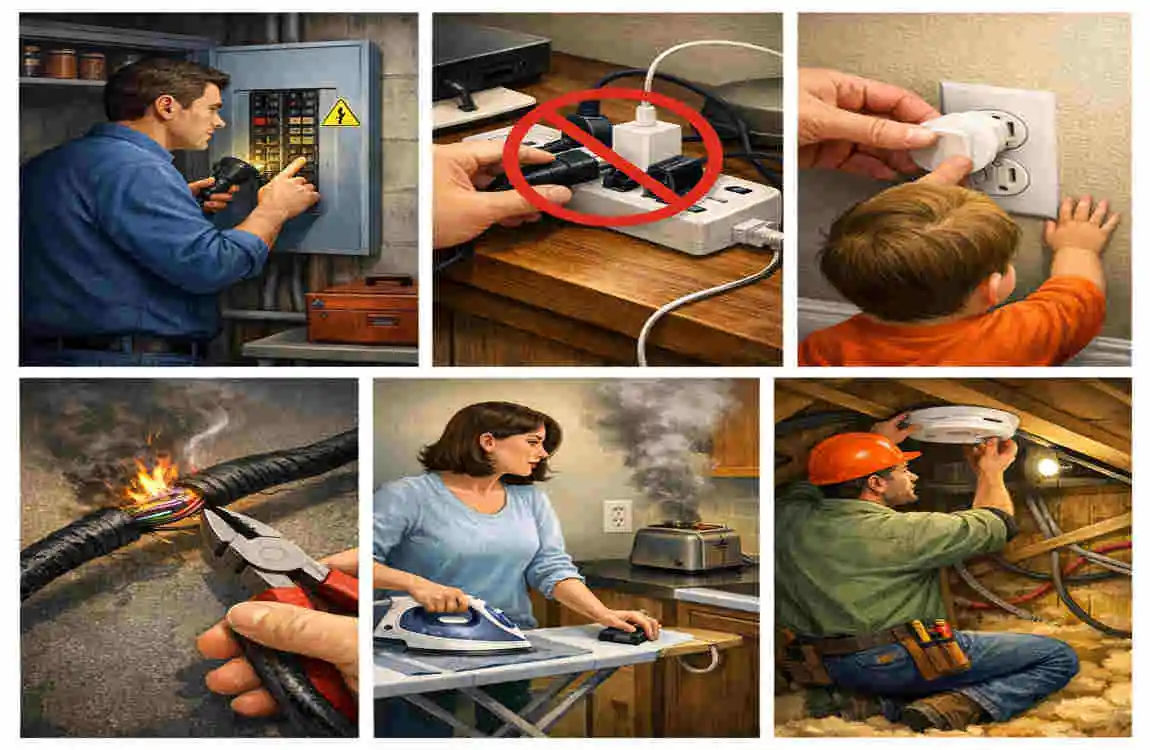
Inspect Power Cords Regularly
Look at cords often. Check for cracks, fraying, or bending near the plug.
A damaged cord can overheat or cause shocks. Replace it right away if it looks worn out.
Replace Damaged Plugs
If the plug is loose, bent, or broken, do not keep using it. This can create a serious fire or shock risk.
Have the plug repaired or replace the appliance if needed.
Use Surge Protectors
A surge protector helps shield appliances from sudden power spikes. This is useful for electronics, televisions, and computers.
It can help protect your devices and reduce damage during electrical storms or power changes.
Avoid Extension Cord Overuse
Extension cords are for temporary use, not permanent setups. Using them all the time can overload circuits and create heat.
If you need more outlets, have a proper electrical solution installed.
Child and Pet Safety Around Home Appliances
Keep Appliances Out of Reach
Children and pets may touch hot or moving appliances without understanding the danger. Keep sharp, hot, or electrical devices out of reach whenever possible.
This is especially important for kitchen counters and laundry areas.
Use Child Safety Locks
If your appliance offers child locks, use them. They help prevent accidental starts or unwanted changes.
These features are simple but very useful.
Store Small Appliances Properly
When not in use, put small appliances away safely. This keeps cords tidy and prevents accidents.
A clear counter is also safer and easier to clean.
Prevent Burns and Electric Shock
Teach children not to touch hot surfaces or cords. Supervise them around working appliances.
Simple household rules can prevent many injuries.
Home Appliance Maintenance Tips
Clean Appliances Regularly
Dust, grease, lint, and food particles can all affect how appliances work. Regular cleaning keeps them efficient and safer to use.
A clean appliance also lasts longer and looks better.
Schedule Routine Maintenance
Some appliances need occasional professional checks. This is especially true for larger machines like dryers, air conditioners, and refrigerators.
A yearly inspection can catch problems early.
Replace Worn-Out Parts
If a part is damaged, do not ignore it. A worn belt, broken seal, or cracked hose can cause bigger trouble later.
Replacing parts on time is usually cheaper than replacing the whole appliance.
Know When to Upgrade Old Appliances
Very old appliances may use more energy and may no longer be safe. If repairs keep adding up, replacement may be the smarter choice.
Newer models often work better and use less power.
Common Home Appliance Mistakes to Avoid
Ignoring Warning Signs
If an appliance smells hot, makes noise, leaks, or stops working properly, do not ignore it. These are signs that something may be wrong.
Using Damaged Appliances
Never keep using a device with a broken plug, exposed wire, or cracked shell. It can become dangerous very quickly.
Blocking Ventilation
Many appliances need airflow to stay cool. If vents are blocked, the machine can overheat.
DIY Repairs Without Experience
Some small fixes are fine, but major electrical or mechanical repairs should be left to a professional. Guesswork can make the problem worse.
Emergency Safety Tips
What to Do During an Electrical Fire
If you see sparks, smoke, or flames from an appliance, act quickly. First, cut the power if it is safe to do so.
Then leave the area and call emergency services. Do not use water on an electrical fire.
How to Disconnect Power Safely
If an appliance looks unsafe, unplug it by holding the plug, not the cord. Pulling the cord can damage it further.
If the outlet area is wet or smoking, do not touch it. Wait for a professional.
When to Call a Professional
Call a qualified electrician or repair technician if you notice repeated tripping, burning smells, or serious damage.
If you are unsure, it is always better to ask for help than to take a risk.
Benefits of Safe Appliance Usage
Safe appliance habits bring many benefits to your home.
- Lower energy bills
- Longer appliance lifespan
- Reduced fire risks
- Improved family safety
- Better home efficiency
When you use appliances properly, they work better and last longer. That means fewer repairs, fewer surprises, and more peace of mind.
Home Appliance Safety Checklist
Safety Task Frequency Benefit
Inspect power cords Monthly Prevent electrical hazards
Clean appliance vents Monthly Improve performance
Test GFCI outlets Every 3 months Prevent electric shock
Clean dryer lint filter After every load Reduce fire risk
Check smoke detectors Monthly Early fire warning
Schedule appliance inspection Annually Extend appliance life
This checklist is simple, but it can make a big difference. Small actions often prevent the biggest problems.
How Can House Use Appliances Safely in Everyday Life?
If you are still asking how to use household appliances safely, the answer is really about habits. Be careful, stay alert, and do not rush when using appliances.
Use the right outlet. Keep things dry. Clean and inspect your devices. Teach children safe behaviour. And do not ignore warning signs.
These are easy habits, but they protect your home in a very real way.
Frequently Asked Questions
How can house use appliances safely?
Always follow the manufacturer’s instructions, avoid overloading outlets, keep appliances dry, and inspect cords regularly.
What is the biggest home appliance safety risk?
Electrical fires caused by damaged cords, overloaded circuits, and poor maintenance are among the most common risks.
How often should home appliances be inspected?
Do basic monthly checks and have major appliances professionally serviced once a year, if recommended.
Can extension cords be used permanently?
No. Extension cords are meant for temporary use only. Permanent setups should use proper wall outlets.
Which appliances require the most maintenance?
Dryers, refrigerators, air conditioners, washing machines, dishwashers, and water heaters need regular care.
| Safety Tip | Explanation |
|---|---|
| Read the User Manual | Follow the manufacturer’s instructions before using any appliance. |
| Check Power Cords | Replace damaged or frayed cords immediately to prevent electric shocks. |
| Keep Appliances Dry | Avoid using electrical appliances with wet hands or near water. |
| Don’t Overload Outlets | Plug high-power appliances into separate outlets to reduce fire risks. |
| Unplug When Not in Use | Disconnect appliances after use to save energy and prevent accidents. |
| Ensure Proper Ventilation | Keep vents clear on appliances like refrigerators, dryers, and microwaves. |
| Keep Away from Children | Store or use appliances out of children’s reach whenever possible. |
| Clean Regularly | Remove dust, grease, and debris to improve performance and reduce hazards. |
| Use for Intended Purpose | Only use appliances for the tasks recommended by the manufacturer. |
| Schedule Maintenance | Inspect and service appliances regularly to ensure safe and efficient operation. |