When the temperatures drop across East Tennessee, your home’s heating system becomes one of the most important pieces of equipment you own. Yet for many homeowners, the furnace or heat pump gets little attention until something goes wrong. Proactive care and timely repairs are the keys to a warm, comfortable home and manageable energy bills throughout the winter months.
Understanding Your Heating System
Most homes in East Tennessee rely on one of three primary heating systems: a gas furnace, an electric heat pump, or a dual-fuel system that combines both. Each has its own maintenance requirements and common failure points. Gas furnaces require annual inspections of the heat exchanger, burners, and flue system. Heat pumps need regular coil cleaning and refrigerant checks. Understanding what type of system you have is the first step toward caring for it properly.
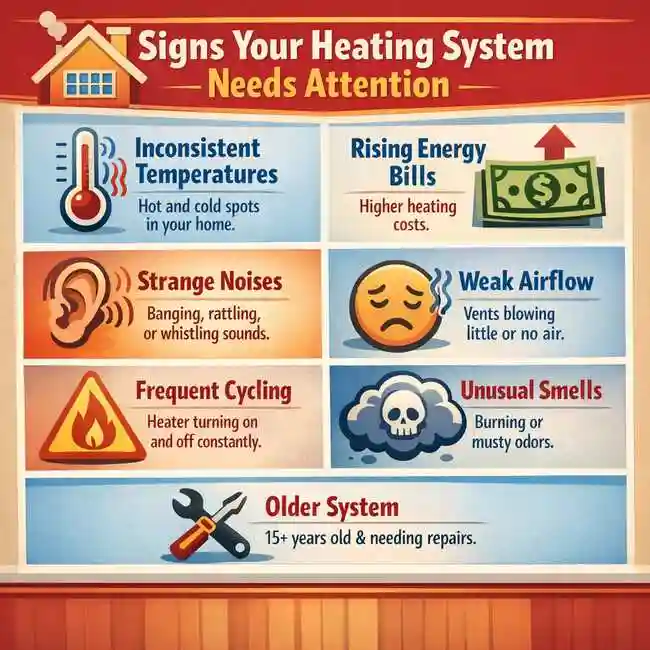
Signs Your Heating System Needs Attention
Like any mechanical system, your heater will typically show warning signs before it fails completely. Watch for these indicators:
- Uneven heating: Some rooms are significantly colder than others, suggesting ductwork issues or a failing zone control.
- Increased energy bills: A system working harder than it should to maintain temperature will show up in your utility costs.
- Strange odors: Persistent burning smells may signal a more serious issue beyond seasonal dust.
- Unusual sounds: Banging, rattling, or squealing during operation are signs of mechanical problems that need professional attention.
- Frequent cycling: A system that turns on and off repeatedly without reaching the set temperature is working inefficiently and under stress.
The Importance of Annual Tune-Ups
Scheduling a professional heating inspection before the cold season arrives is one of the most cost-effective things a homeowner can do. A certified technician will clean and inspect all components, test safety controls, check for carbon monoxide leaks, and ensure the system is operating at peak efficiency. This not only reduces the risk of mid-winter breakdowns but also extends the life of your equipment significantly.
Homes with annual maintenance plans typically see meaningfully lower heating costs compared to those with neglected systems. The investment in a tune-up pays for itself quickly in energy savings alone.
When to Call for Repairs
Some heating issues are beyond DIY fixes. If your system is producing insufficient heat, making loud mechanical noises, or triggering your carbon monoxide detector, call a professional immediately. Attempting to repair gas components or electrical systems without proper training is dangerous and can void your equipment warranty.
Timely professional intervention is especially important for older systems. A furnace or heat pump that’s 12–15 years old and showing signs of strain may be approaching the end of its useful life. A qualified technician can help you weigh the cost of repairs against the benefits of a more efficient replacement system.
For homeowners across the region, trusted heating repair services in East Tennessee provide the expertise needed to diagnose problems accurately, offer transparent pricing, and restore comfort quickly — often with same-day or next-day service availability.
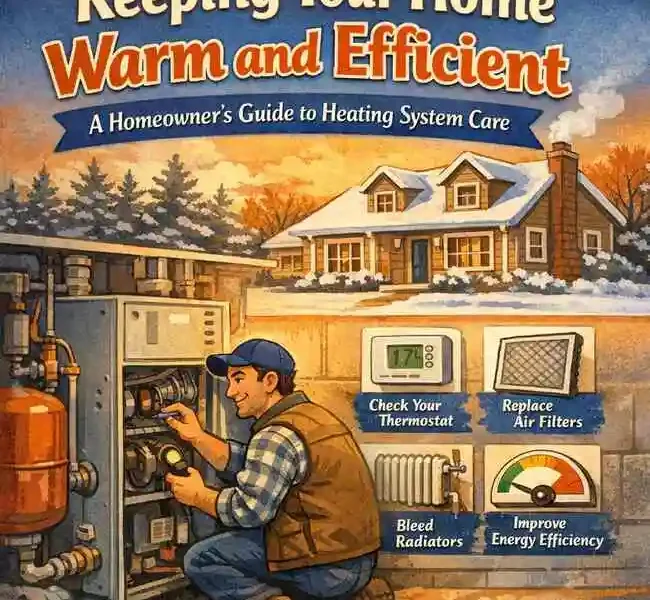
Simple Steps Homeowners Can Take
Between professional service visits, there are several things you can do to keep your heating system running well:
- Replace air filters every 1–3 months, depending on usage and household conditions
- Keep vents and registers clear of furniture and obstructions
- Set your thermostat to a consistent temperature rather than making large adjustments
- Seal drafts around windows and doors to reduce the load on your heating system
- Test your carbon monoxide detectors at the start of each heating season
Comfort Starts with Preparation
A warm, comfortable home in winter doesn’t happen by accident — it’s the result of consistent care and timely attention to your heating system. By staying proactive, scheduling annual maintenance, and addressing problems early, East Tennessee homeowners can enjoy reliable warmth all season long without the stress of unexpected breakdowns or sky-high energy bills.