When homeowners think about improving energy efficiency, most focus on windows, insulation, appliances, or heating systems. Roofing is often treated as a separate category associated mainly with weather protection or exterior maintenance. In reality, the roof plays a much larger role in overall home performance than many people realize.
A roofing system directly affects heat retention, ventilation, moisture control, attic temperature, airflow balance, and long-term energy stability throughout the entire property. Even relatively small issues above the ceiling can gradually influence indoor comfort, heating costs, cooling efficiency, and the lifespan of other structural systems inside the home.
As energy costs continue rising and weather conditions become less predictable, homeowners are starting to look at roofing differently. Increasingly, it is being viewed not simply as an exterior feature, but as one of the core systems influencing how efficiently a house functions every day.
Why Roofing Affects More Than Weather Protection
A roof does far more than shield a home from rain or wind. The materials used, the quality of installation, attic ventilation design, insulation interaction, and airflow management all influence how heat moves through a property. During warmer months, poorly performing roofing systems can trap excessive heat inside attic spaces, increasing strain on cooling systems and raising indoor temperatures. In colder conditions, heat loss through inefficient roofing structures can make heating systems work harder for longer periods.
Ventilation also plays a major role. Without proper airflow, moisture can build inside attic spaces, creating conditions that gradually affect insulation performance, structural materials, and indoor air quality over time.
Because these issues develop gradually, many homeowners do not immediately connect rising energy bills or fluctuating indoor comfort to roofing performance. Yet in many homes, the roof acts as one of the largest regulators of thermal stability across the property. This is one reason energy-efficient renovation planning increasingly includes closer evaluation of exterior systems rather than focusing only on interior upgrades.
Why Homeowners Are Becoming More Strategic About Roofing Decisions
The growing awareness around home performance is changing how people approach roofing projects altogether. Homeowners are paying more attention to long-term efficiency, material durability, ventilation quality, and maintenance cycles instead of viewing roofing solely as an emergency repair issue. As climate conditions become more unpredictable and utility costs continue increasing, exterior reliability is becoming part of broader household planning.
As homeowners become more aware of how different parts of a house affect overall comfort and efficiency, roofing decisions are starting to feel less like basic repair jobs and more like long-term investments in the home itself. People are paying closer attention to airflow, insulation performance, seasonal temperature control, and material durability instead of focusing only on visible damage or quick fixes.
That shift is also changing what homeowners look for when choosing roofing companies. Many property owners now prioritize long-term performance, reliability, and weather protection alongside appearance. Veteran Brothers Roofing has become part of this broader move toward more practical, performance-focused roofing solutions, especially among homeowners looking for better energy efficiency, stronger exterior protection, and more stable indoor comfort throughout the year.
Ventilation Is Often the Missing Piece
One of the most overlooked parts of roofing efficiency is ventilation. Many homeowners focus heavily on roofing materials themselves while paying far less attention to how air actually moves through the structure. Without proper intake and exhaust airflow, attic temperatures can rise dramatically during warmer weather, trapping heat that eventually affects living spaces below.
Poor ventilation may also increase moisture accumulation during colder seasons, which can gradually impact insulation effectiveness and contribute to long-term structural wear.
Balanced ventilation systems help regulate temperature fluctuations more effectively throughout the year while supporting healthier airflow conditions inside the home. Because ventilation problems are not always immediately visible, they often go unnoticed until larger comfort or maintenance issues begin appearing.
Energy Efficiency Is Becoming a Long-Term Financial Decision
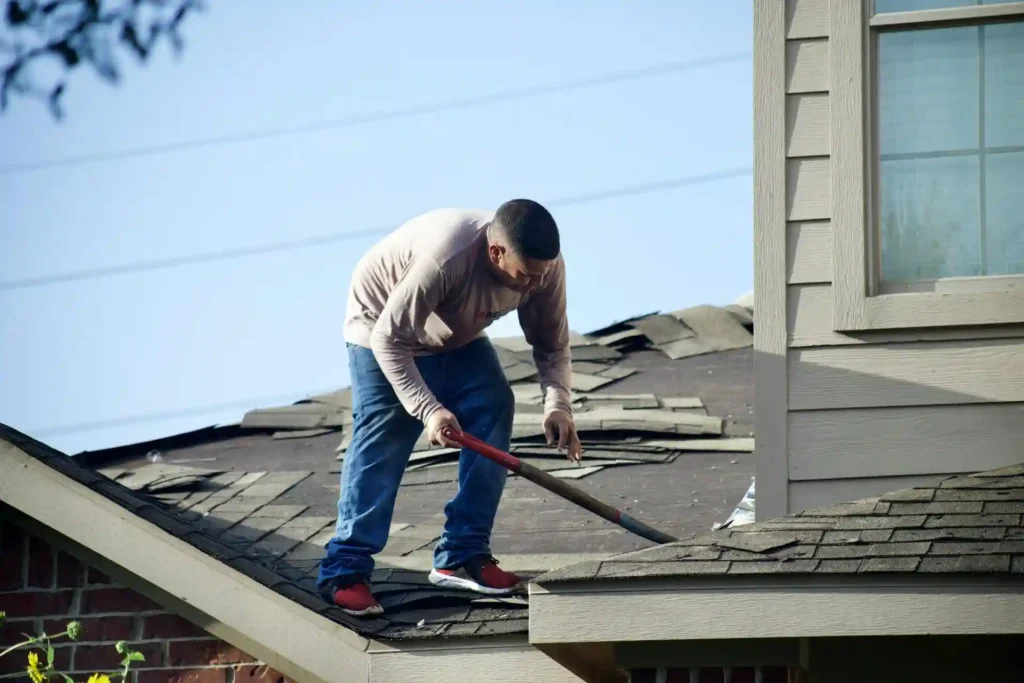
The conversation around energy efficiency has also become more financial. Homeowners increasingly recognize that recurring utility costs, maintenance expenses, and premature material deterioration can add up significantly over time. Instead of focusing only on immediate installation costs, many people now evaluate roofing decisions based on long-term operational performance.
Durable roofing systems capable of supporting better thermal regulation may help reduce strain on heating and cooling equipment while improving indoor consistency across changing seasons. This broader perspective is influencing renovation priorities across both newer homes and aging properties undergoing modernization.
What Energy Experts Say About Roofing and Efficiency
Research from energy and housing organizations continues to reinforce the connection between roofing systems and household efficiency. According to guidance published by the U.S. Department of Energy, roofing materials, attic ventilation, reflective surfaces, insulation compatibility, and air sealing can all significantly affect energy consumption and indoor comfort levels. Poor ventilation and heat buildup inside attic spaces may increase cooling demand during warmer periods, while inadequate insulation coordination can contribute to unnecessary heat loss in colder seasons.
The U.S. Department of Energy regularly publishes research and homeowner guidance related to roofing efficiency, attic ventilation, insulation systems, and long-term residential energy performance. These findings are becoming increasingly important as homeowners try to reduce utility costs without sacrificing indoor comfort.
Climate Conditions Are Reshaping Exterior Priorities
Changing climate patterns are further increasing attention on roofing performance. Stronger storms, prolonged heat exposure, sudden temperature swings, and seasonal unpredictability are pushing homeowners to think more carefully about how exterior systems handle stress over time. Roofing systems are expected to do more than simply remain intact during bad weather. They are increasingly expected to support energy management, moisture control, structural durability, and year-round comfort simultaneously.
This evolution is changing the role roofing plays within modern homeownership. Instead of remaining a background maintenance issue, the roof is becoming part of a larger conversation about resilience, sustainability, and household efficiency.
Comfortable Homes Depend on Systems Working Together
One of the biggest shifts in modern home improvement is the growing understanding that comfort does not come from any single upgrade alone. A truly efficient home depends on multiple systems functioning together properly. Roofing, insulation, ventilation, windows, drainage, and HVAC performance all influence one another in ways many homeowners are only beginning to fully appreciate.
When one area underperforms, the effects often spread elsewhere throughout the property. That is why roofing decisions are becoming more strategic than they once were. Homeowners are no longer evaluating roofs purely by appearance or immediate repair needs. Increasingly, they are asking how those systems contribute to the long-term performance, efficiency, and durability of the entire home. The future of energy-efficient living may depend just as much on what happens above the ceiling as what happens inside the rooms below it.