Corrugated roof sheets are a common choice for homes, sheds, garages, and workshops. They are light, strong, and easy to install. But like any roofing material, they can get damaged over time.
If you are wondering how to fix corrugated roof sheets, the good news is that many problems are easy to handle. Small leaks, loose screws, tiny holes, and surface rust can often be repaired without replacing the whole roof. That saves time, money, and stress.
Quick repairs matter because roof damage can spread fast. A small leak can turn into water stains, mold, or even structural damage if you ignore it. The earlier you act, the better your chances of keeping the roof in good shape.
What Causes Corrugated Roof Sheets to Get Damaged?
Understanding the cause helps you choose the right repair. Some damage is minor and easy to fix. Other problems point to bigger roof issues.
Rust and Corrosion
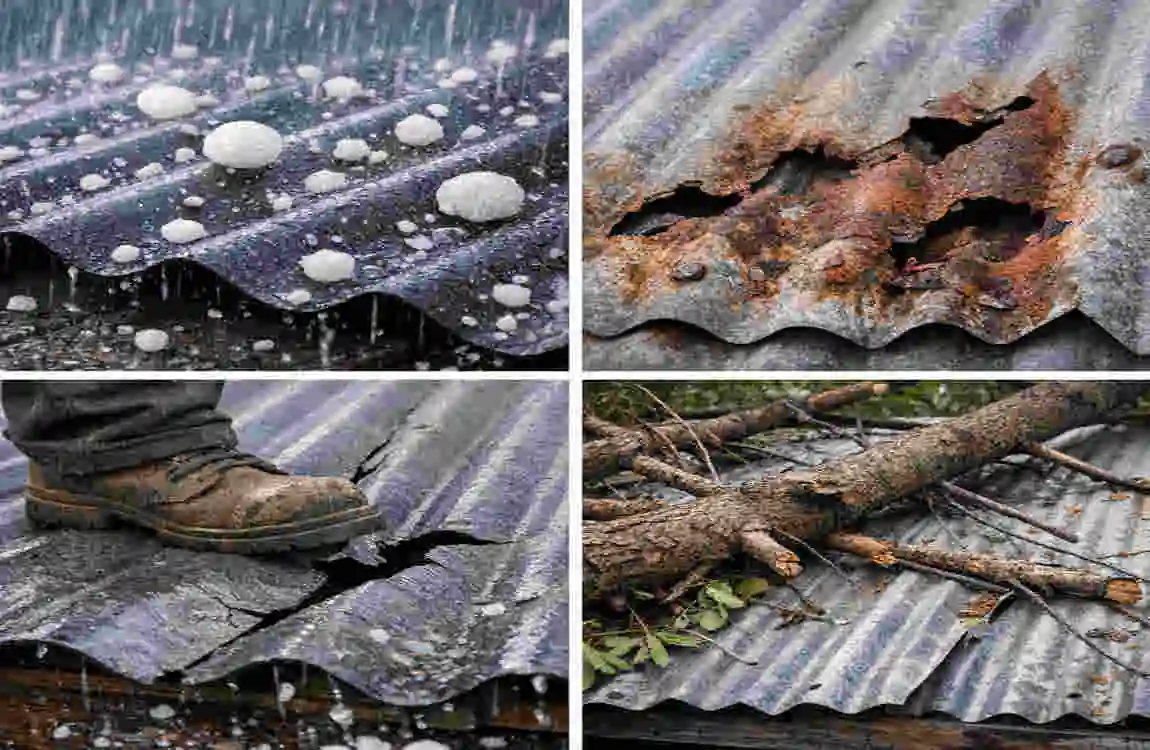
Metal roof sheets can rust when exposed to moisture for extended periods. This is more common in wet climates or on roofs that do not drain well.
Rust weakens the sheet over time. Once it starts, it can spread if you do not treat it quickly.
Storm and Wind Damage
Strong wind can lift sheets, loosen screws, or bend the panels. Heavy rain, hail, or falling branches can also leave dents, cracks, or holes.
Even if the damage looks small, storms can create weak spots that later cause leaks.
Loose or Missing Fasteners
Corrugated sheets depend on screws and fasteners to stay secure. If those screws loosen, the sheet may move in the wind and let water enter.
Missing fasteners are a common reason for roof leaks. They are also one of the easiest problems to fix.
Cracks and Holes
Cracks may form from age, impact, or poor handling during installation. Small holes can also appear around worn edges or rusty spots.
These openings allow water to seep in slowly, worsening the damage over time.
Poor Installation
If the roof was installed poorly, the sheets may not overlap properly or have weak fixings. That can lead to leaks, movement, and early wear.
Poor installation often causes recurring problems even after minor repairs.
Aging Roofing Materials
Nothing lasts forever. Older corrugated sheets naturally wear down after years of sun, rain, and heat.
As the material ages, it becomes more brittle, more rusty, and easier to damage.
Signs Your Corrugated Roof Sheets Need Repair
You do not always need a major leak before you know something is wrong. Small warning signs usually appear first.
Water Leaks
Water dripping inside is the clearest sign of roof trouble. You may notice wet spots after rain or water coming in near the edges.
Rust Spots
Rust spots often start as tiny orange or brown marks. If you see them early, you may still stop the damage before it spreads.
Bent or Lifted Panels
If a sheet is bent, raised, or out of place, it is no longer sealing properly. Wind and rain can easily enter through that gap.
Visible Cracks
Cracks are easy to miss unless you inspect the roof closely. Even small cracks can grow wider with temperature changes and movement.
Loose Screws
Loose or missing screws can create movement in the sheet. That movement often leads to noise, leaks, and more damage.
Interior Ceiling Stains
Water stains on ceilings or walls usually mean the roof has been leaking for some time. Do not ignore these signs.
Tools and Materials Needed
Before you start, gather everything you need. That saves time and helps the repair go more smoothly.
Essential Tools
You will likely need:
- Screwdriver
- Drill
- Roofing screws
- Sealant
- Wire brush
- Roofing tape
- Safety gloves
- Ladder
These basic tools cover most small corrugated roof repairs.
Optional Repair Materials
For larger or more detailed repairs, it helps to have:
- Metal patch
- Roofing cement
- Replacement corrugated sheet
- Rust primer
- Waterproof paint
Not every repair needs all of these items. Choose based on the type of damage you see.
How to Fix Corrugated Roof Sheets: Step-by-Step
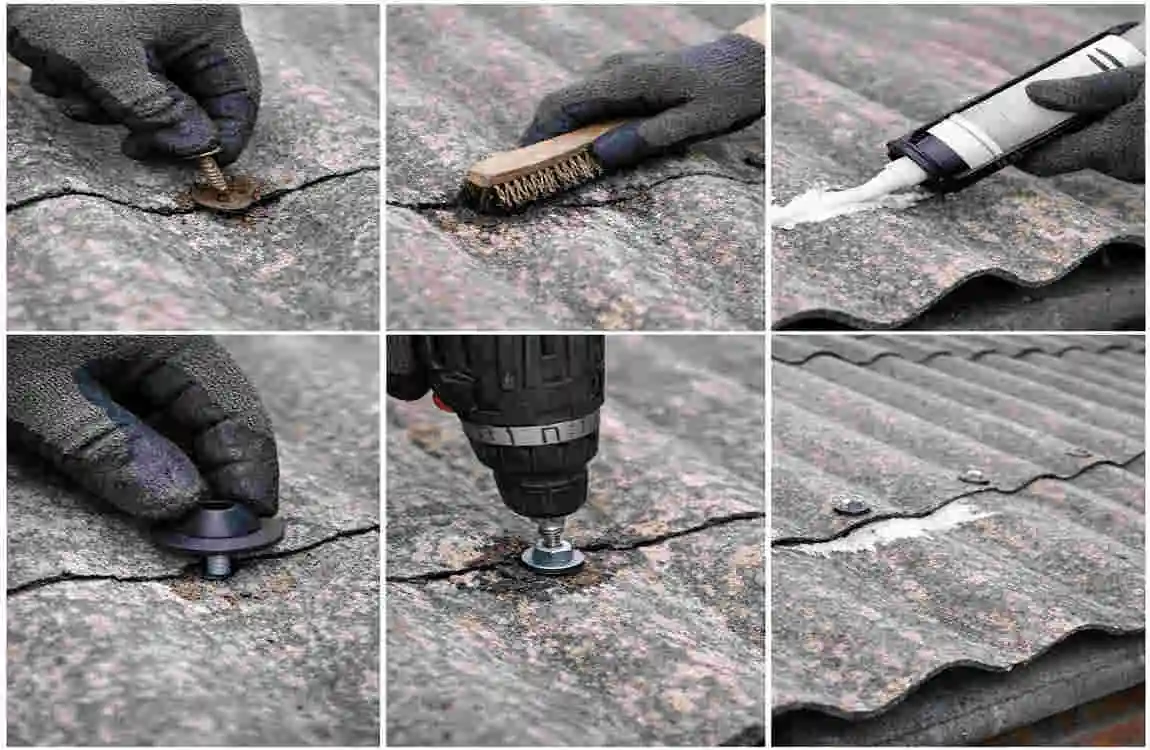
Now let’s walk through the repair process in simple steps. If you follow these carefully, you can handle many common roofing problems yourself.
Inspect the Roof
Start by checking the roof from the ground if possible. Then, if it is safe, inspect it more closely from a ladder or roof access point.
Look for leaks, rust, cracks, loose screws, and bent areas. Try to find the exact place where water may be getting in.
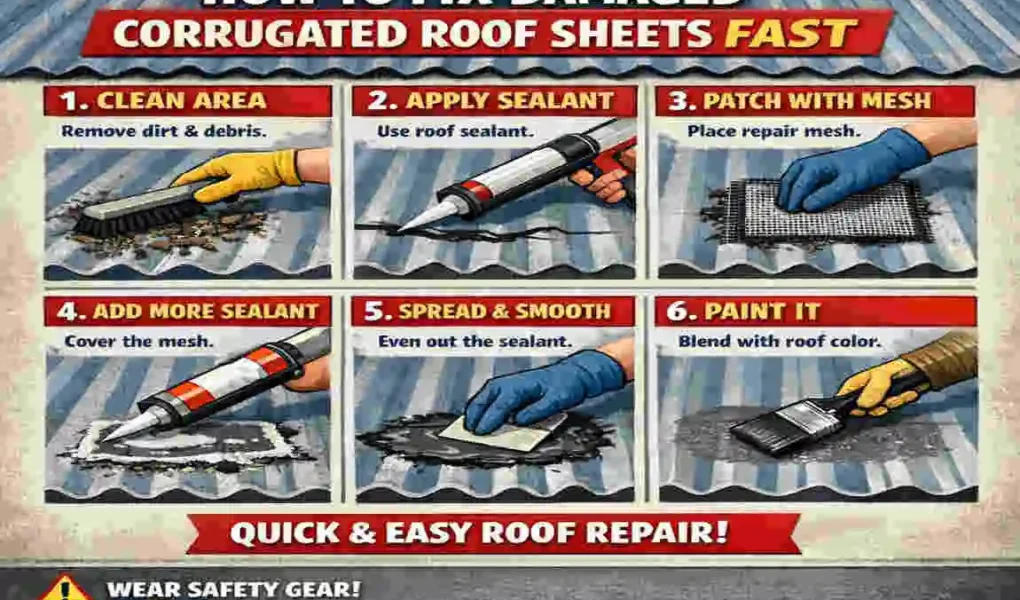
Clean the Surface
Before you repair anything, clean the damaged area. Remove dirt, dust, leaves, loose rust, and debris.
A clean surface helps sealant and patches stick better. If you skip this step, the repair may fail sooner.
Tighten Loose Screws
If screws are loose, tighten them first. If they are damaged or stripped, replace them with new roofing screws.
Use screws made for corrugated roofing. The wrong type may not seal properly or may damage the sheet.
Seal Small Holes and Cracks
For small holes or hairline cracks, use roofing sealant or waterproof tape. Apply it carefully over the damaged spot.
Make sure the area is dry before you seal it. This gives you a stronger bond and a longer-lasting fix.
Patch Larger Holes
If the hole is too big for sealant alone, use a metal patch. Cut the patch so it overlaps the damaged area, then attach it with roofing adhesive or sealant.
Press it down firmly and seal the edges well. This helps keep water from slipping underneath.
Replace Severely Damaged Sheets
If a sheet is badly rusted, cracked, or broken, replacement may be the best option. Carefully remove the old panel, then fit the new corrugated sheet in place.
Secure it with proper roofing screws and seal the overlap areas. This gives the roof a fresh and stable section again.
Test for Leaks
After the repair, check your work. The best test is to wait for rain, but you can also use a garden hose to see if water gets through.
If you still notice leaks, recheck the screws, seals, and overlaps. Sometimes a small adjustment is all you need.
Common Mistakes to Avoid
A simple repair can fail if you rush or use the wrong materials. Watch out for these mistakes.
Ignoring Small Leaks
Small leaks often grow into bigger ones. Fix them early before they cause interior damage.
Using Incorrect Screws
The wrong screws may not grip well or leave gaps. Always use fasteners made for corrugated roofing.
Skipping Roof Cleaning
Sealant will not work well on dirty or rusty surfaces. Clean first for better results.
Walking on Weak Roof Areas
Some roof sections may not support your weight safely. Step carefully and avoid damaged areas where possible.
Over-Tightening Fasteners
Tightening screws too much can damage the sheet or strip the hole. That can actually create a new leak.
Safety Tips During Roof Repairs
Roof work can be risky, even when the repair looks simple. Safety should always come first.
Wear Proper Safety Gear
Use gloves, sturdy shoes, and if needed, eye protection. These small items can prevent injuries.
Avoid Wet Roof Conditions
Never work on a wet roof if you can avoid it. Wet surfaces are slippery and dangerous.
Use a Stable Ladder
Make sure your ladder sits on flat, secure ground. Do not lean it on weak or unstable surfaces.
Work With a Partner
If possible, have someone nearby to help. A second person can hold tools, steady the ladder, or call for help if needed.
Follow Manufacturer Instructions
If you are using sealants, patches, or replacement sheets, follow the product directions closely. That helps you get a proper repair.
Repair vs Replace Corrugated Roof Sheets
Not every problem needs a full replacement. This table can help you decide.
RepairReplace
Small holes Extensive rust
Minor cracks Large broken sections
Loose screws Multiple damaged panels
Localized leaks Roof nearing end of lifespan
In general, repair works best for small and local problems. Replace the sheet if the damage is widespread or the material is too old to trust.
Maintenance Tips to Prevent Future Damage
A little care can extend the life of your roof. Regular maintenance is often cheaper than repeated repairs.
Inspect the Roof Twice a Year
Check your roof at least in spring and fall. Also inspect it after strong storms.
Clean Leaves and Debris
Leaves, branches, and dirt can trap moisture and cause rust. Keep the roof surface clear.
Remove Rust Early
Do not wait for rust to spread. Remove it as soon as you see it and protect the area with primer or coating.
Replace Loose Fasteners
If a screw works loose, fix it quickly. This helps stop leaks and movement.
Trim Overhanging Trees
Branches can scratch or damage roof sheets during wind. Trimming them lowers the risk of impact damage.
Apply Protective Roof Coating
A protective coating can help resist moisture, sun damage, and rust. It is especially useful for older metal roofs.
Estimated Repair Costs
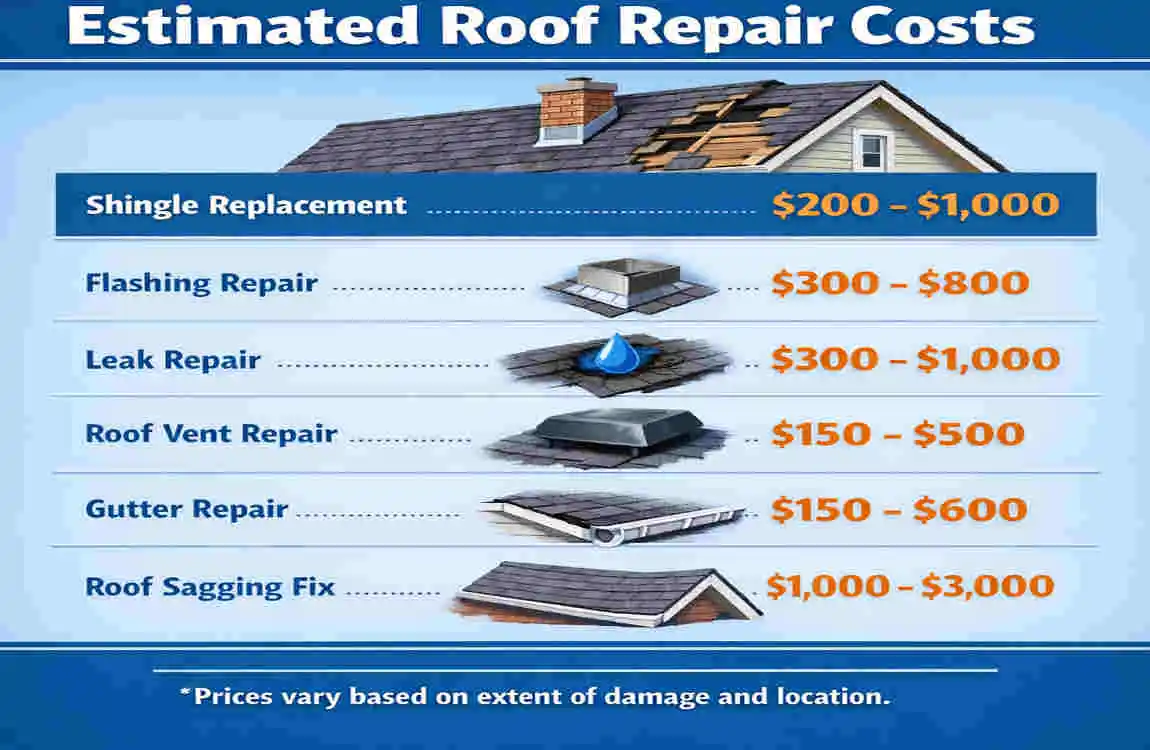
Repair costs vary based on the damage and whether you do the work yourself.
Repair Type Estimated Cost (USD)
Roof Sealant $10–$30
Roofing Screws $10–$25
Metal Patch Repair $20–$80
Replace One Roof Sheet $40–$150
Professional Repair $150–$800+
DIY repairs are cheaper, but professional help may be worth it for larger or more complex damage.
When to Call a Professional
Some roof problems are better left to an expert. That keeps you safer and often saves money in the long run.
Large Roof Leaks
If water is entering through several places, the problem may be bigger than a simple patch can fix.
Structural Damage
If the roof deck or support structure is damaged, you need a professional evaluation.
Multiple Broken Sheets
When many sheets are damaged, full replacement may be the smarter choice.
Steep Roofs
A steep roof is harder and more dangerous to work on. Professionals have the right equipment and training.
Extensive Rust Problems
If rust has spread over a large area, patching may only give short-term relief.
Frequently Asked Questions (FAQs)
How do you fix corrugated roof sheets with small holes?
Clean the area first, then apply roofing sealant or waterproof repair tape for a quick fix.
Can rusty corrugated roof sheets be repaired?
Yes. Remove the rust with a wire brush, apply a rust-inhibiting primer, and finish with a protective coating.
When should corrugated roof sheets be replaced instead of repaired?
Replace them when there is severe rust, large cracks, widespread damage, or the roof is nearing the end of its life.
What is the best sealant for corrugated roof sheets?
A high-quality waterproof roofing sealant made for metal roofing usually gives the best results.
How long does a corrugated roof sheet repair last?
A proper repair can last several years if the roof is checked and maintained regularly.
| Topic | Details |
|---|---|
| Purpose | Repair damaged corrugated roof sheets quickly to stop leaks and prevent further roof damage. |
| Common Causes of Damage | Rust, strong winds, hail, falling branches, aging, loose fasteners, and foot traffic. |
| Signs of Damage | Water leaks, visible holes, cracks, rust spots, bent panels, or loose screws. |
| Tools Needed | Screwdriver or drill, roofing screws, sealant, metal snips, ladder, safety gloves, and goggles. |
| Minor Repairs | Tighten loose screws, apply roofing sealant to small cracks, and replace damaged fasteners. |
| Hole Repair | Cover small holes with a waterproof roof patch or metal repair tape and seal the edges. |
| Panel Replacement | Remove the damaged sheet, install a matching corrugated panel, and secure it with new roofing screws. |
| Safety Tips | Work in dry weather, use a stable ladder, wear non-slip shoes, and avoid stepping on weak roof sections. |
| Repair Time | Small repairs: 30–60 minutes; replacing one sheet: 1–3 hours, depending on roof access. |
| Estimated Cost | DIY repairs: $20–$100; professional repairs: $150–$600+, based on damage severity. |
| Maintenance Tips | Inspect the roof twice a year, remove debris, clean gutters, and replace loose fasteners promptly. |
| Best Practice | Repair damage as soon as it’s noticed to prevent leaks, corrosion, and expensive structural repairs. |