Did you know that the European roofing market is experiencing remarkable growth, with projections showing significant expansion through the coming years? Your roof is far more than just a protective layer above your head—it’s a critical investment in your home’s longevity, comfort, and curb appeal. When you’re faced with the decision of selecting new roofing or replacing an existing one, the choices can feel overwhelming.
The truth is, choosing the right roofing material and manufacturer can mean the difference between a roof that lasts 20 years and one that lasts 50 years. It impacts everything from your energy bills to your home’s resale value, and even your peace of mind during harsh weather conditions. Many homeowners focus solely on the material itself, but the manufacturer behind that material plays an equally important role in determining quality, reliability, and long-term performance.
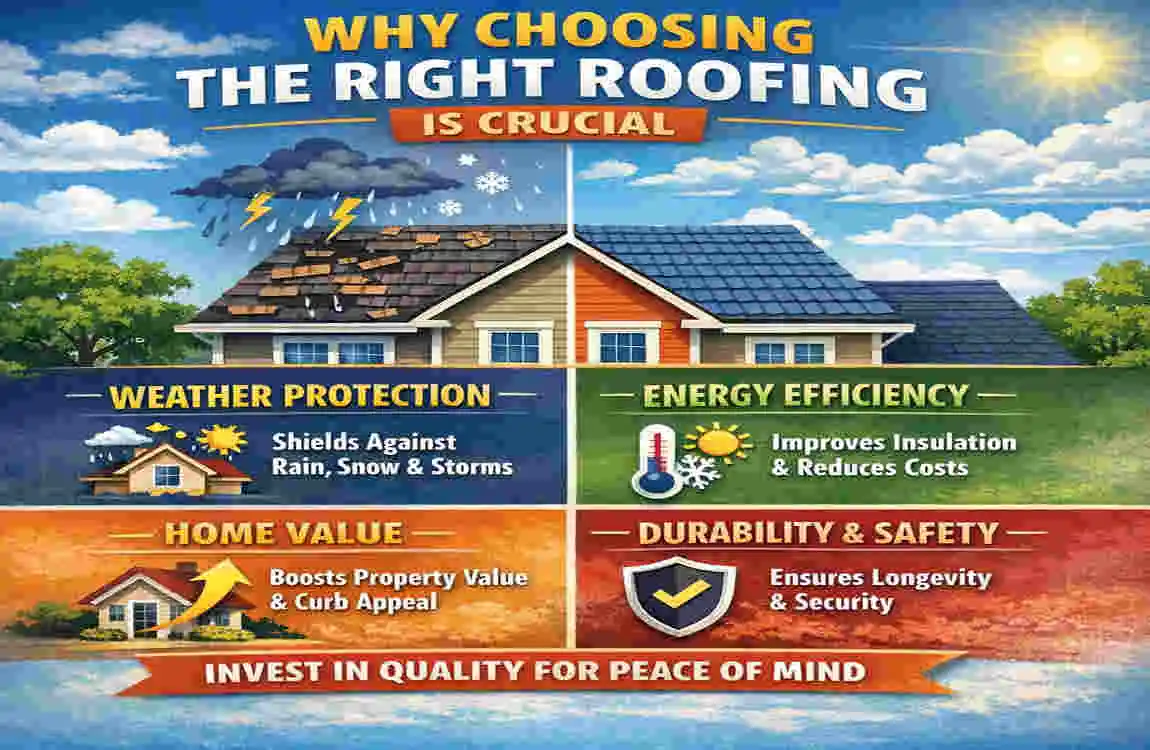
Why Choosing the Right Roofing is Crucial
The Foundation of Home Protection
Think of your roof as your home’s first line of defense. It shields everything you care about—your family, your belongings, your memories—from rain, snow, wind, and extreme temperatures. A well-constructed roof from a reputable manufacturer does this job reliably year after year, while a poorly chosen one can lead to leaks, structural damage, and expensive repairs that could have been prevented.
The stakes are high, but the good news is that making an informed decision now saves you from costly problems later. When you invest in quality roofing from a trusted manufacturer, you’re not just buying materials; you’re buying peace of mind and protection for one of your most valuable assets.
Beyond Protection: Aesthetic and Energy Considerations
Your roof is also one of the most visible features of your home. It contributes significantly to your property’s overall appearance and curb appeal. The right roofing choice can enhance your home’s architectural style, whether you’re aiming for a traditional, modern, or contemporary look.
But aesthetics are just one part of the equation. Modern roofing materials and systems also play a crucial role in energy efficiency. Quality roofing with proper insulation and reflective properties can help regulate your home’s temperature, reducing your reliance on heating and cooling systems. This translates directly into lower energy bills and a smaller environmental footprint.
The Manufacturer’s Role in Quality Assurance
Here’s something many homeowners overlook: the manufacturer’s reputation and commitment to quality directly influence how well your roof performs. Established, reputable manufacturers invest in research and development, use Premium materials, implement strict quality control processes, and offer comprehensive warranties. They stand behind their products because they’re confident in their durability and performance.
Choosing a manufacturer known for excellence means you’re getting roofing that has been tested, refined, and proven to withstand Europe’s diverse climate conditions. It’s an investment that pays dividends over time.
Key Factors to Consider When Choosing House Roofing
Understanding Roofing Materials
The European market offers a diverse range of roofing materials, each with distinct characteristics, advantages, and limitations. Your choice should align with your home’s style, your local climate, your budget, and your long-term vision for your property.
Clay Tiles: Traditional Elegance
Clay tiles represent one of Europe’s most traditional roofing materials, particularly popular in Mediterranean regions. These tiles are fired in kilns, creating a durable, weather-resistant product that can last over 50 years. They offer a distinctive aesthetic appeal with natural color variations and a timeless appearance.
However, clay tiles are among the more expensive roofing options, and their weight requires robust structural support. They’re also more labor-intensive to install, which adds to the overall project cost. Despite these considerations, many homeowners find the investment worthwhile for the durability and classic beauty they provide.
Slate: Premium Durability
Slate roofing is the Premium choice for those seeking maximum longevity and sophistication. Natural slate tiles can last 75 to 100 years or even longer, making them an investment that can outlast the homeowner. Slate offers unparalleled beauty with unique color variations and a luxurious appearance that enhances any architectural style.
The downside? Slate is expensive, requires specialized installation expertise, and demands significant structural support due to its weight. It’s typically chosen for high-end properties or homes where longevity and aesthetics are paramount considerations.
Metal Roofing: Modern Efficiency
Metal roofing has gained tremendous popularity across Europe in recent years, particularly in Scandinavian countries. Modern metal roofing systems are lightweight, durable, and energy-efficient. They can last 40 to 70 years and handle harsh weather conditions exceptionally well.
Metal roofing is also highly recyclable, making it an environmentally responsible choice. It reflects sunlight effectively, helping keep homes cooler in summer. The main drawback is the initial cost and the noise during heavy rain, though modern insulation techniques have largely addressed the noise concern.
Asphalt Shingles: Practical and Affordable
Asphalt shingles are the most common roofing material in Europe due to their affordability and ease of installation. They typically last 20 to 30 years and come in various colors and styles. They’re relatively lightweight and require less structural support than heavier materials.
The trade-off is that asphalt shingles have a shorter lifespan compared to Premium materials and may require more frequent maintenance. However, for budget-conscious homeowners, they offer a practical solution with decent durability.
Composite and Synthetic Materials: Innovation in Action
Newer composite and synthetic roofing materials are emerging as alternatives that combine affordability with improved durability. These engineered materials can mimic the appearance of traditional tiles or slate while offering better performance characteristics and lower maintenance requirements.
Budget and Longevity: Finding the Right Balance
One of the most important conversations you need to have with yourself is about budget. The cheapest roofing option isn’t always the best value when you consider long-term costs.
Let’s look at a practical example. Suppose you’re choosing between asphalt shingles at €5,000 that last 25 years and Premium metal roofing at €12,000 that lasts 50 years. The asphalt shingles cost €200 per year over their lifespan, while the metal roofing costs €240 per year. However, the metal roof requires only one replacement cycle in 50 years, whereas you’d replace asphalt shingles twice. When you factor in installation costs, labor, and the disruption of replacement, the Premium option often makes more financial sense.
Quality roofing from reputable manufacturers protects your investment by requiring fewer repairs and replacements over time. Consider the total cost of ownership, not just the upfront expense.
Sustainability and Eco-Friendly Options
Environmental consciousness is increasingly important to homeowners across Europe. The roofing industry has responded with innovative, sustainable options that minimize environmental impact without compromising performance.
Eco-friendly roofing materials include recycled metal, reclaimed slate, sustainably harvested wood shingles, and composite materials made from recycled plastics and rubber. Many manufacturers now prioritize sustainable production processes that reduce waste and energy consumption.
When evaluating eco-friendly options, look for certifications such as CE marking, which indicates compliance with European standards, and energy efficiency ratings that demonstrate the material’s performance characteristics. These certifications ensure that the green claims are backed by rigorous testing and validation.
Manufacturer Reputation and Certifications
The manufacturer you choose should have a proven track record of excellence. Reputable manufacturers hold certifications like ISO 9001 (quality management), ISO 14001 (environmental management), and CE marking, which demonstrate their commitment to consistent quality and environmental responsibility.
Research the manufacturer’s history, read customer reviews, and check whether they’ve completed notable projects in your region. A manufacturer with decades of experience and a strong reputation is more likely to stand behind their products and provide reliable customer support.
Professional Installation and Maintenance
Even the finest roofing material will underperform if it’s installed incorrectly. Professional installation is absolutely crucial for ensuring your roof performs as intended and maintains its warranty coverage.
When selecting an installer, verify their credentials, ask for references, and ensure they’re approved by your chosen manufacturer. Many manufacturers have networks of certified installers who have been trained in proper installation techniques specific to their products.
Once installed, different roofing materials require different maintenance approaches. Some materials benefit from regular cleaning and inspection, while others are virtually maintenance-free. Understanding these requirements helps you make a choice that aligns with your willingness and ability to maintain your roof properly.
Overview of the Largest House Roofing Manufacturers in Europe
Europe’s roofing industry is dominated by several major manufacturers who have established themselves as leaders through innovation, quality, and extensive product ranges. Let’s explore the companies shaping the roofing landscape across the continent.
BMI Group: Comprehensive Solutions
BMI Group stands as one of Europe’s largest roofing manufacturers, operating across multiple countries with a diverse product portfolio. The company offers solutions ranging from traditional tiles to modern metal systems and bituminous products.
What sets BMI Group apart is its commitment to innovation and sustainability. They’ve invested heavily in developing products that meet the highest European standards while addressing environmental concerns. Their extensive distribution network ensures that their products and professional installation support are accessible across Europe.
BMI Group’s reputation is built on decades of experience in the roofing industry, and they continue to expand their offerings to meet evolving market demands. Their products are particularly popular in Central and Northern Europe, where they’ve established strong relationships with contractors and distributors.
Etex Group: Sustainability Leaders
Etex Group has positioned itself as an innovator in sustainable building materials, with roofing solutions that prioritize environmental responsibility without sacrificing performance. The company operates across Europe with manufacturing facilities strategically located to serve regional markets.
Etex’s roofing division focuses on developing products that reduce environmental impact throughout their lifecycle—from sustainable sourcing and manufacturing processes to recyclability at end-of-life. Their commitment to circular economy principles has earned them recognition as industry leaders in sustainability.
The company’s product range includes innovative solutions like solar-integrated roofing systems and materials designed for energy efficiency. Etex continues to invest in research and development to bring cutting-edge roofing technologies to the European market.
Wienerberger: Clay Tile Excellence
Wienerberger has built its reputation as a leading specialist in clay tiles and brick products, with a particularly strong presence in Central and Southern Europe. The company combines traditional craftsmanship with modern manufacturing techniques to produce clay tiles of exceptional quality.
Wienerberger’s clay tiles are renowned for their durability, aesthetic appeal, and sustainability. The company sources raw materials responsibly and employs manufacturing processes designed to minimize environmental impact. Their tiles consistently achieve the highest durability ratings and have proven their longevity across generations.
Beyond traditional clay tiles, Wienerberger has expanded into innovative products, including solar tiles and tiles with enhanced insulation properties. The company’s commitment to combining heritage craftsmanship with modern innovation makes it a preferred choice for homeowners seeking Premium roofing solutions.
Monier Roofing: Design and Tradition
Monier Roofing brings together design excellence and traditional craftsmanship to create roofing solutions that enhance any architectural style. With operations across Europe, Monier has established itself as a manufacturer that understands the importance of both aesthetics and performance.
The company offers an extensive range of tile designs, from classic profiles that honor traditional architecture to contemporary styles that complement modern homes. Each product is engineered for durability and weather resistance while maintaining design integrity.
Monier’s commitment to quality is evident in its rigorous testing procedures and comprehensive warranties. The company works closely with architects, designers, and contractors to ensure their products meet the highest standards and deliver the aesthetic and performance outcomes customers expect.
Ruukki Roofing: Scandinavian Metal Innovation
Ruukki Roofing leads the metal roofing segment in Europe, particularly in Scandinavian regions where metal roofing is the preferred choice. The company specializes in innovative metal roofing systems designed to withstand extreme weather conditions while delivering exceptional longevity.
Ruukki’s metal roofing systems are engineered for performance in challenging climates, featuring advanced coatings that resist corrosion, innovative fastening systems that withstand high winds, and designs that facilitate proper water drainage. The company’s products have been tested in some of Europe’s harshest environments and continue to perform reliably.
Beyond traditional metal roofing, Ruukki offers integrated solutions that combine roofing with other building elements, creating comprehensive systems that enhance both performance and aesthetics. Their commitment to innovation positions them as leaders in the evolution of metal roofing technology.
IKO Roofing: Global Quality Standards
IKO Roofing brings global expertise to the European market, applying decades of experience in roofing manufacturing to develop products that meet the continent’s diverse climate and aesthetic requirements. The company is known for high-quality asphalt shingles and bituminous roofing systems.
IKO’s products are engineered to balance affordability with durability, making them accessible to homeowners with varying budgets. The company maintains strict quality control standards and invests in research to continuously improve product performance and appearance.
IKO’s extensive warranty offerings and commitment to customer support reflect their confidence in their products’ quality. Their presence across Europe ensures that customers have access to genuine IKO products and authorized installers.
Terreal: Versatility and Heritage
Terreal represents a combination of heritage and innovation in roofing materials, particularly in the clay tile and terracotta sectors. With manufacturing facilities across Europe, Terreal serves markets from the Mediterranean to Northern regions.
The company’s expertise spans traditional clay tiles, innovative composite materials, and specialized products designed for specific architectural styles and climate conditions. Terreal’s commitment to preserving traditional craftsmanship while embracing modern manufacturing techniques results in products that honor heritage while meeting contemporary performance standards.
Terreal’s extensive product range allows architects and homeowners to find solutions that perfectly match their aesthetic vision and performance requirements. The company’s reputation for quality and design excellence makes it a preferred choice for Premium residential and commercial projects.
How to Compare Roofing Manufacturers
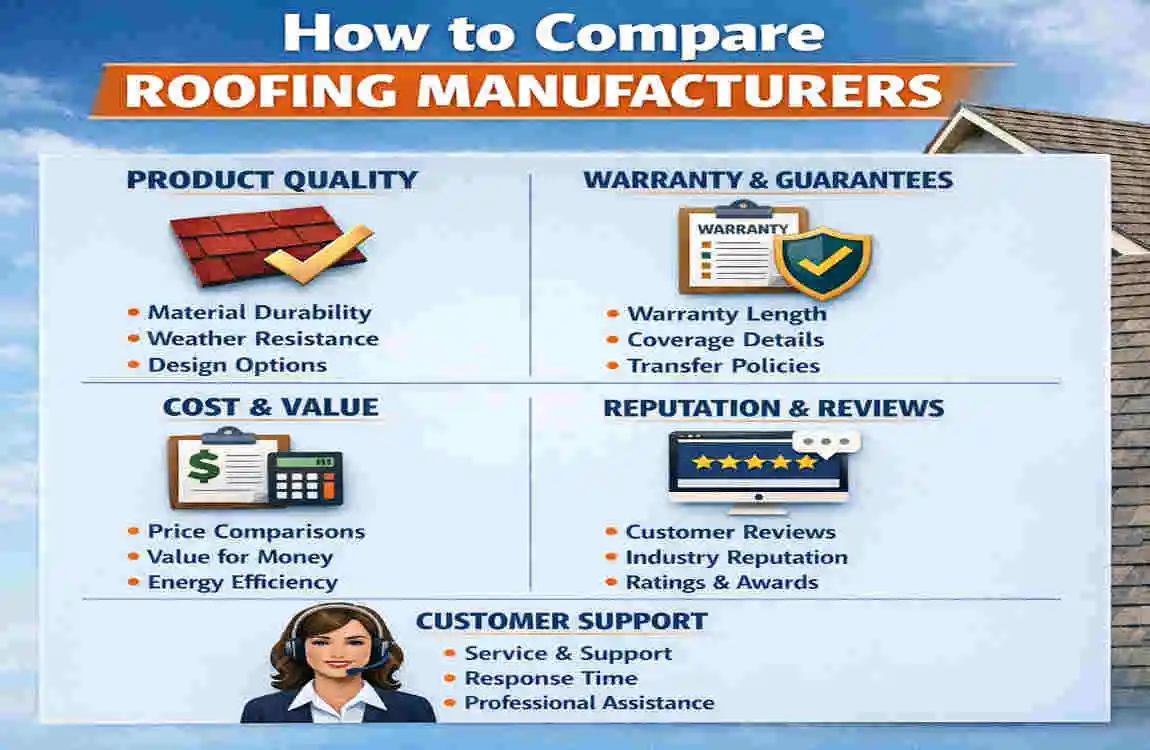
Evaluating Reputation and Customer Reviews
Your first step in comparing manufacturers should be researching their reputation in the market. Look for independent reviews from customers, contractors, and industry professionals. Pay attention to patterns in feedback—are there consistent complaints about specific issues, or do reviews consistently praise certain aspects?
Check how manufacturers respond to negative reviews. A company that addresses concerns professionally and works toward resolution demonstrates commitment to customer satisfaction. Visit industry forums and contractor communities where professionals discuss their experiences with different manufacturers.
Ask for references from manufacturers and contact previous customers directly. This direct feedback often provides insights that reviews alone cannot capture. Ask specific questions about product performance, warranty claim experiences, and long-term satisfaction.
Assessing Product Range and Customization
Different homes have different needs, and a manufacturer with a comprehensive product range is better positioned to meet those needs. Consider whether the manufacturer offers options that align with your home’s architectural style, your climate conditions, and your budget.
Look for manufacturers that offer customization options—whether in colors, profiles, or specialized features. A manufacturer with diverse offerings demonstrates understanding of market diversity and commitment to serving various customer segments.
Review product catalogs and specifications carefully. Compare the technical specifications of similar products from different manufacturers to understand performance differences and how they might affect long-term outcomes.
Understanding Warranty and After-Sales Support
Warranties are a concrete expression of a manufacturer’s confidence in their products. Compare warranty terms carefully, understanding what’s covered, for how long, and what conditions must be met to maintain coverage.
A comprehensive warranty typically covers manufacturing defects and, in some cases, labor costs for repairs or replacement. Some manufacturers offer extended warranties or optional coverage for specific concerns. Understanding these options helps you assess the true value proposition.
Equally important is the manufacturer’s after-sales support. How accessible is their customer service? Do they maintain a network of authorized service providers? How responsive are they to warranty claims? These factors significantly impact your experience if issues arise.
Evaluating Sustainability Practices
If environmental responsibility is important to you, investigate manufacturers’ sustainability practices thoroughly. Look beyond marketing claims for concrete evidence of environmental commitment.
Check whether manufacturers use renewable energy in their production facilities, whether they implement waste reduction programs, and whether they source materials responsibly. Look for third-party certifications like ISO 14001 that validate environmental management practices.
Ask manufacturers about their recycling programs and whether their products can be recycled at the end of life. Some forward-thinking manufacturers have established take-back programs for old roofing materials. These initiatives demonstrate a genuine commitment to environmental stewardship.
Benefits of Choosing a European Roofing Manufacturer
Adherence to Rigorous Quality Standards
European manufacturers operate under some of the world’s most stringent quality standards. The European Union’s regulatory framework ensures that roofing products meet demanding performance requirements and safety specifications.
This commitment to quality means that European roofing products have been tested extensively under diverse conditions and proven to deliver reliable performance. When you choose a European manufacturer, you’re benefiting from decades of refinement and adherence to standards that prioritize consumer protection and product excellence.
Innovation and Technological Advancement
Europe’s roofing manufacturers are leaders in innovation, continuously developing new materials, technologies, and systems that improve performance and sustainability. Research and development investments by major manufacturers have resulted in products like solar-integrated roofing, self-cleaning materials, and systems designed for optimal energy efficiency.
This culture of innovation means that European roofing solutions are at the forefront of industry advancement. You’re not just getting a product; you’re getting the benefit of cutting-edge technology and engineering excellence.
Commitment to Sustainability
European manufacturers increasingly prioritize environmental responsibility, recognizing that sustainable practices are both ethically important and economically sound. Many have committed to reducing carbon emissions, using renewable energy, and developing circular economy solutions for their products.
Choosing a European manufacturer often means supporting companies that are actively working to minimize environmental impact while delivering superior products. This alignment of quality with sustainability is increasingly characteristic of Europe’s leading roofing manufacturers.
Local Resource Utilization
Many European manufacturers source materials locally or regionally, reducing transportation distances and supporting local economies. This approach not only reduces environmental impact but also ensures consistent quality and supply chain reliability.
Tips for Making the Final Decision
Step-by-Step Decision-Making Process
Assess Your Specific Needs
Begin by evaluating your home’s requirements. Consider your local climate—does it experience heavy snow, intense rainfall, or strong winds? What architectural style does your home have? What’s your budget range? Understanding these factors narrows your options significantly.
Research and Shortlist Manufacturers
Based on your needs, research manufacturers whose products align with your requirements. Read reviews, check certifications, and verify their presence and reputation in your region. Shortlist 3-5 manufacturers that seem like good fits.
Consult with Professionals
Contact local contractors and roofing experts for recommendations. These professionals have hands-on experience with different manufacturers’ products and can provide valuable insights about performance, durability, and customer service. Their recommendations carry weight because they’re based on real-world experience.
Request Detailed Quotes
Contact your shortlisted manufacturers or their local representatives for detailed quotes. Ensure quotes include material costs, installation costs, warranty coverage, and any additional services. Request quotes for similar specifications from multiple manufacturers to enable meaningful comparison.
Compare and Evaluate
Create a comparison matrix listing key factors: material type, durability rating, warranty terms, cost, sustainability features, and customer reviews. Evaluate each option against your priorities, understanding that the cheapest option isn’t always the best value.
Make Your Decision
Based on your analysis, select the manufacturer and product that best balance your needs, budget, and priorities. Trust your research and make a decision with confidence.
Prioritizing Long-Term Value
Throughout this decision-making process, remember that you’re making an investment in your home’s protection and value for decades to come. While upfront costs matter, the true measure of a good decision is how well your roofing performs over its entire lifespan.
Consider the total cost of ownership, not just the purchase price. Factor in maintenance requirements, expected lifespan, warranty coverage, and the cost of potential repairs or replacements. Often, the Premium option delivers superior value when evaluated over its full lifecycle.
Common Mistakes to Avoid When Choosing Roofing
Insufficient Research on Manufacturers
Many homeowners make roofing decisions based on limited information, often focusing solely on price. Skipping thorough research on manufacturers can result in selecting a product from a company with poor customer service, weak warranties, or inconsistent quality.
Invest time in researching manufacturers’ backgrounds, certifications, customer reviews, and warranty terms. This research pays dividends by helping you avoid costly mistakes.
Compromising on Durability for Initial Cost Savings
Choosing cheap materials to save money upfront often results in higher costs over time. Inexpensive roofing may require frequent repairs, earlier replacement, or fail to provide adequate protection during severe weather.
Remember that your roof is a critical investment in your home’s protection and value. Sacrificing durability for short-term savings typically results in regret and expense.
Ignoring Local Climate Conditions
Different roofing materials and systems perform differently in various climates. Choosing roofing without considering your local weather patterns—whether you experience heavy snow loads, intense sun exposure, high winds, or frequent freeze-thaw cycles—can result in premature failure or performance issues.
Consult with local roofing professionals and manufacturers about which products are best suited to your specific climate conditions.
Focusing Solely on Aesthetics
While your roof’s appearance matters, prioritizing looks over functionality is a mistake. A beautiful roof that doesn’t properly protect your home or that requires constant maintenance is ultimately unsatisfying.
Balance aesthetic preferences with functional requirements, ensuring that your choice delivers both beauty and reliable performance.
Failing to Verify Installer Credentials
Even the best roofing material will underperform if installation is substandard. Verify that your installer is certified, experienced, and approved by the manufacturer. Poor installation can void warranties and compromise roof performance.
Future Trends in Roofing Technology
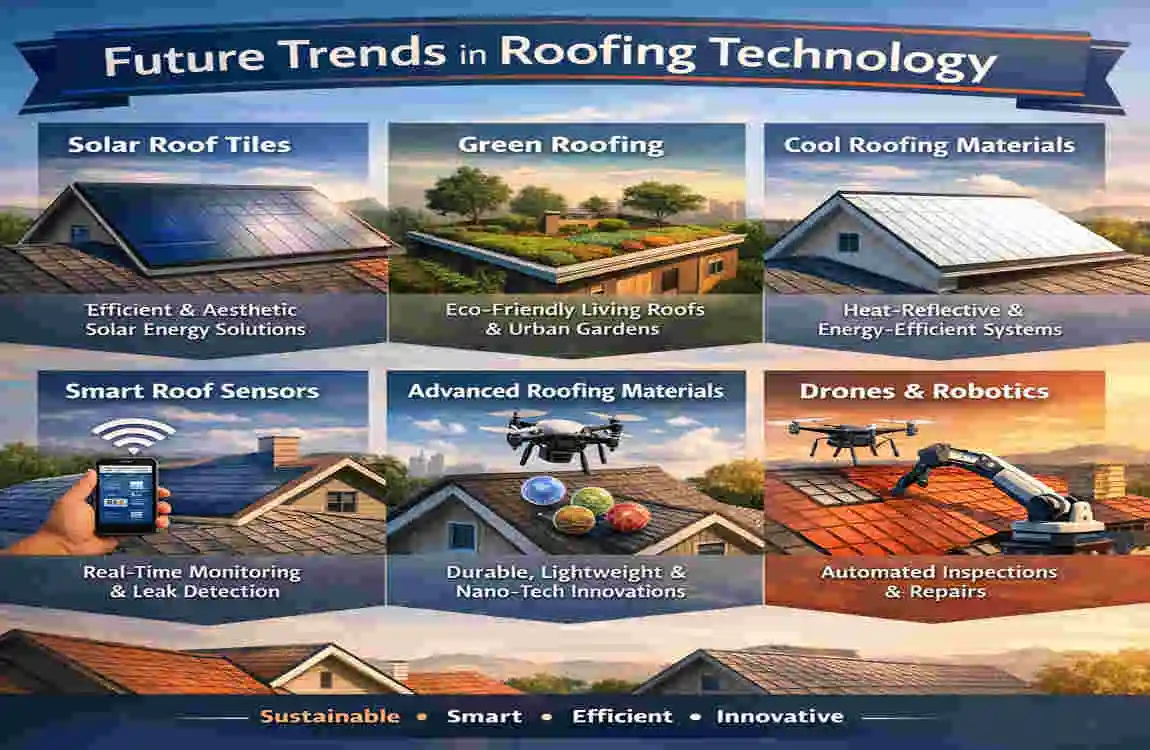
Smart Roofing Systems
The future of roofing includes intelligent systems that monitor roof condition in real-time. Smart roofing technologies use sensors and IoT (Internet of Things) connectivity to track factors like temperature, moisture, and structural stress, alerting homeowners to potential issues before they become serious problems.
These systems enable predictive maintenance, allowing homeowners to address minor issues before they develop into costly repairs. As IoT technology becomes more affordable, smart roofing is transitioning from a luxury feature to a standard offering.
Solar-Integrated Roofing
Solar technology is increasingly integrated directly into roofing materials, allowing homeowners to generate renewable energy without installing separate solar panels. Solar tiles and solar shingles blend seamlessly with traditional roofing aesthetics while providing energy generation capabilities.
Leading European manufacturers are investing heavily in solar-integrated solutions, recognizing that the combination of protection and energy generation appeals to environmentally conscious homeowners seeking to reduce energy costs and carbon footprint.
Self-Cleaning and Maintenance-Reducing Materials
Innovations in material science are producing roofing products with self-cleaning properties that resist algae and moss growth, reducing maintenance requirements. Some materials incorporate photocatalytic coatings that break down organic matter when exposed to sunlight.
These innovations reduce the need for manual cleaning and maintenance, extending roof lifespan and reducing homeowner burden. As these technologies mature and become more affordable, they’ll likely become standard features in Premium roofing products.
Advanced Weather Resistance
Climate change is driving innovation in weather-resistant roofing systems. Manufacturers are developing products that better withstand extreme weather events—intense storms, hail, high winds, and temperature fluctuations—that are becoming more common in many European regions.
These advanced systems incorporate improved fastening mechanisms, enhanced waterproofing, and materials engineered to handle extreme conditions. Choosing roofing with these advanced features provides better protection as climate patterns shift.
Frequently Asked Questions
What is the most durable roofing material in Europe?
Slate roofing offers the longest lifespan, often lasting 75 to 100 years or more. However, slate is expensive and requires specialized installation. For a more affordable option with excellent durability, metal roofing typically lasts 40 to 70 years and offers superior performance in harsh climates.
How do I know if a roofing manufacturer is reliable?
Look for manufacturers with established track records, relevant certifications (ISO 9001, CE marking), positive customer reviews, and strong warranties. Check whether they operate in your region and have networks of authorized installers. Consulting with local contractors provides valuable insights into manufacturer reliability.
What is the average lifespan of a roof?
Roof lifespan varies by material: asphalt shingles last 20-30 years, metal roofing 40-70 years, clay tiles 50+ years, and slate 75-100+ years. The actual lifespan depends on material quality, installation quality, maintenance, and local climate conditions.
| Factor | Considerations | Tips |
|---|---|---|
| Roofing Material | Durability, climate suitability, aesthetics | Match material to local weather and home style |
| Manufacturer Reputation | Certifications, customer reviews, market presence | Choose from trusted manufacturers with strong warranties |
| Budget vs. Longevity | Initial cost vs. lifespan and maintenance | Invest in quality for long-term savings |
| Sustainability | Eco-friendly materials, energy efficiency | Look for certified green roofing options |
| Installation | Professional expertise, warranty coverage | Hire certified installers to ensure proper fitting |
| Maintenance | Frequency and ease of upkeep | Prefer low-maintenance materials to reduce costs |