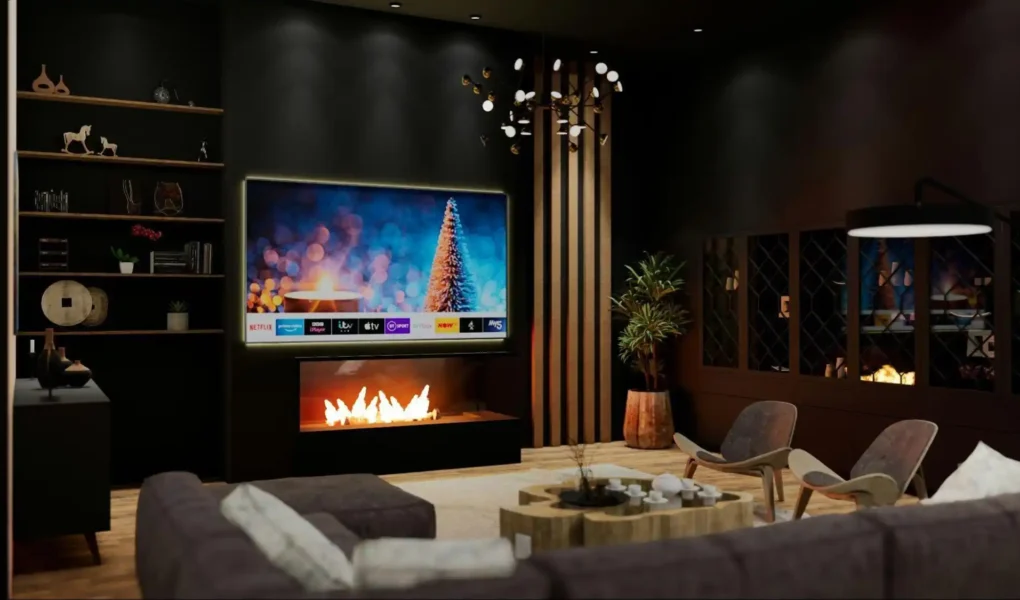
Modern homes are no longer defined by isolated systems operating independently. Instead, they are shaped by how well core functions, heating, cooling, plumbing, and ventilation, work together to create a seamless living environment. Integration has become a defining factor in both comfort and efficiency, allowing homeowners to move beyond reactive maintenance and toward a more coordinated, performance-driven approach to daily living.
As expectations evolve, the focus is shifting toward systems that communicate, adapt, and support one another. This interconnected approach reduces inefficiencies, minimizes disruptions, and creates a more stable indoor environment. Rather than managing separate components, homeowners benefit from a unified system that enhances both functionality and long-term reliability.
Coordinating Core Systems for Better Performance
At the heart of an integrated home is the coordination between essential systems. Heating, cooling, and plumbing are closely linked, even if they are often treated as separate elements. When these systems are aligned, they support consistent temperature control, balanced airflow, and efficient water use, all of which contribute to a more comfortable living space.
Misalignment, on the other hand, can create inefficiencies that affect overall performance. For example, poor airflow can place additional strain on heating systems, while plumbing issues may indirectly impact humidity levels. Integration ensures that each component supports the others, reducing unnecessary stress and improving the overall functionality of the home.
Enhancing Daily Comfort Through System Alignment
Comfort is not just about maintaining a specific temperature; it is about consistency and predictability. Integrated systems allow for more precise control over indoor conditions, ensuring that different areas of the home remain balanced throughout the day. This reduces fluctuations that can disrupt comfort and create uneven living conditions.
By aligning systems, homeowners can create environments that adapt to their routines. Whether it is maintaining a steady temperature during changing weather or ensuring consistent water pressure, integration supports a smoother daily experience. This level of control transforms the home into a space that responds intuitively to the needs of its occupants.
Reducing Energy Waste Through Efficiency
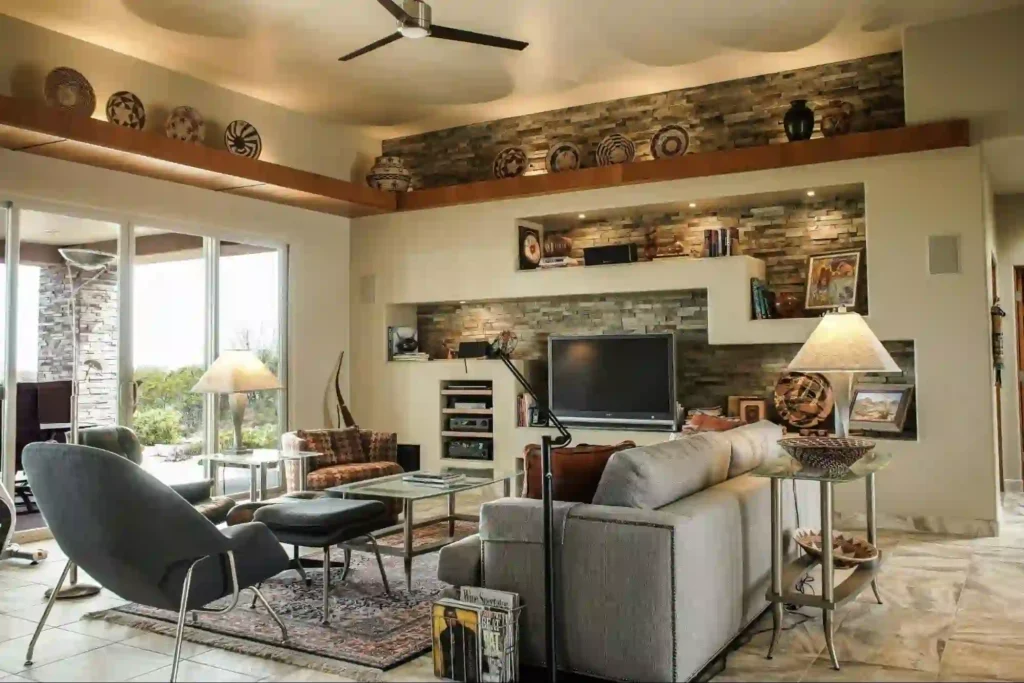
Efficiency is one of the most significant benefits of integrated home systems. When components operate independently, energy waste can occur through overlapping or conflicting functions. Integrated systems eliminate these inefficiencies by coordinating performance, ensuring that energy is used only where and when it is needed.
This approach not only reduces utility costs but also supports a more sustainable lifestyle. By optimizing how resources are used, homeowners can achieve better performance without increasing consumption. Over time, these improvements contribute to a more efficient and environmentally conscious home.
The Role of Professional Integration and Maintenance
Achieving true integration requires more than installing individual systems; it involves careful planning and ongoing maintenance. Proper installation ensures that systems are configured to work together from the start, while regular upkeep maintains their alignment over time. Without this attention, even well-designed systems can lose efficiency.
Working with specialists in HVAC & plumbing in Rigby, ID ensures that both heating and water systems operate as part of a cohesive whole. This approach supports consistent performance, reduces the likelihood of unexpected issues, and helps maintain the balance that integrated systems are designed to provide.
Improving Reliability and Long-Term Stability
Integrated systems contribute to greater reliability by reducing the number of points where issues can arise. When systems are aligned, they experience less strain and operate more predictably, which lowers the risk of breakdowns. This stability is especially important in homes where consistent performance is essential for daily comfort.
Over time, this reliability translates into fewer disruptions and lower maintenance costs. Homeowners can rely on their systems to perform as expected, creating a more stable living environment. This predictability is a key component of both comfort and efficiency, reinforcing the value of integration.
Creating a Future-Ready Home Environment
As technology continues to advance, integrated home systems are becoming increasingly adaptable. Smart controls, automated adjustments, and improved monitoring capabilities allow homeowners to manage their environments with greater precision. These innovations build on the foundation of integration, enhancing both performance and convenience.
A future-ready home is one that can adapt to changing needs without requiring constant upgrades. By investing in integrated systems, homeowners create a flexible environment that can evolve alongside new technologies. This approach ensures that the home remains efficient, comfortable, and aligned with modern expectations for years to come.