how much to add home plumbing to a garage
Garages Home Improvement Plumbing

How Much Does Adding Home Plumbing to a Garage Cost?

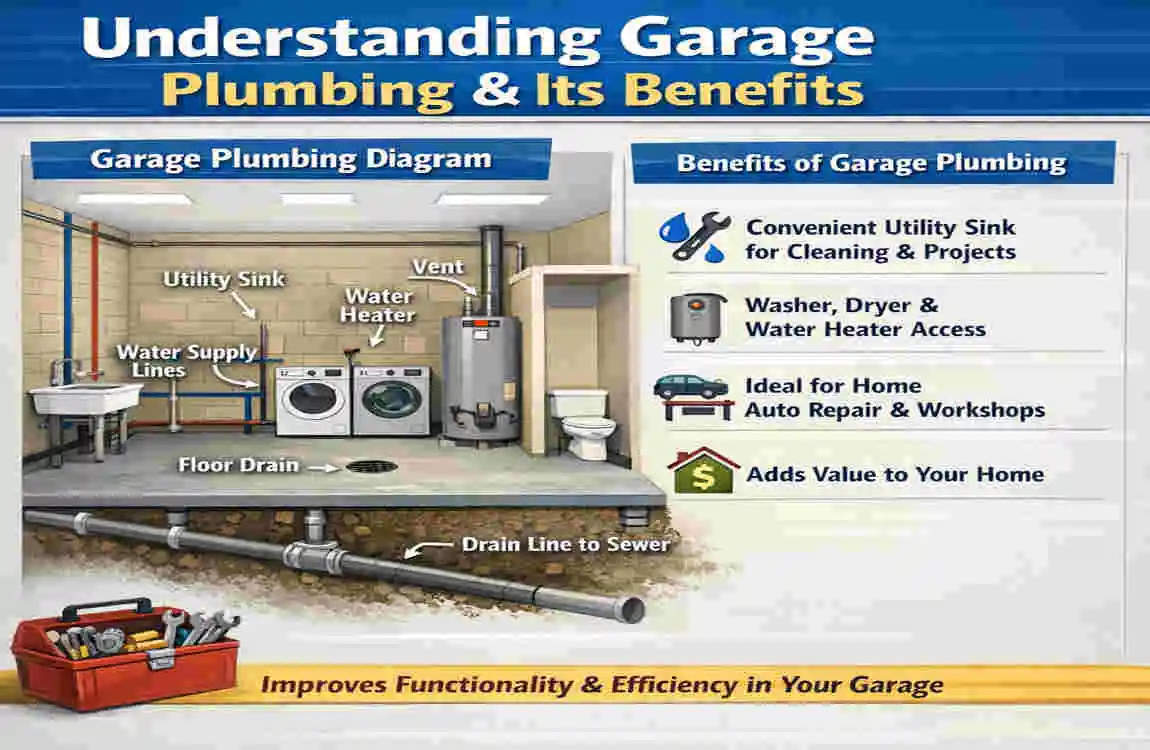
Turning a garage into a more useful space often starts with one important upgrade: plumbing. Once you add water supply and drainage, your garage can do much more than store boxes and park a car. It can serve as a laundry area, a workshop with a utility sink, a half bath for guests, or even a full bathroom in a converted living space.

That is why so many homeowners ask the same practical question: how much to add home plumbing to a garage?

If you are planning this kind of upgrade, it helps to understand the full picture before you start. In this guide, you will learn what garage plumbing usually costs, what drives the price up or down, how the installation process works, and when it makes sense to call a professional. You will also see smart ways to save money without cutting corners.

Item / Detail Typical Cost Range (USD) Notes
Running water & drain lines to garage $700 – $1,500 Basic rerouting of pipes from main house to garage; distance and trenching affect price.
Trenching (per linear foot) $5 – $12 per foot Digging for new pipes under driveway or yard adds to total if garage is detached.
Installing a garage sink $150 – $800 Fixture plus labor for hook‑ups and drain; depends on fixture quality and countertop work.
Adding a toilet or wet‑bar plumbing $250 – $2,000+ Toilet alone ≈ $250–$550; wet bar or shower pushes costs higher with extra valves and vents.

How Much Does It Cost to Add Plumbing to a Garage?
how much to add home plumbing to a garage

The total cost of garage plumbing installation projects can vary widely. A simple setup with a single sink may stay on the lower end, while a full bathroom with drains, vents, and hot water lines will cost much more.

Average Cost Range

For a basic project, homeowners often spend anywhere from a few thousand dollars to install a simple utility sink or run a basic water line. A larger project, such as adding a half bathroom or laundry area, usually costs more because it needs both supply and drainage. A full bathroom can become a much bigger investment because it requires more fixtures, more labor, and more code requirements.

Here is a general way to think about the range:

  • Utility sink only: lower cost
  • Laundry area: moderate cost
  • Half bathroom: higher cost
  • Full bathroom: highest cost

These numbers can vary depending on how far the garage is from the main plumbing system and whether it already has access to water and drainage lines.

Cost Per Fixture

The number and type of fixtures matter a lot. A small sink is much easier to install than a toilet or shower, and each fixture adds to both material and labor costs.

Fixture TypeTypical Cost RangeMain Cost Drivers

Sink Low to moderate Water line, drain connection, faucet, labor

Toilet Moderate Drain line, venting, code compliance

Shower Moderate to high Waterproofing, drain slope, mixing valve, labor

A garage sink installation cost is usually the easiest to manage because it requires fewer parts and less labor than a bathroom sink. A toilet is more complex because it must connect to a properly sized waste line. A shower tends to cost the most because it needs careful drainage, waterproofing, and enough space for installation.

Regional Price Variations

Where you live matters too. In large cities, labor rates are usually higher, and permitting can be more expensive. In rural areas, labor may cost less, but materials or travel charges can still add up if the plumber has to come from far away.

This means two homeowners can have the same garage plumbing project and still get very different quotes. That is why it is always smart to compare estimates from local professionals before you decide.

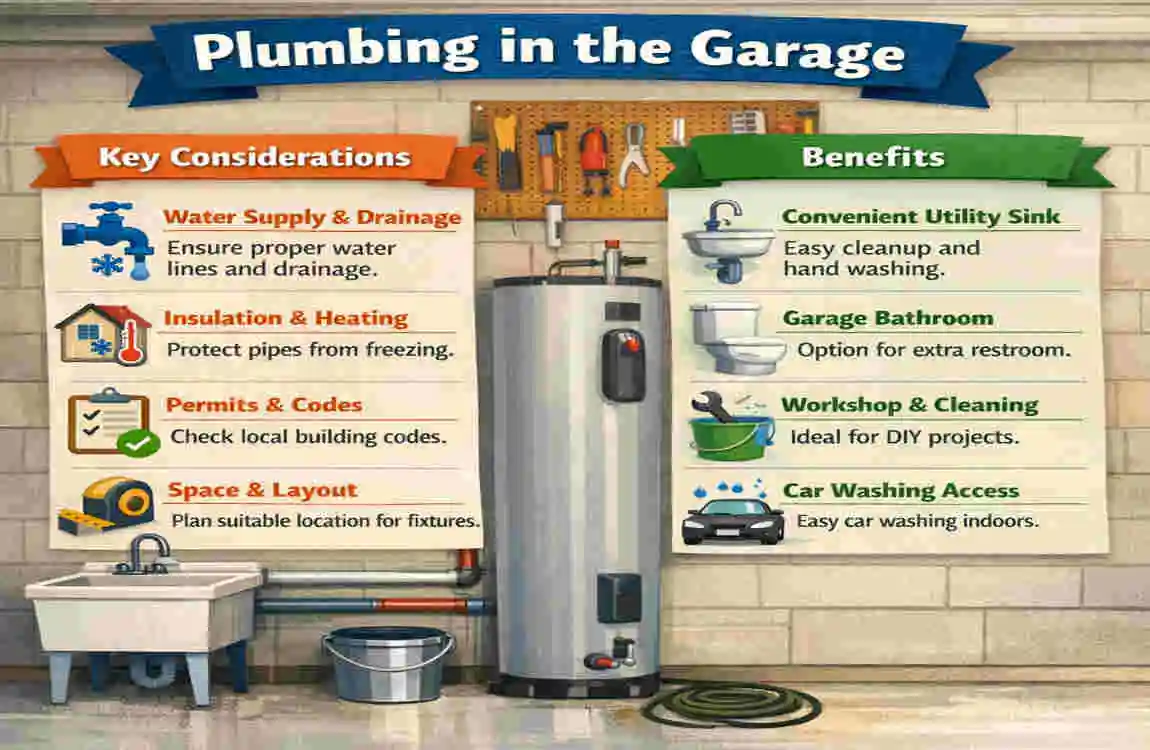
Key Factors That Affect Plumbing Costs

If you want a realistic idea of how much to add home plumbing to a garage, you need to understand what changes the price. Some garages are easy to plumb. Others require extensive digging, rerouting, and code work.

Distance from Existing Plumbing Lines

This is one of the biggest cost factors.

If your garage sits close to the house and near existing water and drain lines, the job is much simpler. The plumber can tap into the current system with less pipe, less labor, and less digging. That usually keeps the price lower.

If the garage is far from the house, the plumber may need to run long lines underground. That means more trenching, more pipe, more fittings, and more labor. In some cases, the job may also require extra equipment to cut through concrete or move around landscaping.

In simple terms, the closer, the cheaper. Farther away usually means more time and more money.

Type of Plumbing Setup

The kind of plumbing you want makes a big difference too.

A garage with cold water only is easier and cheaper to install than one with both hot and cold water. If you want a sink for cleaning tools, cold water may be enough. But if you plan to wash clothes or use the space as a bathroom, hot water will likely be necessary.

Drainage also matters. A plumbing project is not just about getting water into the garage. It also has to safely move wastewater out. That means the installer may need to add drain lines, properly slope the pipes, and connect everything to the sewer or septic system.

Some projects also need venting, which helps air move through the pipes and keeps drains working correctly. Without it, you can get gurgling sounds, slow drainage, or sewer smells.

Garage Type and Structure

The garage’s structure can make the job either easier or much harder.

An attached garage is often easier to plumb because it shares walls or is close to the main house. That usually reduces the distance to existing plumbing.

A detached garage may cost more because the lines have to travel farther underground. The job can also involve more excavation.

The type of foundation matters too. A garage built on a concrete slab can be more difficult to work with, as pipes may need to run under or through it. That often means cutting concrete, which adds labor and cleanup costs.

A garage with a crawl space may be easier in some cases because plumbers can run lines below the floor without breaking concrete. Still, every property is different, and the layout can significantly affect the total bill.

Permits and Local Codes

Plumbing work usually requires permits, especially when you add a bathroom, connect to the drainage system, or change the home’s structure. Permit fees may seem small at first, but they are part of the real project cost.

More importantly, your work must meet local building codes. Those rules exist for safety, sanitation, and proper water flow. If the work does not meet code, you may have trouble during inspection or when you try to sell the home later.

Permit and inspection costs vary by area. Some places have modest fees, while others have stricter rules and higher compliance costs. Either way, it is better to budget for them early.

Labor and Material Costs

Labor usually accounts for a large share of the final price. Skilled plumbers charge for their experience, and complex garage plumbing needs that expertise. If the job requires cutting concrete, rerouting existing lines, or adding new vent stacks, labor costs will rise.

Materials also affect the total. Different pipe types come with different price levels:

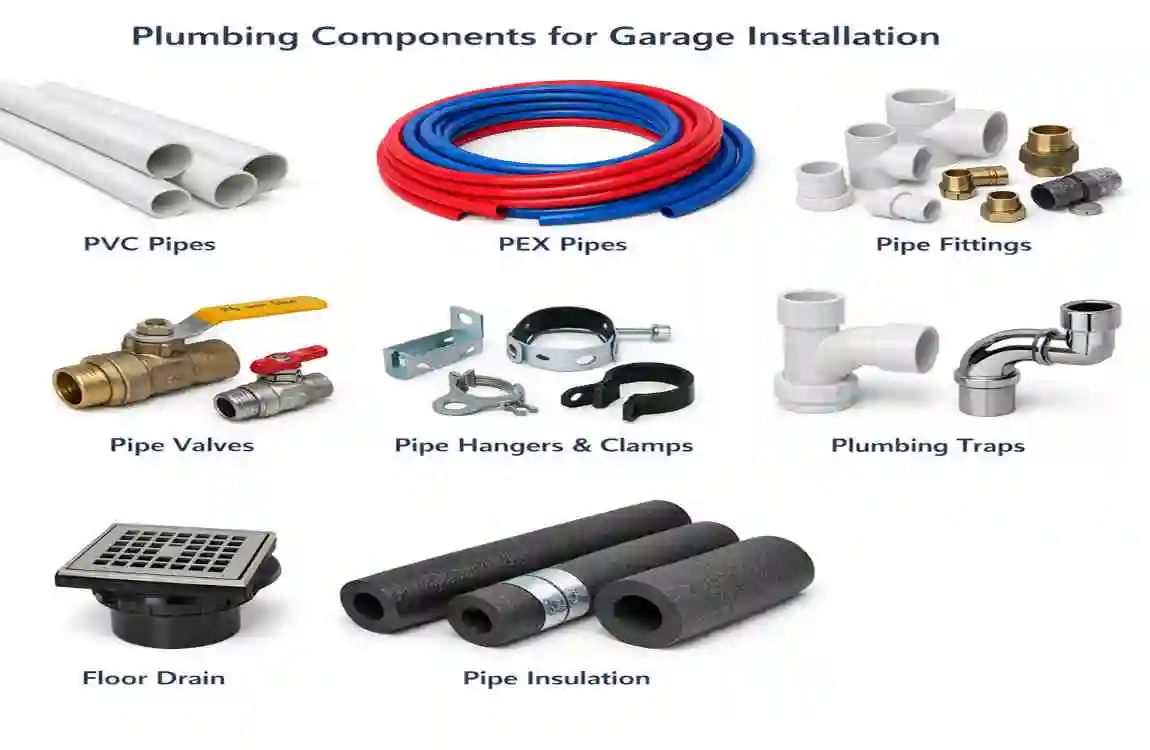
  • PEX: flexible, often budget-friendly, and common for water lines
  • PVC: often used for drains and waste lines
  • Copper: durable, but more expensive

Cheaper materials are not always the wrong choice, but they should fit the job and local code. A good plumber will help you choose what makes sense for your setup and budget.

Cost Breakdown by Project Type

The cost of plumbing extension cost projects depends heavily on what you want to build in the garage. A sink, a laundry area, a half bath, and a full bath are all very different jobs.

Adding a Utility Sink

A utility sink is one of the most practical garage upgrades. It is useful for washing hands, rinsing paintbrushes, cleaning tools, and handling messy tasks after outdoor projects.

This type of project is usually the least complicated. If the garage is close to existing plumbing, the plumber may only need to run a water line and a drain line, and install the sink. If the sink is wall-mounted or placed near an existing utility wall, the work may be even easier.

A utility sink is a good option if you want a functional upgrade without a major renovation. It adds convenience without requiring a full bathroom setup.

Installing a Laundry Area

Adding a laundry area is more involved than a simple sink because it usually needs both hot and cold water, plus a proper drain for the washing machine. You may also need a drain pan, shutoff valves, and enough space for a washer setup.

The cost can rise if the laundry area is far from the main water supply or if the garage floor needs to be modified for drainage. Some homeowners also choose to include a utility sink nearby, which adds value and convenience.

A garage laundry setup is often worth it if your home has limited indoor space. It can help free up room inside the main house and make laundry chores easier.

Adding a Half Bathroom

A half bathroom usually includes a toilet and a sink. This is a popular choice for garages used as workshops, guest spaces, or hobby areas.

The cost is higher than a sink or laundry area because a toilet requires a properly sized waste line and a good drainage setup. Venting is also important. If the garage does not already have nearby plumbing, the price can climb quickly.

Still, a half bathroom can be a very useful addition. It can make a garage much more comfortable to use, especially if the garage doubles as a living or work area.

Adding a Full Bathroom

A full bathroom includes a toilet, sink, and shower. This is the most expensive option because it needs the most plumbing, the most materials, and the most careful installation.

A shower adds more complexity because it requires:

  • a drain with proper slope
  • waterproofing
  • hot and cold water supply
  • a mixing valve
  • careful finishing work

In many cases, a full bathroom makes sense only if the garage is being converted into a larger living space, a guest suite, or a rental unit. If that is your goal, the investment may be worth it because it turns the garage into a more complete and usable part of the home.

Step-by-Step Process to Add Plumbing to a Garage

how much to add home plumbing to a garage

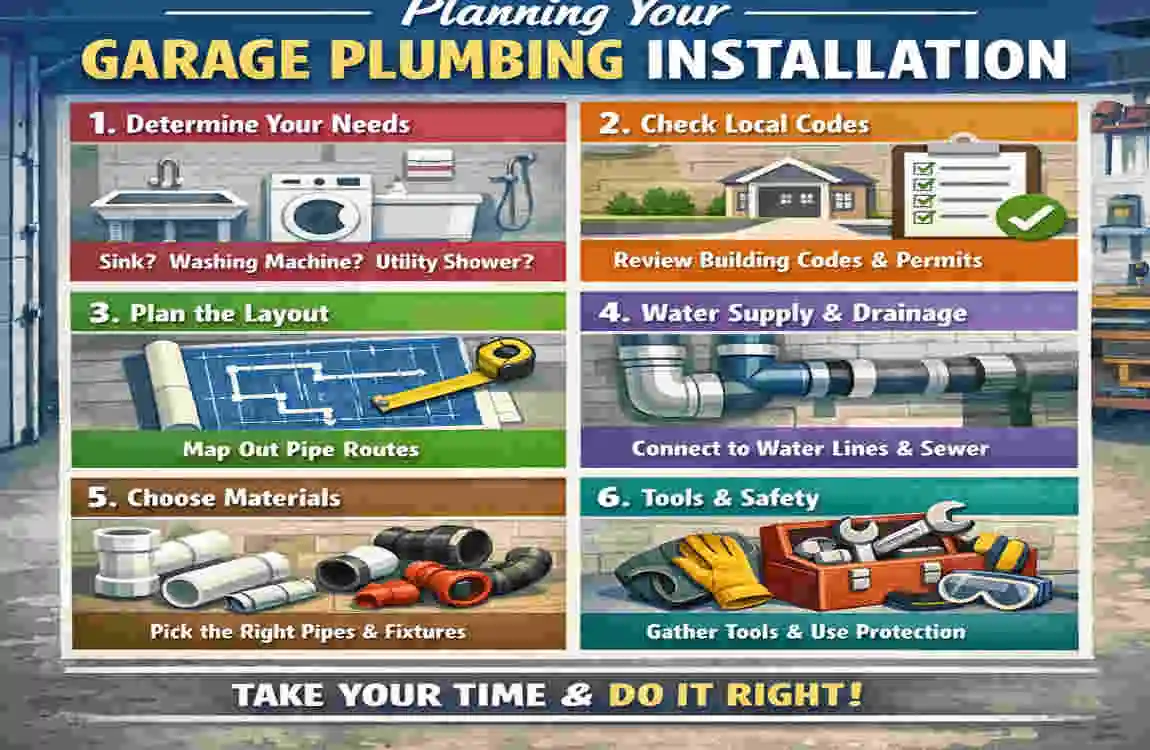
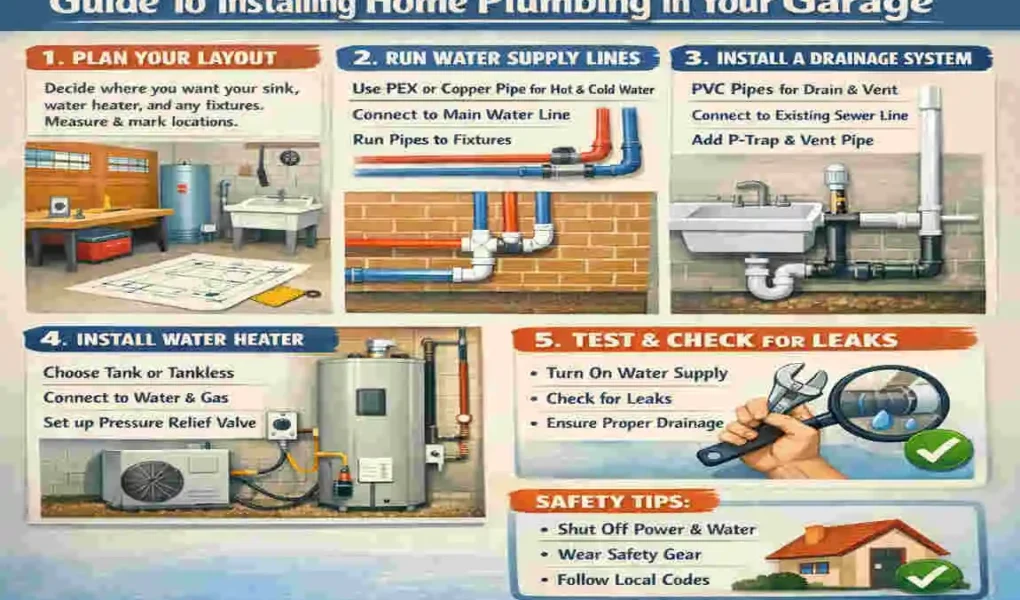
If you are wondering what the project actually looks like, understanding the full process helps. Adding plumbing to a garage is not just about connecting a few pipes. It is a careful job that needs planning, code checks, and inspection.

Planning and Design

The first step is figuring out exactly what you need.

Ask yourself a few basic questions:

  • Do you want just a sink, or do you need a full bathroom?
  • Will the garage also hold laundry equipment?
  • Do you need hot water, or will cold water be enough?
  • How often will the space be used?

The answers will shape the plumbing design. A small utility sink has a much simpler plan than a full bath with a shower. At this stage, you also need to think about fixture placement. The closer the fixtures are to existing lines, the easier the project will usually be.

Good planning saves money later. It also helps prevent mistakes that can become expensive once the walls or floors are opened up.

Check Local Building Codes

Before any work starts, the next step is checking local building rules.

Plumbing codes are not just paperwork. They control how drains are sized, how vents are installed, where fixtures can be placed, and which materials are allowed. These rules are there to keep the system safe and working properly.

You may also need permits before you start. In many places, adding plumbing to a garage counts as a significant home improvement. That means an inspector may need to review the work at one or more stages.

If you skip this step, you risk delays, fines, or having to tear out finished work later. That is why it is worth doing the paperwork early.

Connect to Existing Water Supply

Once the design and permits are in place, the plumber can connect the new garage plumbing to the home’s existing water supply.

This may involve tapping into a main line and running new pipes to the garage. The installer will also place shutoff valves so the new system can be controlled separately if needed.

If you want both hot and cold water, the plumber may need to extend the hot water line from the water heater or install a new one if the old system cannot support the added load.

This step can be simple or difficult, depending on the distance, access, and layout of your house. In an attached garage, it may be fairly direct. In a detached garage, the plumbing route can be much longer.

install Drainage System

Water supply is only half the job. The drainage system is just as important.

Every sink, toilet, shower, or washer must send wastewater to a safe location. That usually means connecting to the sewer line or septic system. The installer must ensure the drain pipes slope correctly so gravity can carry the wastewater away.

This part of the job can get tricky if the garage floor is concrete or if the existing drain line is too far away. In some cases, the plumber may need to cut into the slab or dig a trench outside the garage.

Good drainage is critical. If it is done poorly, you can end up with backups, bad smells, or slow drains. That is why this part of the project often accounts for a large share of the total garage plumbing cost.

Add Venting System

Venting is one of those plumbing parts people often don’t think about, but it matters a lot.

A vent helps air move through the plumbing system. Without proper venting, water may not drain smoothly, and sewer gases may not stay where they belong. You could also hear gurgling or notice odors.

For a simple sink, venting may be easy to add. For a bathroom, the venting requirements are more complex. Toilets and showers usually require more careful planning to ensure airflow and drainage work properly.

This step may not be visible once the project is finished, but it plays a big role in how well the plumbing performs over time.

install Fixtures

After the water lines, drains, and vents are in place, the fixtures can be installed.

This may include:

  • a utility sink
  • a washing machine hookup
  • a toilet
  • a shower base or stall
  • faucets and shutoff valves

At this stage, the installer also makes sure everything fits well in the space. The garage may need cabinets, wall framing, or waterproof surfaces depending on the project.

Fixture installation seems simple on the surface, but each fixture must be connected correctly and sealed properly. A small leak can become a bigger issue later if it goes unnoticed.

Testing and Inspection

The last step is testing the system.

The plumber will check for leaks, confirm that drains flow properly, and make sure the fixtures work as expected. If your area requires an inspection, this is when an official review may happen.

This final check is important. It gives you peace of mind that the system is safe, legal, and ready for daily use. It also protects your investment by catching problems before the walls are closed up or the space is fully finished.

DIY vs. Hiring a Professional

Some parts of garage plumbing are manageable for a handy homeowner. Other parts are best left to a licensed plumber.

What You Can Do Yourself

If you have experience with home projects, you may be able to help with planning, measuring, cleanup, and some basic fixture installation. You might also handle small tasks, such as choosing sink hardware or preparing the garage space, before the plumber arrives.

A homeowner with solid skills may be able to do simple parts of a project, especially if the work is limited and local rules allow it. But even then, it is smart to be careful. Plumbing mistakes can become expensive fast.

When to Hire a Plumber

A licensed plumber is the better choice when the job involves:

  • cutting concrete slabs
  • adding drains or venting
  • connecting to sewer or septic lines
  • installing toilets or showers
  • meeting local code requirements

These are not just convenience issues. They are safety and compliance issues. A plumber understands the rules, has the right tools, and knows how to avoid costly errors.

Cost Comparison

DIY work can lower labor costs, but it also carries risks. Professional work costs more upfront, but it usually gives you better results, faster completion, and fewer future problems.

A simple way to compare it:

  • DIY: lower upfront cost, higher risk if mistakes happen
  • Professional: higher upfront cost, better reliability and code compliance

For small jobs, a DIY approach may make sense. For anything involving a bathroom, drainage, or structural changes, hiring a pro is usually the safer choice.

Tips to Save Money on Garage Plumbing

You do not have to overspend to get a useful garage plumbing setup. A few smart choices can lower your plumbing installation garage budget without hurting the final result.

Practical Ways to Cut Costs

  • Place fixtures near existing plumbing lines. Shorter runs usually mean less labor and fewer materials.
  • Choose cost-effective materials. Ask your plumber about options like PEX and PVC when they are appropriate.
  • Keep the layout simple. The more fixtures you add, the higher the cost goes.
  • Get multiple quotes. Prices can vary, so comparing estimates can save a lot of money.
  • Plan for future upgrades. If you may add more later, design the system so it can grow without major rework.

Saving money is important, but the goal is not to cut so much that the system becomes weak or hard to use. A well-planned project often pays off over time.

Common Challenges and How to Overcome Them

Garage plumbing projects can be rewarding, but they also come with real challenges. Knowing them in advance helps you avoid surprises.

Breaking Through Concrete Slabs

One of the biggest headaches is working through a slab foundation. Concrete makes pipe routing harder and more expensive. It may need to be cut, removed, or carefully drilled through.

The best way to handle this is to plan the pipe route early and ask whether there is any way to avoid major slab work. Sometimes a different fixture placement can save a lot of money.

Drainage Slope Issues

Drain pipes need the right slope. If the slope is too flat, water will not move properly. If it is too steep, solids may not flow properly.

This is one reason plumbing should be done carefully by someone who knows the code. The correct slope helps the system stay reliable for years.

Venting Complications

Venting problems can cause slow drains, gurgling, and odor issues. These are often harder to fix after the project is finished, so it is better to handle venting correctly from the start.

A professional plumber can design the vent path to fit your garage layout and local code requirements.

Budget Overruns

Many homeowners begin with one idea and then discover extra costs along the way. A small sink project may turn into a larger job once the plumber sees how far the lines must run or what it takes to reach the drain system.

To avoid this, get a clear written estimate before work starts. Ask what is included, what is not included, and what could change the price.

Is Adding Plumbing to a Garage Worth It?

how much to add home plumbing to a garage

For many homeowners, the answer is yes.

Adding plumbing to a garage can make the space far more useful. A simple sink can support cleaning, hobbies, and projects. A laundry setup can free up room inside the house. A bathroom can turn the garage into a more complete living or work area.

There is also the value side. While not every plumbing project brings a dollar-for-dollar return, a well-done upgrade can make the home more attractive to future buyers. That is especially true if the garage is part of a larger renovation or conversion.

The real question is whether the project fits your lifestyle and budget. If you use the garage often, want more convenience, or plan to turn it into a usable living space, the upgrade may be worth the cost. If the garage is only for storage, a full plumbing system may be more than you need.

FAQs

Q: How much to add home plumbing to a garage?

The cost can range from a few thousand dollars for a simple sink setup to much more for a full bathroom or laundry area. The final price depends on distance to existing lines, fixture type, labor, permits, and the garage structure.

Q: Can I add plumbing to a detached garage?

Yes, you can. It is possible, but it is usually more expensive than plumbing an attached garage because the water and drain lines must travel farther. A detached garage may also require additional excavation and careful code compliance.

Q: Do I need a permit to add plumbing to my garage?

In most cases, yes. If you are adding new water lines, drainage, fixtures, or a bathroom, local authorities usually require permits and inspections. Always check your local building rules before starting.

Q: How long does it take to install garage plumbing?

The timeline depends on the project size. A simple sink may take only a short time, while a full bathroom can take much longer because of permits, rough-in work, inspections, and finishing. Complex projects may span several days or longer.

Q: What is the cheapest way to add plumbing to a garage?

The cheapest option is usually a simple utility sink placed close to existing plumbing lines. Keeping the layout simple, avoiding major slab cutting, and using cost-effective materials can also help lower the total cost.

You may also like...

Leave a Reply

Your email address will not be published. Required fields are marked *