can home plumbing vents terminate horizontally
Plumbing

Can Home Plumbing Vents Terminate Horizontally? Key Facts Explained

Imagine this: You’re dealing with a stubborn drain in your home, or maybe you’re noticing weird smells wafting through the air. Could it be related to your plumbing vents? These unsung heroes of your home’s plumbing system play a huge role in keeping everything flowing smoothly.

Plumbing vents are like the lungs of your home’s drainage setup. They let air in and out, preventing backups and keeping harmful gases at bay. Without them, your sinks, toilets, and showers wouldn’t work right. But here’s the big question that brings you here: Can home plumbing vents terminate horizontally?

Think about your own setup—have you ever wondered if that vent pipe sticking out sideways is okay? Let’s find out together.

What Are Home Plumbing Vents?

can home plumbing vents terminate horizontally

Let’s start with the basics. What exactly are these plumbing vents we’re talking about?

Home plumbing vents are pipes that connect your drains to the outside world. They allow fresh air to enter the system, which helps wastewater flow down without creating a vacuum. At the same time, they release sewer gases safely away from your living spaces.

Picture your plumbing like a straw in a drink. If you cover the top, nothing comes out. Vents act like that open end, letting air in so everything drains properly. They also prevent nasty odors from building up inside your home.

Now, where do these vents end? Most folks picture them poking up through the roof—that’s the classic vertical setup. But horizontal terminations? That’s where things get interesting. We’ll circle back to that soon.

Why does the end point matter? A poorly placed vent can lead to blockages, bad smells, or even health risks from sewer gases. You don’t want that in your modern home, right? So, understanding vents keeps your plumbing safe and efficient.

Understanding Plumbing Vent Termination Options
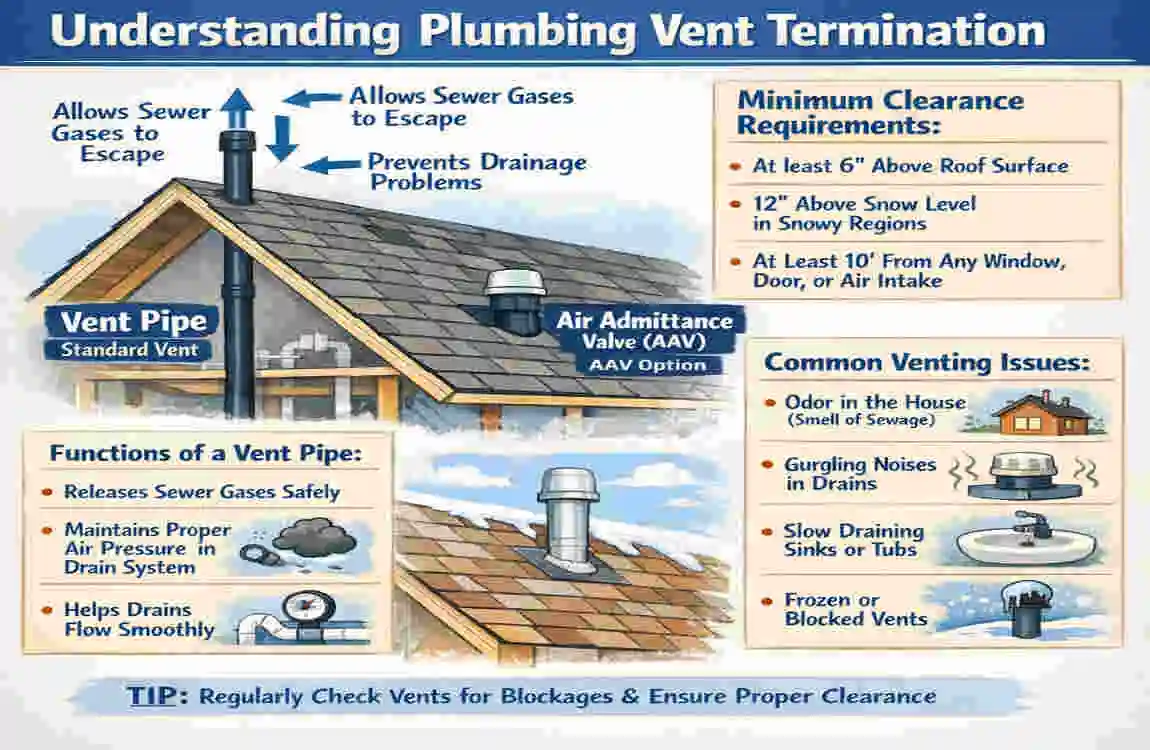
Vent termination is just a fancy way of saying “where the vent pipe ends.” It’s crucial because it affects how well air moves and gases escape.

First up, vertical vent terminations. These are the most common. The plumbing pipe runs straight up through your roof, like a chimney for your drains. This setup uses gravity and wind to pull gases out effectively.

Horizontal vent terminations, on the other hand, end on the side of your house or building. They might poke out through a wall instead of the roof. You see this more in particular remodels or tight spaces where going vertical isn’t easy.

But hold on—don’t assume horizontal is always an option. Many people think it’s a simple swap, but that’s a misconception. Horizontal vents can trap moisture or debris more easily, leading to clogs. Have you spotted one on a neighbor’s house? It might look convenient, but it could hide problems.

Let’s break it down further. Vertical options are reliable in most luxury home because they rise above everything, avoiding blockages from snow or leaves. Horizontal ones? They’re trickier and often need special approvals.

Building Codes and Plumbing Standards for Vent Termination

can home plumbing vents terminate horizontally

Codes might sound boring, but they’re your best friend for safe plumbing. They ensure your system doesn’t turn into a headache—or worse, a hazard.

Key codes include the Uniform Plumbing Code (UPC) and the International Plumbing Code (IPC). Local rules vary by state or city, so always check yours. These standards dictate where vents can end to keep things safe.

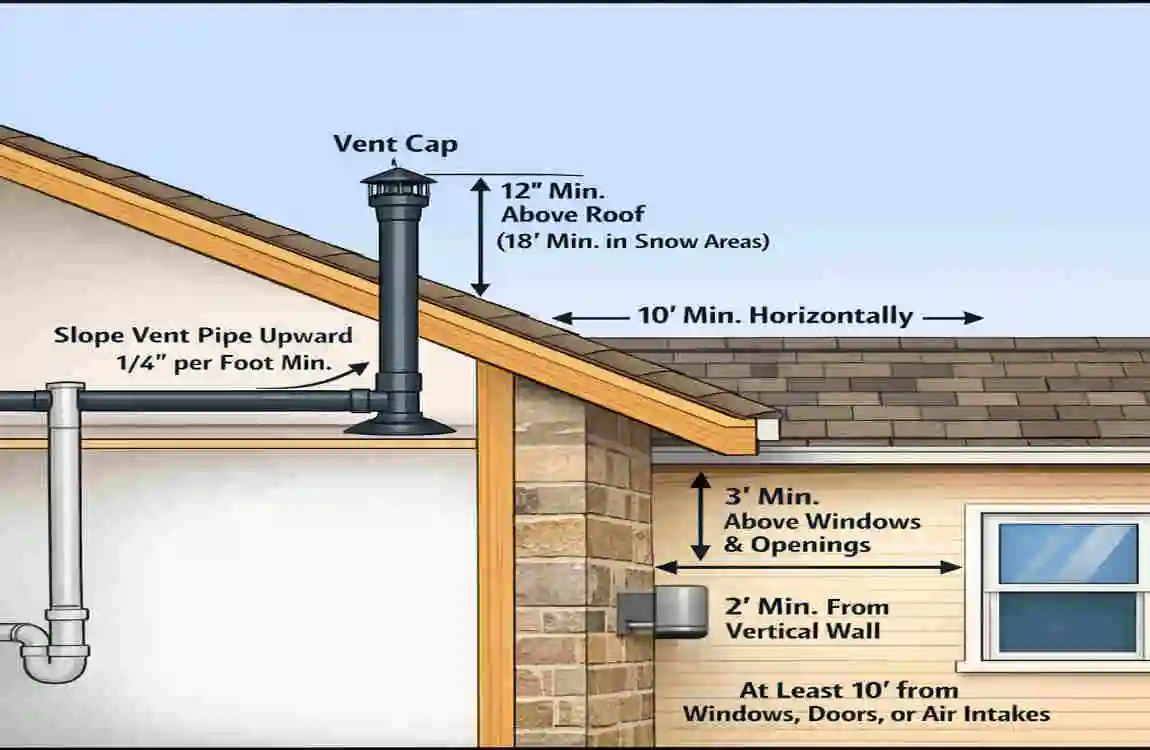
What do they say about directions? Most codes prefer vertical terminations because they vent gases high up, away from people and windows. Horizontal? It’s not outright banned, but it’s restricted. For example, vents can’t terminate horizontally if they’re too close to openings like doors or vents.

Compliance is critical—ignore it, and you risk fines, failed inspections, or plumbing failures. Imagine selling your home and discovering a code violation. Not fun!

To make this more straightforward, here’s a table summarizing key code excerpts related to vent terminations (based on standard UPC/IPC guidelines; always verify locally):

Code Reference Key Requirement Allowance for Horizontal Termination

UPC Section 906 Vents must terminate at least 6 inches above the roof or flood level. Prohibited unless in approved wall terminations with protective screens.

IPC Section 904 Termination must be vertical and at least 10 feet from operable windows. Allowed in specific cases, like side-wall venting, but must slope upward and include bird screens.

Local Variations (e.g., California) Vents can’t end horizontally below 7 feet from ground. Possible for attics or crawl spaces if ventilated properly, but vertical is preferred.

General Safety Rule No termination in areas prone to blockage or odor entry. Horizontal only if it doesn’t compromise airflow or safety.

See how these rules protect you? They prevent gases from sneaking back in. If you’re planning a project, pull out your local code book—it’s worth it.

Can Home Plumbing Vents Terminate Horizontally?
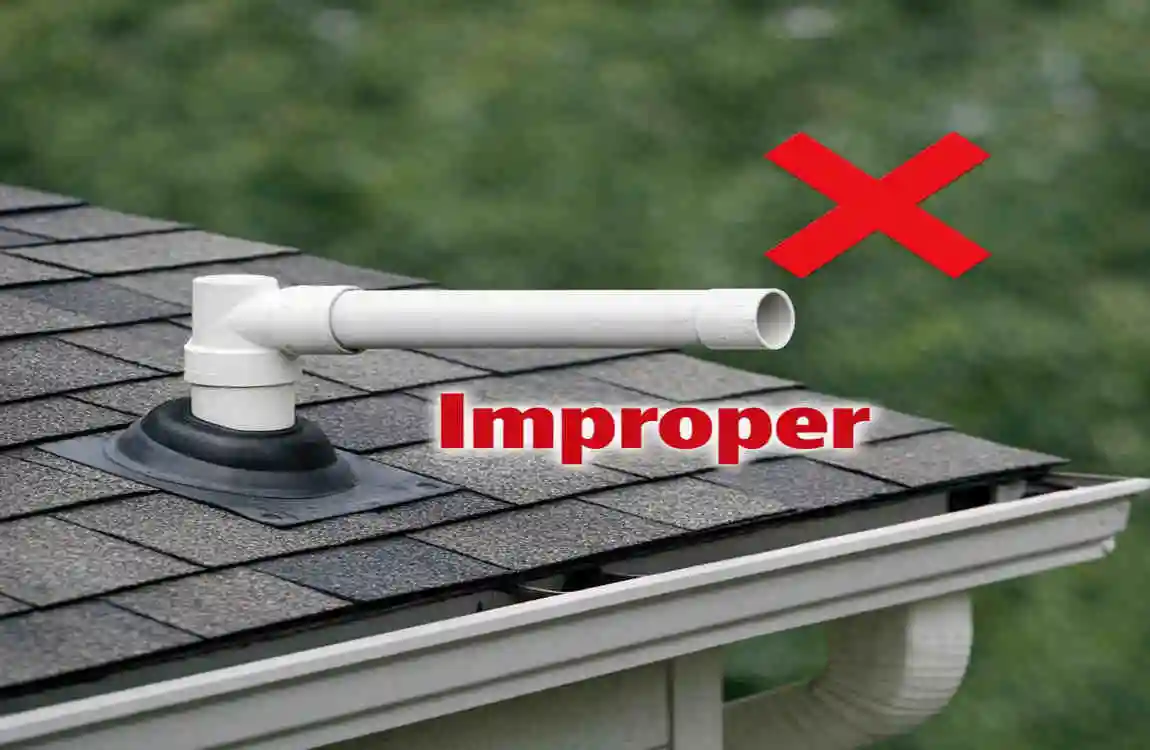
Alright, let’s tackle the main question head-on: Can home plumbing vents terminate horizontally?

The short answer? It depends. In many cases, no—codes prohibit it for standard homes. But under specific conditions, yes, it might be allowed. For instance, if your home has a flat roof or space constraints, a horizontal setup could work with proper design.

Technically, horizontal termination needs to ensure good airflow. Gases must escape without backflow. Safety-wise, it can’t be too low or near intakes, or you risk pulling odors inside.

Consider how it affects your system. Horizontal vents might not vent as efficiently because wind can push gases back. In residential homes, vertical is king for reliability. Commercial spots? They sometimes use horizontal for large systems, but with extra safeguards.

What’s the difference between home and business? Residences follow stricter rules to protect families. Commercial properties might get leeway for engineering reasons. So, if you’re asking for your house, think vertical first.

Have you checked your own vents? If they’re horizontal and causing plumbing issues, it might not be code-approved. Let’s explore the pros and cons following to help you decide.

Pros and Cons of Horizontal Plumbing Vent Termination

Horizontal venting isn’t all bad—it has its upsides in the right spots. But it comes with drawbacks too. Let’s weigh them out.

First, the advantages. Horizontal terminations can save space in homes with tricky roofs, like those in historic buildings or additions. They’re easier to Install in retrofits, avoiding roof penetrations that could lead to leaks.

They might also blend better aesthetically—no pipe sticking up like a sore thumb. In tight urban areas, this setup keeps things discreet.

But now, the challenges. Horizontal vents are prone to blockages pipes from leaves, birds, or ice. This can trap gases, leading to odors or slow drains.

Inefficient venting is another issue. Without the height of vertical stacks, airflow suffers, potentially causing backups. And safety? If not done right, you could inhale harmful gases.

Impact on your home? Poor performance means more repairs and risks like mold from trapped moisture. Improper setups even void warranties or insurance.

To sum it up, here’s a quick bullet list of pros and cons:

  • Pros:
    • Space-saving for constrained areas.
    • Easier retrofitting without roof work.
    • Better looks in some designs.
  • Cons:
    • Higher risk of clogs and blockages.
    • Less effective gas release, leading to odors.
    • Potential code violations and safety hazards.

See? It’s a trade-off. If horizontal fits your needs, consult a pro—but vertical often wins for long-term peace of mind.

Alternatives to Horizontal Vent Termination

can home plumbing vents terminate horizontally

Don’t worry if horizontal isn’t an option—there are solid backups. Vertical venting remains the gold standard. It rises high, using natural forces to clear gases efficiently. Why preferred? It’s reliable, code-friendly, and low-maintenance.

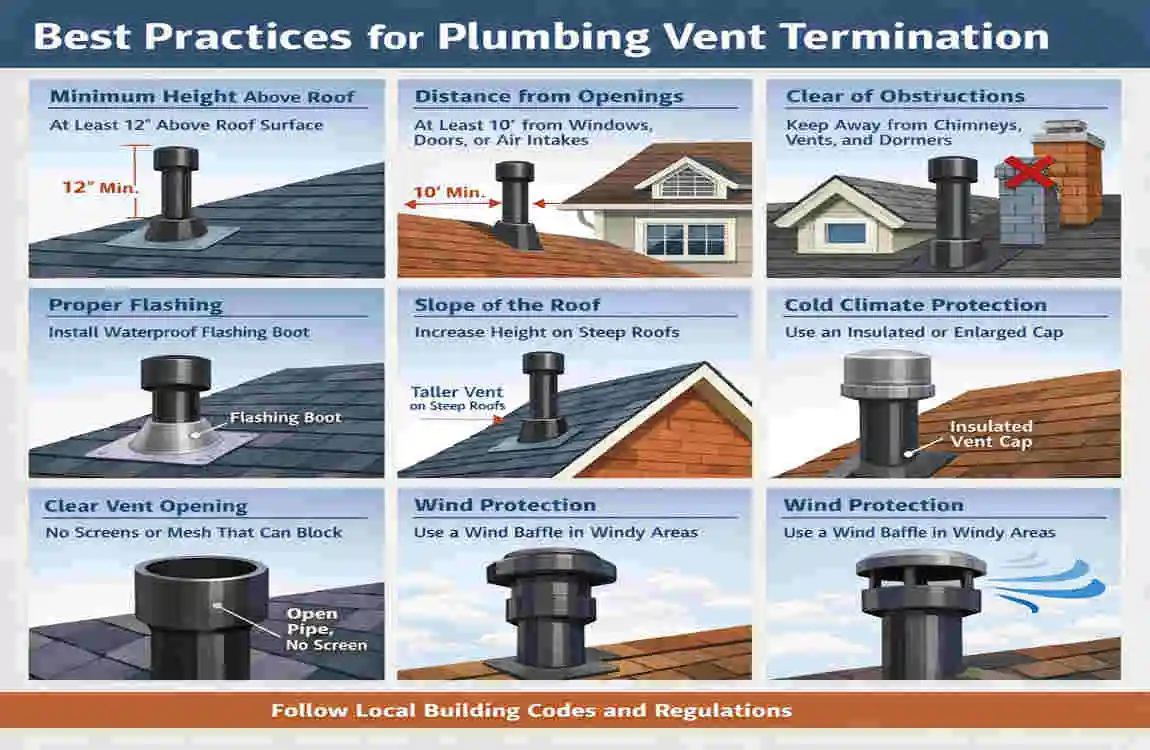
For example, extend your vent stack through the house roof with proper flashing to prevent leaks. This keeps everything flowing and safe.

Another smart alternative? Air admittance valves (AAVs). These one-way valves let air in but keep gases out. They’re great for islands or additions where running a full vent is tough. Install one under a sink, and it mimics a traditional vent without pipes everywhere.

You can even combine methods. Use vertical for central lines and horizontal branches with AAVs for support. This hybrid approach maximizes efficiency.

Here’s a bullet list of top alternatives to consider:

  • Vertical Roof Stacks: Classic and effective for most homes.
  • Air Admittance Valves (AAVs): Compact, no-pipe solutions for tight spots.
  • Re-Entrant Vents: Loop back into the system safely.
  • Side-Wall Vents with Extensions: If horizontal is needed, extend upward to meet code.

Which one suits your stylish home? Think about your layout and chat with a plumber to pick the best.

How to Properly Install Plumbing Vents and Ensure Safe Termination

Ready to get hands-on? Installing vents right is key to avoiding headaches. Let’s walk through it step by step.

Start with planning. Measure your drains and decide on vertical or approved horizontal paths. Ensure the pipe size matches—usually 2 inches or more for central vents.

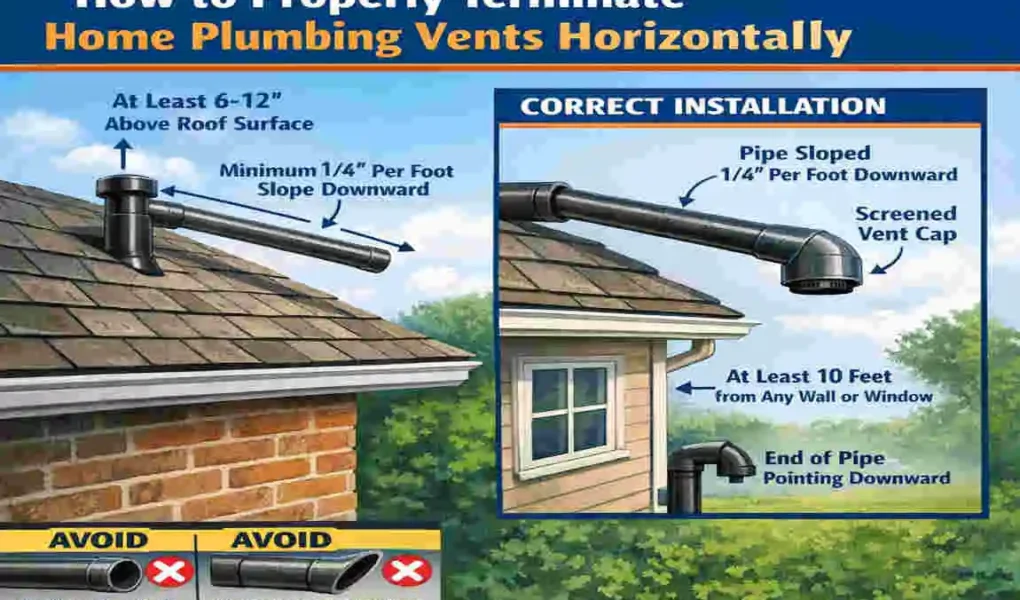
Next, cut and connect pipes. Slope them slightly upward to prevent water traps. For termination, if vertical, extend at least 6 inches above the roof.

Height matters—keep it away from chimneys or vents. Distance from windows? At least 10 feet to avoid gas entry.

During installation, use secure fittings and seal joints. Test for pipes leaks with a smoke test or water.

Inspection time! Check for code compliance: no sags, proper supports, and precise terminations.

When should you call a pro? If you’re not comfy with tools or codes, always. They spot issues you might miss.

Follow these steps, and your vents will work like a charm. Have you installed one before? Share in the comments!

Troubleshooting Vent Termination Issues

Uh-oh, something’s wrong with your plumbing? Improper vent termination could be the culprit. Let’s spot and fix it.

Common signs? Slow drainage means air isn’t entering right. Sewer odors? Gases aren’t escaping properly. Gurgling noises in pipes? That’s a vacuum issue.

Diagnose by checking the termination point. Is it blocked? Use a flashlight to inspect for debris.

For horizontal setups, look for ice buildup in winter or animal nests. Test drainage by running water and listening.

Solutions? Clear blockages with a snake or call a plumber. If horizontal is the problem, switch to vertical or add an AAV.

Correct it early to avoid backups or health risks. You’re proactive—great job checking this out!

Case Studies or Examples

can home plumbing vents terminate horizontally

Real stories bring this home. Take Sarah’s Victorian house in Chicago. She had a horizontal vent on the side wall from a bad remodel. Result? Constant odors and slow drains. After inspection, pros switched to vertical—problem solved, and her home passed code.

In contrast, Mike’s commercial warehouse used approved horizontal vents with screens. It worked fine for years, thanks to regular maintenance. But when birds nested, backups hit. Lesson? Even allowed setups need checks.

Another example: A Florida condo with flat roofs tried horizontal terminations. Flooding issues arose during rains. Switching to AAVs fixed it without roof work.

What can you learn? Always verify codes first. Improper installs cost time and money—consult experts to avoid pitfalls.

You may also like...

Leave a Reply

Your email address will not be published. Required fields are marked *