The air in your bedroom is biting cold, and when you step onto the floorboards, an icy chill shoots right up your spine. You quickly walk over to the thermostat, only to realize your heating system has completely shut down. In a panic, your mind starts racing through all the possible worst-case scenarios. Did the furnace break? Did the power grid fail? Or worse, can gas lines freeze in a house?
It is a completely valid question, especially when temperatures drop well below zero, and everything outside looks like a frozen tundra. When we think of winter plumbing disasters, bursting water pipes are usually the first thing that comes to mind. But what about the pipes carrying the fuel that keeps your home warm?
Let’s answer that core question right away to give you some peace of mind: No, your natural gas lines do not typically freeze solid the way water pipes do. However, that does not mean you are entirely out of the woods. While the gas itself will not turn into a block of ice, exposed sections of your piping, and more importantly, the gas regulators, can absolutely ice over due to trapped moisture.
Recent winter safety reports have shown a concerning trend, noting a 20% rise in gas-related issues during severe winter storms. These disruptions almost always stem from extreme cold snaps interfering with the mechanical parts of a home’s gas delivery system.
Understanding Gas Lines in Your Home

Before we can understand how winter weather impacts your heating system, we need to take a closer look at what is actually flowing through those pipes. Many homeowners use the term “gas” as a catch-all, but the specific type of fuel you use plays a massive role in how it reacts to freezing temperatures. Let’s break down the differences and identify where your system might be vulnerable.
Natural Gas Versus Propane Lines
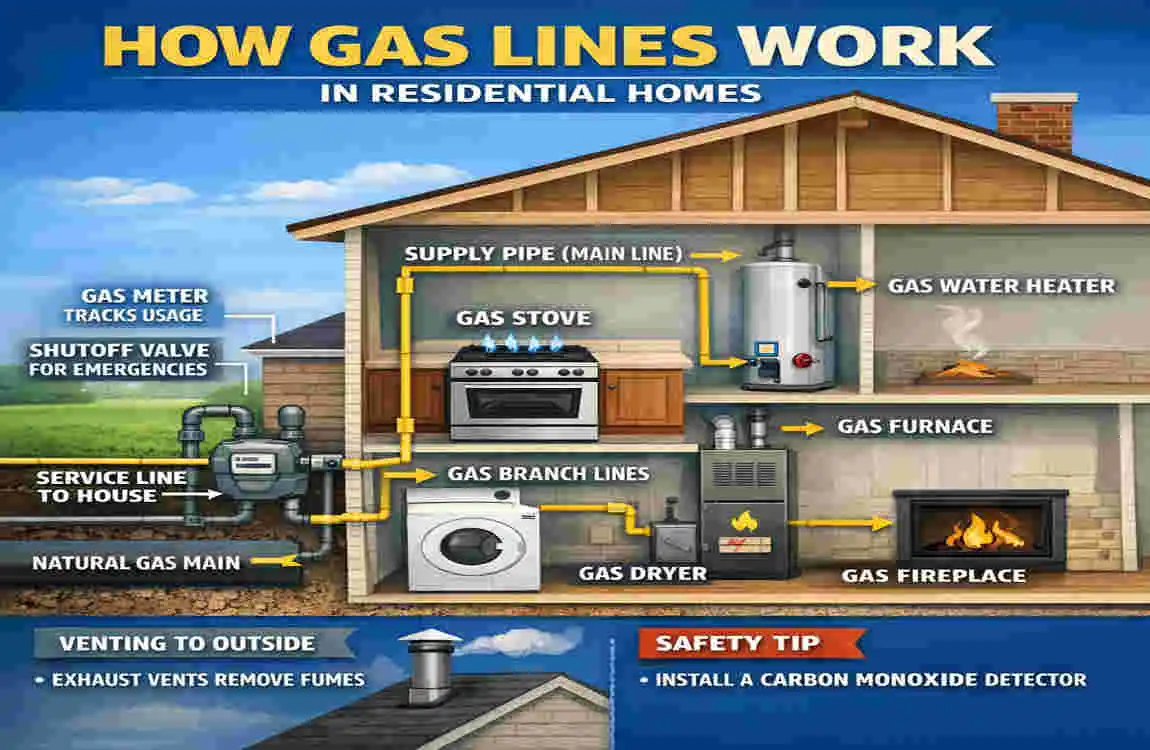
If you live in a suburban or urban area, there is a very good chance your home runs on natural gas. Natural gas is composed mostly of methane, and it is delivered to your home through a vast network of underground municipal pipes. These metal and high-density plastic pipes carry the methane directly to your meter. Because natural gas stays in a gaseous state until it reaches an incredibly low temperature of nearly -300°F, the fuel itself will easily remain a gas even when the weather outside drops well below 0°F.
On the other hand, if you live in a rural area, you might rely on a large, white propane tank sitting in your backyard. Propane is stored as a liquid under high pressure and vaporizes into a gas as it leaves the tank and travels into your copper pipes. While propane also has a very low freezing point, the extreme cold can slow down its vaporization process. If the liquid cannot turn into a gas fast enough, your home loses its heating fuel.
Which Parts Are Most Vulnerable to the Cold?
Even though the gas inside your pipes is highly resistant to freezing, the physical infrastructure delivering that gas is not invincible. The most vulnerable components of your gas system are the parts exposed to the harsh outdoor elements.
Your outdoor gas meter and the attached regulator are the primary suspects when things go wrong during a cold snap. The regulator’s job is to step down the high pressure of the gas coming from the street to a lower, safer pressure for your home appliances. Uninsulated lines running through freezing, drafty basements or crawlspaces are also highly susceptible to temperature-related issues.
The Science of Why Gas Resists Freezing
You might be wondering why you need to drip your water faucets to prevent burst pipes, but you never have to do anything similar for your gas stove. The answer comes down to basic physics. When water freezes, it expands. This sudden expansion creates immense pressure inside the pipe, eventually causing the metal or plastic to rupture.
Gas does not behave this way. It does not expand when it gets cold. In fact, gases tend to compress slightly in colder temperatures. Therefore, when people talk about a “frozen gas line,” they are almost never talking about the fuel itself turning into an ice plug. Instead, the issues always stem from external ice forming on the fittings, or moisture trapped inside the valves turning to ice and blocking the flow.
Gas Line Types Comparison
To help you better understand your home’s setup, here is a quick breakdown of the different gas line components and their freeze risks.
Type Material Freeze Risk Common Locations
Natural Gas Lines Steel / Polyethylene (PE) Low (Only vulnerable to trapped moisture) Underground / Indoors
Propane Lines Copper Medium (Vaporization slows in cold) Exterior Tanks to Home
Gas Regulators Cast Iron / Metal High (High risk of ice blockages) Exterior Meters / Outside Walls.
Causes of Gas Line Freezing Issues

Now that we know the gas itself is not turning into an ice cube, we need to figure out what is actually causing the disruption when the heat cuts out. The culprit is almost always something sneaking into the system that does not belong there. Let’s look at the primary triggers that cause gas systems to fail in sub-zero temperatures.
The Real Culprit: Moisture Condensation
The absolute number one cause of a “frozen” gas line is moisture. While utility companies go to great lengths to ensure the natural gas delivered to your home is completely dry, tiny amounts of water vapor can sometimes make their way into the system.
When the high-pressure gas passes through your outdoor regulator, it rapidly expands to reach the lower pressure needed for your home. This sudden expansion causes a drastic drop in temperature—a process known as the Joule-Thomson effect. If the air outside is already bitterly cold, this added temperature drop can freeze any trace amounts of water vapor present in the gas. This frozen condensation builds up on the internal mechanical parts of the regulator, eventually jamming the valve shut and cutting off the gas supply to your home.
Secondary Contributing Factors
Moisture inside the pipe is not the only enemy. Environmental factors outside the pipe can also wreak havoc on your heating system. High outdoor humidity combined with freezing temperatures creates the perfect recipe for thick frost to form on the exterior of your regulator, clogging the vital air vents it needs to function properly.
For homes using propane, low tank pressure is a massive contributing factor. As we mentioned earlier, propane needs to vaporize to work. When a tank is less than a quarter full during a severe cold snap, there is less liquid available to absorb the ambient heat needed for vaporization. This causes the pressure inside the tank to drop too low to push the fuel into your home.
Furthermore, leaving pipes completely exposed without proper insulation makes them a magnet for ambient moisture to freeze onto their surfaces, slowly encasing your vital valves in solid ice.
Top 5 Cold Snap Risks
To help you pinpoint exactly what might go wrong, here is a list of the top five risks your gas system faces during a brutal winter storm.
- Snow and Ice Blocking Vents: Heavy snowfalls can bury your gas meter, blocking the regulator’s exhaust vent and causing the system to shut down for safety automatically.
- Brutal Wind Chills: High winds can strip away the small amount of ambient heat surrounding your exposed pipes, dropping the effective temperature well below -20°F and accelerating external ice formation.
- Poor Home Sealing: Drafty basements and unsealed crawlspaces allow freezing outdoor air to blast directly onto your indoor gas pipes, chilling them to dangerous levels.
- Low Propane Levels: Entering a major winter storm with a propane tank that is less than 30% full significantly increases the risk of pressure failure.
- Aging Infrastructure: Homes built before the year 2000 often feature older, uninsulated steel pipes and outdated regulators that are much more prone to moisture build-up and mechanical failure.
Signs Your Gas Lines Might Be Affected
One of the most terrifying things about a gas disruption in the middle of winter is the fear that it will happen suddenly, leaving you stranded in the freezing cold. Fortunately, complete and sudden failure is quite rare. Your gas system will usually try to tell you that it is struggling long before it gives up completely. You need to know what to look for.
Subtle Warnings Before Total Failure
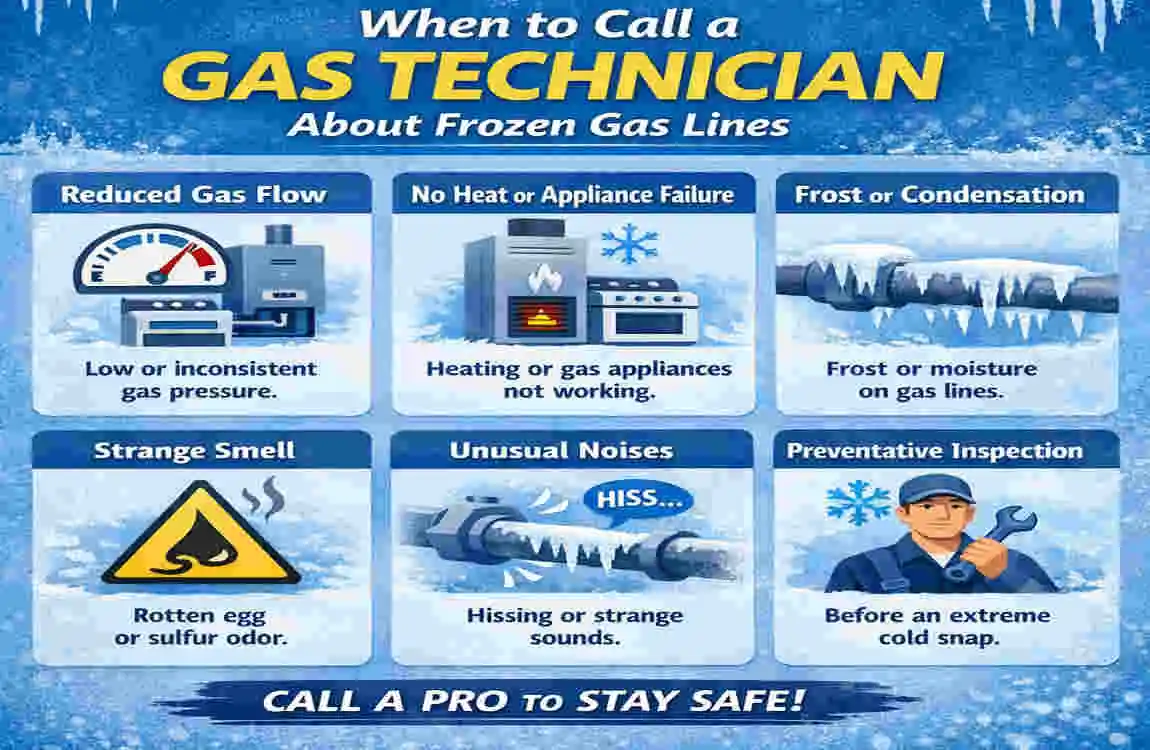
Long before your furnace shuts off for good, you will likely notice a few subtle warnings. Pay close attention to the pilot lights on your older appliances, such as your water heater or gas fireplace. If you find yourself having to relight them repeatedly, it means the gas pressure is fluctuating and struggling to maintain a steady flow.
You might also notice that the flames on your gas stove or oven are unusually low, weak, or yellow instead of their normal crisp, strong blue color. This is a clear indicator that the regulator is beginning to freeze up and is restricting the amount of fuel entering your home.
Listen closely to your appliances as well. A strange hissing sound coming from near the meter or the indoor valves can indicate that gas is forcing its way through a partially ice-blocked passage.
Appliance Errors and Strange Noises
Modern furnaces are incredibly smart. They are packed with safety sensors designed to shut the system down if anything looks abnormal. If your gas regulator starts to freeze, your furnace will detect the drop in gas pressure and throw an error code on its digital display. If your smart thermostat is constantly alerting you that the furnace is taking too long to heat the house, a freezing gas line could be the root cause.
Additionally, if you hear unusual clanking or stuttering noises coming from your utility room when the heating kicks on, it is a sign that the burners are starved for fuel.
Your Troubleshooting Checklist
If you suspect the bitter cold is messing with your fuel supply, run through this quick checklist to assess the situation.
- Check the Meter for Ice Buildup: Put on your winter coat and visually inspect your outdoor gas meter. Is there a thick layer of frost or ice coating the regulator? Is the vent covered in snow?
- Test the Stove and Oven Flow: Turn on one of the burners on your gas stove. Observe the flame height and color. If it looks weak and orange, you have a pressure issue.
- Smell for Gas Leaks: This is the most crucial step. Utility companies add a chemical called mercaptan to natural gas, which gives it a distinct, strong rotten egg odor. If ice has damaged a fitting and caused a leak, you will smell it immediately. If you do, evacuate the house and call 911.
Prevention Strategies for Homeowners
The best way to handle a frozen gas line is to make sure it never happens in the first place. You do not have to sit around and wait for the winter storm to hit; there is plenty you can do right now to arm your home against the freezing temperatures. Let’s break down the most effective proactive steps.
Proactive Steps Ranked by Effectiveness
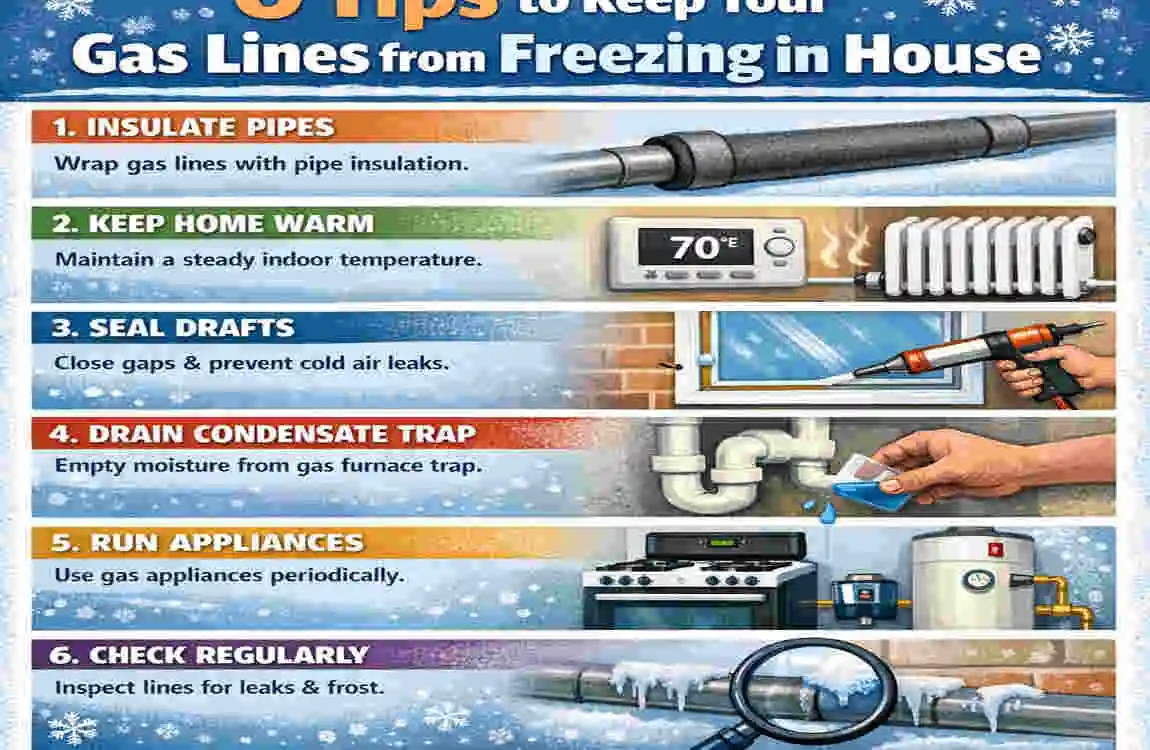
When it comes to protecting your plumbing and gas infrastructure, insulating your exposed lines is easily the most cost-effective and successful method. Walk around your basement, garage, and the exterior of your home. Any bare metal gas pipe you see should be wrapped in high-quality foam pipe insulation sleeves. For extreme climates, you can carefully wrap the pipes in specialized, safety-rated heat tape—just be sure to follow the manufacturer’s instructions perfectly to avoid creating a fire hazard.
If you use propane, the absolute best defense is to keep your tank full. Do not wait for your tank to drop to 10% before calling for a delivery. Going into a cold snap with a tank that is at least 70% full ensures there is enough liquid mass to retain heat and maintain the high pressure needed to push the gas into your home.
For homeowners living in environments that routinely see temperatures plunge to -30°F or worse, you might want to consider having professional line heaters installed. These are specialized, heavy-duty heating elements designed specifically for industrial and residential gas meters.
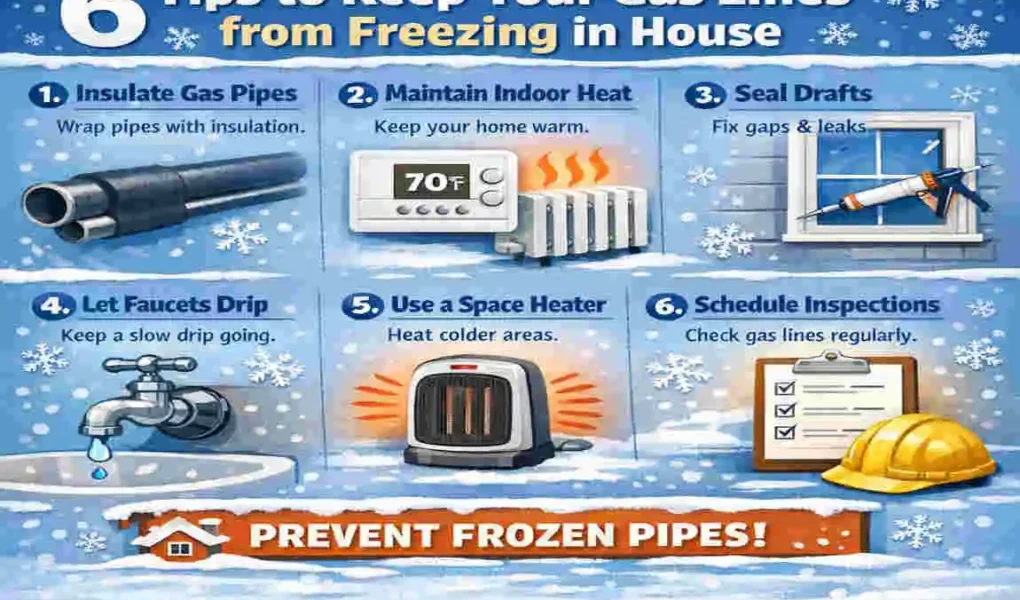
10 DIY Winter Prep Steps
You have the power to protect your home. Grab your toolbox and spend a Saturday afternoon tackling this comprehensive DIY winter prep list.
- Seal Gaps Around Pipes and Windows: Grab a can of expanding foam or weather-stripping and seal every tiny gap where gas pipes enter your home’s foundation. Keeping the freezing drafts out keeps the pipes warm.
- Maintain Indoor Temperatures: Never let your home drop below 55°F, even if you are leaving for a winter vacation. Keeping the ambient indoor temperature up ensures your indoor pipes stay warm.
- Clear Snow from Vents and Meters: After every snowstorm, grab a broom (not a metal shovel) and gently brush the snow away from your outdoor gas meter and the regulator vents. They need to breathe to work.
- Schedule Annual Pro Inspections: Bring in a licensed HVAC technician every autumn to inspect your furnace and gas lines to ensure everything is operating at peak efficiency.
- Trim Back Overhanging Branches: Prevent heavy, snow-laden tree branches from snapping and crashing down onto your exposed outdoor gas meter.
- Install a Smart Thermostat: Use technology to monitor your home’s temperature while you are away so you can catch a heating failure before the house completely freezes.
- Wrap Your Water Heater: If your gas water heater is in a freezing garage, wrap it in a fiberglass insulation blanket to help it retain heat and run less often.
- Check Your Propane Gauge Weekly: Make it a habit to physically walk out to your propane tank every single Sunday to check the percentage gauge during the winter months.
- Clear debris from the Meter: Remove autumn leaves, tall grass, and trash cans away from your outdoor meter to promote good airflow around the regulator.
- Locate Your Main Shut-off Valve: Find the main gas shut-off valve on your meter and make sure you have the proper wrench nearby so you can turn it off instantly in an emergency.
Prevention Methods Comparison
To help you decide where to spend your time and money, here is a quick breakdown of the most common prevention methods.
Method Cost DIY or Pro? Effectiveness
Foam Insulation Low DIY High
Frequent Tank Filling None (You pay for the fuel anyway) DIY Medium
Safety Heat Tape Medium Pro Recommended High
Professional Line Heaters High Pro Required Very High
What to Do If Your Gas Lines Actually Freeze

Despite your absolute best efforts and meticulous winter preparation, Mother Nature can sometimes still get the upper hand. If you wake up and discover that your gas supply has completely stopped flowing due to a frozen regulator or line, you need to handle the situation with extreme care.
The Number One Rule: No Open Flames
Let us be incredibly clear about this: Never, under any circumstances, attempt to thaw a frozen gas line or regulator using an open flame.
Do not use a blowtorch. Do not use a lighter. Do not build a small fire near the meter. When you are frustrated and freezing, it might seem like a fast and logical solution to blast the ice with a torch, but doing so creates an astronomical fire and explosion risk. If the expanding ice has cracked a fitting, applying an open flame will instantly ignite the leaking gas. Even using a standard electrical hair dryer can be dangerous, as a tiny spark from the dryer’s motor could ignite an unnoticed leak. Do not risk your life to save a few hours of being cold.
Safe and Gentle Thawing Techniques
If you suspect the outdoor regulator is frozen solid, you can attempt to warm it using safe, gentle methods.
Grab a few thick bath towels and run them through your clothes dryer until they are piping hot. Take the hot towels outside and carefully drape them over the frozen regulator. The gentle, radiant heat will slowly transfer into the metal and help melt the internal ice blockages. You can also activate several chemical hand warmers and tape them securely to the outside of the frozen metal pipe, wrapping them in a towel to trap the heat against the metal.
These methods require patience. It might take thirty minutes to an hour for the ambient heat to penetrate the thick cast iron of the regulator.
When to Call the Professionals
If the hot towel trick does not work, or if your furnace is still throwing error codes after you have cleared the snow and ice away from the meter, it is time to throw in the towel and call the experts.
Call your local utility company and explain that you have lost gas pressure during a severe cold snap. They have specialized technicians who deal with frozen regulators all day long during the winter. They can safely bleed the pressure from the line, replace the frozen mechanical parts, and get your fuel flowing again.
Furthermore, if at any point during your troubleshooting you smell that distinct rotten egg odor, stop what you are doing immediately. Do not flip any light switches, leave the house immediately, and call the fire department and your utility provider’s emergency hotline.
Gas Line Safety Beyond Freezing
While keeping your gas lines flowing during a cold snap is vital, freezing regulators are just one piece of the winter safety puzzle. When the windows are locked tight and the furnace is running around the clock, you need to take a holistic approach to your home’s gas safety.
The Silent Threat of Carbon Monoxide
Whenever you burn a fuel like natural gas or propane, carbon monoxide (CO) is a byproduct. Normally, your furnace safely vents this invisible, odorless gas out through your chimney or exhaust pipes. However, if an ice storm blocks your exhaust vents, or if a freezing pipe causes your furnace burners to misfire and burn improperly, that deadly carbon monoxide can back up into your living room.
You must have functioning CO detectors installed on every single level of your home, especially right outside the sleeping areas. Check the batteries on the first day of winter, and test the alarms monthly. Carbon monoxide poisoning mimics flu symptoms—headaches, dizziness, and nausea—and it can be fatal if not caught in time.
Space Heater Overloads
When the main heating system acts up due to a frozen gas regulator, homeowners naturally turn to portable electric space heaters to stay warm. While these are great backup tools, they must be used carefully.
Never plug a space heater into an extension cord or a power strip, as they pull massive amounts of electricity and can easily cause the cord to melt and catch fire. Furthermore, never place a glowing hot space heater anywhere near your indoor gas pipes or your gas-powered appliances.
Monitoring Corrosion and Planning Upgrades
Winter moisture does not just cause temporary freezing; it causes long-term damage. If your basement is constantly humid, the moisture in the air will slowly corrode and rust your older steel gas pipes. Over the years, this rust eats away at the integrity of the metal, creating microscopic pinhole leaks.
Make it a habit to run a flashlight along your exposed basement pipes twice a year. If you see bubbling paint, heavy orange rust, or signs of pitting, call a plumber. If you live in an older home with aging steel infrastructure, consider planning a long-term upgrade. Modernizing your system with flexible, high-density Polyethylene (PE) piping or corrugated stainless steel tubing (CSST) dramatically reduces the risk of corrosion and weather-related failures down the road.
Frequently Asked Questions About Frozen Gas Lines
You may still have a few lingering questions about how winter affects your home. Here are quick, detailed answers to the most common questions homeowners ask during a deep freeze.
Can gas lines freeze in a house above ground?
Yes, but it is not the actual gas that freezes. Above-ground lines in unheated areas like crawlspaces or exterior walls are vulnerable because the moisture trapped inside the valves or the condensation on the outside of the pipes can freeze solid, restricting the flow of the gas.
How cold does it have to be before gas lines freeze?
Natural gas itself will not freeze until it hits roughly -296°F. However, the moisture inside your outdoor regulator can start to freeze and cause mechanical blockages anytime the ambient outdoor temperature drops below 32°F, especially if wind chill and high humidity are present.
What is the difference between propane and natural gas freezing?
Natural gas lines usually fail because of water vapor freezing inside the regulator. Propane systems usually fail because the extreme cold physically slows down the liquid propane’s ability to vaporize into a gas. When the vaporization slows, the pressure drops too low to run your furnace.
Should I pour hot water on a frozen gas meter?
No! While it might melt the ice initially, pouring hot water on a freezing cold metal meter can cause the metal to crack due to thermal shock. Furthermore, that water will quickly freeze into a new, thicker layer of solid ice, making your problem much worse. Stick to dry, radiant heat like warm towels.
Will my utility company fix a frozen line for free?
In most cases, yes. The gas utility company is usually responsible for maintaining the infrastructure up to and including the meter and the regulator. If the regulator freezes, they will typically dispatch a technician to repair it at no cost. However, any pipe issues inside your house past the meter are the homeowner’s responsibility.