Buying a home is exciting, but it also comes with risks that many buyers do not fully see at first. A house can look perfect on the outside, yet hide expensive plumbing problems behind walls, under floors, and beneath the yard. That is why smart buyers do more than admire fresh paint and stylish tiles. They inspect the systems that make the home livable.
One of the most important systems to review is the plumbing system. Water supply lines, drain pipes, faucets, toilets, showers, and water heaters all play a daily role in how the property functions. If something goes wrong with them, the costs can rise very quickly. A slow drain may seem minor today, but it could point to a blocked sewer line tomorrow. A small stain under a sink may reveal a long-term leak that has already damaged cabinets, flooring, or even the structure.
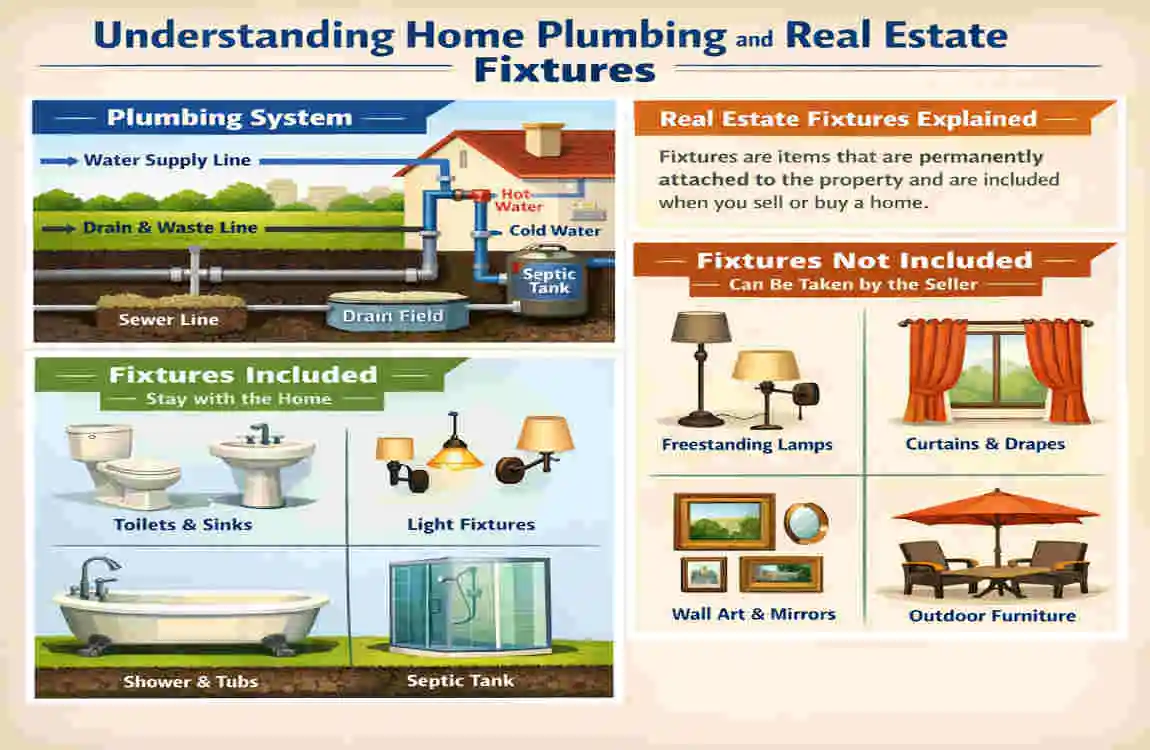
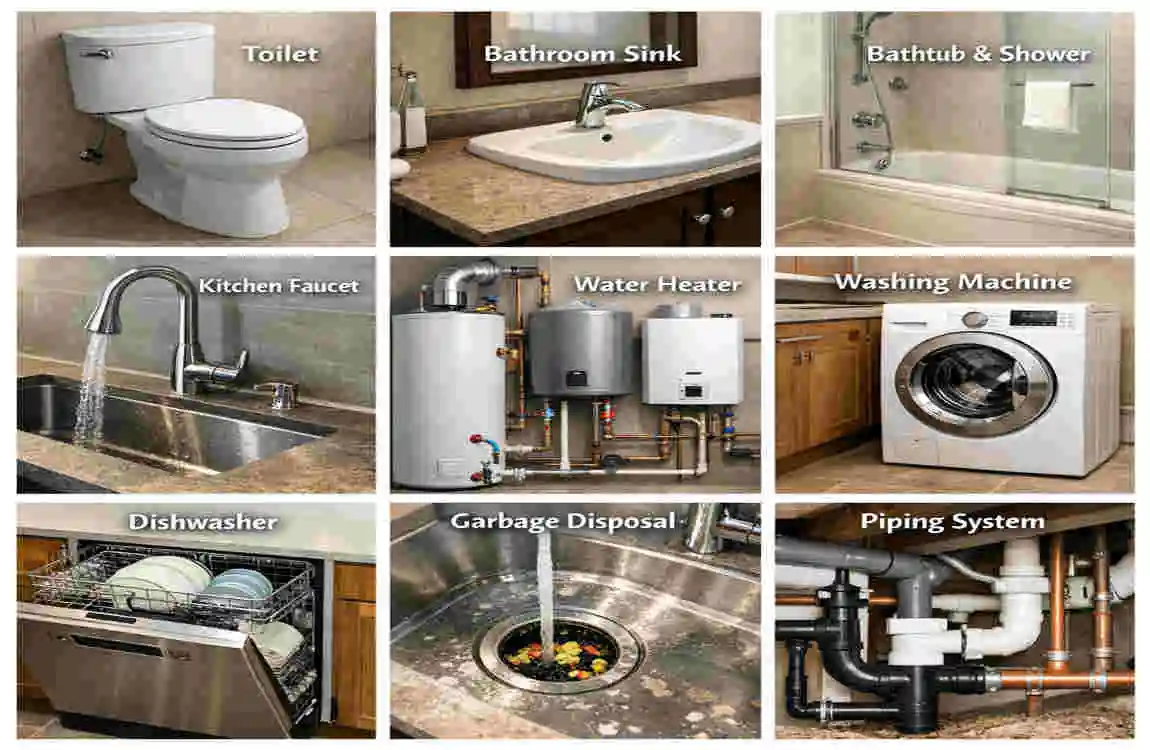
This brings up a key question many homebuyers ask: is home plumbing a fixture in real estate? The short answer is yes. In most real estate situations, plumbing is considered a fixture because it is permanently attached to the property and essential to the home’s use. Sinks, toilets, tubs, built-in pipes, drains, and water heaters are not loose personal items. They stay with the property when ownership changes.
That matters because when you buy a house, you are not just buying the visible finishes. You are also taking ownership of the plumbing condition, the hidden wear, and any future repair bills. In simple terms, if the plumbing is bad, the problem becomes yours after closing unless you catch it in time and negotiate.
What Makes Plumbing a Fixture in Real Estate?

Understanding the legal and practical side of plumbing helps you make better decisions as a buyer. Many people focus on style and design when viewing a home. Still, real estate is also about what is permanently attached to the property. This is where the idea of a fixture becomes important.
What is a fixture?
In real estate, a fixture is generally an item permanently attached to the home and intended to remain there. It is not something a seller can unplug, pick up, and take away like a lamp or a freestanding shelf. A fixture becomes part of the property.
That is why the answer to the question of whether home plumbing is a fixture in real estate is almost always yes. Plumbing is built into the home’s structure. It is not optional. Without it, the house cannot function properly as a home.
Why plumbing qualifies as a fixture
Home plumbing passes the common test used in real estate because it meets several key conditions:
- It is attached to the property
- It is adapted for the home’s use
- It is essential for daily living
- Removing it would often damage the property
Take a toilet as an example. It is bolted to the floor, connected to the water supply, and tied into the drain system. A kitchen sink is mounted in place and connected to both water and waste lines. A bathtub, shower set, and water heater also serve clear household functions and are installed as part of the property.
So when buyers ask whether home plumbing is a fixture in real estate, they should consider permanence and purpose. If it is built-in and needed for the house to operate, it is usually considered a fixture.
Common plumbing fixtures included in a home sale
Here are some of the plumbing elements that typically stay with the property:
Fixture Type Why It’s Included Common Exclusions
Toilets and sinks Bolted or mounted in place and connected to plumbing lines Portable water filters
Faucets and shower sets Installed into walls, counters, or tubs for permanent use Removable countertop accessories
Pipes and drain lines Hidden or exposed but essential to water flow and waste removal Temporary hoses not part of the home
Water heater Connected to the home’s water system and often fixed in one location Portable heating devices
Built-in bathtubs Installed as a permanent bathroom feature Freestanding spa units not attached
Sewer connections and drains Integral to sanitation and home function Standalone dehumidifiers or humidifiers
Why this matters for buyers
This issue is not just technical. It has real consequences during a property deal. If home plumbing is a fixture in real estate, it means the plumbing stays with the home, and so do the problems associated with it. A seller usually cannot remove a water heater or built-in sink before handing over the house. But the seller also may not repair every issue unless you identify them and negotiate before closing.
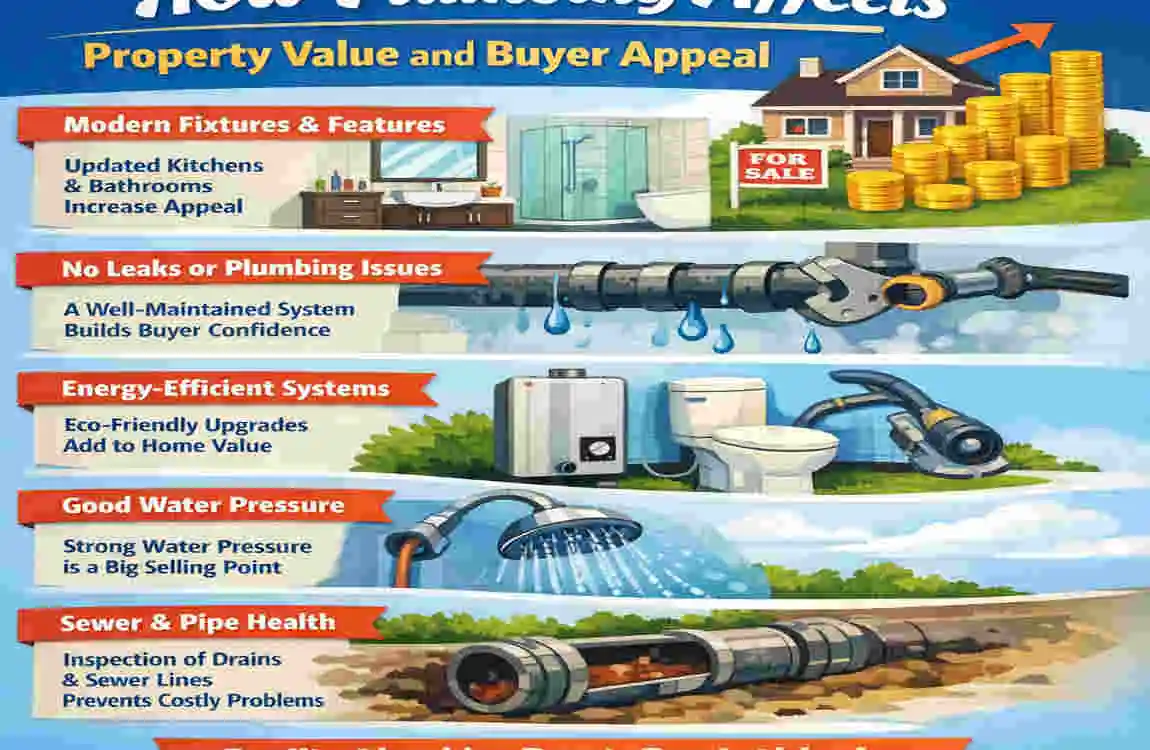
That is why plumbing should never be treated like a minor detail. Since it is part of the property, you are inheriting its current condition. If the pipes are old, the pressure is weak, or the drains are near failure, you will pay later unless you act early.
In other words, understanding home plumbing as a fixture in real estate is not just about the legal definition. It is about protecting your money, your comfort, and your peace of mind.
Why You Should Evaluate Plumbing Before Buying
A plumbing system can quietly develop problems over many years. Because much of it is hidden behind walls or underground, serious issues often go unnoticed until they become expensive emergencies. That is exactly why pre-purchase evaluation matters.
Hidden problems can cost a lot
Leaks, pipe corrosion, sewer blockages, and failing water heaters can lead to costly repairs. A buyer may move in thinking the property is in great shape, only to face damaged ceilings, mold, broken fixtures, or a full repiping job within months.
Even a small leak can create a bigger problem than you expect. Water spreads. It damages wood, weakens drywall, stains ceilings, and encourages mold growth. What looks like a basic plumbing repair can quickly turn into a repair project involving flooring, paint, cabinets, and health concerns.
Plumbing issues affect negotiation power
A proper home plumbing evaluation provides useful information. If a plumber finds corroded pipes, a weak sewer line, or an aging water heater, you may be able to:
- Ask the seller to make repairs
- Request a price reduction
- Negotiate closing credits
- Decide whether the property is worth the risk
Without that information, you are negotiating in the dark.
Timing matters
The best time to check plumbing is during the due diligence period, before you finalize the sale. This gives you room to investigate, compare repair costs, and make a decision without pressure. Once you close, your options become much more limited.
DIY Plumbing Checklist for Homebuyers
You do not need to be a plumber to spot basic warning signs. While a professional inspection remains the best option, a careful walkthrough can help you spot issues early. Think of this as your first filter. It can save you time and help you decide whether the house deserves deeper inspection.
Before You Start: What to Bring
A simple home visit becomes more useful when you come prepared. Bring a small notebook, your phone camera, a flashlight, and tissues or paper towels. If possible, visit the property when you have enough time to test things properly, rather than rushing through the rooms.
Start with a visual inspection
The easiest plumbing problems to spot are often visible if you slow down and look carefully.
Check under every sink in the kitchen, bathrooms, and laundry area. Open the cabinets and inspect the base and the pipe connections. Look for:
- Water stains
- Soft wood or swelling
- Mold or mildew smell
- Puddles or dampness
- Corrosion around joints
These signs may point to ongoing leaks. Some sellers clean up before showings, but stains often remain.
Also inspect any exposed pipes. Older metal pipes may show rust, flaking, greenish buildup, or white mineral deposits. These are signs of wear and possible corrosion. If the home has newer plastic piping, check whether it looks neatly installed and secure.
Check walls, ceilings, and floors around plumbing areas
Leaks do not always show up right next to a pipe. Water can travel before it becomes visible. In bathrooms, kitchens, utility areas, and near water heaters, check for:
- Bubbling paint
- Yellow or brown stains
- Cracked caulking
- Warped floorboards
- Loose tiles
- Damp or musty smells
If you notice repeated patchwork in one area, ask why repairs were needed. Fresh paint in a small section of ceiling near a bathroom is often worth questioning.
Test water flow at every faucet
Turn on every tap you can access. Run both hot and cold water. Do not just flick the handle for one second. Let the water run long enough to reveal the real condition.
Pay attention to:
- How strong the water pressure feels
- Whether the flow sputters
- How long hot water takes to arrive
- Whether the tap drips after turning off
- Strange noises from the pipes
Low water pressure in one fixture may be a local issue. Low pressure throughout the house may suggest a larger problem with supply lines, buildup, or the main connection.
If you are wondering again whether home plumbing is a fixture in real estate, this test reminds you why the answer matters. Built-in plumbing fixtures may stay with the house, but their quality can vary greatly. You need to know what you are inheriting.
Flush every toilet
A toilet tells you more than most buyers realize. Flush every toilet in the house and watch how it responds.
A healthy toilet should:
- Flush strongly
- Refill properly
- Stop running after refill
- Stay quiet after use
- Not rock or move at the base
If it gurgles, runs constantly, fills slowly, or feels loose, it may need repair. A loose base can also indicate water damage in the floor below.
For a basic leak test, add a few drops of food colouring to the tank, if allowed. Wait a little while without flushing. If colored water appears in the bowl, the toilet may have a silent leak.
Check drains and drain speed
Run water in sinks, tubs, and showers. Let it flow for a bit, then see how fast it drains. Slow drainage can indicate a buildup, poor venting, or a deeper blockage in the waste line.
Watch for:
- Water backing up
- Gurgling noises
- Bad odors
- Bubbling in nearby drains
- Standing water in tubs or shower trays
These signs can point to drain line issues or even sewer problems.
Look at the shower and tub area closely
Bathrooms hide many plumbing defects. Focus not only on water flow, but also on the surrounding materials.
Inspect:
- Caulking around tubs and sinks
- Grout condition
- Water stains near the base of the shower
- Loose handles or fixtures
- Signs of mold around corners
- Water escaping onto the floor
A bathroom that looks modern can still have old, leaking plumbing behind the wall. Cosmetic updates do not always mean system updates.
Inspect the kitchen carefully
The kitchen works hard every day, so plumbing problems often show up here.
Check these points:
Area Quick Checks Red Flags
Kitchen sink Run water, inspect trap and cabinet base Slow drain, odor, damp wood
Dishwasher area Look for moisture and listen during cycle if possible Leaks, mold smell, warped flooring
Garbage disposal Test operation if installed Grinding noise, leaks, failure to drain
Faucet Check spray, temperature, and shutoff Dripping, weak pressure, wobbling fixture
Counter edges near sink Look for water damage Swelling, peeling, soft spots
Review the laundry area
Laundry spaces are easy to ignore, but they often reveal water issues clearly.
Check for:
- Bulging or cracked washer hoses
- Rust around hose connections
- Floor drains that smell bad
- Damp walls behind the machine
- Signs of previous overflow
A neglected laundry area can hint at the overall level of maintenance in the home.
Examine the water heater
Even without technical expertise, you can learn a lot from the water heater.
Look for:
- Rust at the bottom or around fittings
- Water pooling underneath
- Burn marks or soot if gas-powered
- Strange banging or popping sounds
- Very old installation date
Most water heaters do not last forever. If the unit is old, you may need to replace it soon, even if it still works today.
Listen to the house
Sometimes plumbing problems are easier to hear than see. After turning off taps and appliances, pause and listen.
Listen for:
- Dripping behind walls
- Hissing near toilets
- Hammering sounds after water shuts off
- Constant water movement when nothing is running
These sounds may signal leaks, pressure issues, or worn valves.
Quick buyer checklist
Here is a simple numbered list you can follow during any property visit:
- Open every sink cabinet and inspect for stains or moisture.
- Run hot and cold water at every faucet.
- Flush every toilet and check for refill problems.
- Test showers, tubs, and drains for pressure and drainage speed.
- Examine the water heater for age, rust, and leaks.
- Check kitchen, laundry, and utility areas for hidden damage.
- Watch for mould smell, watermarks, or fresh patch repairs.
- Ask about pipe material, repair history, and sewer issues.
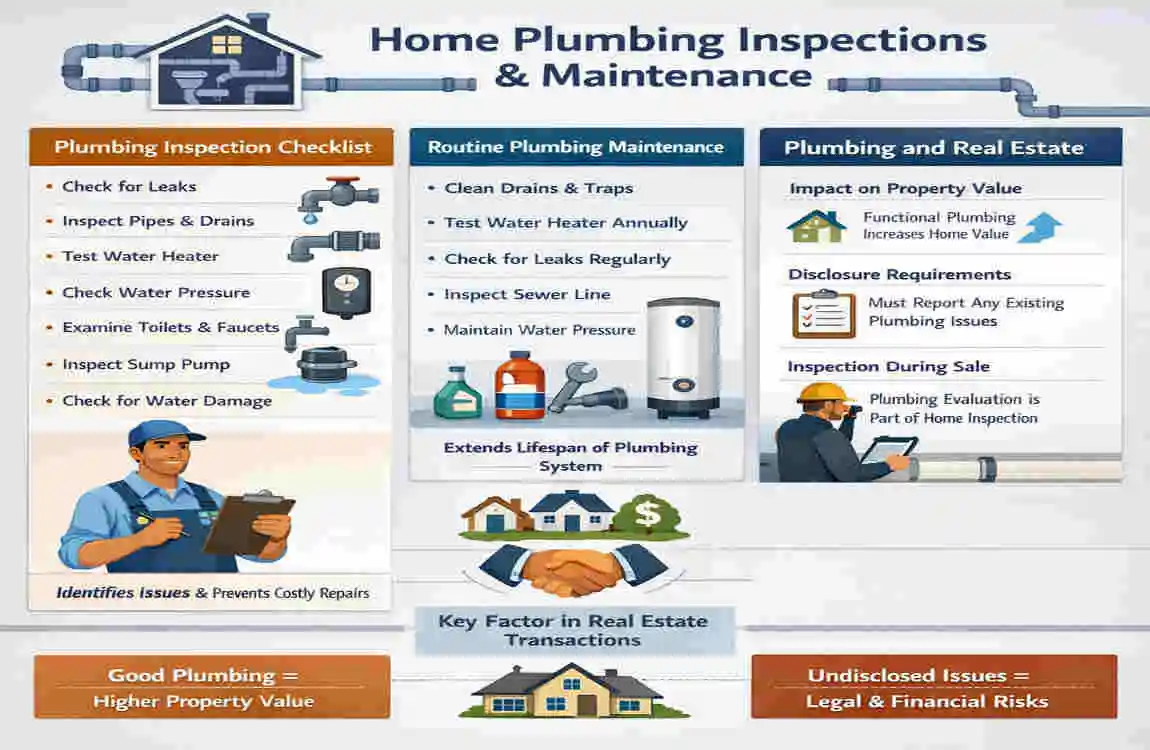
This basic review will not replace a licensed plumbing inspection. Still, it can help you avoid obvious trouble and ask smarter questions before moving forward.
Professional Plumbing Inspection Guide

A do-it-yourself check is helpful, but it has limits. If you are serious about the property, a professional inspection is the safer move. A trained plumber can spot problems you might never notice on your own.
That is especially important because home plumbing is a fixture in real estate. Once you buy the property, the built-in plumbing system becomes your responsibility. A professional inspection helps you understand the true condition before that responsibility transfers to you.
What a professional plumber checks
A qualified plumber usually reviews a wide range of system points across the home. The exact checklist may vary, but a proper inspection often includes the water supply, drain system, fixtures, water heater, shut-off valves, and visible pipe materials.
Water supply system
The inspector checks how water enters and moves through the house. They may look at pressure levels, pipe condition, visible leaks, and shut-off points.
They also identify pipe materials. This matters a lot in older homes. Some homes may still have galvanized pipes, which tend to corrode internally over time. Others may have outdated materials that are more likely to leak or restrict water flow.
Drain and waste system
Drainage issues can be among the most expensive plumbing problems. A professional may inspect visible drain lines and, in many cases, recommend a sewer camera inspection.
This camera goes into the sewer line to reveal:
- Cracks
- Blockages
- Tree root intrusion
- Pipe collapse
- Grease buildup
- Misaligned connections
Without a camera, a sewer problem may stay hidden until wastewater backs up into the home.
Water heater evaluation
The plumber should check:
- Age of the unit
- Signs of rust or corrosion
- Pressure relief valve condition
- Sediment buildup signs
- Installation safety
- Water temperature performance
A water heater may still function even as it approaches the end of its life. Knowing that before purchase helps you budget properly.
Fixture inspection
Since buyers often ask whether home plumbing is a fixture in real estate, the practical answer becomes clear during this part of the inspection. The plumber tests the very fixtures that stay with the home, including sinks, tubs, toilets, faucets, showers, and hose bibs.
They look for:
- Leaks
- Weak mounting
- Pressure inconsistency
- Faulty valves
- Worn seals
- Drainage problems
Exterior and site checks
A thorough plumbing inspection should also consider the exterior of the property, where relevant. This may include:
- Main water shut-off location
- Outdoor taps
- Drainage slope around the house
- Septic system components if present
- Signs of underground leakage
- Standing water near the foundation
These checks matter because plumbing problems do not stop at the front door.
How much a professional inspection costs
In many markets, a plumbing inspection can cost a few hundred dollars. Buyers sometimes hesitate because they are already paying for a general home inspection, legal fees, loan processing, and moving costs.
But compared with the cost of a sewer line replacement, slab leak repair, or full repiping project, the inspection fee is small. It is one of the most cost-effective steps you can take before buying.
When to call for a specialist
A general home inspector may identify visible plumbing concerns. Still, there are times when you should bring in a dedicated plumber:
- The home is older
- The pressure feels weak
- Drains are slow or noisy
- The seller mentions past leaks
- The water heater is aging
- The home has a history of renovation
- The pipe material is unclear
- The property has a septic system or old sewer line
If any of these apply, do not rely only on a general inspection summary. Get a plumber’s opinion before you commit.
Common Plumbing Issues Buyers Should Know About
Even well-kept homes can have plumbing trouble. Some issues are simple to fix, while others affect the whole property and require major work. The key is knowing which problems are manageable and which ones should change your offer or your decision.
Leaks at fixtures and fittings
Small leaks are among the most common issues in homes. They often occur at joints, valves, seals, faucet bases, and under-sink fittings.
Signs include:
- Damp cabinets
- Dripping sounds
- Mold smell
- Water stains
- Loose caulking
Minor leaks can be fixed fairly cheaply, but if they have been ignored for months or years, they can lead to damaged wood, mould, and hidden decay.
Old or corroded pipes
Older pipe systems deserve close attention. Galvanised pipes can corrode from the inside, reducing water flow and increasing the risk of leaks. Some homes may have a mix of old and new piping from partial repairs, which can lead to uneven performance.
If the home needs repiping, that is not a small repair. It is a serious cost item and should affect your budget or negotiations.
Low water pressure
Low pressure may come from mineral buildup, hidden leaks, supply issues, clogged fixtures, or old piping. If pressure is weak in only one bathroom, the issue may be local. If it is weak everywhere, the system may need bigger work.
Drainage and sewer problems
Drain issues often build slowly. You may notice a bad smell, gurgling, or occasional backups first. A damaged sewer line can lead to some of the most expensive repairs a buyer will face.
Hard water damage
In some areas, hard water creates scale buildup in pipes, taps, showerheads, and appliances. This reduces efficiency and can shorten the life of fixtures and heaters.
Here is a quick cost and issue guide:
IssueSignsEstimated Cost to Fix
Slab leak Warm floor, rising water bill, damp flooring $2,000 to $5,000+
Sewer backup Gurgling drains, smell, repeated clogs $4,000+
Old pipe replacement Rusty water, low pressure, repeated leaks High, depending on size of home
Hard water buildup Scale on fixtures, low flow Water treatment or fixture replacement costs
Fixture leaks Drips, stains, damp cabinets Low to moderate if caught early
The real lesson here is simple: is home plumbing a fixture in real estate is not just a legal question. It is a financial one. If the fixture is faulty, the cost becomes part of your ownership journey.
Plumbing Red Flags That May Be Deal Breakers
Not every plumbing issue should scare you away. Some are manageable and expected in older homes. But a few warning signs should make you slow down or even walk away if the seller is unwilling to address them.
Multiple leaks across the house
One leak may be repairable. Multiple leaks in different areas often point to a system-wide maintenance issue. It may suggest aging pipes, poor artistry, or long-term neglect.
Unknown or risky pipe material
If no one can clearly tell you what the pipes are made of, that is a problem. You should not buy unthinkingly when major pipe replacement may be waiting for you.
Failed pressure or drainage tests
Weak pressure, noisy pipes, and widespread drain trouble can signal deeper issues. If the system fails basic performance checks, do not assume it is a minor fix.
Sewer line concerns
If the home shows signs of sewer trouble and the seller refuses a camera inspection, treat that as a serious warning. Sewer repairs are disruptive, expensive, and often unavoidable once the issue becomes obvious.
Fresh cosmetic repairs around plumbing areas
New paint, new caulk, or patched ceiling sections near bathrooms and kitchens are not always suspicious, but they deserve an explanation. Sometimes sellers fix the appearance of a problem without addressing the source.
The Real Cost of Ignoring Plumbing Problems

It is easy to postpone concern when a home looks attractive and the market is competitive. Many buyers tell themselves they will “fix things later.” But plumbing does not always wait.
A hidden leak can damage walls and floors from the day you move in. A weak sewer line can fail during your first rainy season. An old water heater can stop working without warning. A repiping job can cost far more than the inspection fee you skipped.
There is also the insurance side. Some water damage may be covered, but not every plumbing-related loss is automatically covered. Gradual leaks, neglect, or old system failures may leave you covering the bill yourself.
FAQs
Is home plumbing a fixture in real estate?
Yes. In most cases, home plumbing is considered a fixture in real estate because it is permanently attached to the property and necessary for the home to function. This includes pipes, sinks, toilets, showers, tubs, drains, and water heaters.
When should plumbing be inspected during a home purchase?
You should inspect plumbing before closing, ideally during the due diligence or inspection period. That gives you time to request repairs, negotiate price adjustments, or reconsider the deal if major issues appear.
Can I inspect plumbing myself?
You can do a useful basic review yourself by checking water flow, drains, visible leaks, and fixture condition. However, a DIY review cannot replace a professional plumber, especially for sewer lines, hidden leaks, and assessments of pipe materials.
What is the most expensive plumbing issue for buyers?
Major sewer repairs, slab leaks, and full repiping are usually among the most expensive problems. These can cost thousands and may also involve wall, floor, or foundation work.
Should old plumbing always stop me from buying?
Not always. Old plumbing isn’t automatically a deal-breaker if you know its condition, understand the repair costs, and negotiate accordingly. The key is to inspect it properly before making a final decision.