What happens if I do work on my house without a permit
Home Improvement Plumbing

DIY Plumbing in NYC: Legal Home Fixes Without a License or Permit

your New York City apartment. You are trying to sleep, but there is a relentless drip, drip, drip coming from your bathroom sink. The sound echoes through your quiet apartment, keeping you wide awake.

Your first instinct might be to grab a wrench and start taking things apart. But then, a wave of panic sets in. You live in a city with some of the strictest building codes in the world. You suddenly find yourself wondering if you are even allowed to touch your own pipes. Can you fix this dripping faucet legally, or do you have to wait until morning and pay a premium for a licensed professional?

If you are an NYC homeowner or renter, you have likely asked yourself a variation of this question. The New York City Department of Buildings (DOB) is legendary for its strict enforcement of plumbing codes. They regulate almost everything to protect residents’ safety, especially in densely populated pre-war buildings where one wrong move can flood the five floors below. Because of these strict regulations, most plumbing work requires a licensed master plumber and a permit.

If you want to know what home plumbing work can be done without a license in nyc, the short answer includes simple, cosmetic repairs. You can legally handle tasks such as replacing faucets, swapping out toilets, and installing new drop-in sinks. As long as the work is cosmetic and does not alter the underlying plumbing systems, you do not need a permit or a licensed professional.

The benefits of knowing these rules are massive. First, you can save anywhere from $200 to $500 on minor fixes by doing them yourself. Second, and perhaps more importantly, you completely avoid the risk of DOB violations, which can carry staggering fines of up to $10,000.

Task / Work Type Permitted for DIY? Notes (NYC‑specific)
Replacing a faucet cartridge or washer Yes (no license) Simple internal part change; no pipe alteration.
Replacing showerhead or faucet aerator Yes (no license) Cosmetic/component swap; no piping work.
Replacing a toilet seat only Yes (no license) No drain or water‑line work involved.
Replacing a sink or vanity (original location) Often allowed without a full permit Only if pipes are reused in the same location; check DOB on “minor” vs “alteration.”
Replacing a shower base or tub (same location) Sometimes allowed without permit If no change in pipe layout and only cosmetic; DOB may still require licensed oversight for connections.
Minor drain clog clearing (plunger, basic snake) Yes (no license) As long as you are not cutting or replacing pipes.
Replacing washing machine hoses Yes (no license) Simple connection swap; no new piping.
Replacing parts of a sink (sprayer, hose, etc.) Yes (no license) Only on existing setup; no new valves or pipes.
Replacing plumbing fixture (toilet, sink, faucet) in the same location Often allowed without permit Considered “minor” if no new venting or pipe runs; licensed plumber may still be required by building rules.

Understanding NYC Plumbing Laws

What happens if I do work on my house without a permit

Before you grab your toolbox, we need to talk about the law. Navigating the legal landscape of home repairs in New York City can feel like solving a complex puzzle. But breaking it down into understandable segments makes it much easier to digest.

The Basics of the NYC Plumbing Code

The NYC Plumbing Code is a massive set of regulations designed to keep everyone safe. It regulates everything related to waste, water, gas, and standpipes in residential and commercial buildings.

Think about the sheer density of New York City. Millions of people live stacked on top of each other. If you make a mistake with a water supply line, you are not just flooding your own basement; you are potentially ruining the living rooms of three different neighbors below you.

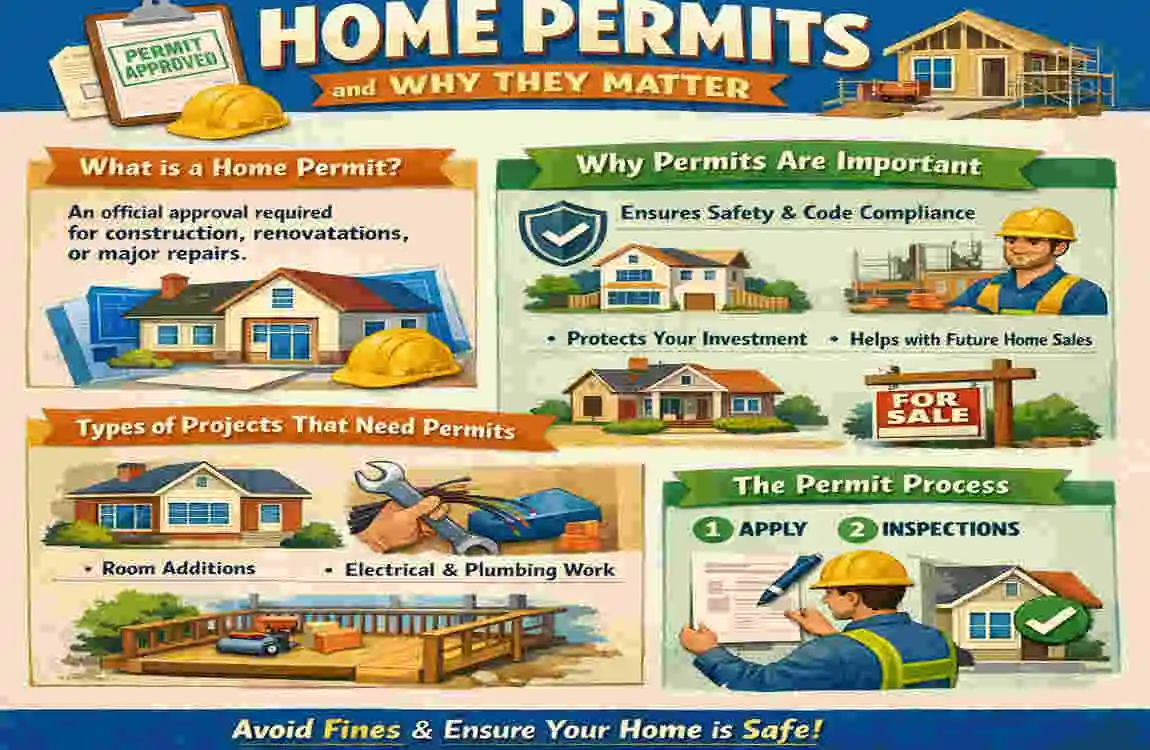
Because the stakes are so high, the DOB mandates strict permits and inspections for almost all plumbing work. They want to ensure that every pipe, vent, and drain is up to code to prevent catastrophic leaks, gas explosions, and health hazards from improper sewage disposal.

Licensing Requirements and Master Plumbers

In New York City, only a licensed master plumber is authorized to pull permits and perform major plumbing work. These professionals have undergone rigorous training, testing, and background checks over the years.

Master plumbers also handle what the city classifies as “ordinary plumbing work.” This category involves basic repairs and maintenance that do not require an upfront permit but do require the plumber to submit a monthly report to the DOB.

So, where does that leave you, the unlicensed homeowner?

Your options are strictly limited to true minor and cosmetic fixes. You cannot open up walls, reroute pipes, or mess with the building’s main water supply. Your domain is strictly on the surface.

Key Exemptions for Minor Alterations

Here is the good news: The NYC Administrative Code explicitly outlines exemptions for what they call “minor alterations.”

No permit is required for these specific tasks, and they do not demand a master plumber’s license. This is exactly where our focus keyword comes into play. When figuring out what home plumbing work can be done without a license in nyc, you simply need to look at fixture replacements. If you are unscrewing an old fixture and screwing a new one onto the same connection point, you are generally in the clear.

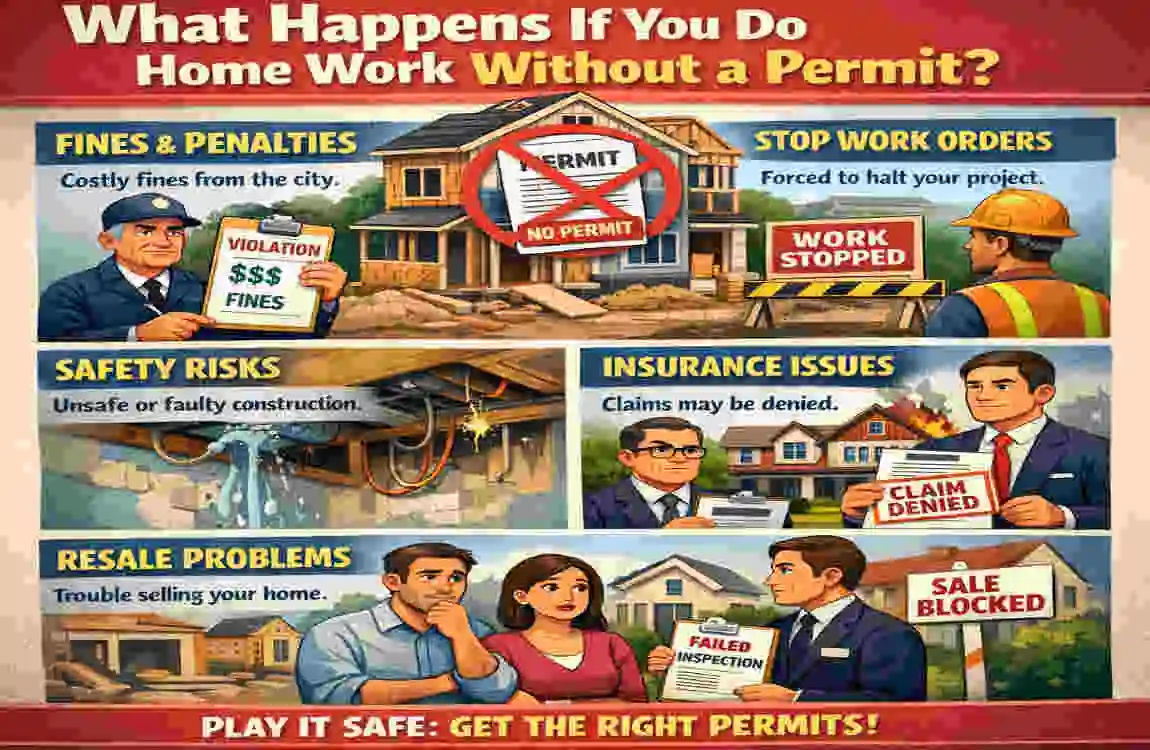
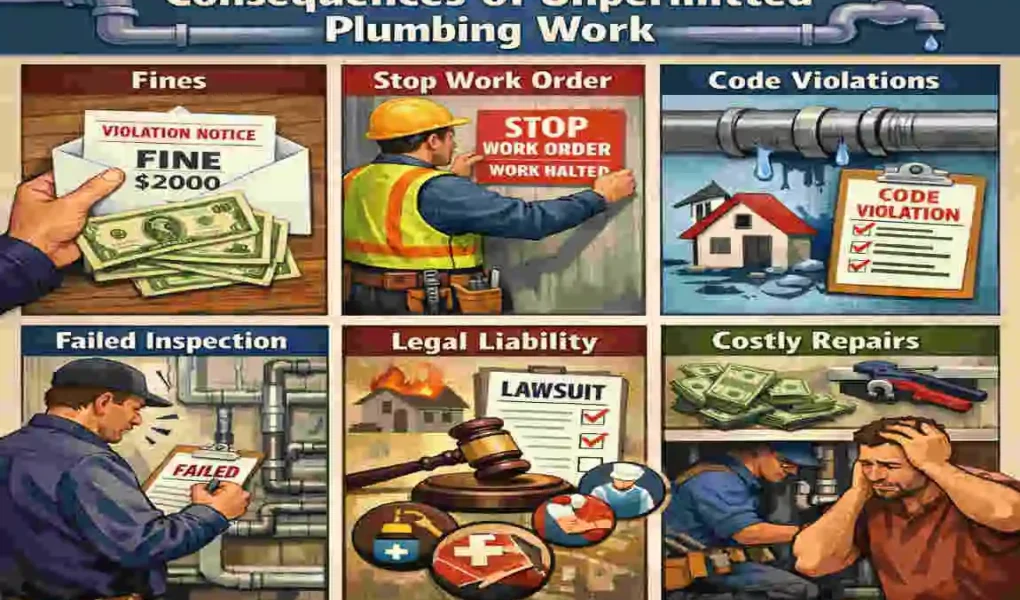
Contrast these minor exemptions with the severe penalties for violations. If you decide to try unlicensed plumbing repairs NYC that involve actual pipe work, you risk stop-work orders. These orders halt all construction in your home immediately. Furthermore, you could face massive fines, insurance cancellations, and even court appearances.

To make this crystal clear, let’s look at a simple breakdown:

Requirement Category Needs a License/Permit? Practical Examples for Homeowners

Minor Cosmetic Repairs No Faucet replacement, toilet swap, showerhead change.

Pipe Replacement/Routing Yes Replacing full drain lines inside walls, moving a sink location.

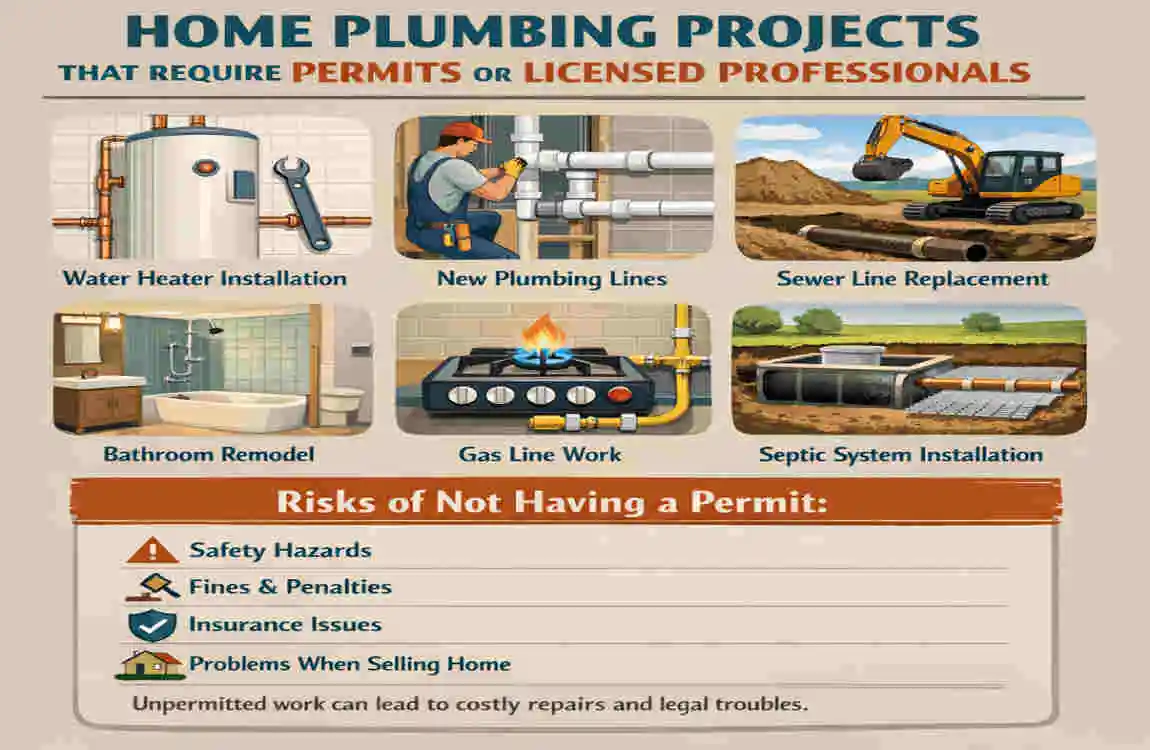
Water Heater Installation Yes Installing new water heater units, running new gas lines.

Understanding these exemptions empowers you to perform safe, legal, and stress-free DIY repairs. Now, let’s explore exactly which projects you are legally allowed to tackle.

Legal DIY Tasks: What Home Plumbing Work Can Be Done Without a License in NYC?

This is the core of our guide. If you want to take control of your home maintenance, you need to know exactly which boundaries you can play within.

Let’s break down the precise list of home plumbing work that can be done without a license in NYC. We will look at each task in detail, providing step-by-step insights so you can get the job done right.

Faucet Replacement

Replacing a faucet is one of the most common and satisfying DIY projects you can undertake. It immediately refreshes the look of your kitchen or bathroom, and thankfully, it is completely legal to do without a license. Because it is purely cosmetic and does not change the building’s water system, the DOB gives it a green light.

Step-by-Step Guide:

  • Safety First: Always start by turning off the water supply valves located directly under the sink. Turn them clockwise until they stop.
  • Drain the Lines: Turn on the old faucet to let any remaining water drain out and relieve the pressure.
  • Disconnect: Use an adjustable wrench to carefully unscrew the flexible supply lines connecting the faucet to the water valves.
  • Remove Old Faucet: Unscrew the mounting nuts holding the old faucet in place and lift it out.
  • Clean and Install: Thoroughly clean the sink surface. Drop the new faucet into the holes, secure it with the new mounting nuts, and attach the new supply lines.
  • Test: Turn the water back on slowly and check for any drips under the sink.

Toilet Swap

You might be surprised to learn that you can replace an entire toilet without calling a plumber. As long as you are replacing an existing unit with one of the same size and you are not relocating the plumbing lines on the floor, homeowners are fully permitted to do this work.

Step-by-Step Guide:

  • Shut Off Water: Turn off the water supply valve behind the toilet.
  • Empty the Tank: Flush the toilet and hold down the handle to drain as much water as possible. Use a sponge to soak up the rest from the tank and the bowl.
  • Disconnect: Unscrew the water supply line from the bottom of the tank.
  • Unbolt the Base: Pop off the caps at the base of the toilet and use a wrench to remove the nuts holding the toilet to the floor.
  • Lift and Clean: Carefully lift the old toilet straight up and off the floor. Scrape away the old, messy wax ring from the floor flange.
  • Set the New Wax Ring: Press a new wax ring onto the bottom of your new toilet (or onto the floor flange).
  • Position and Secure: Lower the new toilet straight down over the flange bolts. Press down firmly to seal the wax ring. Tighten the nuts, reconnect the water, and test.

Sink Replacement and Drain Clogs

If your bathroom sink is cracked or you just hate the colour, you can replace it. This applies specifically to drop-in sinks (sinks that rest on top of the counter). Additionally, clearing basic clogs is completely within your rights.

Step-by-Step Guide for Clearing Clogs:

  • The Plunger: Always start with a plunger. Fill the sink with an inch of water, cover the overflow hole with a wet rag, and plunge vigorously.
  • The Pipe Snake: If plunging fails, use a manual pipe snake. Remove the sink stopper, feed the flexible snake into the drain, and twist the handle when you feel resistance to grab the hair or gunk causing the blockage.
  • Skip the Chemicals: Avoid pouring harsh liquid drain cleaners down the sink. In older NYC buildings, these corrosive chemicals can literally eat through vintage metal pipes, causing thousands of dollars in damage. Stick to physical removal methods.

Showerhead and Floor Grate Swaps

Upgrading your shower experience does not require a permit. Changing out a showerhead or swapping a rusty floor drain grate are simple, threaded changes that take minutes.

Step-by-Step Guide:

  • Remove the Old Head: Use an adjustable wrench to unscrew the old showerhead. If it is stubborn, wrap a rag around the pipe to protect the finish before using your wrench.
  • Clean the Threads: Wipe away any old mineral buildup or tape from the shower arm pipe protruding from the wall.
  • Apply Teflon Tape: Wrap new Teflon tape (plumber’s tape) around the threads of the shower arm. Wrap it clockwise two or three times. This ensures a watertight seal.
  • Attach the New Head: Screw the new showerhead on by hand until it is snug. Give it one final quarter-turn with the wrench, but do not overtighten, or you might crack the plastic components.

Washing Machine Hoses

If your apartment has an in-unit washer, maintaining the hoses is a legal task you can do. Connecting or replacing washing machine hoses is permitted, provided you do not alter the plumbing connections inside the wall.

Step-by-Step Guide:

  • Shut Off Valves: Turn off the hot and cold water valves located behind the machine.
  • Disconnect Old Hoses: Use pliers or a wrench to unscrew the hoses from the wall and the machine. Have a bucket ready for spills.
  • Install New Hoses: Hand-tighten the new hoses onto the connections, making sure the hot connects to the hot, and the cold to the cold. Use a wrench to tighten them another half-turn.
  • Upgrade for Safety: Always replace cheap rubber hoses with steel-braided hoses. They are much more resistant to bursting, which is a common cause of catastrophic apartment floods.

A Quick Word on NYC Co-ops and HOAs

While the DOB might say these tasks are legal, your building management might feel differently. NYC co-op boards and Homeowner Associations (HOAs) are notorious for having their own strict rules.

Before you start any project, you must check your building’s alteration agreement or your lease. Some ultra-strict co-ops require you to use their approved building handyman or a licensed plumber even for a simple faucet change. Always cover your bases.

Essential Tools for NYC DIY Plumbing

What happens if I do work on my house without a permit

You cannot fix a leaky pipe with just your bare hands and good intentions. Having the right tools is the secret to making legal no-license fixes quick and painless. You do not need a truck full of equipment; a simple, targeted budget kit will get you through almost any allowable DIY task.

Building Your Budget Plumbing Kit

If you want to handle these simple repairs, you need a dedicated toolbox. Here is what should be in it:

  • Adjustable Wrench (Approx. $15): Your best friend. It allows you to loosen and tighten nuts of various sizes without needing a massive socket set.
  • Heavy-Duty Plunger (Approx. $10): Do not buy the flat-bottomed plungers (those are for sinks). You need a flange plunger (the one with the rubber cup that extends at the bottom) for toilets.
  • Manual Pipe Snake (Approx. $20): Also known as a drain auger. A 15-to-25-foot hand-crank snake is perfect for pulling hair clumps out of shower drains.
  • Teflon Tape (Approx. $2): This white, non-sticky tape is essential for wrapping pipe threads to prevent tiny water leaks.
  • A Sturdy Bucket and Rags: Plumbing is wet work. You will always need something to catch the drips when you disconnect a P-trap or a supply line.

Sourcing Materials Locally in NYC

Getting your hands on these tools is easy. There are multiple Home Depot locations across the five boroughs, from 23rd Street in Manhattan to Northern Boulevard in Queens.

If you prefer to support local businesses, NYC is packed with amazing independent hardware stores. Keep an eye out for eco-friendly and lead-free fixtures. New York State has strict laws regarding lead-free plumbing components to protect drinking water, so always check the packaging on any faucet or valve you purchase.

Beginner vs. Pro Kits

To see how your DIY setup compares to the professionals, look at this breakdown:

Tool Category The DIY Beginner Kit The Licensed Pro Kit

Wrenches 1 Adjustable Wrench Pipe wrenches, basin wrenches, socket sets.

Clog Removal Plunger & Hand-crank Snake Motorized augers, hydro-jetting machines, inspection cameras.

Pipe Joining Teflon tape (for threaded fixtures) Blowtorches, solder, PEX crimpers, PVC primer/cement.

The beauty of the beginner kit is that it aligns directly with what home plumbing work can be done without a license in NYC. If a job requires a blowtorch to solder copper pipes, you immediately know you have crossed the line from a legal DIY fix into illegal, permit-required territory.

Common Mistakes and Risks to Avoid

While the idea of DIY plumbing NYC is appealing, the risks are very real if you overstep your bounds. Even a small miscalculation can lead to major headaches. It is vital to understand the pitfalls so you can keep your home safe and your wallet intact.

Mistaking Major Work for “Minor” Repairs

The absolute biggest mistake homeowners make is convincing themselves that a major job is actually “minor.”

For example, let’s talk about gas lines. If you are upgrading your kitchen stove, you might think, “I just need to unscrew the old gas hose and screw on the new one. That’s minor, right?”

Wrong. Absolutely, unequivocally wrong.

Touching a gas line is never considered a minor repair for a homeowner. It requires a licensed master plumber and often a DOB inspection. A botched water line causes a flood; a botched gas line causes a fatal explosion. Never mess with gas.

Similarly, moving a sink three feet to the left is not minor. It requires rerouting the supply lines and drain pipes within the wall, disrupting the building’s infrastructure. That requires a permit.

Fines, Legal Trouble, and Nosy Neighbors

The financial penalties for unpermitted work in NYC are brutal. If a DOB inspector catches you performing unlicensed plumbing repairs NYC that require a permit, the starting fine is usually around $1,000. Still, it can quickly escalate up to $10,000 depending on the severity of the violation.

You might think, “Who is going to know?” You live in New York City! Your neighbors are closer than you think. Multi-unit buildings are breeding grounds for complaints. If a neighbor hears heavy hammering or sees you hauling long lengths of copper pipe into the elevator, they can easily report you anonymously via the NYC 311 app.

Furthermore, if your illegal DIY plumbing causes a leak that damages the apartment below yours, your homeowner’s or renter’s insurance will likely void your coverage. You will be held personally liable for thousands of dollars in property damage. It simply is not worth the risk.

Knowing When to Stop

The smartest DIYers know when to throw in the towel. You should immediately stop what you are doing and call a licensed plumber if:

  • You discover the shut-off valves under the sink are frozen solid with rust and will not turn.
  • You clear a clog in the sink, but the bathtub suddenly starts backing up with sewage (this indicates a main line blockage).
  • You turn the water back on after a faucet swap, and water starts dripping from inside the wall, not from the fixture you just installed.
  • You smell sulfur or rotten eggs (a clear sign of a gas leak).

Be smart, be safe, and trust your gut. If a project feels overwhelming, step back.

Cost Savings vs. Professional Help

What happens if I do work on my house without a permit

Why do we bother navigating the complexities of DIY plumbing NYC? For most people, it comes down to one simple factor: money. Let’s look closely at the financial benefits of doing it yourself, while also understanding the immense value that a professional brings to the table.

Analyzing the Financial Benefits

Living in New York City is expensive, and labor costs are notoriously high. When you hire a licensed plumber, you are paying for their travel time, parking (which is a nightmare in the city), their expertise, and their overhead. A simple service call just to have a plumber walk through your front door can cost between $150 and $250.

If you handle legal, minor fixes yourself, you keep that money in your pocket. You only pay for the parts.

Let’s look at a quick comparison to see your potential return on investment (ROI):

Home Plumbing Task Your DIY Cost (Parts Only)NYC Pro Cost (Parts + Labor)Your Total Savings

Faucet Swap $30 – $50 $200 – $400 Up to $350

Toilet Replacement $100 – $200 $400 – $800 Up to $600

Showerhead Upgrade $20 – $80 $150 – $250 Up to $170

By investing an hour of your Saturday afternoon learning how to use an adjustable wrench, you can literally save hundreds of dollars. Plus, completing these tasks builds your confidence and your practical life skills.

When to Call the Pros

While the savings are tempting, you have to value your time and the integrity of your home. Sometimes, paying the professional premium is the smartest financial decision you can make.

If a pipe bursts in the middle of the night, you do not have time to watch a tutorial video. You need immediate intervention to stop thousands of dollars in water damage. That is exactly when you pivot away from DIY and reach out to the experts.

Frequently Asked Questions

What home plumbing work can be done without a license in NYC? As detailed by the DOB, you can perform minor, cosmetic alterations without a license. This includes replacing surface-level fixtures like faucets, toilets, drop-in sinks, showerheads, and washing machine hoses, provided you do not alter the underlying piping or structural systems.

Do NYC rentals allow DIY plumbing? Yes, generally speaking, if there are no structural changes involved. However, as a renter, you do not own the property. You should always notify your landlord or super before replacing a fixture. Many landlords prefer to have their own staff handle maintenance to ensure standardization across the building.

Do I need a permit for unclogging drains? No permit is required for unclogging drains, as long as the method is non-invasive. Plunging and using a manual hand-snake are perfectly fine. However, you cannot legally cut open a drain pipe to clear a severe blockage without a licensed professional.

Can I replace the P-trap under my sink myself? Yes. The P-trap (the curved pipe directly under the sink drain) is considered part of the fixture connection. You can unscrew the slip nuts and replace a leaky P-trap without a permit, as long as you do not alter the pipe going into the wall.

What happens if I accidentally cause a flood while doing a legal DIY repair? If you make a mistake during a legal repair, such as improperly sealing a toilet wax ring, you are financially responsible for the resulting damage. This is why following step-by-step guides carefully and turning off the water supply first is absolutely crucial.

Are there any restrictions on the types of fixtures I can install in NYC? Yes! NYC has strict water conservation laws. Any new toilet you install must be a high-efficiency model (usually using 1.28 gallons per flush or less). Faucets and showerheads must also meet specific low-flow requirements. Always check for “WaterSense” labels when shopping.

You may also like...

Leave a Reply

Your email address will not be published. Required fields are marked *