If you have ever looked at a pipe label and wondered what ‘od’ stands for in house plumbing, you are not alone. Plumbing comes with a lot of short forms, and OD is one of the most common ones you will see during repairs, upgrades, or DIY projects.
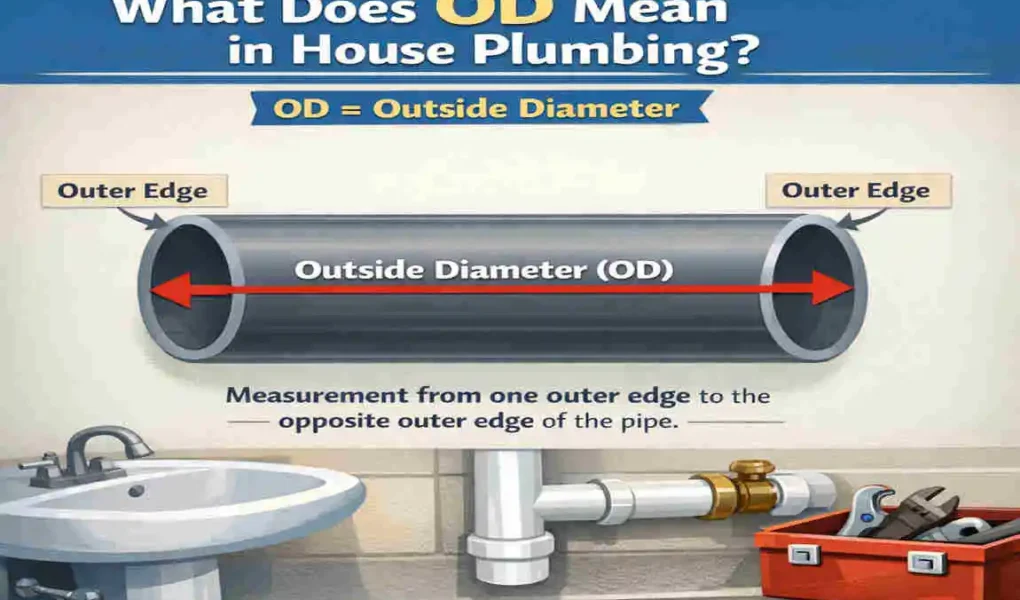
In simple terms, OD means Outside Diameter. It tells you the width of the pipe from one outer edge to the other. That may sound small, but it matters a lot when you are choosing fittings, replacing pipes, or checking whether parts will connect properly.
| Term | Meaning | Why It Matters in Plumbing |
|---|---|---|
| OD | Outside Diameter | Measures the outer width of a pipe for fitting compatibility |
| ID | Inside Diameter | Measures the inner opening that affects water flow |
| Nominal Pipe Size | Standard pipe label | Used for identifying pipe sizes in stores and manuals |
| Common Use of OD | Pipe fittings and connectors | Ensures pipes connect securely without leaks |
| Typical Tools | Calipers or tape measure | Helps measure pipe dimensions accurately |
Understanding plumbing pipe measurements can save you time, money, and frustration. If the size is wrong, the fitting may leak, the pipe may not connect, or the repair may fail. That is why knowing the outside diameter in plumbing is so useful for homeowners, DIYers, and beginner plumbers.
What Does OD Stand for in House Plumbing?
Definition of OD in Plumbing
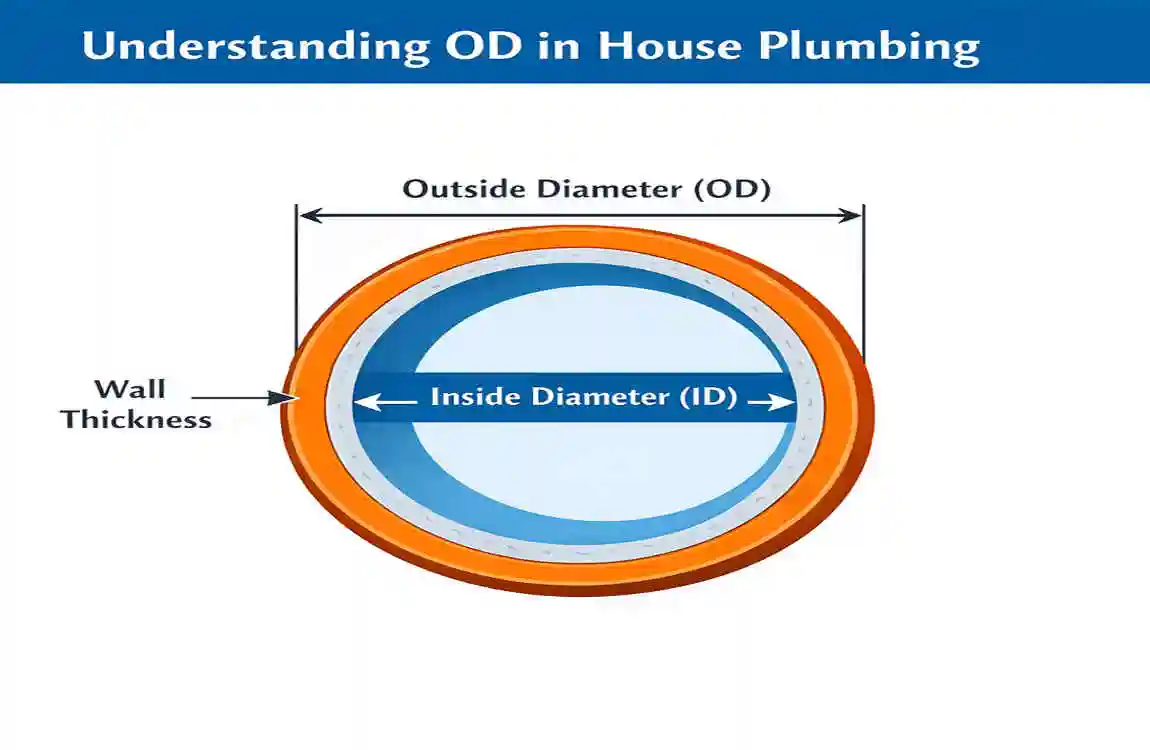
OD stands for Outside Diameter. It is the measurement across the outside of a pipe, from one outer edge to the other.
This is different from the size printed on the pipe label. In plumbing, the labeled size is often the nominal size, a standard name that may not match the exact physical size.
Why OD Is Important
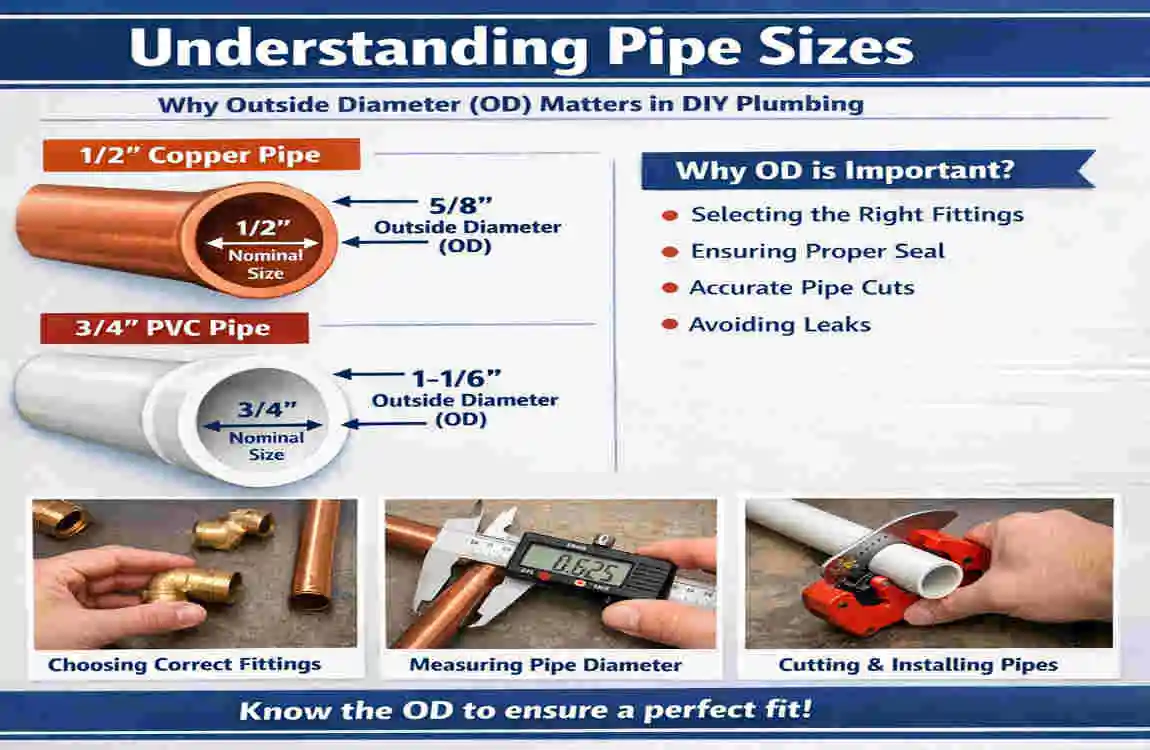
OD matters because many fittings are made to match the outside diameter plumbing measurement. If the OD is incorrect, the pipe may not fit into the connector properly.
It also helps plumbers and homeowners pick the right:
- couplings
- adapters
- connectors
- repair parts
So, understanding the plumbing OD definition reduces the risk of buying the wrong part.
Simple Real-World Example
Think of a straw or a small tube. If you measure from one outer side to the other, you are measuring the OD. That outside width helps you know what cap, sleeve, or connector will fit over it.
Understanding the Difference Between OD and ID in Plumbing
What Is ID?
ID means Inside Diameter. It measures the open space within the pipe through which water flows.
OD vs ID Explained Simply
Here is the easiest way to remember it:
- OD = outside width of the pipe
- ID = inside opening of the pipe
So, OD is the pipe’s outer diameter, while ID is the space through which water flows.
Why Both Measurements Matter
Both measurements are useful, but for different reasons.
- Water flow depends more on the ID
- Fitting compatibility often depends more on the OD
That is why a basic pipe measurement guide should always include both.
Quick Comparison Table
Measurement Meaning Used For
OD Outside Diameter Pipe fittings and compatibility
ID Inside Diameter Water flow capacity
Nominal Size Standard pipe label Industry sizing
How OD Is Measured in Plumbing Pipes
Tools Used to Measure OD
To measure OD, you can use:
- a tape measure
- calipers
- pipe measuring gauges
Step-by-Step Process
- Clean the pipe surface first.
- Measure across the widest outside point.
- Write the measurement down carefully.
Common Measurement Units
OD is usually measured in:
- inches
- millimeters
Accuracy Matters
Even a small mistake can cause problems. If the OD is off, the fitting may be too loose or too tight. That can lead to leaks and wasted time.
So, if you are learning how to measure pipe OD, take your time and measure more than once.
Why Plumbing Pipes Use OD Measurements
Standardization in Plumbing
One big reason plumbers use OD is that it helps keep things standard. Manufacturers need a reliable size system, so pipes and fittings work together.
That is part of normal plumbing pipe standards.
Pipe Material Differences
Different pipe materials may look similar, but they do not always size the same way.
Common materials include:
- copper
- PVC
- PEX
- steel
Each type can have its own sizing system, so a simple plumbing measurements guide is always helpful.
Fitting Compatibility
Most fittings are built around specific OD sizes. That is why pipe fitting sizes matter so much during repairs and new installs.
Common Pipe OD Sizes Found in Homes
Residential Plumbing Pipe Sizes
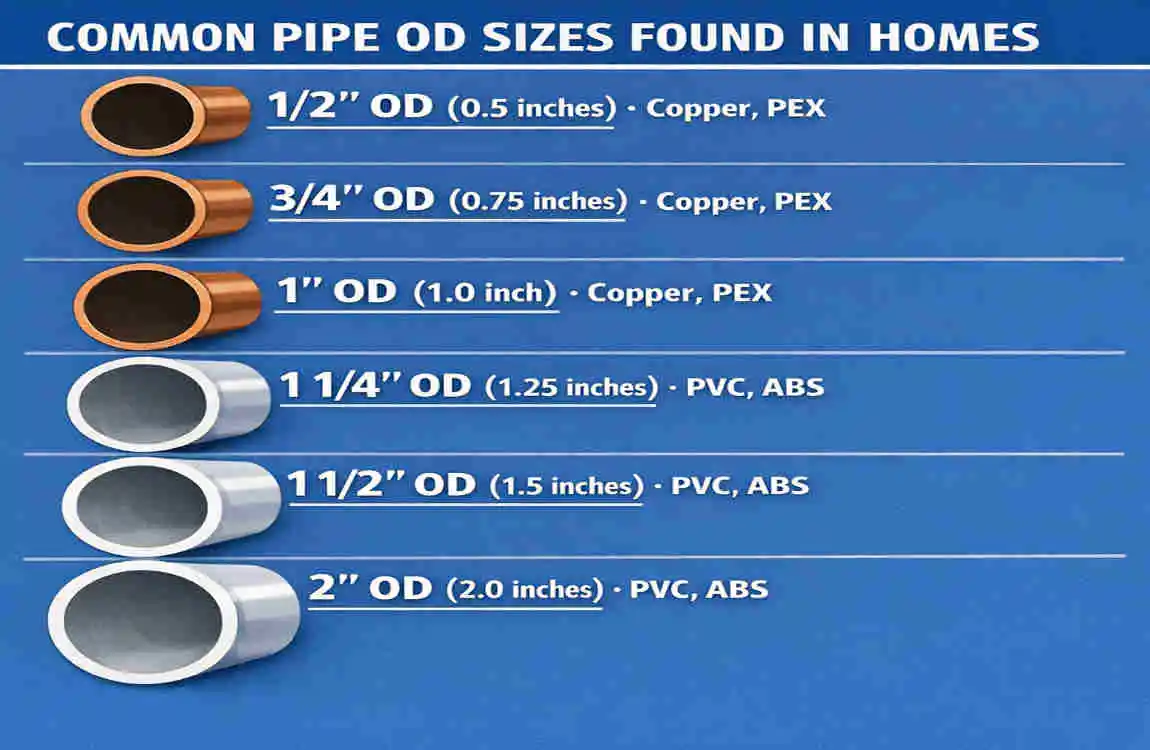
In homes, the most common pipe sizes include:
- 1/2-inch pipes
- 3/4-inch pipes
- 1-inch pipes
- larger drain lines
These are common residential pipe sizes, but the exact OD may vary depending on the material.
Typical OD Measurements by Material
Pipe Type Nominal Size Approximate OD
Copper 1/2 inch 5/8 inch
PVC 1/2 inch 0.84 inch
PEX 1/2 inch 5/8 inch
Why Sizes Can Be Confusing
This is where many people get stuck. The name on the pipe does not always match the actual outside measurement.
That is why a plumbing OD chart can help, especially when comparing materials.
Tips for Homeowners
Before buying anything, always check the manufacturer’s size details. Never guess if the pipe will fit.
OD in Different Types of Plumbing Pipes
PVC Pipe OD
PVC pipes are popular for drainage and some water systems. Their PVC pipe outside diameters follow a standard sizing system, making them easier to match with fittings.
Copper Pipe OD
Copper pipe uses OD very clearly, especially for soldered fittings. In copper systems, the OD is often a key factor in selecting the correct connection.
PEX Pipe OD
PEX is flexible and common in modern homes. Because it bends easily, the OD still matters when using push-fit or crimp-style connectors. Good PEX pipe measurements help avoid leaks and loose joints.
Steel and Galvanized Pipes
Steel and galvanized pipes often use threading standards and older sizing methods. In these cases, the measured size may not look like the label, so extra care is needed.
Common Plumbing Problems Caused by Incorrect OD Measurements
Leaking Connections
If the OD is wrong, the fitting may not seal well. That can leave small gaps where water escapes.
Pipe Replacement Issues
Wrong sizing can make replacement work frustrating. You may buy a part that looks right, but does not match the old pipe.
Reduced Water Pressure
If the wrong pipe size is used, flow can suffer. That may reduce pressure and make the system less efficient.
Increased Repair Costs
Incorrect measurements often mean more trips to the store, more labor, and more wasted parts. These are common plumbing repair mistakes that are easy to avoid.
How Homeowners Can Use OD Knowledge During DIY Plumbing Projects
Buying the Correct Fittings
Always match the OD before you buy fittings. This is one of the most useful DIY plumbing tips.
Understanding Hardware Store Labels
Store labels can be confusing because they often show nominal size rather than true outside size. Reading carefully helps you avoid buying the wrong part.
Measuring Existing Pipes Before Repairs
If you measure first, you are less likely to return items. That makes your project faster and cheaper.
Knowing When to Call a Professional
Some jobs are simple. Others involve mixed pipe types, old plumbing, or hard-to-read size labels. When the sizing gets confusing, it may be better to call a pro.
Frequently Asked Questions About OD in Plumbing
Is OD the same as pipe size?
Not always. Pipe size is often a nominal size, a standard designation. OD is the actual outside measurement. That is why people often need a guide on how to measure plumbing pipe size.
Why is OD important in plumbing?
OD is important because it helps pipes and fittings connect properly. Without the right OD, the connection may not fit or seal well.
Do all plumbing pipes use the same OD standards?
No. Different materials can have different sizing systems. That is why plumbing pipe terminology can feel confusing at first.
How can I measure pipe OD at home?
Use a tape measure or calipers, and measure across the outside of the pipe. Make sure the pipe is clean and measure carefully.
What happens if OD measurements are wrong?
You may get leaks, poor fit, reduced flow, and more repair costs. Small sizing mistakes can create bigger problems later.
Is OD or ID more important?
It depends on the job. OD matters most for fittings and connections. ID matters more for water flow. Both are useful in different situations.