If you have ever looked at plumbing parts and wondered what all the abbreviations mean, you are not alone. What is an IPS connection in home plumbing? It’s a common question because the term sounds technical, but the idea is actually simple.
| Question | Simple answer |
|---|---|
| What does IPS mean? | IPS stands for “Iron Pipe Size,” a standard way to size and match pipes and fittings. |
| What is an IPS connection? | It is a pipe or fitting sized using the IPS standard so that parts with the same IPS size screw or join together. |
| Where is it used at home? | Commonly on water supply lines, faucet/shower connections, and some PVC or metal pipes. |
| Why does it matter? | Using the same IPS size on both pipe and fitting helps ensure a tight, leak‑free connection. |
| Is IPS the same as NPT? | No; IPS is the size standard, while NPT usually refers to the thread shape used on those pipes. |
IPS is a term you may see on water supply lines, pipe fittings, bathroom fixtures, and outdoor plumbing. It matters because it helps pipes and fittings connect properly. If the size or thread type is wrong, you can end up with leaks, loose fittings, or parts that do not fit at all.
What Does IPS Mean in Plumbing?
Full Form of IPS
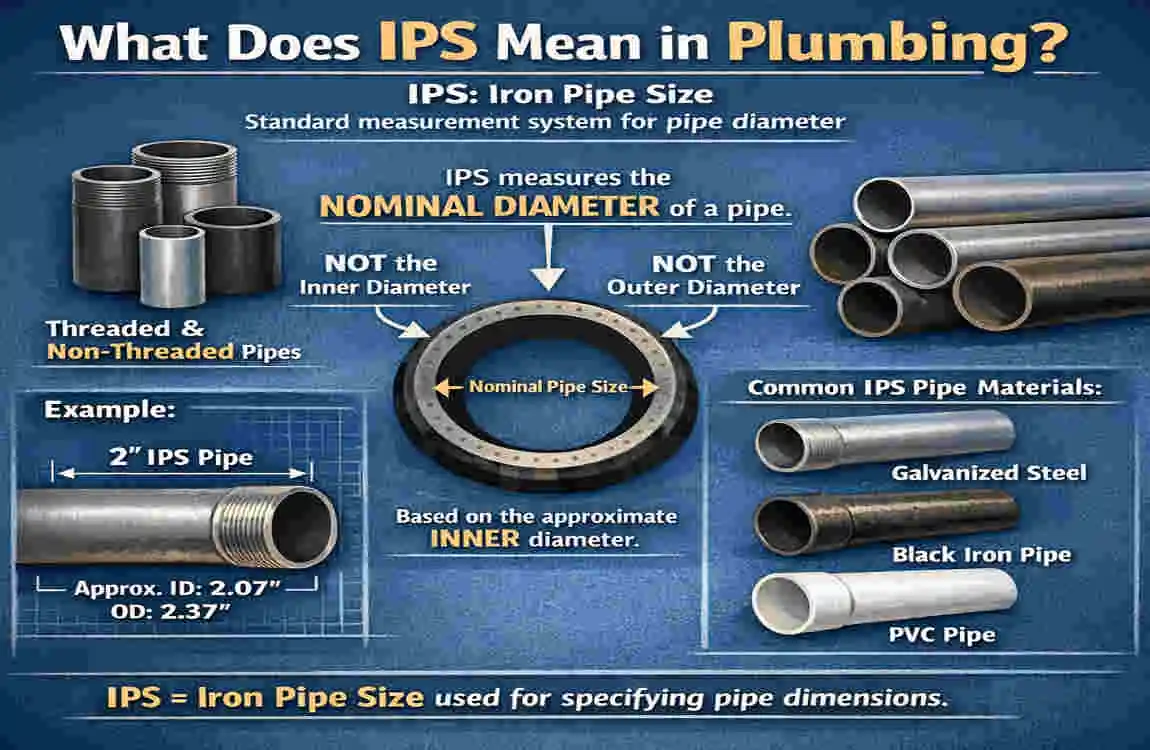
IPS stands for Iron Pipe Size. It is a standard way of naming pipe sizes in plumbing. Even though the name includes “iron,” IPS is not limited to iron pipes today. You will see it used with many materials, including brass, copper, PVC, and steel.
The main purpose of IPS is simple: it gives plumbers and homeowners a shared sizing system so parts can connect properly.
Why IPS Is Still Used Today
IPS is still popular because it gives people a reliable standard. When a fitting says it is IPS, you already know it follows a common size system. That makes it easier to match pipes, fixtures, and connectors.
It is widely used in residential plumbing connections and also appears in some commercial systems. For homeowners, that means IPS is something you may run into often, especially during repairs or upgrades.
Simple Definition for Homeowners
In simple terms, the IPS plumbing standard means a pipe or fitting uses a recognised size and thread style for plumbing connections. It helps you connect parts that are meant to fit together.
What Is an IPS Connection in Home Plumbing?
Basic Explanation
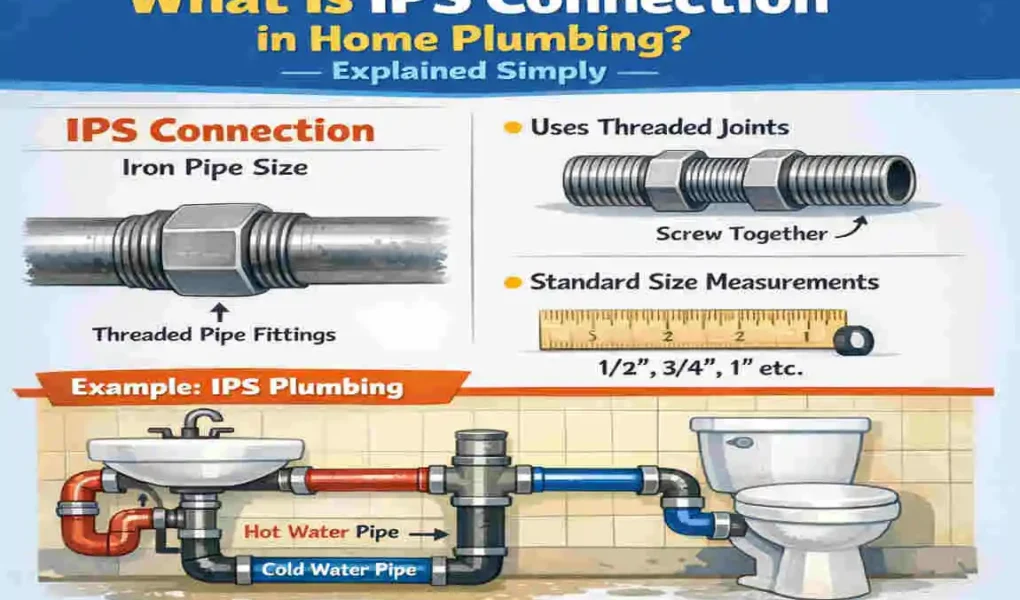
An IPS connection is a plumbing connection made with IPS-sized threads or fittings. In everyday terms, it is a way of joining pipes or fixtures so they line up and seal correctly.
You will often see this in parts that screw together, such as faucet connectors, shower arms, or outdoor hose fittings.
How IPS Connections Work
Most IPS connections work through male and female threads.
- Male threads are on the outside of the pipe or fitting
- Female threads are on the inside
When you twist them together, the threads grip each other, helping form a seal. In many cases, plumbers also use thread seal tape or another sealant to help prevent leaks.
Common Materials Used
IPS connections can be found in many materials, such as:
- Brass
- Copper
- PVC
- Galvanized steel
- Stainless steel
That is one reason IPS is so common. It works across different plumbing materials and fixture types.
Where You’ll Commonly Find IPS Connections
You will often see IPS connections in:
- Shower heads
- Faucets
- Water heaters
- Outdoor hose bibs
- Kitchen sinks
So if you are checking a home plumbing system, IPS parts are often close by.
How IPS Pipe Sizing Works
Understanding Pipe Measurements
One confusing part of plumbing is that pipe size does not always match the exact opening you see with a ruler. That is because IPS uses a nominal pipe size, which is more of a standard label than a perfect physical measurement.
In simple terms, the name of the size and the actual outside or inside diameter may not be the same. That is normal in plumbing.
Common IPS Sizes in Homes
Here is a simple chart to help you understand common sizes:
IPS Size Common Use
1/2 inch Faucets and sinks
3/4 inch Main water supply
1 inch Larger plumbing systems
These are some of the most common threaded pipe sizes found in homes.
Why Pipe Size Matters
Getting the size right is important because it affects:
- Water flow
- Leak prevention
- Proper fitting compatibility
If the size is wrong, the connection may drip, feel loose, or fail to seal properly.
Types of IPS Connections Used in Residential Plumbing
Male IPS (MIPS)
MIPS means Male Iron Pipe Size. This type has external threads, which means the threads are on the outside of the fitting.
MIPS fittings usually screw into a female fitting. They are common in shower arms, pipe adapters, and many plumbing connectors.
Female IPS (FIPS)
FIPS means Female Iron Pipe Size. This type has internal threads, so the threads are inside the fitting.
FIPS parts are made to receive male-threaded pieces. You will often find them in fixture connections and pipe adapters.
Threaded IPS Connections
Threaded IPS fittings are popular because they are easy to install and replace. If a part wears out, you can often unscrew it and install a new one without cutting the pipe.
That makes them a practical choice for DIY plumbing repairs.
Slip vs Threaded IPS Connections
A slip connection does not screw together with threads. Instead, it slides into place and is often glued or soldered in place.
A threaded IPS connection twists together and can usually be removed later. This makes threaded connections better for fixtures that may need service or replacement.
Compression IPS Fittings
Compression fittings use pressure from a nut and ring to create a seal. They are helpful in some plumbing repairs because they can reduce the chance of leaks when installed correctly.
Featured Snippet Answer
What is the difference between MIPS and FIPS fittings?
MIPS has external threads, while FIPS has internal threads. MIPS screws into FIPS. Together, they create a standard threaded plumbing connection.
IPS vs NPT: What’s the Difference?
Understanding NPT Threads
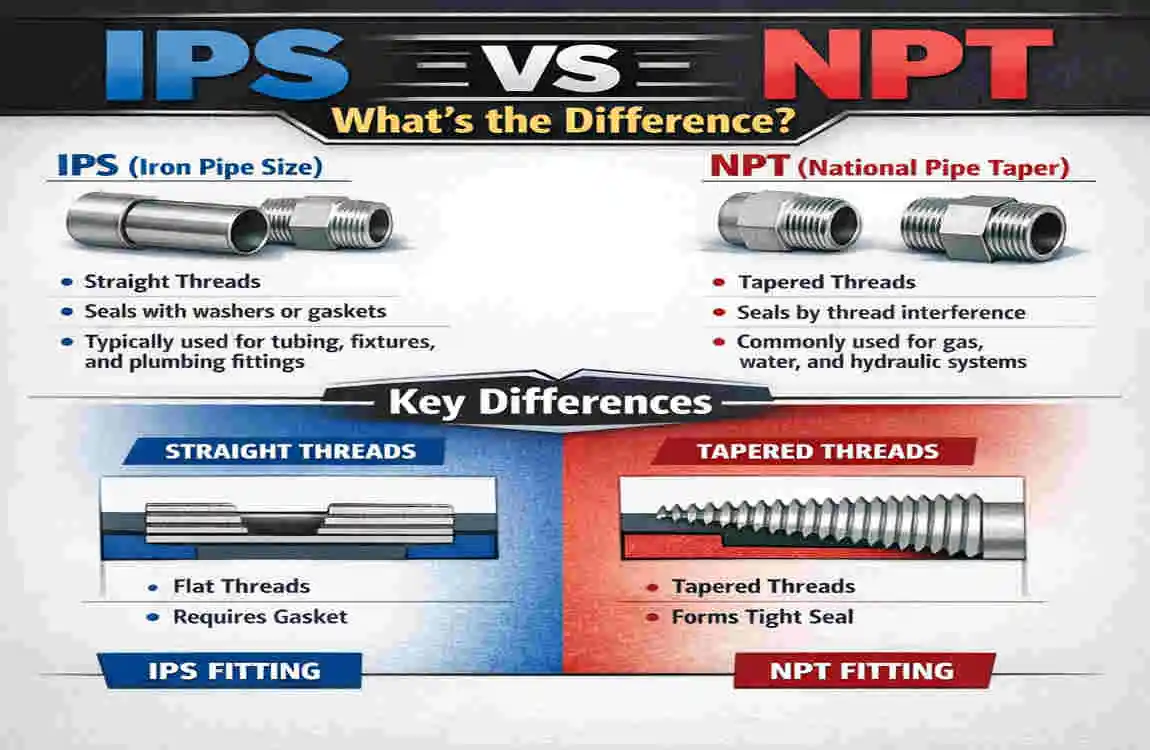
NPT stands for National Pipe Thread. It is another common pipe thread standard used in plumbing.
Similarities Between IPS and NPT
Both IPS and NPT are used in plumbing and both help connect pipes and fittings. Many home projects may look similar at first glance.
Key Differences
Here is a simple comparison:
Feature IPSNPT
Thread Type Straight/standard sizing Tapered
Usage Plumbing fixtures Pipe sealing
Common Use Residential plumbing Industrial piping
Can IPS and NPT Be Used Together?
Sometimes they may seem to fit, but that does not always mean they are the right match. Mixing them can cause leaks or weak connections.
If you are unsure, check the fitting label or ask a plumber. Thread seal tape can help in some cases, but it does not fix a wrong-size connection.
Benefits of IPS Connections in Home Plumbing
Easy Installation
One major benefit is that IPS connections are usually easy to assemble. You screw the parts into place, tighten them, and check for leaks.
Wide Compatibility
IPS is widely used, so it works with many plumbing pipe standards and fixture types. That makes it a practical option for many homes.
Easy Repairs and Replacements
If a part breaks, threaded IPS fittings can often be replaced without major work. This is helpful for homeowners who want a quick fix.
Durable and Reliable
When installed correctly, IPS connections are strong and long-lasting. They are a dependable choice for many home plumbing system needs.
Common Problems With IPS Connections
Leaks Around Threads
Leaks can occur if the threads are dirty, damaged, or poorly sealed. You may notice dripping, damp spots, or water stains.
Incorrect Pipe Sizing
A fitting that is even slightly the wrong size may not seal correctly. That is why checking pipe fitting sizes matters so much.
Corrosion and Rust
Older galvanized pipes can rust over time. This may weaken the connection or make it harder to remove parts later.
Cross-Threading Problems
Cross-threading occurs when threads do not align correctly during installation. This can damage the fitting and cause leaks.
Practical Tips
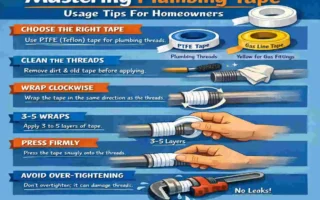
- Always use plumber’s tape
- Avoid overtightening
- Double-check the thread size
These small steps can save you from bigger plumbing problems later.
How to Identify an IPS Connection at Home
Visual Inspection Tips
Look for threaded ends on the pipe or fitting. Many IPS parts also have size markings stamped on them.
Measuring the Pipe Correctly
If you are unsure, measure the pipe carefully with a ruler or caliper. Focus on the diameter and compare it with the fitting label.
Reading Plumbing Labels
Many fittings are marked with terms like IPS, MIPS, or FIPS. These labels tell you what kind of connection you are dealing with.
When to Call a Professional Plumber
Call a plumber if:
- the replacement is part of a hidden system
- the fitting is corroded or damaged
- the pipe is part of a main water line
Some jobs are better left to a professional, especially when water damage could become expensive.
Tools and Materials Needed for IPS Plumbing Work
Essential Plumbing Tools
- Pipe wrench
- Adjustable wrench
- Pipe cutter
- Thread seal tape
Recommended Sealants
Most people use PTFE tape or pipe dope to help threaded joints seal better.
Safety Tips
Before starting any plumbing work, shut off the water supply. Also wear gloves and eye protection so you stay safe.
DIY Tips for Installing IPS Connections
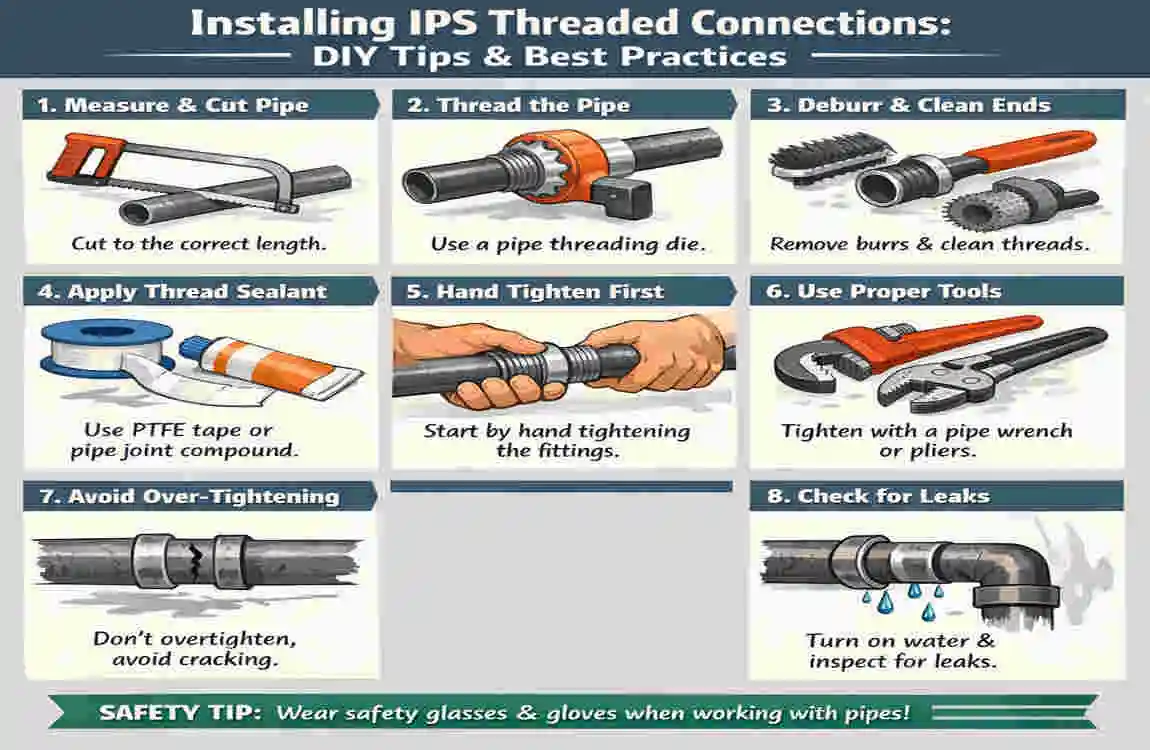
Step-by-Step Installation Basics
- Measure correctly
- Clean the threads
- Apply thread tape
- Tighten securely
- Test for leaks
Common DIY Mistakes
A few mistakes can cause problems fast:
- overtightening the fitting
- using the wrong size
- skipping sealant
When DIY Isn’t Recommended
Avoid DIY work on:
- main water lines
- gas plumbing systems
If the job affects the whole home, it is safer to call a professional.
Frequently Asked Questions About IPS Connections
Is IPS the same as NPT?
No. They are different thread systems. IPS is a sizing standard, while NPT uses tapered threads for sealing. They may look similar, but they are not always directly interchangeable.
What does IPS stand for in plumbing?
IPS stands for Iron Pipe Size. It is a standard used to identify pipe and fitting sizes in plumbing systems.
Are IPS fittings universal?
Not completely. Many are widely compatible, but you still need the right size and thread type. Always check the fitting before installing it.
Can PVC pipes use IPS threads?
Yes, some PVC fittings are made with IPS threads. However, not every PVC fitting uses the same standard, so you should always verify the label.
What size IPS connection is most common in homes?
The most common size in many homes is 1/2 inch, especially for sinks and faucets. Larger sizes, such as 3/4 inch, are also common in water supply lines.
How do I stop IPS fittings from leaking?
Use the correct size, clean the threads, apply thread seal tape, and tighten the fitting properly. If the leak continues, the fitting may be damaged or mismatched.
Are IPS connections good for water pressure?
Yes, IPS connections can handle normal home water pressure when installed correctly. The key is proper sizing and a good seal.
Can beginners install IPS plumbing fittings?
Yes, many beginners can handle simple IPS connections. Just take your time, use the right tools, and avoid over-tightening. For complex jobs, call a plumber.