Household plumbing is one of those things most homeowners do not think about until something goes wrong. But when it works well, life feels easier. Clean water flows where you need it, drains clear properly, and your home stays comfortable and safe.
If you understand the basics, you can catch small issues early, save money on repairs, and avoid bigger damage later. You do not need to become a plumber. You need to know how the system works, what problems to watch for, and when to call for help.
What Is Household Plumbing?
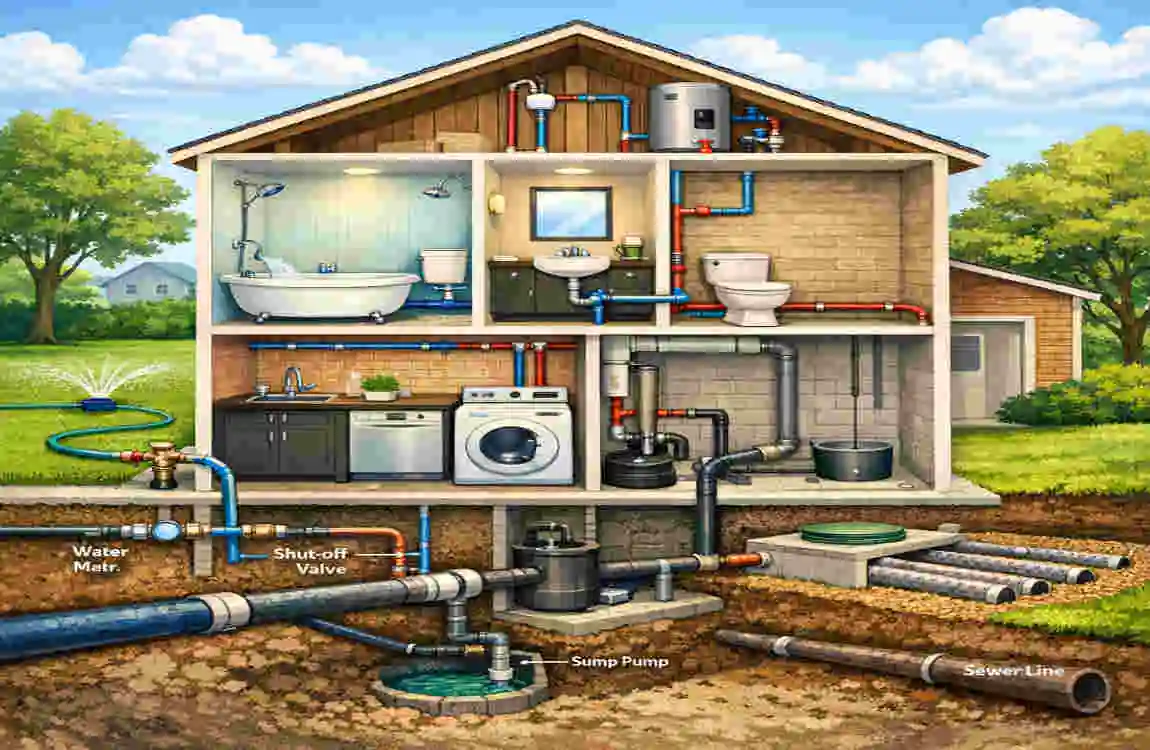
Definition of Household Plumbing
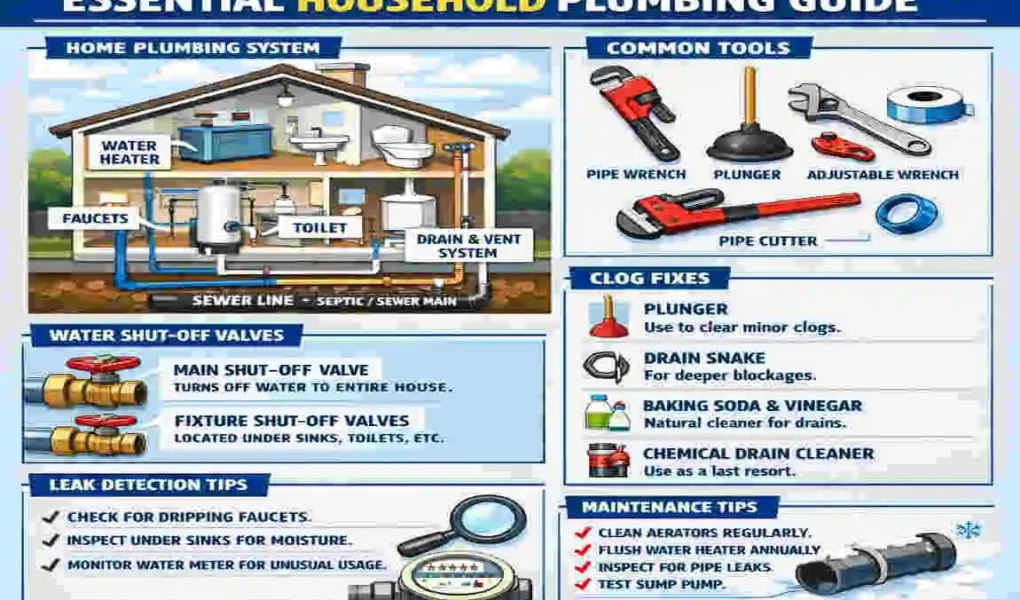
Household plumbing is the system of pipes, fixtures, valves, and drains that brings clean water into your home and moves wastewater out.
It includes three main parts:
- Water supply system that brings in fresh water
- Drainage system that carries waste away
- Vent pipes that help air move through the system
Together, these parts keep your home running smoothly every day.
How Household Plumbing Works
The process is simple once you break it down.
First, fresh water enters the home through the main supply line. Then it splits into smaller pipes that carry water to sinks, toilets, showers, and appliances. After use, the water flows through the drain pipes and enters the sewer or septic system.
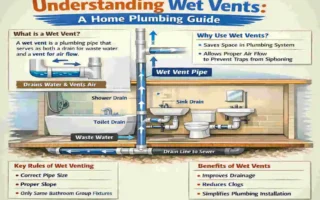
Vent pipes help the whole system work properly by allowing air to enter. Without them, drains can slow down, gurgle, or smell bad.
Main Components of a Household Plumbing System
Water Supply Pipes
These pipes carry clean water from the main line into your home. They feed your kitchen sink, bathroom fixtures, washing machine, and water heater.
If these pipes are damaged, you may notice low pressure, leaks, or no water at all.
Drain-Waste-Vent System
The DWV system is the part that removes wastewater. It includes:
- Drain pipes
- Waste pipes
- Vent pipes
This system depends on the right slope and good airflow. If something is wrong here, you may experience clogs, slow drains, or sewer odours.
Fixtures
Fixtures are the things you use every day, such as:
- Sinks
- Toilets
- Showers
- Bathtubs
These are the visible parts of your plumbing system, and they are often where problems first appear.
Water Heater
Your water heater warms water for bathing, cleaning, and washing. If it fails, daily routines become uncomfortable very quickly.
Common water heater issues include poor heating, strange noises, and rusty water.
Shut-Off Valves
Shut-off valves let you stop water flow to a fixture or to the whole luxury house. They are very important in emergencies.
If a pipe leaks, knowing where the valve is can save you from major water damage.
Types of Plumbing Pipes
Different homes use different pipe materials. Each one has its own strengths.
Copper Pipes
Copper is strong, durable, and long-lasting. It works well for water supply lines and can handle hot and cold water.
It usually costs more, but many homeowners trust it because it lasts a long time.
PEX Pipes
PEX is flexible, easy to install, and very common in modern homes. It works well for residential plumbing and can handle many types of layouts.
Because it bends easily, it often needs fewer fittings than rigid pipes.
PVC Pipes
PVC is lightweight and affordable. It is most often used for drain lines and vent lines rather than hot water supply.
It is a practical choice for many drainage systems.
CPVC Pipes
CPVC is similar to PVC but can handle hotter water. That makes it useful in some water supply applications.
It is often chosen where heat resistance matters more.
Cast Iron Pipes
Cast iron is strong and long-lasting. It is often found in older homes, especially in sewer lines and main drain systems.
It can last for decades, but it is heavy and may need to be replaced if it rusts or cracks.
Common Household Plumbing Problems
Leaky Faucets
A dripping faucet may seem small, but it wastes water and can raise your bill over time. It usually happens because of a worn washer, seal, or valve part.
Running Toilets
A toilet that keeps running can waste a lot of water. Often, the problem is a faulty flapper, fill valve, or chain inside the tank.
Low Water Pressure
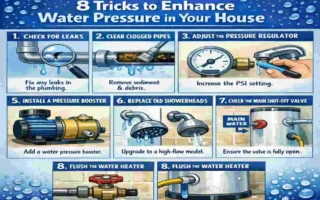
Low pressure can make showers weak and sinks slow. It may be caused by buildup in pipes, leaks, valve issues, or water supply problems.
Clogged Drains
Hair, grease, soap, and food can all cause blockages. Slow draining is often the first warning sign.
Burst Pipes
Burst pipes are serious and can cause major damage fast. They often happen in cold weather or when pipes are old and weak.
Water Heater Issues
If your water is not hot enough, or if the heater makes odd sounds, it may need attention. Sediment buildup and worn parts are common causes.
Sewer Line Problems
Bad odours, backups, and multiple slow drains can indicate a sewer issue. This is not usually a small DIY repair.
Essential Household Plumbing Maintenance Tips
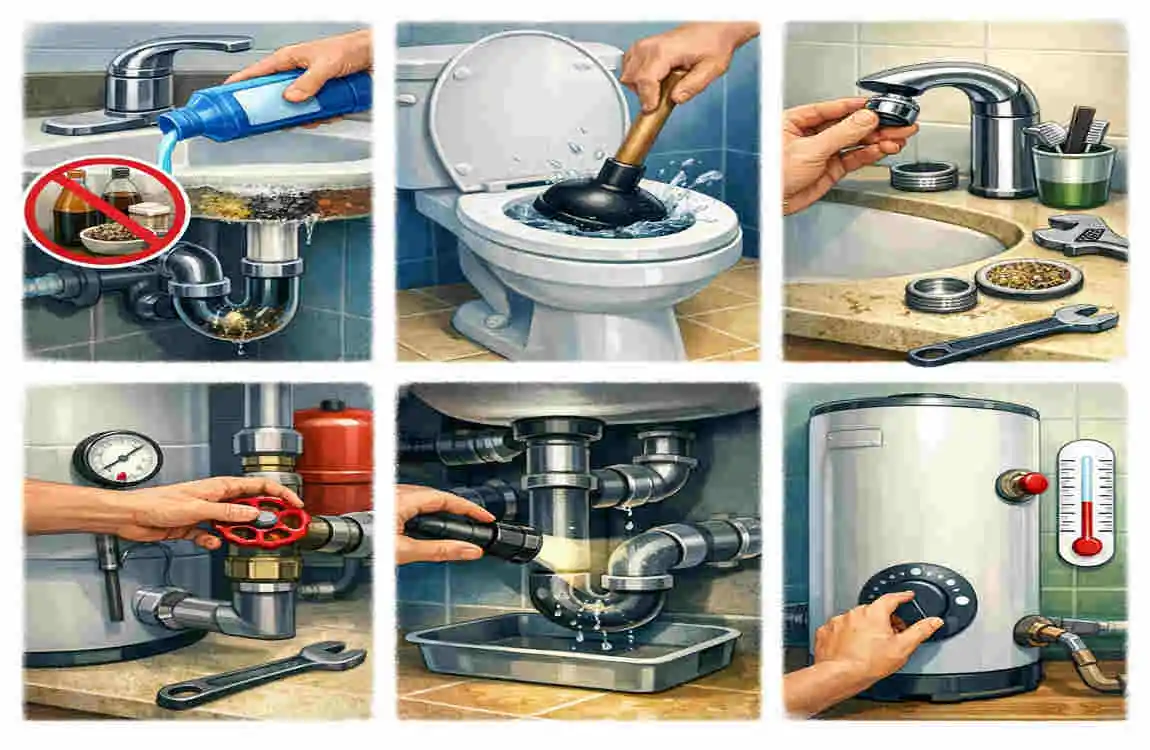
Check for Leaks Regularly
Look under sinks, around toilets, near the water heater, and along exposed pipes. Even a small leak can turn into a bigger problem.
Clean Drains Safely
Use drain strainers to catch hair and debris. Flush drains with hot water now and then, but avoid harsh chemicals.
Inspect Water Heater
Check for signs of rust, leaks, strange sounds, or poor heating. A little attention can help your heater last longer.
Prevent Frozen Pipes
In cold weather, keep your home warm and insulate exposed pipes. This can help prevent cracks and bursts.
Test Shut-Off Valves
Make sure your shut-off valves still turn easily. If one is stuck, you may not be able to stop a leak quickly.
Monitor Water Pressure
Very high pressure can damage pipes and fixtures. Very low pressure can signal another issue. A simple pressure check can help you catch trouble early.
Basic Household Plumbing Repairs You Can Do
Some small repairs are easy for homeowners. If you feel comfortable, you can try these.
Fix a Leaky Faucet
Most leaks come from worn parts inside the faucet. Replacing a washer or cartridge can often stop the drip.
Unclog a Sink
Start with a plunger or drain snake. If that does not work, the trap under the sink may need to be cleaned.
Replace a Showerhead
A new showerhead is usually easy to install and can improve water flow or reduce water use.
Stop a Running Toilet
Check the flapper, chain, and fill valve inside the tank. These parts are often cheap and easy to replace.
Replace a Faucet Washer
A worn washer is a common cause of drips. Swapping it out can solve the problem quickly.
When to Call a Professional Plumber
Major Pipe Leaks
If water is leaking fast or spreading through walls or floors, do not wait. Shut off the water and call a plumber.
Sewer Backups
Sewer problems can be messy and unsafe. A trained professional should handle these.
Water Heater Installation
Installing a new water heater is not a simple task. It usually needs experience and proper setup.
Gas Line Plumbing
Anything involving gas lines should be left to a licensed professional. Safety matters here.
Whole-House Repiping
If your home needs new pipes throughout, that is a big job. A plumber can help plan and complete it properly.
Tips to Save Water and Lower Plumbing Costs
A few small habits can help you save money over time:
- Install water-efficient fixtures
- Fix leaks immediately
- Use low-flow showerheads
- Run full dishwasher and laundry loads
- Insulate hot water pipes
These changes can reduce waste and improve your plumbing system’s performance.
Household Plumbing Safety Tips
Know the Main Water Shut-Off Location
Every homeowner should know where the main shut-off valve is. If a pipe bursts, this is the first thing you need.
Never Pour Grease Down Drains
Grease hardens inside pipes and causes clogs. Let it cool, then throw it away safely.
Avoid Chemical Drain Cleaners
These products can damage pipes and are often too harsh. Safer cleaning methods are better for long-term use.
Keep Plumbing Tools Available
A plunger, wrench, and flashlight can be very helpful in a small emergency.
Schedule Annual Inspections
A yearly plumbing check can catch problems before they become expensive repairs.
Signs Your Plumbing System Needs Attention
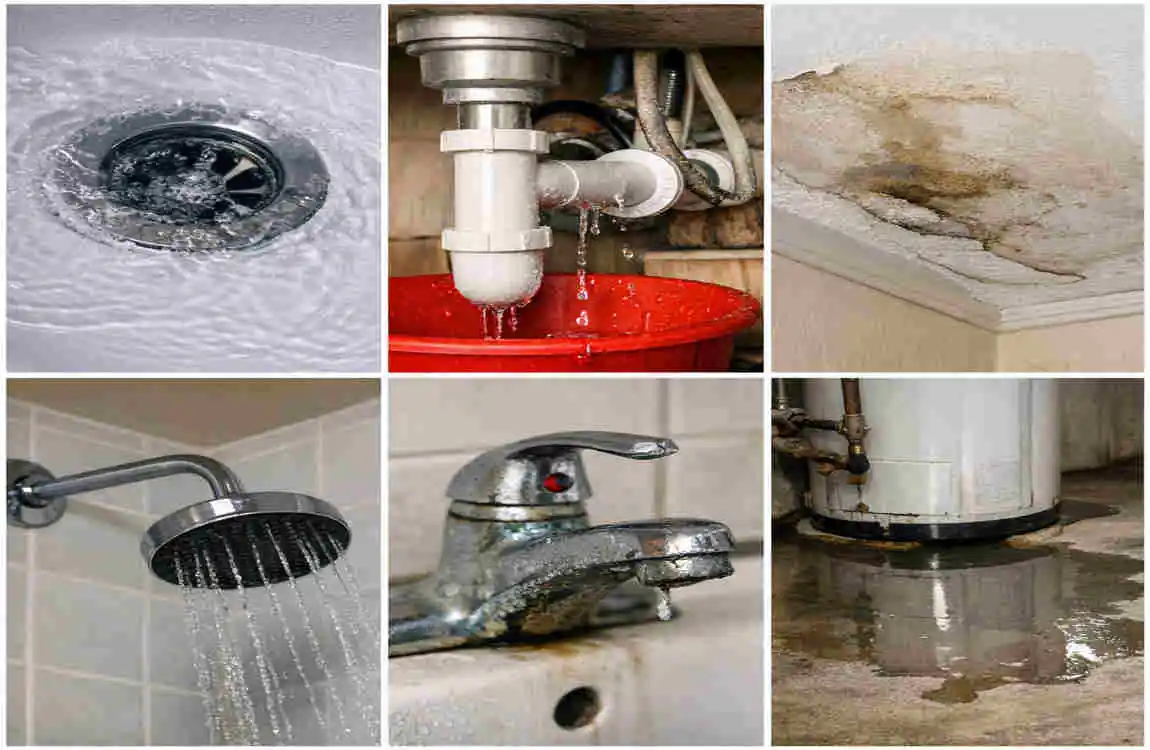
Watch for these warning signs:
- Water stains
- Slow drains
- High water bills
- Bad odors
- Rust-colored water
- Strange pipe noises
If you notice more than one of these, your plumbing system may need a closer look.
Frequently Asked Questions
What is household plumbing?
Household plumbing is the system of pipes, fixtures, drains, and valves that supplies clean water and removes wastewater from a home.
What are the most common household plumbing problems?
Leaky faucets, clogged drains, running toilets, low water pressure, burst pipes, and water heater issues are the most common.
How often should household plumbing be inspected?
A basic inspection should be done every year, while homeowners should visually check for leaks and other issues monthly.
Which pipe material is best for household plumbing?
PEX and copper are among the most popular choices because they are durable and reliable.
How can I prevent clogged drains?
Avoid pouring grease down drains, use drain strainers, and clean drains regularly with safe methods.
When should I call a plumber?
Call a professional for major leaks, sewer backups, burst pipes, water heater installation, or any plumbing issue beyond basic DIY repairs.
| Plumbing Topic | Essential Information |
|---|---|
| What Is Household Plumbing? | A home’s plumbing system supplies clean water and removes wastewater safely. |
| Main Water Supply | Brings fresh water into the house through the main water line. |
| Drain-Waste-Vent (DWV) System | Carries wastewater away and uses vents to prevent sewer gases from entering the home. |
| Shut-Off Valves | Allow you to stop water flow during repairs or emergencies. |
| Common Plumbing Fixtures | Sinks, toilets, showers, bathtubs, faucets, dishwashers, and water heaters. |
| Common Plumbing Problems | Leaky faucets, clogged drains, running toilets, low water pressure, and pipe leaks. |
| Basic Maintenance Tips | Check for leaks regularly, clean drains, inspect pipes, and test shut-off valves. |
| Water Heater Care | Flush the tank annually and inspect for rust, leaks, and sediment buildup. |