Choosing the right parts for your home’s water system might not sound exciting at first, but it actually makes a big difference in your daily life. From your morning shower to washing dishes, everything depends on good plumbing fixtures.
When you understand what are plumbing fixtures, you start making smarter decisions for comfort, water savings, and long-term durability.
Plumbing fixtures are used every single day. If they are low-quality or poorly chosen, you may experience leaks, water waste, or frequent repairs.
What Are Plumbing Fixtures?
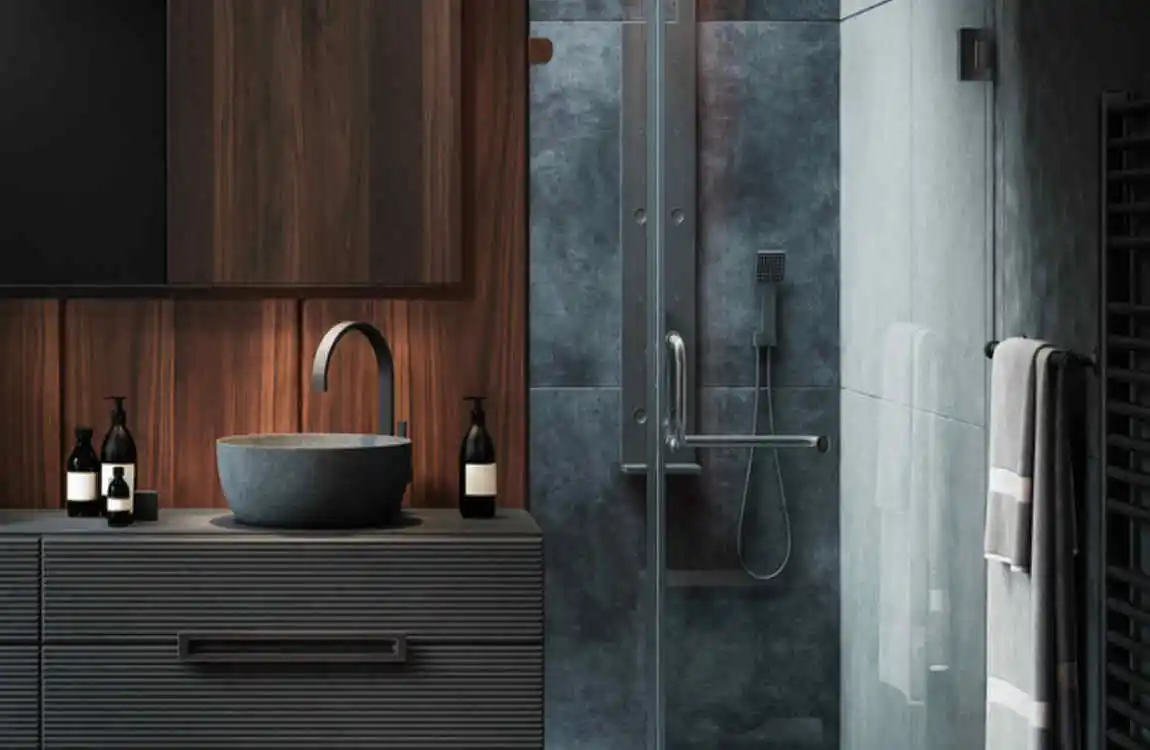
Before choosing anything, it is important to understand what are plumbing fixtures in real terms clearly.
Simple Definition of Plumbing Fixtures
Plumbing fixtures are the visible parts of your plumbing system that deliver or drain water.
In simple words, they are the things you use water through every day.
They are permanently connected to your water system and help you:
- Get clean water
- Use water for daily tasks
- Drain used water safely
Common Examples Found in Residential Homes
You use plumbing fixtures more often than you realize. Some common examples include:
- Bathroom sinks
- Toilets
- Showers and bathtubs
- Kitchen sinks
- Outdoor water taps
These are all fixtures you interact with daily.
Difference Between Plumbing Fixtures and Plumbing Fittings
Many people confuse fixtures with fittings, but they are not the same.
Plumbing FixturesPlumbing Fittings
Visible and usable parts Hidden connection parts
Used for water use Used for connecting pipes
Example: sink, toilet Example: pipes, joints
Think of fixtures as the “tools you use” and fittings as the “system inside the walls.”
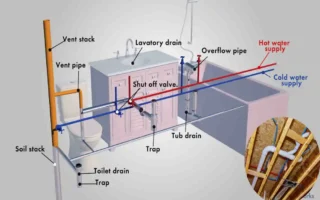
Role of Fixtures in Water Supply and Drainage Systems
Fixtures connect your daily activities with the plumbing system. They:
- Deliver clean water into your home
- Control water flow
- Remove waste water safely
Without them, your plumbing system would not be usable.
Types of Plumbing Fixtures in a Home
Different areas of your home need different fixtures. Let’s break them down clearly.
Bathroom Plumbing Fixtures
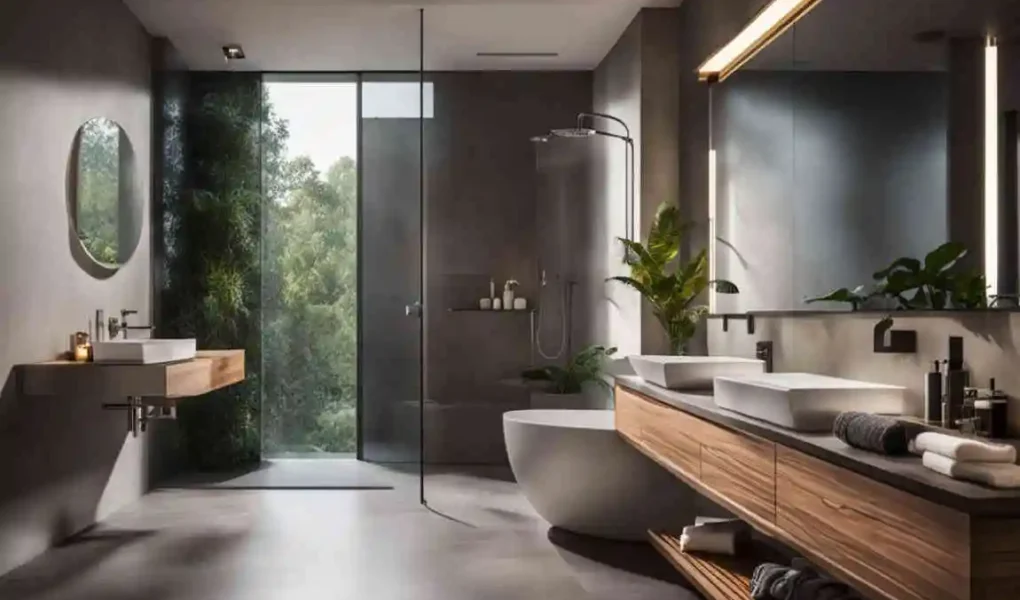
The bathroom uses the most plumbing fixtures in a home.
Sinks and Basins
Bathroom sinks are used for washing hands, brushing teeth, and washing the face. They come in different shapes and sizes.
Toilets
Toilets are essential fixtures designed for waste disposal. Modern toilets also help conserve water with dual-flush systems.
Bathtubs and Showers
These are used for bathing and relaxation. Showers are more water-efficient, while bathtubs offer comfort.
Kitchen Plumbing Fixtures
The kitchen is another high-use area for water.
Kitchen Sinks
Kitchen sinks are used for washing dishes, vegetables, and cleaning utensils.
Faucets and Mixers
These control water flow and temperature. Modern mixers make cooking tasks easier.
Dishwashing Connections
Some kitchens also include built-in dishwashing connections for appliances.
Outdoor Plumbing Fixtures
Outdoor areas also need proper water systems.
Garden Taps
Used for watering plants and cleaning outdoor spaces.
Hose Bibs
These connect hoses for outdoor cleaning tasks.
Outdoor Drainage Systems
These help manage rainwater and prevent flooding.
Key Factors to Consider Before Choosing Plumbing Fixtures
Choosing fixtures is not just about looks. You need to think practically.
Budget and Cost Planning
Always decide your budget first. Fixtures come in different price ranges.
- Low-cost options for basic use
- Mid-range for balanced quality
- Premium for luxury and durability
Water Efficiency and Conservation
Water-saving fixtures help reduce bills and protect the environment. Look for designs that control flow.
Material Quality and Durability
Strong materials last longer and need fewer repairs. Good materials include stainless steel and brass.
Style and Interior Design Compatibility
Your fixtures should match your home design. A modern bathroom needs modern fixtures.
Ease of Maintenance and Repair
Choose fixtures that are easy to clean and repair. This saves time and money later.
How to Choose Bathroom Plumbing Fixtures
Bathrooms need careful planning because they are used daily.
Selecting the Right Toilet Type
Choose between:
- Wall-mounted toilets
- Floor-mounted toilets
- Dual flush systems
Dual flush toilets are great for saving water.
Choosing Bathroom Sinks and Vanities
Pick a sink based on space and usage. Small bathrooms need compact sinks, while large ones can have stylish vanity units.
Bathtub vs Shower Decision
Ask yourself:
- Do you prefer quick showers?
- Or relaxing baths?
Showers save water, while bathtubs offer comfort.
Importance of Faucet Design and Water Flow Control
Good faucets help control water smoothly. Look for easy handles and steady flow.
How to Choose Kitchen Plumbing Fixtures
Kitchen fixtures should be practical and durable.
Single vs Double Bowl Kitchen Sinks
- Single bowl: Better for small kitchens
- Double bowl: Useful for multitasking
Choosing the Right Faucet Style
Go for flexible faucets that rotate easily. This makes cleaning easier.
Importance of Sprayers and Water Pressure
Sprayers help wash dishes faster. Good water pressure improves efficiency.
Matching Fixtures with Kitchen Design
Your kitchen should look balanced. Stainless steel fits modern kitchens well.
Materials Used in Plumbing Fixtures
Material choice affects durability and cost.
Stainless Steel Fixtures
Strong, rust-resistant, and long-lasting. Very popular in kitchens.
Brass and Copper Fixtures
Durable and stylish, often used in Premium homes.
Ceramic and Porcelain Fixtures
Common in bathrooms, especially sinks and toilets.
Plastic and Composite Materials
Lightweight and affordable but less durable.
Modern Trends in Plumbing Fixtures
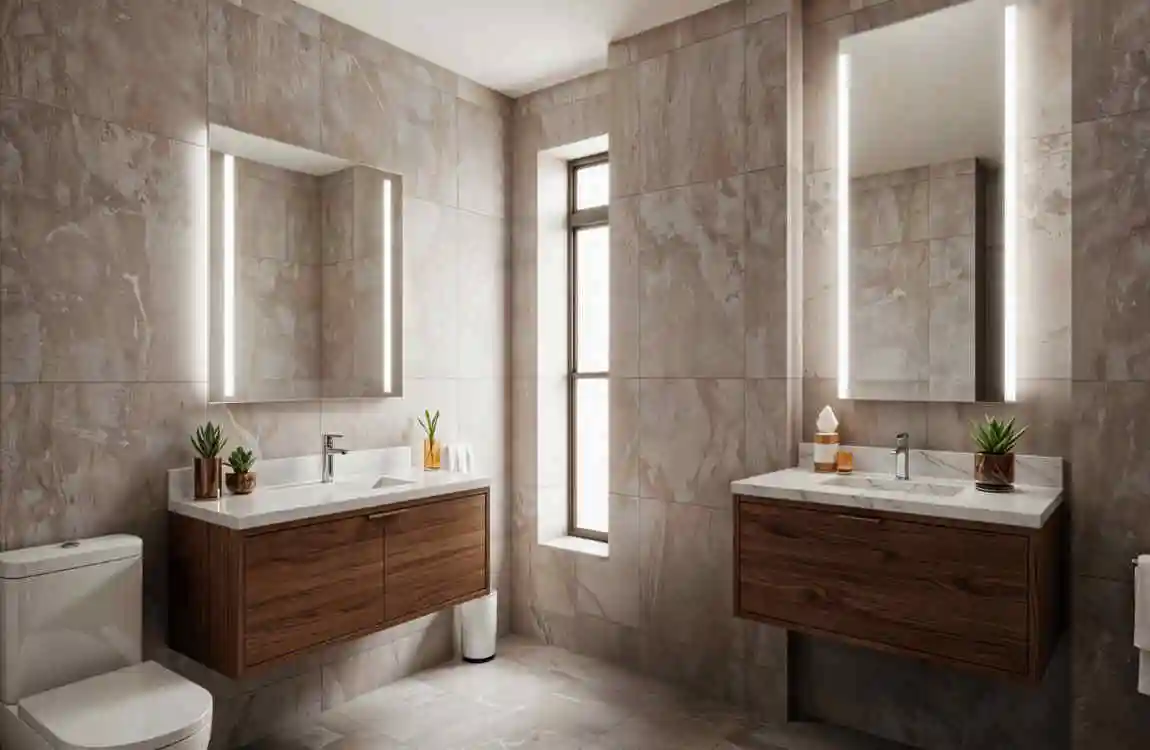
Modern homes are adopting smarter designs.
Smart Plumbing Fixtures with Sensors
These automatically turn water on and off, reducing waste.
Water-Saving and Eco-Friendly Designs
Designed to reduce water usage without affecting performance.
Touchless Faucets and Automation
You don’t need to touch them, which improves hygiene.
Minimalist and Luxury Fixture Designs
Simple, clean designs are becoming more popular in modern homes.
Common Mistakes to Avoid When Choosing Plumbing Fixtures
Avoid these mistakes for better results.
Ignoring Water Pressure Compatibility
Low or high pressure can affect fixture performance.
Choosing Style Over Functionality
Looks matter, but performance matters more.
Overlooking Maintenance Requirements
Some fixtures are harder to clean than others.
Buying Low-Quality Cheap Fixtures
Cheap products often lead to frequent repairs.
Installation Considerations for Plumbing Fixtures
Installation is just as important as selection.
Professional Installation vs DIY
Simple fixtures can be DIY, but complex ones need professionals.
Importance of Proper Plumbing Layout
Poor layout can cause leaks and inefficiency.
Checking Compatibility with Existing Systems
Always check if new fixtures match your current plumbing.
Safety and Leak Prevention Measures
Proper sealing and fitting prevent long-term damage.
Maintenance Tips for Plumbing Fixtures
Proper care increases lifespan.
Regular Cleaning and Care
Clean fixtures regularly to avoid dirt buildup.
Preventing Limescale and Rust Build-Up
Use mild cleaners to protect surfaces.
Fixing Minor Leaks Early
Small leaks can become big problems if ignored.
When to Replace Old Fixtures
Replace fixtures if they are frequently breaking or outdated.
Cost Guide for Plumbing Fixtures
Costs vary widely depending on quality.
TypePrice RangeFeatures
Budget Low Basic functionality
Mid-range Medium Balanced quality and design
Premium High Luxury, durability, smart features
Long-Term Value vs Initial Cost
Sometimes spending more initially saves money in the long run.
How Plumbing Fixtures Impact Water Efficiency
Role in Reducing Water Consumption
Efficient fixtures reduce unnecessary water flow.
Energy Savings Through Efficient Fixtures
Using less hot water means lower energy bills.
Environmental Benefits of Modern Designs
Water-saving designs help protect natural resources.
Plumbing Fixtures and Home Value
How Fixtures Influence Property Appeal
Modern fixtures make homes look more attractive.
Impact on Real Estate Resale Value
Good plumbing increases buyer interest.
Buyer Preferences in Modern Homes
Buyers prefer clean, modern, and efficient bathrooms and kitchens.
Comparison of Different Plumbing Fixture Brands (General Overview)
Budget Brands vs Premium Brands
Budget brands are affordable, while Premium brands last longer.
Features to Look for in Reliable Brands
- Durability
- Warranty
- Water efficiency
Warranty and After-Sales Support
Good support ensures long-term peace of mind.
Step-by-Step Guide to Choosing the Right Plumbing Fixtures
Assessing Your Home Needs
Understand how each space is used.
Setting a Realistic Budget
Decide how much you can comfortably spend.
Comparing Materials and Designs
Look for balance between style and strength.
Consulting a Plumbing Expert
Expert advice helps avoid mistakes.
Final Selection and Installation Planning
Choose carefully and plan installation properly.
Future of Plumbing Fixtures in Modern Homes
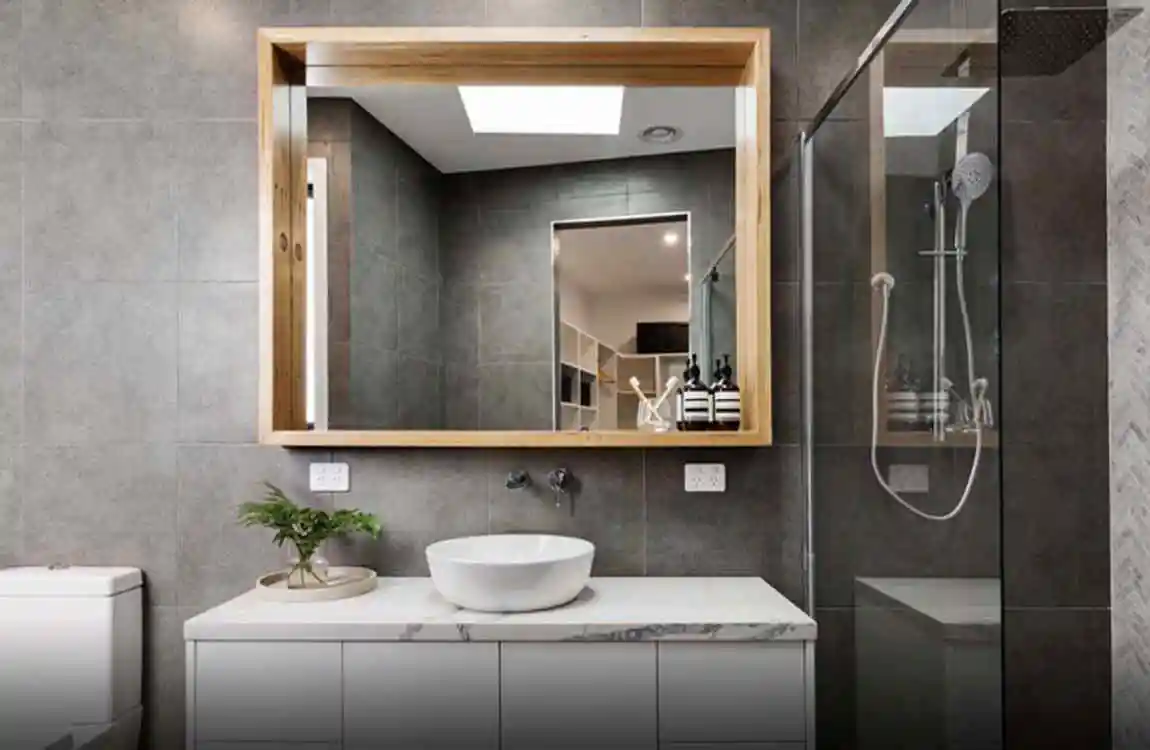
Smart Home Integration
Fixtures will connect with home automation systems.
Sustainable and Eco-Friendly Innovations
More focus on saving water and energy.
Advanced Water Monitoring Systems
Homes will track water usage in real time.
Trends in Modern Interior Design
Minimalist and smart designs will continue to grow.
FAQs About Plumbing Fixtures
What are plumbing fixtures in simple terms?
They are the visible water-use components in your home, such as sinks, toilets, and showers.
What are the most common plumbing fixtures in a house?
Bathrooms, kitchens, and outdoor taps are the most common.
How do I choose the best plumbing fixtures for my home?
Focus on quality, water efficiency, design, and budget.
Are expensive plumbing fixtures worth it?
Yes, they often last longer and need fewer repairs.
How long do plumbing fixtures usually last?
Good-quality fixtures can last for many years with proper care.
| Step | What to Consider | Key Tip |
|---|---|---|
| Understand your needs | Identify bathroom, kitchen, and outdoor requirements | Focus on daily usage first |
| Set a budget | Decide how much you want to spend | Balance cost with quality |
| Choose materials | Stainless steel, brass, ceramic, or plastic | Pick durable and easy-to-maintain options |
| Check water efficiency | Look for water-saving designs | Reduce bills and water waste |
| Match home style | Ensure fixtures fit your interior design | Keep a consistent look |
| Evaluate quality | Check brand reputation and durability | Avoid very cheap low-quality products |
| Consider installation | Professional vs DIY installation | Hire experts for complex setups |