Your air conditioner works hard during hot weather, and a lot of that work happens outside your home. The outdoor condenser unit releases heat from your house, so when it struggles, your indoor comfort drops too.
That is why many homeowners ask: does spraying the AC condenser with water help cool the house? It sounds like a simple fix, and in some cases, it really can help for a short time.
Water can lower the condenser’s surface temperature and help it release heat more easily. But it is not a long-term solution. If you want better comfort and lower energy use, regular maintenance usually does more good.
Understanding How an AC Condenser Works
What Is an AC Condenser?
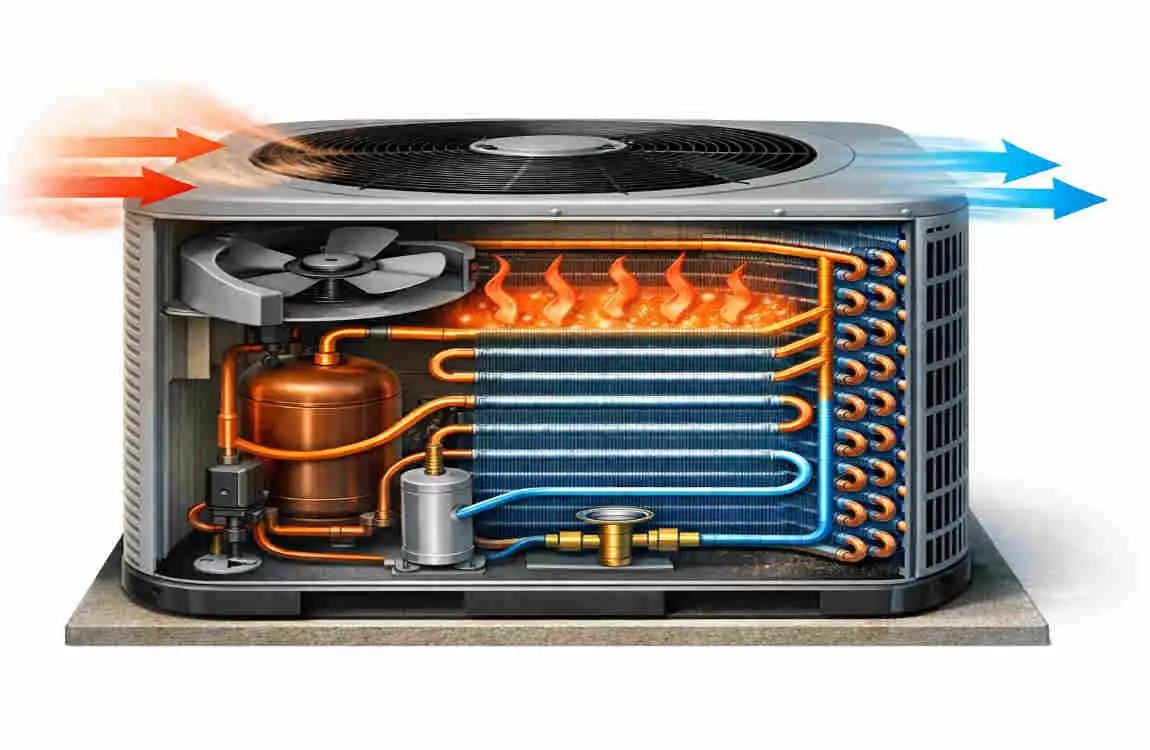
The condenser is the outdoor part of your AC system. Its job is to take heat from inside your home and release it outside.
Inside the unit, refrigerant carries heat from your indoor air. That warm refrigerant moves through the condenser coils, where the heat is released into the outdoor air. Once that heat leaves the system, the refrigerant cools down and goes back inside to keep the cooling cycle going.
The condenser has to work in hot weather, which is already a challenge. If the outdoor air is very hot, the unit has a harder time dumping heat. That can slow cooling and reduce efficiency.
Why Does the Condenser Get Hot?
The condenser gets hot for a few simple reasons.
First, it is sitting outside in direct sunlight or warm air. Second, it is constantly moving heat out of your home. Third, dust, leaves, grass, and other debris can block airflow and make the unit work harder.
When the coils cannot release heat well, the whole system feels the strain. Your AC may run longer, use more electricity, and cool less effectively.
The Connection Between Condenser Efficiency and Indoor Cooling
A clean and efficient condenser helps your home stay cooler because the refrigerant cycle works the way it should. When the condenser can release heat quickly, the AC does not need to run as long.
If the condenser is dirty or overheated, the system may struggle. That means more runtime, higher energy bills, and weaker cooling indoors.
So yes, the outdoor unit plays a big role in how cool your home feels.
Does Spraying AC Condenser With Water Help Cool House?
How Water Helps Cool an AC Condenser
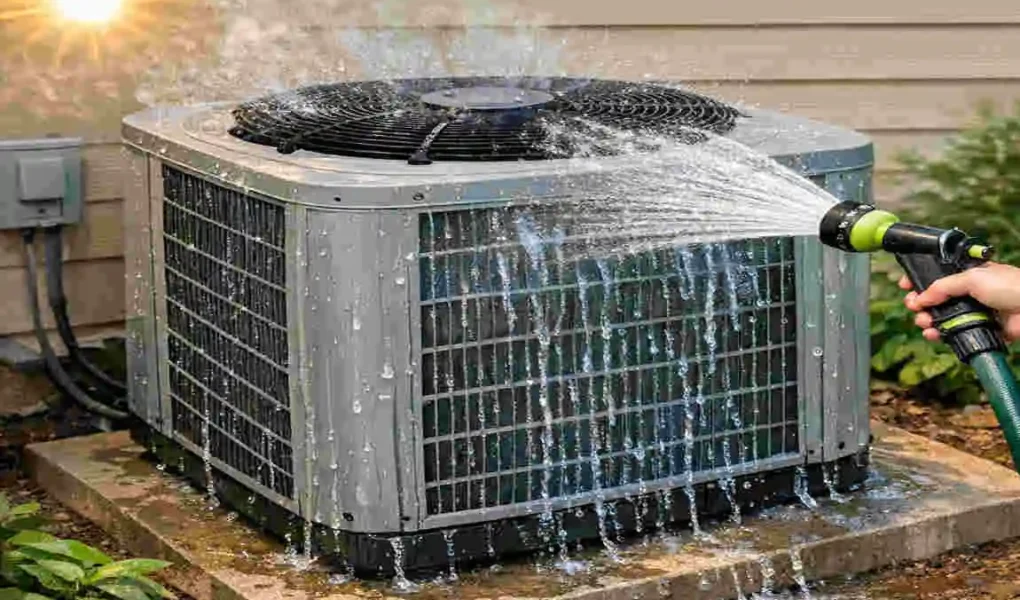
The basic idea is evaporative cooling. When you spray water on the condenser, the water absorbs heat from the surface and starts to evaporate. As it evaporates, it carries heat away.
That cooler surface can help the condenser coils release heat more easily. In simple terms, the unit may breathe a little better and work a little less hard.
This can help the refrigerant lose heat faster, which may improve cooling inside the home. But the effect is usually temporary.
When Spraying Water May Improve AC Performance
Spraying water may be useful when:
- The weather is extremely hot
- The climate is dry
- The condenser feels overheated
- The system is under heavy load during peak summer hours
In dry weather, water evaporates faster, so the cooling effect happens more quickly. That is why this trick tends to work better in hot, dry areas than in humid ones.
How Much Cooling Improvement Can You Expect?
You should keep your expectations realistic. Spraying water on the condenser will not increase the actual capacity of your AC system. It does not turn a small unit into a bigger one.
What it can do is help the condenser release heat more easily for a short period. That may make the system run a little more smoothly and more coolly.
MethodCooling EffectLong-Term Benefit
Spraying water on condenser Temporary improvement Low
Cleaning coils Moderate improvement High
Regular maintenance Best improvement High
So, if you are asking whether spraying AC condenser with water helps cool the house, the answer is yes, but only a little and only for a short time.
Benefits of Spraying Water on an AC Condenser
Helps Reduce Condenser Temperature
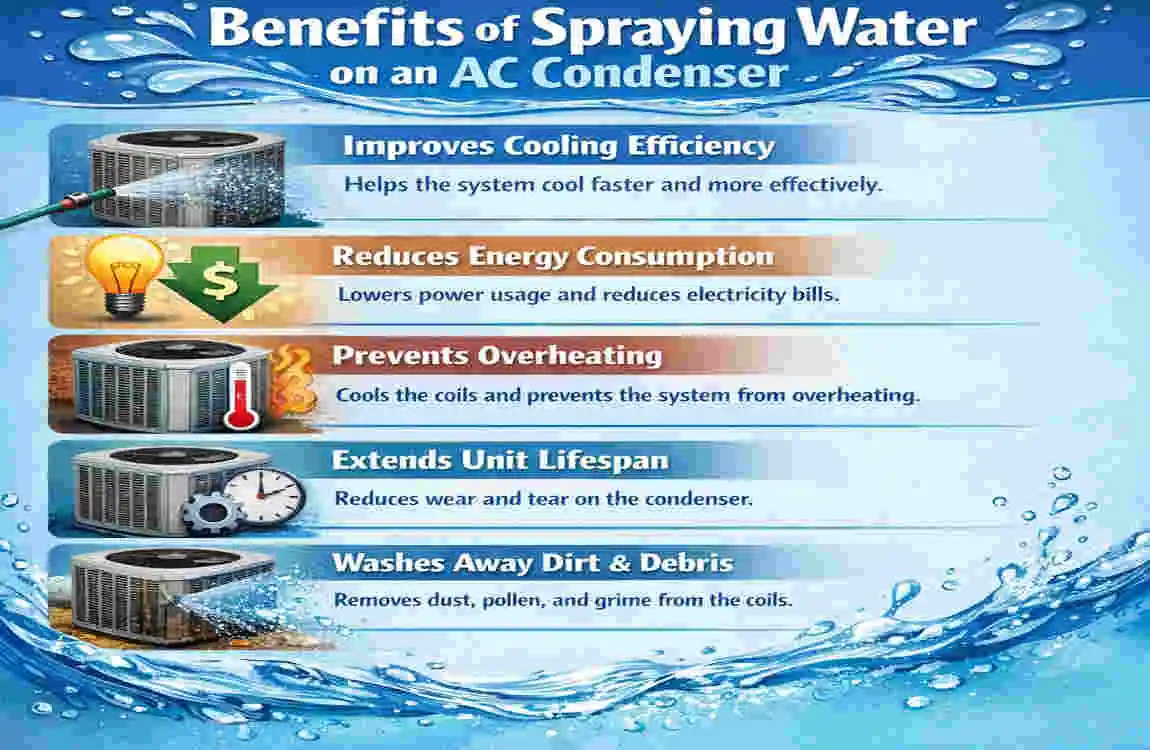
The most direct benefit is that water can lower the surface temperature of the condenser coils. When the coils are cooler, the system may shed heat more easily.
This can be helpful during very hot afternoons when the unit is under pressure.
May Improve Cooling Efficiency
If the condenser can reject heat faster, the refrigerant cycle may run more smoothly. That may slightly improve cooling performance inside your home.
You may notice the AC cycles feel a bit more balanced, especially during short heat spikes.
Can Reduce AC Stress During Hot Weather
A hot condenser can place extra strain on the compressor and other parts of the system. Spraying water may reduce some of that pressure.
It is a small relief, not a cure. But in very hot weather, a small improvement can still matter.
Risks of Spraying Water on Your AC Condenser
Mineral Buildup on Condenser Coils
If your water has a lot of minerals, it can leave residue on the coils after it dries. Over time, that buildup may reduce airflow and lower efficiency.
This is especially important if you have hard water. Hard water can leave white deposits that are not easy to remove.
Possible Electrical Safety Concerns
Your AC condenser has electrical parts inside it. Water should never be sprayed into the control area, wiring, or electrical panel.
Even if the outer shell looks tough, the internal components are sensitive. Safety should always come first.
Overusing Water Can Cause Problems
Too much water use can lead to corrosion over time. It can also damage the delicate metal fins if you spray too hard.
The condenser is built to handle outdoor weather, but it is not meant to be blasted constantly with water.
Using Dirty Water Can Reduce Performance
If the water you use is dirty or dusty, it can push grime into the coils instead of cleaning them. That can make the problem worse.
Use clean water and a gentle spray if you choose to do this.
How to Safely Spray Water on an AC Condenser
Turn Off the AC Unit First
Before you do anything, switch off the AC. This is the safest way to prevent electrical problems and protect the unit.
Wait for the condenser to stop running before you spray it.
Use a Gentle Water Spray
Do not use a pressure washer. High pressure can bend the fins and damage the unit.
A garden hose with a gentle spray setting is usually enough.
Spray the Condenser Coils Carefully
Spray the outside of the unit evenly and lightly. Focus on washing away dust, dirt, and small debris.
Do not aim water directly at the electrical sections or force water deep into the unit.
Allow the Unit to Dry Before Restarting
Give the condenser a little time to dry before turning the AC back on. That helps protect the system and keeps things running safely.
Better Ways to Keep Your AC Condenser Cool
Clean the Condenser Coils Regularly
This is one of the best AC condenser cooling tips you can follow. Dirt, grass, and leaves can block airflow and reduce efficiency.
Cleaning the coils helps the unit release heat more easily. It can also improve the overall life of the system.
Maintain Proper Clearance Around the Unit
The outdoor unit needs breathing room. If plants, boxes, fences, or furniture are too close, airflow gets blocked.
Keep enough open space around the condenser so air can move freely.
Provide Shade for the Condenser
Shade can help, but it must be done carefully. You should never block airflow to add shade.
A good shade solution can reduce direct sun exposure while still letting air move through the unit.
Change Air Filters Frequently
A clogged indoor air filter makes the whole AC system work harder. When airflow inside the home is restricted, the outdoor unit also feels the strain.
Changing filters regularly is a simple way to reduce AC energy consumption.
Schedule Professional AC Maintenance
A trained technician can check refrigerant levels, inspect electrical parts, and clean hard-to-reach areas.
This is often the best long-term approach for cleaning condenser coils and keeping the system efficient.
Spraying Water vs Other AC Cooling Methods
Cooling Method Effectiveness Safety
Spraying water Temporary boost Medium
Cleaning coils High Safe
Adding shade Moderate Safe
Professional maintenance Very high Best
This table makes the difference clear. Spraying water can help in the short term, but maintenance and cleaning give you better long-term results.
Common Mistakes People Make When Cooling an AC Condenser
Using a Pressure Washer
This is one of the biggest mistakes. A pressure washer can bend the fins and reduce airflow.
Once the fins are damaged, the condenser may not cool as well.
Spraying Water While the AC Is Running Incorrectly
If you spray carelessly while the unit is operating, you may send water toward electrical parts. That is risky.
Always be careful and turn the system off first.
Ignoring Regular Maintenance
Water cannot fix everything. If the coils are dirty, the refrigerant is low, or the fan is failing, spraying water will not solve the real issue.
Regular servicing matters much more than a quick spray.
Signs Your AC Condenser Needs Attention
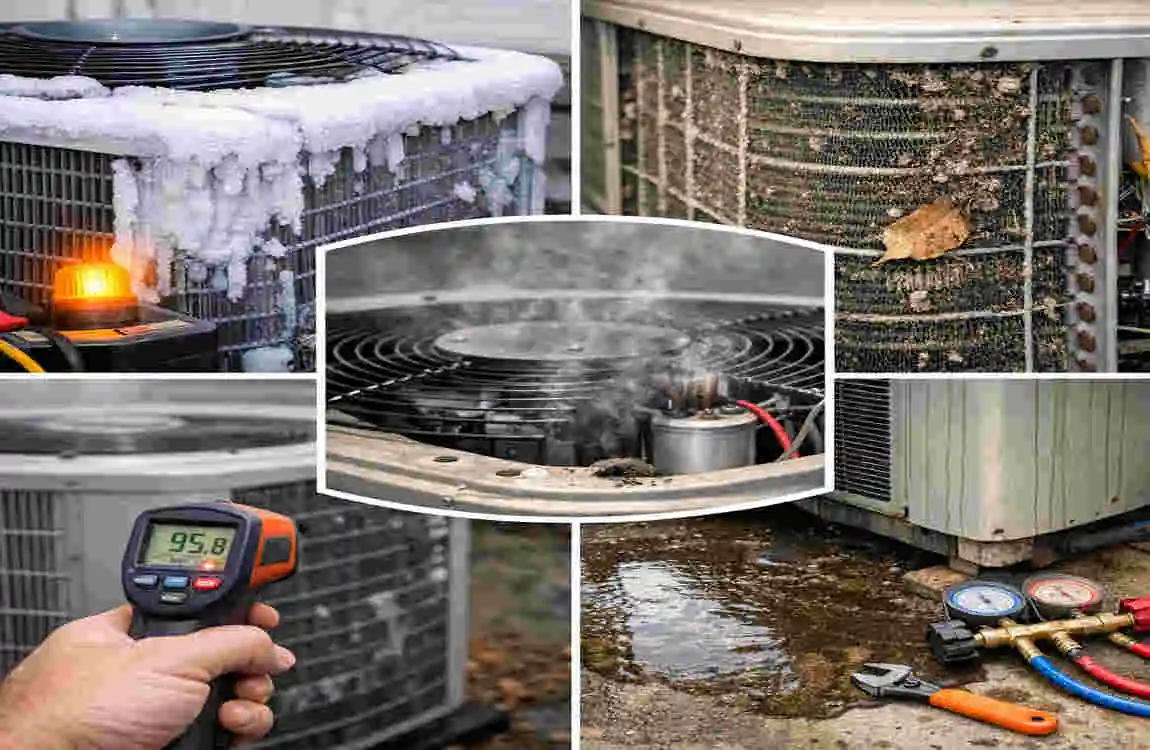
AC Is Blowing Warm Air
If the indoor air feels weak or warm, your condenser may not be releasing heat properly.
This is one of the first signs that the system needs attention.
Longer Cooling Cycles
If your AC runs longer than usual, it may be struggling to reach the set temperature.
That can point to dirty coils, blocked airflow, or other condenser problems.
Higher Electricity Bills
A struggling AC system uses more power. If your bill suddenly rises without a clear reason, the condenser could be part of the problem.
Outdoor Unit Makes Strange Sounds
Buzzing, rattling, or clicking noises are not normal. These sounds may mean something inside the unit needs repair.
FAQ
Q: Does spraying AC condenser with water help cool house?
Answer: Yes, spraying water can temporarily improve condenser efficiency by helping release heat, especially during extremely hot weather. However, it is not a replacement for proper AC maintenance.
Q: Can I spray my AC condenser while it is running?
Answer: It is safer to turn off the unit before spraying water. Avoid getting water near electrical components.
Q: How often should I spray water on my AC condenser?
Answer: Occasional use during very hot conditions is generally enough. Regular maintenance and coil cleaning provide better results.
Q: Can water damage my AC condenser?
Answer: Yes, improper spraying, high water pressure, or mineral-heavy water can damage condenser fins or create buildup.
Q: What is the best way to cool an outdoor AC unit?
Answer: Cleaning coils, improving airflow, providing shade, changing filters, and scheduling maintenance are the most effective methods.
Q: Does spraying water reduce AC electricity bills?
Answer: It may slightly improve efficiency temporarily, but major savings come from regular maintenance and an energy-efficient system.
| Step | Method | Explanation |
|---|---|---|
| Turn Off the AC Power | Safety first | Switch off the AC unit before spraying water to avoid electrical hazards and damage. |
| Clean the Condenser Coils | Remove dirt and debris | Gently rinse the outdoor condenser coils with a garden hose to improve airflow and cooling efficiency. |
| Use a Light Water Mist | Spray around the condenser | A fine mist of water can help cool the hot condenser surface and improve heat release during extreme heat. |
| Avoid High Water Pressure | Protect the fins | Strong water pressure can bend condenser fins and reduce airflow. |
| Keep the Area Clear | Improve ventilation | Remove leaves, grass, and objects around the condenser so cooled air can circulate properly. |
| Check Drainage | Prevent water buildup | Ensure water does not collect around electrical components or the AC base. |
| Use a Misting System Carefully | Extra cooling support | A properly installed condenser misting kit can reduce temperatures but should not run constantly. |
| Monitor AC Performance | Check results | If cooling does not improve, the unit may need coil cleaning, refrigerant checks, or professional service. |