When people talk about property value, they often think about location, size, and market demand. But there is another important idea that helps explain what a building is truly worth: construction cost. This is where reproduction cost becomes useful.
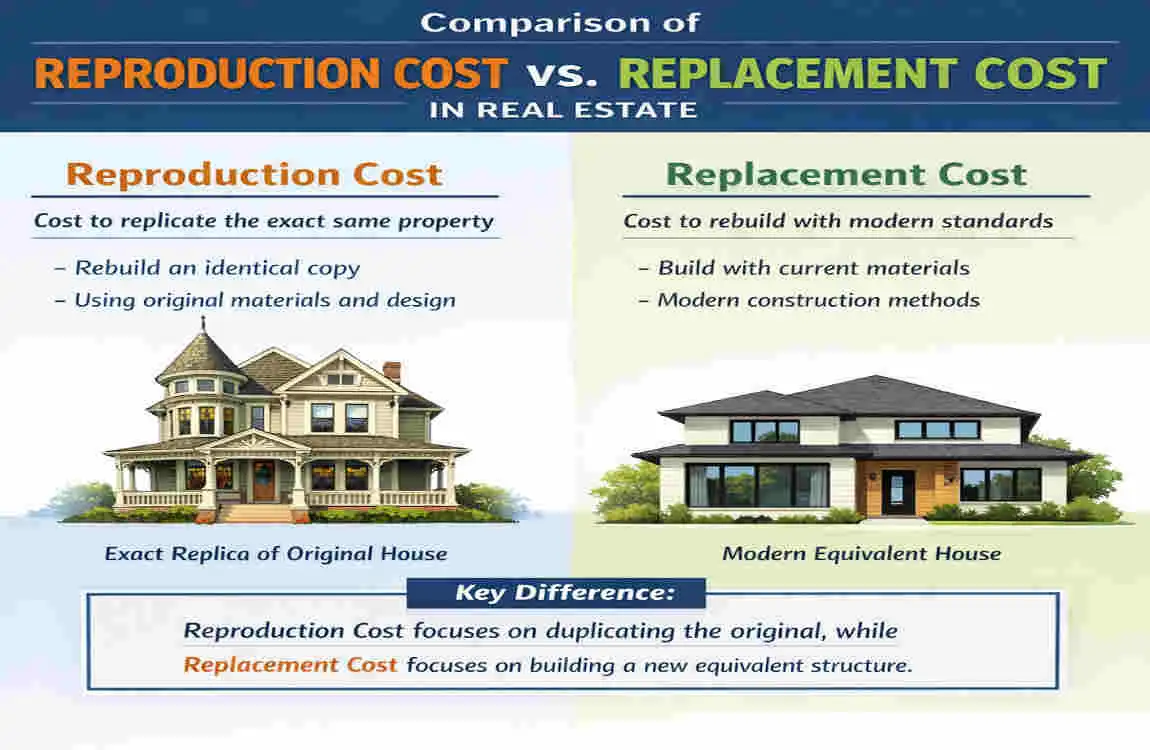
If you have ever wondered what reproduction cost in real estate is, the simple answer is this: it is the estimated cost to build an exact copy of an existing property. That means the same design, the same materials, and the same level of detail.
This concept matters a lot in real estate valuation because not every building can be valued by comparing it to nearby similar homes. Some properties are unique. Some are historic. Some have custom features that are hard to replace. In those cases, reproduction cost gives appraisers, investors, and property owners a better way to understand value.
What Is Reproduction Cost in Real Estate?
Definition of Reproduction Cost
Reproduction cost is the estimated amount needed to rebuild an exact duplicate of a property as it exists today. It is not just about building something similar. It is about creating the same building with the same materials, the same design, and the same construction method.
That means if the original home used rare brick, custom woodwork, or special stone, those details must be included in the estimate. The goal is to copy the building as closely as possible.
This is one of the more detailed real estate appraisal terms, and it is often used in the cost approach method. That approach looks at how much it would cost to rebuild the property, then adjusts for age and wear.
Why Reproduction Cost Matters in Property Valuation
Reproduction cost helps people understand the value of a building that may not have many close comparisons in the market. That is especially true for:
- Unique homes
- Historical buildings
- Custom properties
For example, a standard house in a neighbourhood may be easy to compare with other nearby homes. But a one-of-a-kind estate with handcrafted details may not fit normal comparison methods very well.
In those cases, reproduction cost gives a more practical estimate of building value. It helps answer a simple question: How much would it cost to rebuild this exact structure today?
That is very useful for appraisers, insurance companies, and property owners who need a clearer picture of the asset.
Simple Example of Reproduction Cost
Imagine a custom-built home with rare stone walls, hand-carved wood doors, and unique architectural details. If the house were destroyed, rebuilding it exactly as it was would likely be very expensive.
The reproduction cost would estimate the expense of recreating those same features today. It would not replace the stone with a cheaper material or simplify the design. It will match the original as closely as possible.
That is the key idea. Reproduction cost focuses on exact duplication, not just usefulness.
How Is Reproduction Cost Calculated?
Determine the Building Specifications
The first step is to study the property carefully. You need to know what the building includes before you can estimate what it would cost to recreate it.
Important details include:
- Square footage
- Building materials
- Architectural style
- Interior finishes
- Structural features
A larger building usually costs more to reproduce because it needs more materials and more labour. A property with special details, such as custom windows or decorative trim, also raises the estimate.
The more detailed the structure, the more careful the analysis must be.
Estimate Current Construction Costs
Next, you need to estimate the current cost of building the property today. This is where construction cost estimate data becomes important.
Several things affect this part of the calculation:
- Labor prices
- Material costs
- Contractor fees
- Local construction rates
Prices can vary a lot depending on where the property is located. A project in a large city may cost more than one in a smaller town because labour and materials are often more expensive in busy areas.
This step helps convert the property’s details into a real financial estimate.
Add Additional Expenses
A reproduction cost estimate should not stop at walls, floors, and roofing. There are many extra costs involved in building a property.
These may include:
- Design fees
- Permits
- Engineering costs
- Site preparation
- Construction management expenses
These extra items can add up fast. If they are ignored, the estimate may be far too low.
For example, a custom home may need architectural planning before construction even begins. It may also need grading, utility connection work, and other site prep tasks. All of that belongs in the estimate.
Apply Depreciation Adjustments
Once the full construction cost is estimated, appraisers usually adjust for depreciation. That means they reduce the value based on the building’s current condition and age.
There are three common types of depreciation:
- Physical deterioration: wear and tear from use or time
- Functional obsolescence: parts of the building that are outdated or poorly designed
- External obsolescence: value loss caused by outside factors, such as neighbourhood decline or zoning changes
These adjustments are important because a brand-new copy and an ageing existing building do not have the same value.
Example Calculation Table
Factor Estimated Cost
Construction materials $250,000
Labour costs $150,000
Permits and design $30,000
Additional expenses $20,000
Estimated reproduction cost $450,000
This is a simple example, but it shows how the total can be built up step by step.
Reproduction Cost vs Replacement Cost in Real Estate
What Is Replacement Cost?
Replacement cost is the amount needed to build a property with similar usefulness, but not necessarily the same materials or design. It uses modern methods and modern materials.
So, instead of copying an old-style home exactly, replacement cost focuses on creating a building that performs the same job.
This difference matters because in many cases, exact duplication is not practical or necessary.
Key Differences Between Reproduction and Replacement Cost
FeatureReproduction CostReplacement Cost
Purpose Creates an exact copy Creates a similar building
Materials Same materials Modern alternatives
Design Identical Similar function
Common Use Historic properties Most residential properties
This table shows the main idea clearly. One method copies the original. The other recreates the usefulness.
Which Cost Method Is More Common?
In most modern property appraisals, replacement cost is used more often. That is because most homes do not need to be rebuilt the same way. A similar, functional version is usually enough.
But reproduction cost becomes more useful for special properties. Think of landmarks, custom estates, old estates with handcrafted features, or buildings with historical value.
So if you are asking what reproduction cost in real estate is, it helps to remember that it is the more exact and detailed option.
Factors That Affect Reproduction Cost in Real Estate
Building Size and Complexity
A larger building naturally costs more to reproduce. More square footage means more walls, floors, roofing, wiring, and finishing work.
But size is only part of the story. A complex design can raise costs even more. For example, a house with many roof angles, curves, or custom spaces will be more expensive to duplicate than a simple rectangular home.
Quality of Materials
The type of materials used has a major effect on reproduction cost. Standard materials are cheaper to replace than luxury or custom materials.
Examples of higher-cost materials include:
- Luxury finishes
- Custom woodwork
- Imported materials
- Specialty features
If a building uses rare stone or handcrafted elements, the reproduction cost can rise a lot because those details are harder to source and more expensive to install.
Location and Labor Costs
Construction costs vary by area. A home built in a major city may cost more to reproduce than a similar one in a rural area.
That is because labour rates, permit fees, and contractor costs often differ from place to place. Skilled workers may also be harder to find in some regions, which can push prices higher.
So the location of the property matters just as much as the property itself.
Changes in Building Codes
Modern building rules can also affect reproduction cost. Even if the goal is to copy an older property, the builder may still need to follow current codes.
That can mean extra costs for:
- Safety upgrades
- Energy-efficient materials
- Structural changes
- Modern electrical or plumbing standards
In other words, rebuilding an old structure today may not be as simple as repeating the original process. New regulations can add expense.
Inflation and Market Conditions
Construction prices do not stay still. They rise and fall based on inflation, material shortages, fuel prices, and general market conditions.
This means a reproduction cost estimate from a few years ago may no longer be accurate today.
If material prices go up, so does the cost to rebuild. That is why appraisers must use current market data whenever possible.
Why Appraisers Use Reproduction Cost
Accurate Valuation of Unique Properties
Not every property can be valued easily by comparing it to similar homes. This is especially true for:
- Historic homes
- Museums
- Landmarks
- Luxury estates
These buildings may have special features that are difficult to compare with standard properties. Reproduction cost provides appraisers with a better way to estimate the cost of rebuilding them.
Insurance Valuation Purposes
Insurance companies often need to know the cost of rebuilding a property after damage. Reproduction cost can help estimate the amount needed to restore a building with similar original features.
This is especially important for properties with custom details. If the owner wants those details preserved, the insurance estimate has to reflect that.
Investment and Development Decisions
Investors also use reproduction cost to assess whether a project is worth the money.
For example, they may compare the cost of rebuilding a structure with the expected value or income it could create. That helps them make smarter choices about renovation, development, or preservation.
Advantages and Disadvantages of Using Reproduction Cost
Advantages
Reproduction cost has several strong benefits:
- It provides detailed building value estimates
- It is useful for special properties
- It helps with insurance planning
- It reflects actual construction requirements
For unique buildings, this method can be very helpful because it accounts for the actual cost of rebuilding, not just the market average.
Disadvantages
There are also some limits:
- It can be difficult to calculate
- Exact materials may no longer be available
- Labour costs may vary
- It does not always reflect market value
That last point is important. A property can cost a lot to reproduce, but still sell for less in the market. So reproduction cost is helpful, but it is not the whole picture.
When Should You Use Reproduction Cost in Real Estate?
Historic Properties
If a property has historic value, reproduction cost can help estimate how much it would take to rebuild the original look and feel.
This is useful when preserving architecture matters.
Custom Luxury Homes
Luxury homes often include special materials, layouts, and finishes that are not easy to compare with other homes. Reproduction cost can help estimate the true cost of recreating them.
Special Purpose Buildings
Some buildings are not designed for standard living or business use. Examples include:
- Churches
- Government buildings
- Museums
These properties may need a more detailed valuation method because their value is tied to design, purpose, and structure.
Insurance Planning
If a property is damaged, the owner may want to know how much it would cost to rebuild it properly. Reproduction cost helps create that estimate.
This is especially important if the building includes rare or custom features.
Common Mistakes When Estimating Reproduction Cost
Ignoring Modern Construction Costs
One common mistake is using old construction prices. That can make the estimate too low and lead to problems later.
Always use current market rates.
Forgetting Additional Expenses
Some people only think about visible construction work. But real estimates should also include:
- Permits
- Professional fees
- Site preparation
If these are left out, the final number will not be accurate.
Confusing Reproduction Cost With Market Value
A building’s cost to reproduce is not always the same as its market value. Market value depends on buyer demand, location, and comparable sales.
This is a very important point in building valuation methods. Cost and market price are related, but they are not identical.
How Reproduction Cost Impacts Real Estate Investors
For investors, understanding reproduction cost can be very useful. It helps them think more clearly about a property’s real financial side.
Understand True Property Value
If a property is unique, its reproduction cost may show that the building itself is worth more than a normal comparison would suggest. That can help investors avoid undervaluing a property.
Evaluate Renovation Opportunities
If you know how much it would cost to rebuild something, you can better judge whether renovation makes sense. That helps with smarter budgeting.
Make Better Investment Decisions
Investors often compare construction cost with potential return. Reproduction cost gives them a realistic base for that decision.
Estimate Insurance Needs
If an investor owns a valuable or unusual property, reproduction cost can help them choose better insurance coverage. That lowers the chance of being underinsured.
Frequently Asked Questions
Q: What is reproduction cost in real estate?
Answer: Reproduction cost is the estimated expense required to build an exact duplicate of an existing property using the same materials, design, and construction methods.
Q: Is reproduction cost the same as replacement cost?
Answer: No. Reproduction cost creates an identical copy, while replacement cost creates a similar building using modern materials and techniques.
Q: Who calculates reproduction cost?
Answer: Professional real estate appraisers, contractors, and valuation experts typically calculate reproduction costs.
Q: Why is reproduction cost important for historic homes?
Answer: It helps estimate the cost of preserving and rebuilding unique architectural features that may no longer be commonly available.
Q: Does reproduction cost determine a home’s market value?
Answer: Not always. Market value also depends on location, demand, comparable sales, and economic conditions.
Q: Is reproduction cost used for insurance purposes?
Answer: Yes, it can help estimate the amount needed to rebuild a damaged property with similar original features.
| Topic | Explanation |
|---|---|
| Definition | Reproduction cost is the estimated cost to build an exact duplicate of an existing property using the same materials, design, and construction methods. |
| Used In | Mainly used in real estate appraisals to estimate a building’s value. |
| Purpose | Helps determine property value by calculating what it would cost to recreate the same structure today. |
| Includes | Labor, materials, permits, contractor fees, and construction expenses. |
| Does Not Include | Usually excludes land value, depreciation, and site improvements unless specifically calculated. |
| Example | If rebuilding an identical historic home today would cost $500,000, the reproduction cost is approximately $500,000. |
| Difference From Replacement Cost | Reproduction cost creates an exact copy, while replacement cost builds a similar property with modern materials and standards. |