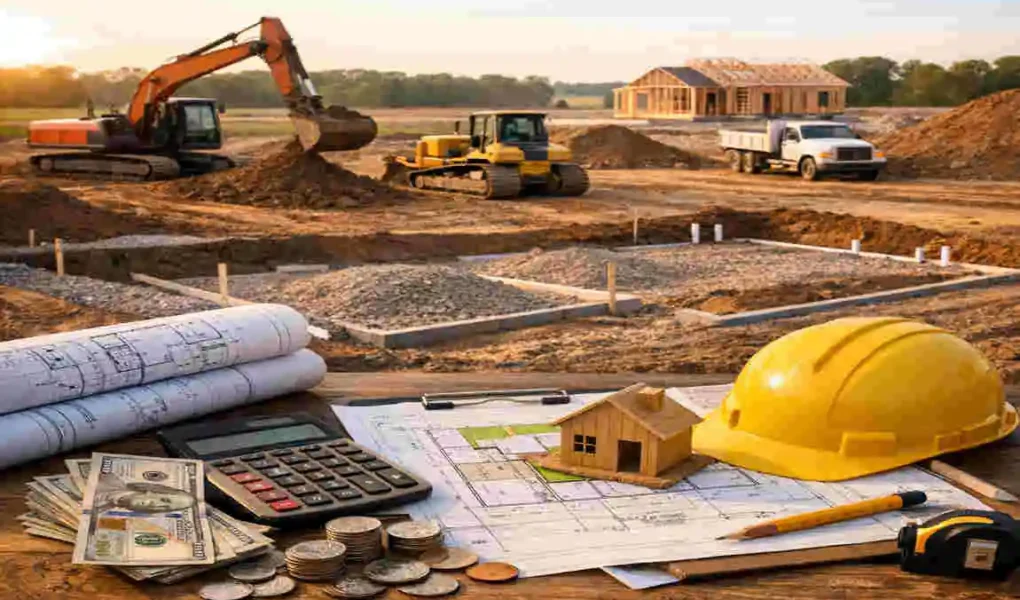
Buying raw land is exciting, but it is only the first step. Before you can build a home, that land usually needs work. It may need clearing, grading, utility hookups, permits, and other site prep tasks. These early steps can significantly affect the overall budget.
That is why many buyers ask how much it costs to develop land for a house. The truth is that the price can vary widely depending on the location, the shape of the land, and how much work is needed before construction begins. A simple lot near city utilities may cost far less than a rural property with steep terrain and no nearby services.
How Much Does It Cost to Develop Land for a House?
Average Cost to Develop Land for a House
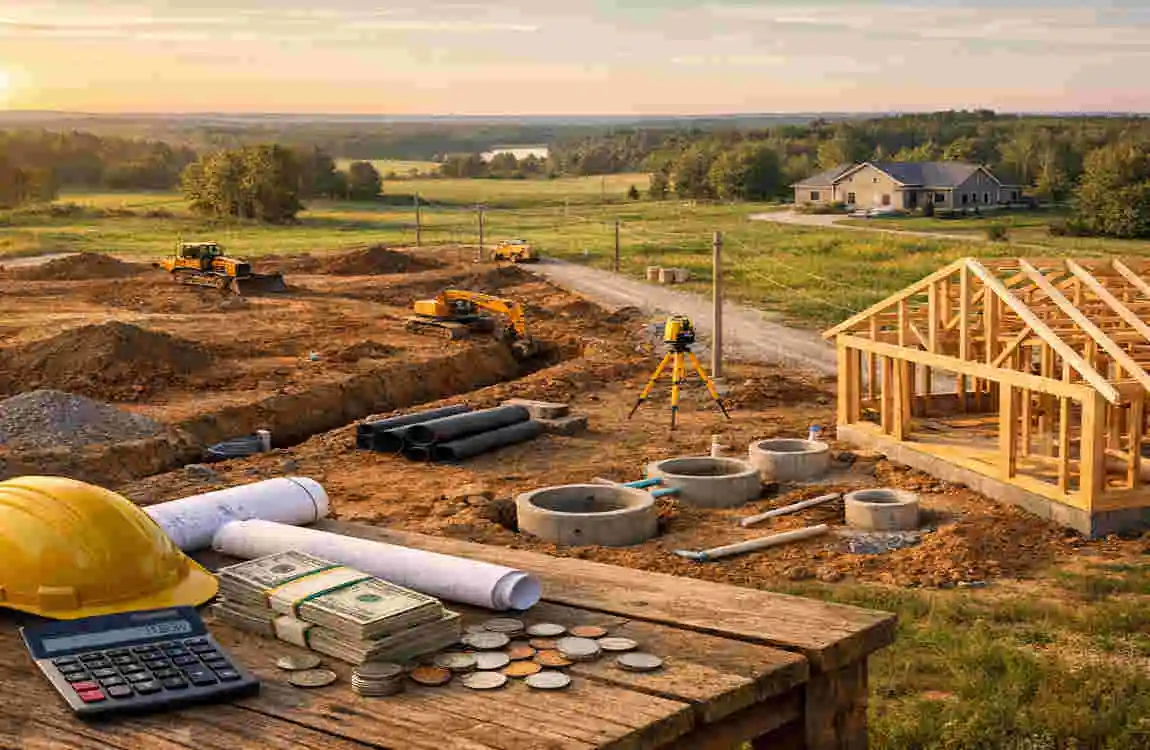
The cost to develop land can range from $10,000 to over $100,000. That is a wide range, but it makes sense because not every property needs the same amount of work.
A small residential lot with easy access to utilities may fall near the lower end. A rural property, a lot with difficult terrain, or a large custom home site can quickly move into the higher range. The more work the land needs, the more you will spend before the home foundation even begins.
Estimated Land Development Cost Table
Development Task Average Cost Range
Land Survey $500 – $2,000
Land Clearing $1,500 – $10,000+
Excavation & Grading $2,000 – $15,000
Driveway Installation $2,000 – $20,000
Electricity Connection $1,000 – $30,000
Water Connection $1,000 – $10,000
Septic System Installation $5,000 – $20,000
Permits & Fees $500 – $5,000
Total Development Cost $10,000 – $100,000+
What This Means for You
If your lot is already partly developed, your costs may stay manageable. But if you are starting with raw land, you should expect a much bigger budget.
The main idea is simple: the cheaper the land looks at first, the more expensive it may become later. Always look at the full picture before you buy.
Factors That Affect the Cost of Developing Land
Location of the Property
Location has a big impact on development cost. Land in a city or suburb may already be near roads, water lines, power lines, and sewer systems. That can save time and money.
Rural land often costs less to buy, but it can cost more to develop. Utilities may be far away. Road access may need to be built. Permits may also take longer if the area has special rules.
You should also think about labour costs. In some places, contractors charge more because the area is busy, remote, or harder to reach.
Size and Condition of the Land
A larger lot usually needs more clearing, grading, and site prep. That means more equipment and more labour.
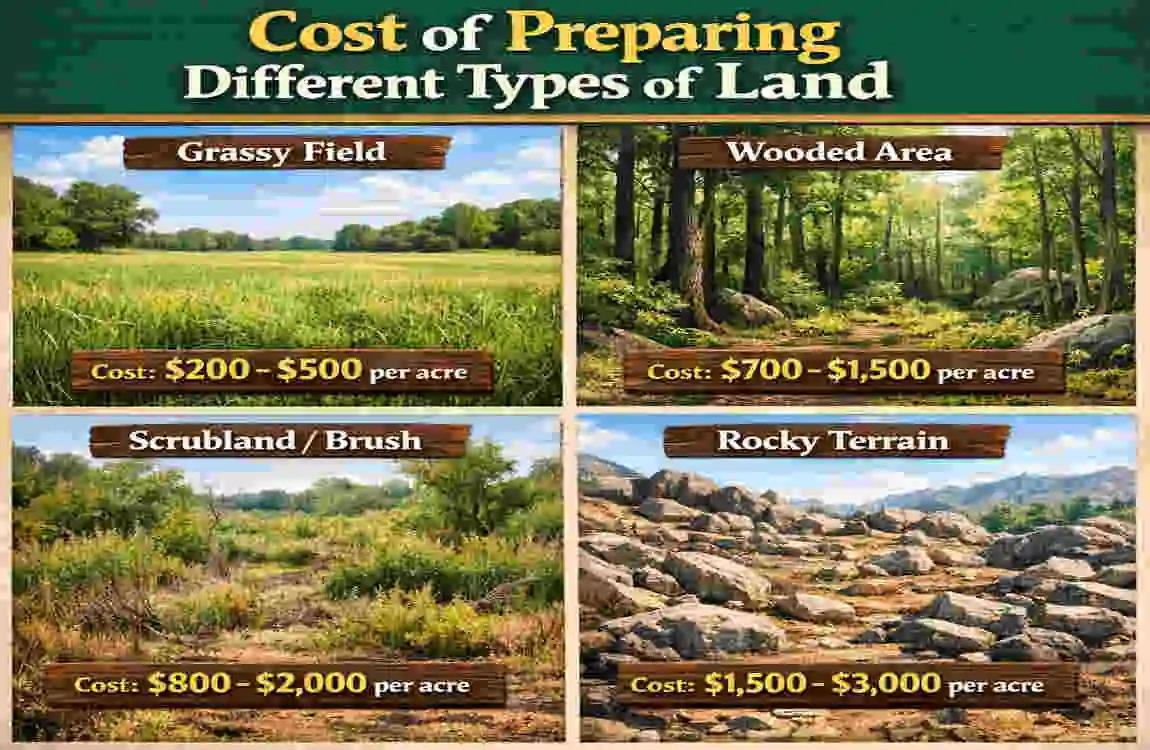
The shape and condition of the land matter too. Sloped land, rocky soil, wetlands, flood zones, and heavily wooded lots can all increase the price. If the land is uneven, the site may need major earthwork before it is ready.
Even trees can change the budget. A few small trees may not be a problem, but thick woods or large stumps can add a lot of work.
Availability of Utilities
Utility access is often one of the highest costs in land development. If water, power, gas, or sewer lines are already close by, you may spend less.
If the land is far from utility lines, you may need long extensions, trenching, poles, or a separate system, such as a well or septic tank. These items can quickly push the total cost up.
Electricity Costs
Electric service may include:
- Power line extensions
- Underground electrical installation
- Meter installation
The farther your land is from a power source, the more you will likely pay.
Water Supply Costs
Water options often include either a city water connection or a private well. A municipal connection is usually easier if it is nearby. A well can be useful for rural land, but it adds drilling, testing, and equipment costs.
Sewer Options
If city sewer is available, that may be the simplest choice. If not, you may need a septic system. That system must be sized correctly, installed properly, and maintained over time.
Complete Breakdown of Land Development Costs
Land Survey and Soil Testing
A land survey helps confirm the property boundaries. This is important so you know exactly where your land begins and ends. It also helps avoid legal issues with neighbours later.
Soil testing tells you whether the ground can support a home and drainage system. In some cases, a percolation test is needed to see how well the soil handles wastewater.
Common tests include:
- Boundary survey
- Topographic survey
- Soil testing
- Percolation testing
Average Cost: $500–$3,000
Land Clearing and Preparation
Land clearing is the process of removing anything that obstructs construction. This may include trees, brush, rocks, stumps, old debris, and overgrowth.
The price depends on how much needs to be removed and how easy it is for equipment to reach the site. A flat open lot is much easier than a thick wooded lot on a hill.
Excavation and Land Grading
Excavation and grading prepare the land for a stable foundation. This step may include levelling the ground, removing excess soil, shaping drainage paths, and creating a solid base for construction.
If the property has poor drainage or uneven ground, this part becomes more expensive. Water control is important because bad drainage can lead to foundation problems later.
Average Cost: $2,000–$15,000+
Installing a Driveway and Access Roads
Before the house can be built, trucks, tools, and workers need safe access to the site. That is why a driveway or access road is often required early in the project.
Driveways can be made from different materials:
- Gravel for a lower-cost option
- Asphalt for a smoother finish
- Concrete for a more durable and polished look
The cost depends on the length of the driveway, the terrain, and the material you choose. A long driveway on rough land may cost much more than a short driveway near a road.
Utility Installation Costs
Utility installation is one of the biggest parts of land development. Once your home starts taking shape, you need power, water, and sometimes gas and internet.
Electricity
Electric setup can include connection fees, pole installation, and underground wiring. If the home is far from a power source, the bill can rise fast.
Gas
Some properties connect to natural gas lines. Others rely on propane tanks. The better option depends on what is available in your area and how you plan to use the home.
Internet and Communication
In many places, internet access is now a must-have. Fibre or cable installation may be simple if services are already nearby, but rural homes may require more work or a special setup.
Cost of Preparing Different Types of Land
Rural Land Development Costs
Rural land often looks affordable at first, but development can be expensive. That is because services are usually farther away and the site may need more prep.
You may need:
- A private well
- A septic system
- Longer utility runs
- A longer driveway
If the property is remote, labour and delivery costs may also be higher.
Suburban Lot Development Costs
Suburban lots are often easier to develop. Many already have roads, water lines, power access, and sewer systems nearby.
As a result, the preparation cost is often lower. You may still need clearing or grading, but the overall process is usually simpler.
Mountain or Sloped Land Development Costs
Sloped or mountain land can be beautiful, but it is often more expensive to prepare. The ground may need heavy grading, retaining walls, drainage systems, and soil stabilisation.
These projects take more time and equipment. They also need careful planning so the home stays safe and stable.
Permits and Legal Costs for Land Development
Why Permits Matter
Permits are not just paperwork. They help ensure the project follows local rules and safety standards.
Without the right permits, construction can be delayed or stopped. In some cases, you may even face fines. That is why you should always check the rules before starting work.
Common Permits Include
- Building permits
- Grading permits
- Environmental permits
- Septic permits
- Electrical permits
Additional Costs to Expect
You may also need to pay:
- Impact fees
- Inspection fees
- Zoning approvals
These costs are easy to forget, but they should always be part of your budget.
How to Reduce Land Development Costs
Choose Land Carefully
The best way to save money is to buy land that is easier to develop. Look for property with nearby utilities, simple soil conditions, and clear zoning rules.
Always inspect the lot before buying. A cheap lot can become expensive if it needs major work.
Plan the Site Before Construction
Good planning helps you avoid expensive mistakes. A site plan shows where the home, driveway, drainage areas, and utility lines will go.
Planning also helps you budget better. If you know the work in advance, you can plan for the cost rather than reacting to surprises.
Compare Multiple Contractors
Do not accept the first quote you get. Ask several contractors for estimates and compare their prices, services, and experience.
A slightly higher price may still be worth it if the contractor has better equipment, better reviews, or a stronger track record.
Use Existing Infrastructure
If the land already has a road, nearby utilities, or part of the site prepared, you can save a lot of money. That is one reason developed lots often cost more to buy but less to prepare.
Hidden Costs When Developing Land for a House
Some costs are easy to see. Others appear later and can catch you off guard.
Common hidden costs include:
- Additional excavation
- Soil replacement
- Tree removal
- Permit delays
- Utility upgrades
- Drainage improvements
It is smart to keep a reserve fund for these items. Even a well-planned project can run into unexpected problems.
Land Development Timeline Before Building a House
Property Evaluation
First, the land is checked through surveys, soil tests, and site reviews. This shows what the land needs before construction can start.
Obtain Approvals
Next, you apply for permits and wait for the required approvals. This may also include inspections and zoning reviews.
Prepare the Site
After approval, the crew clears the land, grades it, and installs utilities. This is usually the most active part of the development process.
Begin Home Construction
Once the lot is ready, construction can begin. That means foundation work, framing, and then the rest of the home build.
Depending on the land, the full development process can take weeks or months before the house is even ready to start.
Is Developing Raw Land Worth the Investment?
Why It Can Be Worth It
Raw land gives you more freedom. You can build the kind of home you want, choose the layout, and create a property that fits your lifestyle.
It can also add long-term value if the land is in a good location. A well-planned home on developed land can become a strong investment.
The Challenges
The biggest downside is cost. Raw land usually needs more work, more time, and more money before it becomes build-ready.
You also need patience. Development can take longer than expected, especially if permits or weather cause delays.
Cost Comparison: Buying Developed Land vs Raw Land
FeatureRaw LandDeveloped Land
Purchase Price Lower Higher
Utilities Usually Missing Often Available
Preparation Work Required Minimal
Building Timeline Longer Faster
Development Costs Higher Lower
This table shows the tradeoff clearly. Raw land may save money up front, but it often costs more overall once you add all the development work.
Tips for Budgeting the Right Way
If you want to stay in control of the budget, keep these simple tips in mind:
- Inspect before buying
- Check utility access early
- Get multiple quotes
- Add a contingency fund
- Plan for permits and inspections
These steps help you avoid the most common budget problems.
Frequently Asked Questions
How much does it cost to develop land for a house?
The average cost ranges from $10,000 to over $100,000, depending on land condition, location, utilities, and preparation needs.
What is the most expensive part of developing land?
Utility installation, excavation, grading, and difficult terrain work are often the most expensive parts.
Can I build a house on undeveloped land?
Yes, but the land usually must be cleared, graded, approved, and connected to the needed utilities first.
Does rural land cost more to develop?
Often yes. Rural properties may need private wells, septic systems, long driveways, and utility extensions.
How long does it take to develop land before building?
It can take a few weeks to several months, depending on permits, site conditions, weather, and project size.
| Land Development Item | Estimated Cost Range (USD) | What It Includes |
|---|---|---|
| Land Survey & Site Evaluation | $500 – $2,500 | Property measurements, soil checks, and site analysis |
| Land Clearing & Grading | $1,500 – $10,000+ | Removing trees, rocks, debris, and leveling the land |
| Excavation & Earthwork | $2,000 – $15,000 | Digging foundation areas and preparing the building site |
| Driveway Installation | $2,000 – $15,000 | Gravel, asphalt, or concrete driveway construction |
| Water Connection | $1,000 – $10,000+ | Connecting to municipal water or installing a well |
| Sewer or Septic System | $3,000 – $20,000+ | Sewer hookup or septic tank installation |
| Electrical Connection | $1,000 – $30,000+ | Power lines, utility poles, or underground electrical work |
| Gas Line Installation | $500 – $5,000 | Natural gas connection or alternative systems |
| Permits & Approval Fees | $500 – $5,000 | Building permits, zoning, and development approvals |
| Drainage & Landscaping Preparation | $2,000 – $15,000 | Stormwater control, erosion prevention, and basic landscaping |
| Average Total Land Development Cost | $10,000 – $100,000+ | Depends on location, land condition, and utility availability |