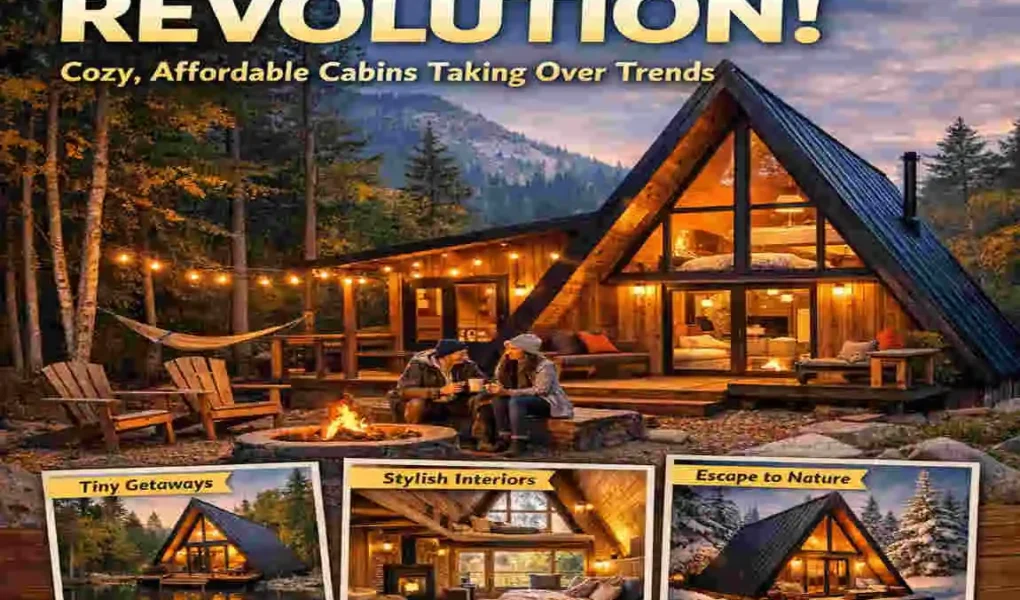
The a frame house is having a major moment right now, and it is easy to see why. People want homes that feel warm, simple, and beautiful without costing a fortune. At the same time, more buyers are looking for small retreats, vacation cabins, and smart living spaces that do not waste money or materials. That is exactly where a-frame houses stand out.
The shape itself is part of the charm. With a tall, triangular roof and a compact frame, an a frame cabin looks modern, rustic, and welcoming all at once. It gives you a cozy feeling the second you see it. But the real appeal goes beyond looks. These homes are often more affordable to build, easier to maintain, and surprisingly energy efficient.
In 2026, interest in compact homes, tiny homes, and cabin-style living continues to rise. More families want weekend escapes. More couples want affordable vacation properties. More first-time buyers want a home that feels special but still fits a realistic budget. An a frame house checks many of those boxes.
| Aspect | Key Benefits & Trends | Why It’s Trending in 2026 |
|---|---|---|
| Design & Cozy Appeal | Iconic triangular shape maximizes space; steep roofs create lofted sleeping areas. Perfect for glamping or vacation retreats. | Viral on TikTok/Instagram (#AFrameCabin: 5M+ posts); appeals to remote workers seeking hygge vibes. |
| Affordability | DIY kits start at $20K–$50K; smaller footprint cuts land/material costs vs. traditional homes. | Rising housing prices push millennials toward tiny homes; 30% cheaper than cabins per sq ft. |
| Sustainability | Wood frames, solar-ready roofs, off-grid potential with rainwater systems. | Eco-conscious buyers (Gen Z boom); qualifies for green building rebates in US/EU. |
| Modern Upgrades | Floor-to-ceiling windows, modular expansions, smart home tech integration. | Celebrity endorsements (e.g., Justin Bieber’s A-frame inspo); Airbnb bookings up 40%. |
| Build Time & DIY | Assemble in 2–4 weeks; beginner-friendly prefab options from brands like Muji or Den. | DIY revolution via YouTube tutorials; ideal for Lahore’s growing prefab market. |
What Is an A-Frame House? Origins and Anatomy
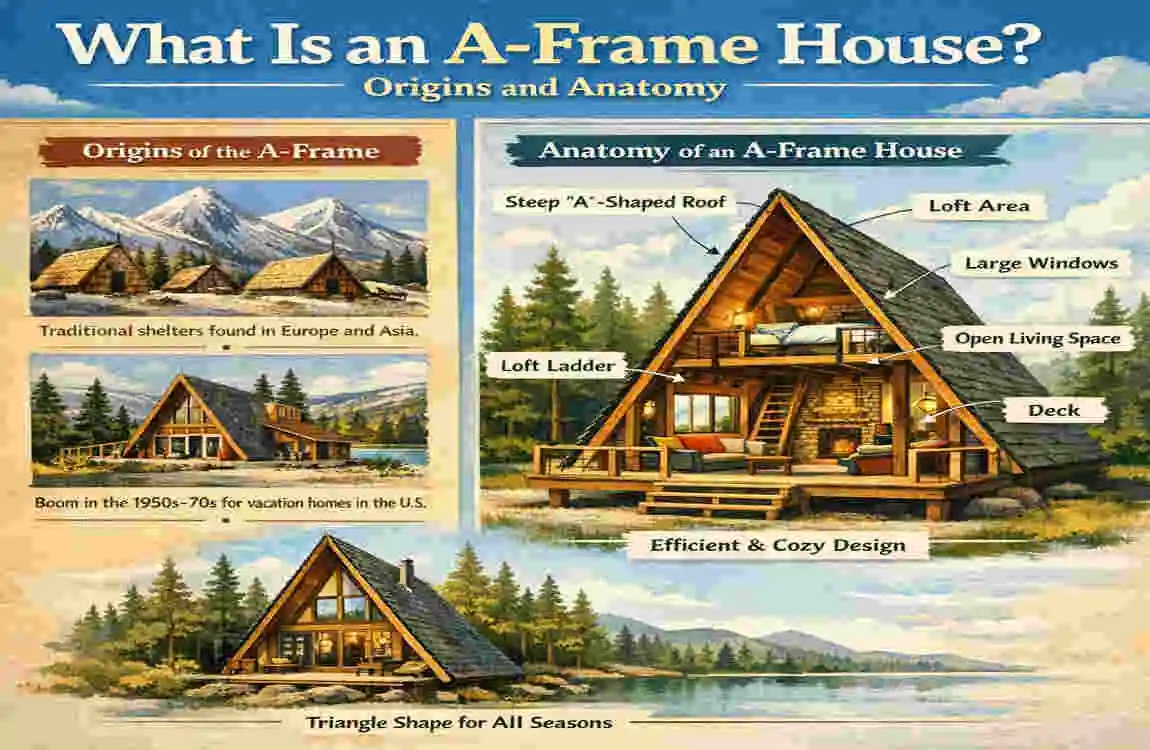
An a frame house is a home shaped like the letter “A.” The roof starts near the ground and rises sharply to a central peak. Because the roof forms the outer walls, the structure looks simple from the outside, but it is very clever in design.
This style is known for its steep roof, open interior feel, and strong visual identity. It can be tiny and compact, or larger and more luxurious. Some a-frame houses are used as weekend cabins. Others are full-time homes. Some are built from prefab kits, while others are custom designed from the ground up.
The best part is that the design naturally creates a feeling of shelter and comfort. It feels like a little hideaway, even when the inside is modern and spacious.
History of A-Frame Houses: From 1950s Ski Lodges to Modern Tiny Homes
The a frame house became popular in the mid-20th century, especially after World War II. Builders liked it because it was simple, practical, and relatively easy to construct. It became a favourite for ski lodges, mountain cabins, and holiday retreats because its steep roof handled snow well.
The design also fit the spirit of the time. People wanted affordable homes with a fresh, modern look. The triangular form felt stylish without being overly complicated. It stood out, yet it still felt humble and approachable.
Over time, the a-frame house faded in and out of popularity, but it never fully disappeared. In recent years, it has come back with force. Tiny home fans love the space-saving design. Airbnb hosts love the eye-catching look. Outdoor lovers love how well it fits nature-based living. And younger buyers love that it feels both retro and current.
Today, the a-frame house is no longer just a mountain cabin. It has become a symbol of smart, cozy, and affordable design.
Key Features of a Frame House Design
A strong a frame house usually has a few defining features that make it easy to recognize.
- Steep-pitched roof: The roof often rises at a sharp angle, usually 45 to 60 degrees. This creates the classic triangular shape.
- Compact frame: The structure is simple and efficient, reducing construction waste.
- Open interior: The inside often feels larger than it looks from the outside.
- Large windows: Many a-frame houses use tall glass panels to bring in natural light.
- Loft space: Because of the high roof, many designs include a sleeping loft or storage area.
- Natural materials: Wood, metal roofing, and simple finishes are common.
This combination gives the a-frame house its charm. It feels rustic without being old-fashioned. It feels modern without being cold. That balance is one reason people keep coming back to it.
Why A-Frame Houses Are Trending in 2026
The rise of the a frame house is not random. It fits what many buyers want right now: lower costs, smaller spaces, better design, and more flexibility. In 2026, those needs matter more than ever.
People are also tired of huge houses that require huge budgets. They want homes that feel personal and useful. They want spaces that support a simpler lifestyle. The a-frame house fits that mindset very well.
Surging Demand for Affordable, Cozy Cabins
One of the biggest reasons for the trend is affordability. Traditional homes have become expensive in many markets, and many buyers simply cannot stretch their budget that far. The a frame house gives them another path.
A smaller cabin-style build often costs far less than a standard house. It uses fewer materials, needs less land, and can sometimes be finished faster. That makes it appealing to:
- First-time buyers
- Vacation home seekers
- Remote workers
- Retirees
- Short-term rental owners
- People who want a simple second home
The word cozy also matters here. Buyers are not just looking for a place to sleep. They want a place that feels peaceful. They want warmth, texture, and charm. The a-frame house delivers that feeling in a very natural way.
Social Media and Celebrity Influence
The a frame house is also popular because it photographs beautifully. On social media, that matters a lot. The tall roofline, warm wood, and glowing windows create a visual that draws attention fast.
People love posting cabin tours, interior styling ideas, and before-and-after home projects. The triangular shape stands out in feeds full of similar-looking houses. That makes it perfect for platforms where design trends spread quickly.
Celebrity homes and lifestyle content have also helped push the style forward. When people see stylish retreats, mountain escapes, or minimalist cabins in videos and photos, they start imagining that same feeling for themselves.
Top Benefits of Building an A-Frame House
There are many reasons people choose an A-frame house. Still, the benefits usually fall into three main categories: lower cost, better comfort, and smarter living.
Affordability and Cost Breakdown
The first big benefit is cost. An a frame house often uses less material than a more complex home design. That can make a real difference during construction.
Because the shape is simple, builders can often work faster and with less waste. The roof and walls are integrated into a single, clean form, reducing complexity. In many cases, this makes the whole project more budget-friendly than a traditional house with many corners, angles, and custom structural parts.
Here is a simple comparison of common cost ranges:
Feature A-Frame House Conventional Home
Typical build cost Lower Higher
Material waste Less More
Build complexity Simple More complex
Construction time Shorter Longer
Visual impact High Varies
That does not mean every a-frame house is cheap. A high-end build with luxury finishes can still cost a pretty penny. But if you want a stylish home without overcomplicating the project, this design gives you a strong starting point.
Coziness and Livability in Small Spaces
The second major benefit is the space’s comfort. A good a frame house often creates a warm, inviting atmosphere right away.
The sloping ceiling gives the room character. The open floor plan helps the home feel less cramped. A loft can add sleeping space without taking up too much floor area. Large windows can frame the outdoors, making the home feel bright and alive.
That combination creates a feeling many people now love: cozy but not crowded.
This is especially useful in smaller homes. Instead of trying to force a tiny space to behave like a big house, the a-frame house embraces its size. It turns that small footprint into a strength.
A cozy a-frame interior often includes:
- Warm wood tones
- Soft lighting
- A simple furniture layout
- A loft bedroom
- Large throw rugs
- A reading nook or window seat
These details matter because they help the home feel welcoming in every season.
Sustainability and Energy Efficiency
The third big benefit is sustainability. Many people want a home that is kinder to the environment, and an A-frame house can support that goal.
The simple shape naturally reduces material use. The steep roof can help with rain and snow runoff. The design can also work well with passive solar ideas, especially if you place windows carefully and use good insulation.
Energy efficiency depends on the build quality, of course. But a well-planned a-frame house can be much easier to heat or cool than a large, spread-out home. That means better comfort and lower utility bills over time.
Eco-friendly materials can also make a big difference. Builders often use:
- Sustainably sourced wood
- Efficient insulation
- Metal roofing
- Low-VOC paints
- Recycled or natural finishes
For buyers who care about green living, an A-frame house makes a lot of sense. It offers beauty, comfort, and lower environmental impact in one package.
A-Frame House vs. Other Cabin Styles: Quick Comparison
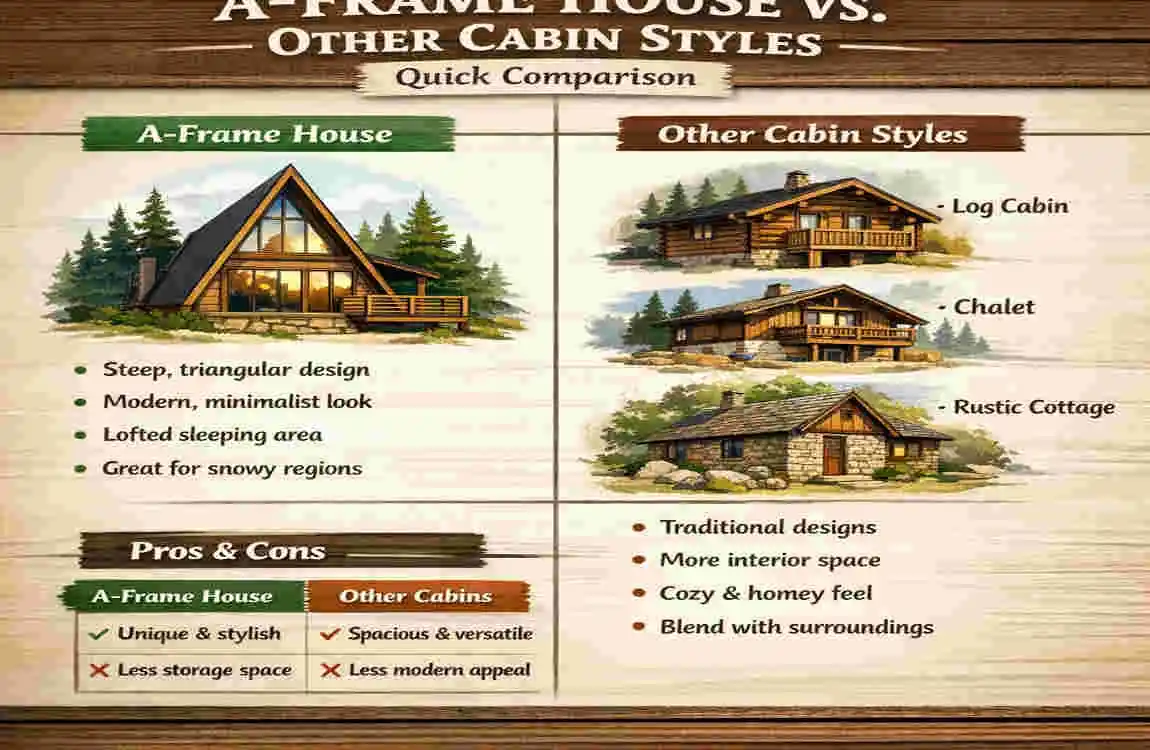
Before you choose a design, it helps to compare the a frame house with other popular cabin styles. Each one has strengths, but they do not serve the same needs.
Feature A-Frame House Tiny House Log Cabin
Cost Usually lower Varies, often medium Often higher
Space efficiency Excellent Good Fair to good
Construction style Simple frame Compact and custom Heavy timber or logs
Roof shape Steep triangle Flexible Traditional pitched roof
Aesthetic Modern rustic Minimalist or custom Classic woodland
Best for Cabins, retreats, small homes Mobile or very small living Traditional cabin feel
Pros of an A-Frame House
- Eye-catching design
- Simple structure
- Lower material use
- Great for small plots
- Works well as a vacation cabin
- Easy to make cozy and stylish
Possible Drawbacks
- Less usable wall space
- Upper floor or loft can have low headroom
- Roof maintenance matters more
- Not always ideal for large families
The key is to match the design to your lifestyle. If you want a charming retreat with a smart layout, an A-frame house is a strong choice. If you need a lot of upright wall space for storage or a large family, you may need to carefully adjust the design.
Designing Your Dream A-Frame House: Step-by-Step Guide
A beautiful a frame house starts with a clear plan. The shape may look simple, but smart planning makes the difference between a space that feels amazing and one that feels awkward.
Size and Layout Planning
First, think about how you will use the space.
Will this be a weekend cabin, a guest house, a rental, or a full-time home? Your answer changes everything. A 100- to 400-square-foot a-frame cabin can work well for one or two people. A larger version can support a family, but the layout has to be carefully planned.
You should also decide whether you want:
- A single-level layout
- A loft sleeping area
- An open kitchen and living room
- One bedroom or more
- Extra storage tucked into corners
Because the shape is triangular, every square foot matters. That is why planning early is so important. A smart layout makes the a frame house feel much larger than it really is.
Materials and Customization
The materials you choose will shape both the home’s look and performance.
Wood is the classic choice. It gives the a frame house its warm, cabin-like character. Metal roofing is also common because it handles weather well and lasts a long time. For walls and insulation, the right materials will depend on your climate.
If you are building in an area with hot summers, cooler winters, or heavy monsoon rains, you need strong insulation and weather protection. That keeps the home comfortable and protects it over time.
You can also customize the look in many ways:
- Dark exterior stain for a dramatic modern style
- Light wood for a softer natural feel
- Black window frames for a sleek finish
- Large glass fronts for more light
- Rustic interiors or clean minimalist interiors
This flexibility is one reason the a frame house appeals to so many different people. It can feel modern, rustic, or even luxurious depending on the details.
Permits, Zoning, and Prefab vs. DIY
Before construction starts, check local rules. This step is easy to overlook, but it matters a lot.
Some areas have zoning rules that limit cabin size, roof height, or short-term rental use. Others may require special permits for foundations, water systems, or electrical work. If you skip this step, you may face delays or extra costs later.
You also need to decide whether to build from scratch or use a prefab kit.
Prefab kits can save time. They often come with pre-cut parts and a clearer build plan. That can reduce stress and help control costs.
DIY builds can give you more freedom, but they also require more skill, time, and oversight. If you enjoy hands-on work and want a custom result, DIY may appeal to you. If you want speed and predictability, prefab may be the better route.
Interior Styling for Cozy Vibes
Once the structure is ready, the interior should support the cabin feel. The best interior design for a frame house is simple, warm, and practical.
Try to keep the layout uncluttered. Use furniture that fits the room’s scale. Add soft textiles, natural textures, and warm lighting. These small touches make the home feel calm and lived-in.
A few easy styling ideas include:
- A compact sofa or loveseat
- A wooden dining table
- Layered rugs
- Linen curtains
- Built-in storage benches
- A loft bed with safe access
- A small reading corner near a window
The goal is not to fill every corner. The goal is to make the space feel balanced and easy to enjoy.
Real-World A-Frame House Inspirations and Case Studies
It is easier to understand the value of an a frame house when you look at how people actually use one. These homes work in many settings, from backyards to mountain retreats.
Modern A-Frame Cabin Tours
three different a-frame homes.
The urban backyard retreat
This small cabin sits in a city home’s backyard. It is used as a guest room, a work-from-home studio, and a quiet reading space. The owner keeps the design simple with light wood, a small kitchenette, and a loft sleeping area. The result feels stylish and practical.
The glamping escape
This a-frame cabin is built for short stays in nature. It has a large glass front, a wood stove, and a compact bathroom. Guests love it because it feels like camping, but with comfort. The triangular roof gives it a strong identity, which helps it stand out in the rental market.
The family vacation home
This larger a-frame house has two sleeping lofts, an open kitchen, and a big living area. It is not huge, but it works well for weekend trips and holiday gatherings. The design keeps maintenance costs low and provides the family with a charming place to return to.
These examples show how flexible an a-frame house can be. It is not just one thing. It can become a studio, a rental, a family cabin, or a private retreat.
Local builders can adapt the style using:
- Better roof insulation for heat control
- Strong waterproofing for monsoon weather
- Locally sourced wood
- Deep eaves or shade solutions
- Cross ventilation for summer comfort
- Durable finishes for long-term use
For families who want a private escape near the hills, the a-frame house offers a fresh alternative to the usual brick home. It feels modern, but it still blends well with natural surroundings.
That is a powerful combination for anyone who wants both style and function.
Cost to Build an A-Frame House: Budget Breakdown
A big part of the appeal of an a frame house is that it can fit a range of budgets. The final cost depends on size, location, materials, and finishes. Still, the structure itself is often more manageable than that of many other home types.
Here is a simple budget breakdown:
Cost Item Estimated Range
Foundation $5,000 – $15,000
Frame or kit $20,000 – $50,000
Roofing $8,000 – $20,000
Windows and doors $5,000 – $15,000
Interior finishes $10,000 – $30,000
Plumbing and electrical $8,000 – $25,000
Insulation and weatherproofing $5,000 – $15,000
Furnishings $3,000 – $12,000
A basic a-frame cabin can sometimes be built for under $100,000, especially if the design is compact and the finishes are simple. That is one reason this style has become so attractive to buyers seeking charm without a heavy financial burden.
Ways to Keep Costs Under Control
If you want a budget-friendly a frame house, keep these ideas in mind:
- Choose a smaller footprint
- Use a simple floor plan
- Pick durable but affordable materials
- Avoid too many custom features
- Use prefab components where possible
- Finish the home in stages if needed
The key is to spend money where it matters most: structure, insulation, and weather protection. Once those are strong, you can add style gradually.
Challenges and Solutions for A-Frame House Owners
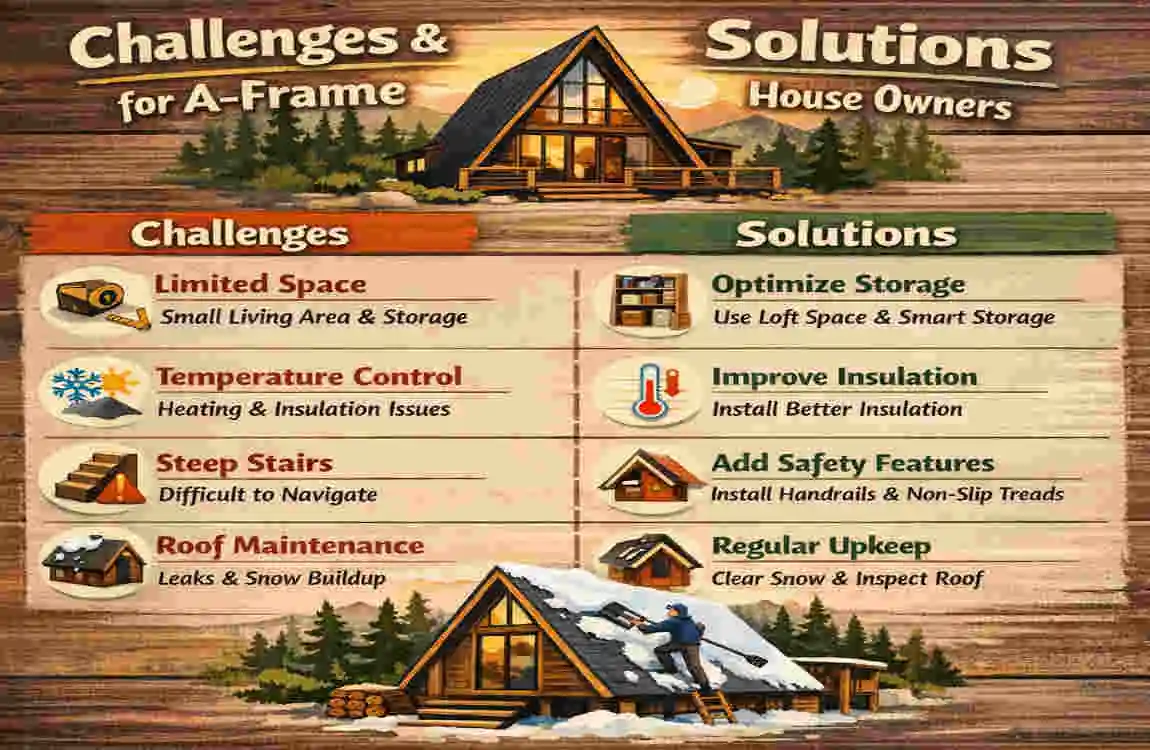
Like any home, the a frame house comes with a few challenges. The good news is that most of them are manageable with smart planning.
Headroom Issues
The sloped walls are beautiful, but they do create some low spaces near the edges. That can limit where you place furniture or storage.
The solution is simple: use the lower areas for built-ins, shelves, or hidden storage. Put beds and seating where the ceiling is highest. In lofts, keep the layout compact and efficient.
Maintenance Needs
The steep roof is great for shedding rain and snow, but it still needs regular checks. Roof condition is especially important because the roof is such a dominant part of the design.
Plan for periodic inspections, gutter cleaning, and quick repairs when needed. Good materials will reduce problems, but no roof should be ignored.
Resale Value Questions
Some people worry that a unique home style might be harder to resell. In reality, a well-built a frame house can attract strong interest, especially in markets that value vacation homes, eco-friendly living, or short-term rentals.
The trick is to keep the home functional, well-maintained, and visually appealing. A thoughtful design broadens the buyer pool.
Climate Considerations
Not every climate suits every version of the a-frame house. Very hot areas need strong cooling strategies. Cold regions need heavy insulation. Wet areas need excellent waterproofing.
That does not mean the style will not work. It just means you should adapt it to your environment rather than blindly copying a model.
Future of A-Frame Houses: Innovations and Predictions
The future looks bright for the a frame house. As more people look for homes that are flexible, affordable, and visually striking, this style is likely to keep growing.
One major trend is modular building. Prefab systems are improving, leading to faster construction and better quality control. That makes the a-frame house even more appealing for people who want a simple path to ownership.
Solar power is another big opportunity. The roof shape can work well with solar panels if the angle and direction are planned properly. That could make the home even more efficient and self-sufficient.
We will also likely see more urban infill projects. In other words, smaller a-frame homes may show up in city backyards, vacation communities, and compact residential plots. People want more usable space without the burden of a giant house, and this design fits that shift.
In the future, the a frame house may become even more customized. Some will be sleek and modern. Others will stay rustic and cabin-like. Some will be built for rentals. Others will be family homes. That variety is part of the reason the style keeps winning.
FAQ: A-Frame House Questions Answered
What is the main purpose of an a frame house?
The main purpose of an a frame house is to create a strong, simple, and stylish home shape that works well for cabins, retreats, and compact living. It is popular because it feels cozy and uses space efficiently.
Is an a frame house expensive to build?
It can be more affordable than many traditional homes, especially if you keep the size modest and the design simple. The final cost depends on materials, location, labor, and finishes.
Are a frame houses good for full-time living?
Yes, they can be. A well-planned a frame house can work beautifully as a full-time home, especially if it includes enough storage, insulation, and a practical layout.
What are the biggest challenges with a frame houses?
The main challenges are roof maintenance, limited wall space, and low headroom near the edges. Good design choices can solve most of these issues.
Can an a frame house work in hot weather?
Yes, but it needs the right climate strategy. Strong insulation, ventilation, shading, and the right window placement are very important in hot regions.